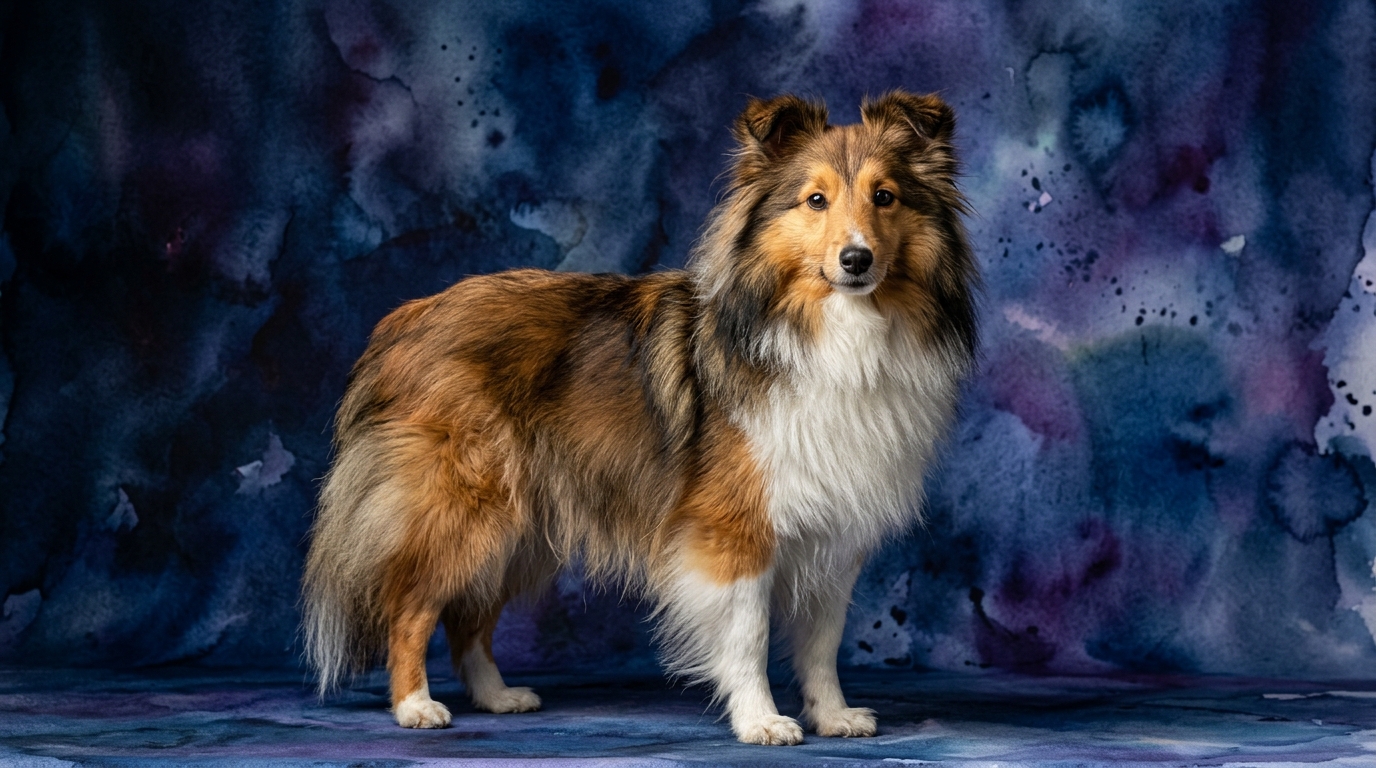
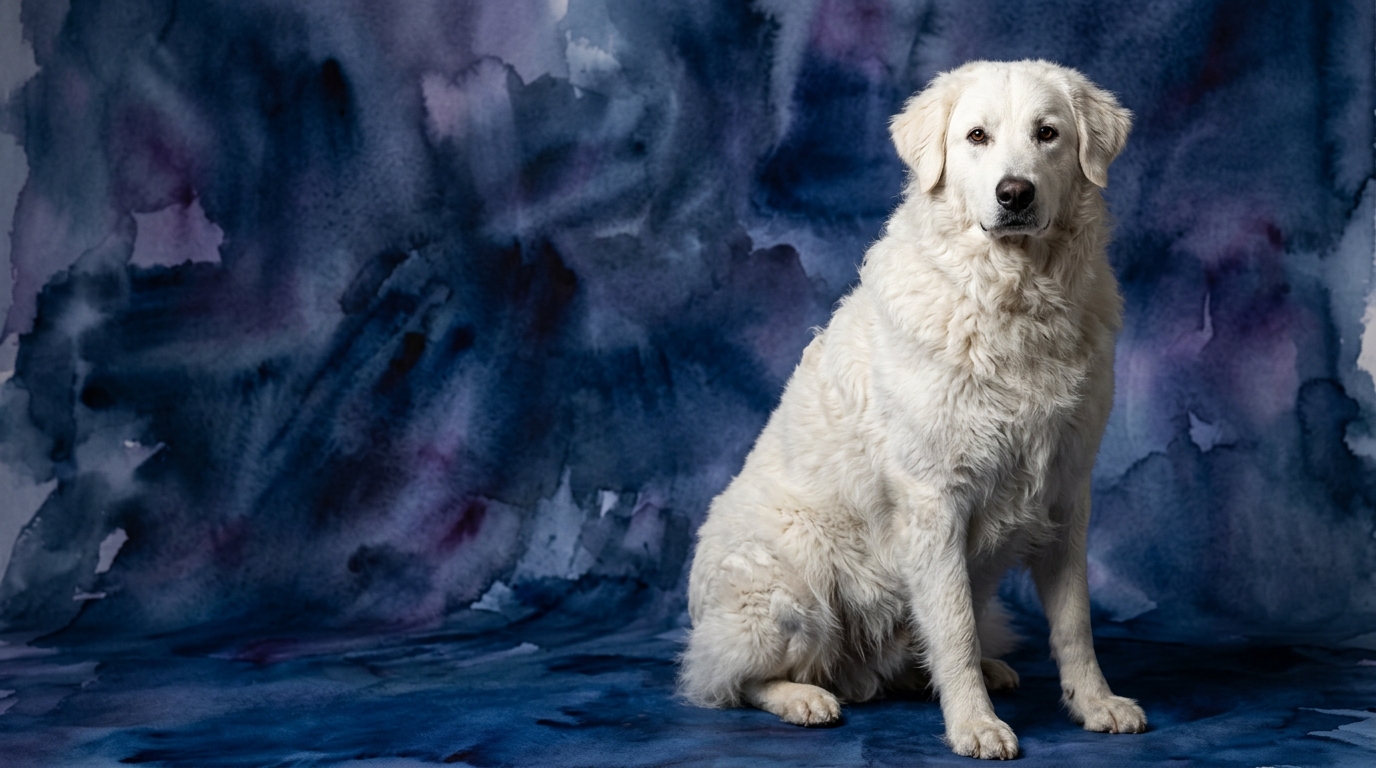
Side-by-Side IQ Profile: Shetland Sheepdog vs. Kuvasz
**Shetland Sheepdog (Coren Rank #6)**
**Problem Solving (4/5)**: Shelties exhibit a strong aptitude for quickly assessing complex situations and devising strategies. Their cognitive flexibility allows them to understand cause-and-effect, adapting learned behaviors to novel challenges like puzzle toys or multi-step agility courses. They actively work to figure things out.
**Training Speed (5/5)**: Their capacity to absorb new commands and behaviors is exceptional. Shelties typically grasp new concepts in very few repetitions, eager to engage with human partners and respond to cues with remarkable swiftness and precision. This rapid learning makes them highly trainable.
**Social Intelligence (4/5)**: These dogs possess a nuanced understanding of human emotions and intentions, often anticipating cues and reacting appropriately to social dynamics. They form strong, empathetic bonds with family, responding well to praise and adjusting behavior based on owner mood.
**Instinctive Drive (5/5)**: The Sheltie's herding drive is a powerful cognitive engine, fueling their desire to gather, control, and manage movement. This intense drive translates into focused energy for tasks, a keen awareness of surroundings, and a strong work ethic, making them motivated collaborators.
**Memory (5/5)**: With a robust and enduring memory, Shelties retain learned behaviors, complex command sequences, and past experiences over long periods. This makes their training durable and their understanding of routines steadfast, allowing them to consistently apply learned rules.
**Kuvasz (Coren Rank #42)**
**Problem Solving (3/5)**: Kuvasz approach problems with a more independent, deliberate thought process, heavily influenced by their guardian role. Their solutions are geared towards observation, threat assessment, and protection, rather than rapid, intricate puzzle-solving for its own sake. They prefer to analyze before acting.
**Training Speed (3/5)**: They learn at a steady, thoughtful pace, requiring more repetition and consistent, patient reinforcement than the Sheltie. The Kuvasz learns best when commands align with their natural protective instincts, often questioning commands deemed illogical for their duties.
**Social Intelligence (3/5)**: Kuvasz exhibit a discerning social intelligence, forming deep bonds with family but often remaining reserved or aloof with strangers. Their understanding of social cues is strong within their trusted circle, but less outwardly expressive or universally applied to outsiders.
**Instinctive Drive (3/5)**: Their primary instinctive drive is guardianship, leading them to be vigilant protectors of territory and family. This drive manifests as watchful observation, a strong sense of responsibility, and a readiness to act when a perceived threat arises, focusing on deterrence.
**Memory (4/5)**: Kuvasz possess a solid and reliable memory, retaining important lessons, territory boundaries, and experiences over time, especially those related to their protective duties. This enables them to remember who belongs and who doesn't, supporting their long-term effectiveness as guardians.
Where Shetland Sheepdogs Win Cognitively
The Shetland Sheepdog's cognitive strengths shine in areas demanding rapid assimilation of information and agile responses. Their 5/5 training speed means they pick up new commands with remarkable efficiency, often generalizing learned behaviors to novel situations quickly. Coupled with a 4/5 in problem-solving, Shelties excel at tasks requiring sequential thought, such as navigating agility courses or mastering complex obedience routines. Their 5/5 instinctive drive, rooted in herding, translates into an innate desire to work collaboratively and respond to direction, making them exceptionally responsive to handler cues and focused on shared objectives. This drive, combined with their 5/5 memory, ensures that once a task or rule is learned, it is retained and applied consistently.
Where Kuvasz Win Cognitively
The Kuvasz's cognitive profile, while different from the Sheltie's, presents unique advantages particularly in its role as a guardian. Their 3/5 instinctive drive is profoundly focused on protection, fostering an independent problem-solving approach (3/5) geared towards assessing potential threats and making autonomous decisions to safeguard their territory and family. This doesn't involve quick, intricate maneuvers, but rather a steady, watchful analysis and determined action. Their 4/5 memory is crucial here, allowing them to recall specific individuals, potential dangers, and successful protective strategies over extended periods, contributing to their reliable and steadfast nature as guardians. While their training speed is 3/5, their learning is deep and enduring when the task aligns with their inherent purpose, resulting in a dog that performs its duties with unwavering conviction.
Which is Easier to Train and Why
Without question, the Shetland Sheepdog is significantly easier to train due to its exceptional 5/5 training speed and high social intelligence (4/5). Shelties are eager to please, absorb new commands in just a few repetitions, and actively seek interaction and guidance from their owners. Their strong herding drive (5/5) means they naturally respond to direction and enjoy having a "job," making them highly motivated partners in training sessions. In contrast, the Kuvasz, with a training speed of 3/5 and a more independent social intelligence (3/5), requires patience, consistency, and a deep understanding of their guardian mindset. They learn at a slower pace and are more likely to question commands that don't immediately make sense to their protective instincts, often preferring to make their own decisions rather than blindly follow. Training a Kuvasz involves building trust and demonstrating the relevance of commands to their world, rather than relying on inherent eagerness to comply.
Which Suits Active Owners vs. Relaxed Owners
The Shetland Sheepdog, with its intense instinctive drive (5/5), need for mental engagement (Problem Solving 4/5), and high social intelligence (4/5) thrives with active owners who can provide consistent mental stimulation and physical exercise. They are well-suited for activities like agility, obedience, herding trials, or even just complex trick training, requiring owners who are ready to invest time in channeling their cognitive energy. A relaxed owner might find a Sheltie's constant need for engagement overwhelming, potentially leading to boredom-induced behaviors. The Kuvasz, while needing regular exercise for its large body, is better suited for owners who appreciate a more independent companion and are prepared for a less overtly "active" training partnership. Their guardian drive means they are often content observing their domain, but they still require consistent, firm, and patient guidance from owners who understand their independent nature and can provide a secure environment where their protective instincts are managed responsibly. They are not a "relaxed" dog in terms of responsibility, but their cognitive needs manifest differently than the Sheltie's.
The Verdict
Opt for the Shetland Sheepdog if you desire a highly responsive, eager-to-train companion for dog sports, advanced obedience, or a home that thrives on constant interactive engagement. They are ideal for owners who enjoy consistent mental stimulation and collaborative activities with their dog.
Select the Kuvasz if you seek a steadfast, independent guardian with a strong sense of responsibility, and you are prepared for a patient, consistent training approach that respects their discerning nature. They are best for experienced owners who understand guardian breeds and can provide a secure, stable environment.
🧠 Find Your Pet's IQ Score
Our Pet IQ Lab assessment covers 25+ tests across 5 cognitive dimensions — personalized to your breed.
Take the Full IQ Test →Frequently Asked Questions
Do Shetland Sheepdogs bark a lot because they are so smart?
While not directly linked to their intelligence, Shetland Sheepdogs do have a tendency to vocalize, a trait often connected to their herding instincts and their role in alerting the flock. Their problem-solving abilities mean they might use barking as a communicative tool to express needs or draw attention to perceived issues, requiring consistent training to manage.
Is a Kuvasz suitable for a first-time dog owner given its cognitive profile?
Generally, a Kuvasz is not recommended for first-time dog owners due to its independent nature, strong guardian instincts, and slower training speed. Their discerning social intelligence and need for consistent, firm guidance require an owner with experience in understanding and managing a large, protective breed.
How do their memory scores impact daily life?
A Shetland Sheepdog's 5/5 memory means they quickly recall routines, commands, and past experiences, making them highly predictable and reliable once trained. A Kuvasz's 4/5 memory ensures they remember their territory, family members, and any perceived threats over time, contributing to their consistent guardian duties and long-term recognition of boundaries.