Side-by-Side IQ Profile: Herding Acumen vs. Working Steadfastness
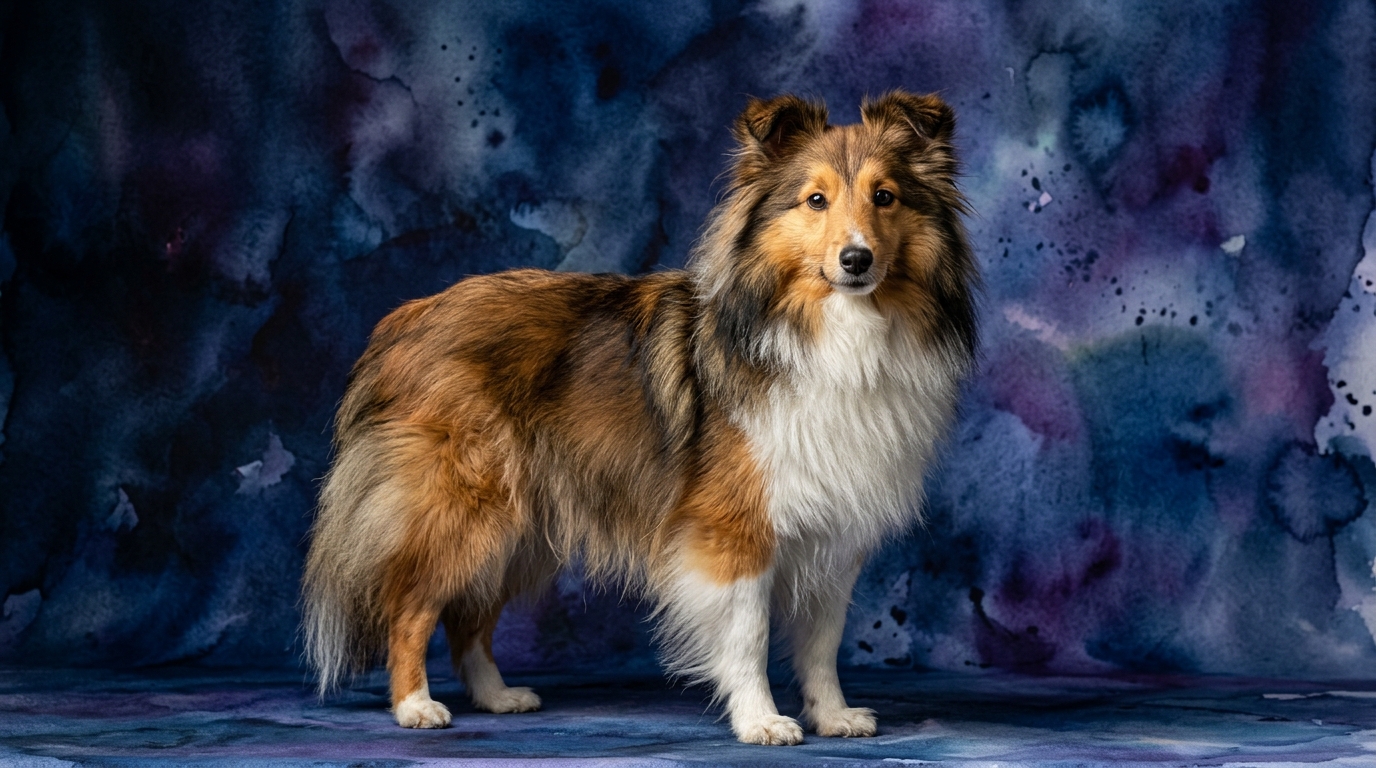
The Shetland Sheepdog, a compact dynamo, showcases an impressive cognitive blueprint tailored for complex herding tasks. Its problem Solving is rated at 4/5, indicating a strong capacity to navigate intricate scenarios and figure out solutions independently. With a training Speed of 5/5, these dogs absorb new commands and routines with remarkable alacrity, often anticipating their handler's next move. Social Intelligence stands at 4/5, reflecting their nuanced understanding of human cues and emotional states, crucial for cooperative work. An Instinctive Drive of 5/5 underscores their innate herding behaviors, a powerful internal motivation to manage and guide. Finally, their memory, rated at 5/5, allows them to retain vast amounts of information, from complex command sequences to environmental details, enabling consistent performance.
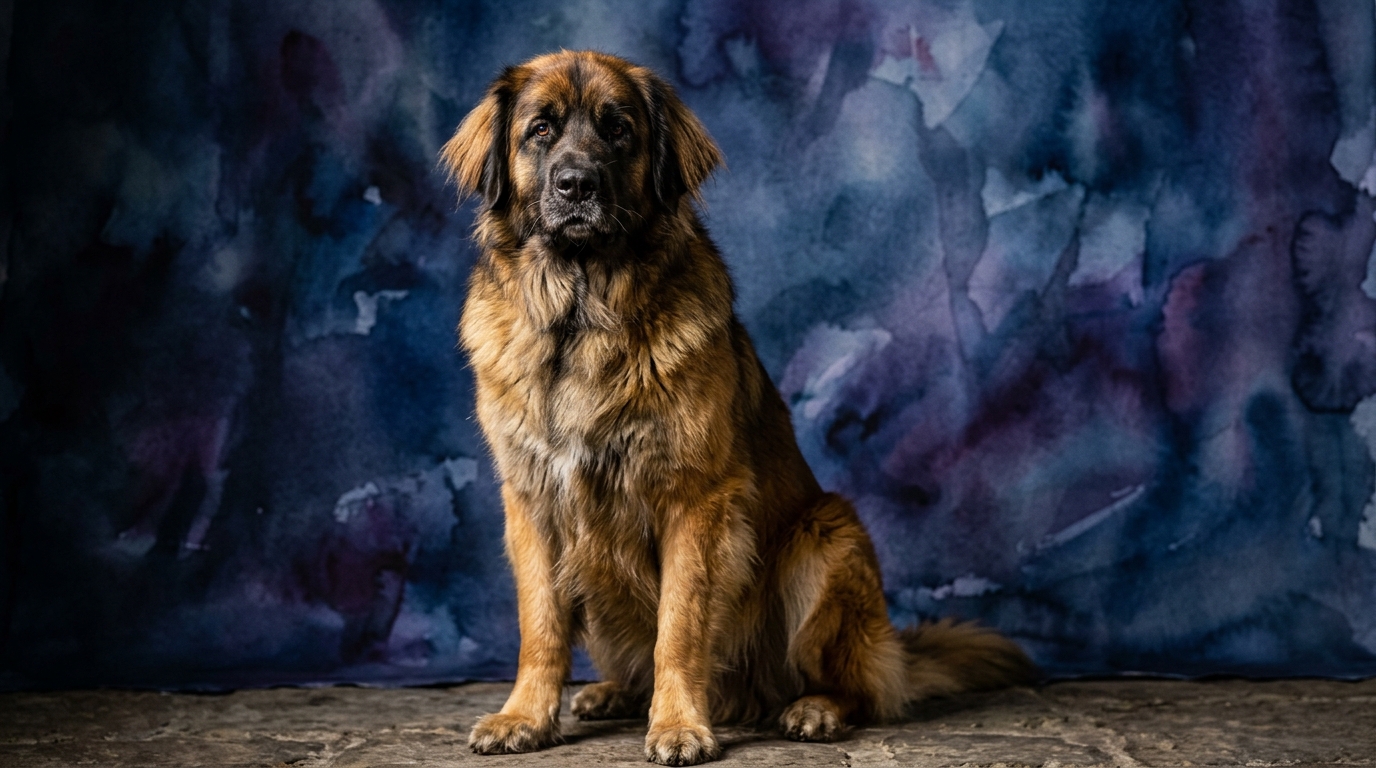
In contrast, the Leonberger, a gentle giant, presents a cognitive profile built for steady, reliable companionship and protective duties. Its problem Solving is rated at 3/5, suggesting a capable but perhaps more deliberate approach to novel challenges, often relying on learned patterns rather than spontaneous invention. A training Speed of 3/5 indicates they are certainly trainable, but may require more repetitions and patience compared to their herding counterparts. Their social Intelligence, also 3/5, means they are responsive to their family's needs but might not possess the same level of subtle interpretative skills as a herding dog. An Instinctive Drive of 3/5 points to a more balanced, less intense internal motivation, often expressed as a desire to be with their family. Their memory, likewise 3/5, ensures they remember important people, places, and commands, though perhaps not with the same granular detail or volume as a Sheltie.
Where the Shetland Sheepdog Excels Cognitively
The Shetland Sheepdog's cognitive strengths are deeply rooted in its herding lineage, manifesting in several distinct ways. Their exceptional training speed (5/5) means they can master an extensive repertoire of commands and intricate routines in a remarkably short time, making them stars in obedience and agility. This rapid acquisition of knowledge isn't just about rote memorization; it's bolstered by their superior memory (5/5), allowing them to recall complex sequences and apply them consistently, even after long breaks. Furthermore, their problem-solving ability (4/5) shines when faced with novel tasks requiring sequential actions or strategic thinking, such as navigating an agility course or figuring out how to retrieve a specific toy from a puzzle. This breed often exhibits a nuanced understanding of cause-and-effect, allowing them to adapt their behavior quickly based on outcomes. Their high social intelligence (4/5) translates into a keen awareness of human body language and vocal tone, enabling a highly synchronized partnership, almost as if they can anticipate your thoughts, which is invaluable in competitive dog sports and complex cooperative tasks.
The Sheltie's instinctive drive (5/5) also contributes significantly to their cognitive wins. While primarily a herding instinct, it translates into a strong work ethic and a desire for purpose. This drive can be channeled into various activities beyond herding, such as scent work, flyball, or advanced trick training, where their focus and determination are assets. They thrive on mental engagement and are often observed 'thinking' through situations, using their memory and problem-solving skills to achieve goals. Their quick reflexes and ability to process information rapidly in dynamic environments further highlight their cognitive superiority in tasks demanding speed, precision, and adaptable intelligence.
Where the Leonberger Shows Unique Cognitive Strengths
While the Leonberger's IQ scores may appear modest compared to the Sheltie's, their cognitive strengths are simply different, geared towards their role as a steadfast companion and protector rather than a high-speed worker. Their problem-solving (3/5) manifests as a more deliberate, thoughtful approach. Instead of rapid-fire solutions, a Leonberger might ponder a situation, exhibiting patience and persistence in figuring out how to open a gate or retrieve a dropped item. This isn't about speed, but about a steady resolve. Their social intelligence (3/5), while not as overtly demonstrative as a herding dog, is profound in its depth of family devotion and protective instincts. They are excellent at discerning who belongs and who doesn't, reading subtle shifts in human demeanor to assess potential threats, a critical component of their guarding role. This requires a different kind of social acumen – one of discernment and loyalty, rather than quick compliance.
The Leonberger's memory (3/5) is particularly strong for people and places, remembering specific individuals and routines over long periods. This contributes to their reliability as a family member and their ability to act as a guardian. Their instinctive drive (3/5) is less about intense, fast-paced action and more about a calm, watchful presence. This drive translates into a natural inclination to be near their family, observing and responding with measured composure, rather than frantic energy. They excel in tasks requiring strength, endurance, and a calm temperament, such as carting or therapeutic work, where their thoughtful nature and steady focus are invaluable. Their cognitive strengths are about depth of connection and reliable presence, not lightning-fast reactions.
Which is Easier to Train and Why?
Based on their respective IQ profiles, the Shetland Sheepdog is demonstrably easier to train for a wide range of tasks, particularly those involving complex commands and rapid responses. Their training speed of 5/5 means they grasp new concepts and cues with remarkable swiftness, often requiring fewer repetitions than many other breeds. This is coupled with their excellent memory (5/5), ensuring that once a command is learned, it is retained effectively. Shelties are typically eager to please, highly responsive to handler cues, and thrive on mental stimulation, making them highly motivated training partners. Their high social intelligence (4/5) allows them to pick up on subtle human signals, further streamlining the communication process during training sessions. They are often self-starters, attempting to figure out what is being asked of them, which accelerates learning.
The Leonberger, with a training speed and memory both rated at 3/5, certainly can be trained effectively, but requires a different approach and more patience. They are not as inherently driven by the sheer joy of learning new tricks or the rapid acquisition of commands. Leonbergers often respond best to positive reinforcement, consistency, and training methods that appeal to their desire for companionship and purpose. They can be more independent in their thinking, sometimes needing to understand the 'why' behind a command rather than simply complying. Their size also necessitates early and consistent training in manners and obedience, as an untrained adult Leonberger can be a handful. While they might take longer to master a new skill, once learned, it is typically reliable due to their steady nature and good memory for routines, though perhaps not as quickly or enthusiastically as a Sheltie.
Which Suits Active Owners vs. Relaxed Owners?
For active owners who thrive on engagement and relish the opportunity to participate in dog sports or advanced training, the Shetland Sheepdog is an ideal match. Their high instinctive drive (5/5), combined with exceptional problem-solving (4/5) and training speed (5/5), means they require significant mental and physical stimulation. Shelties excel in activities like agility, obedience trials, flyball, and herding, where their quick wits, boundless energy, and desire to work are fully utilized. An owner who can provide daily structured exercise, regular training sessions, and puzzle toys will find the Sheltie to be an incredibly rewarding and engaged companion. Without adequate outlets for their cognitive and physical energy, Shelties can become bored and potentially develop undesirable behaviors, making them unsuitable for truly relaxed or sedentary lifestyles.
Conversely, the Leonberger is better suited for owners who appreciate a more relaxed, yet still engaged, companionship. While they certainly need regular exercise to maintain their large physique and good health, their instinctive drive (3/5) is less intense than the Sheltie's. They are generally content with daily walks, playtime in a secure yard, and being an integral part of family life. Their cognitive strengths lean towards steadfastness and discernment rather than constant, rapid mental gymnastics. A relaxed owner who can provide consistent, calm guidance, ample space, and a loving home will find the Leonberger to be a devoted, gentle giant. They thrive on human connection and prefer to be near their family, making them excellent companions for those seeking a loyal presence without the demanding cognitive workload of a high-drive working breed.
The Verdict
Choose the Shetland Sheepdog if you seek an agile, highly trainable partner for dog sports, advanced obedience, and a deeply interactive cognitive experience.
Opt for the Leonberger if you desire a steady, devoted family guardian who offers a calm presence and thrives on companionship, requiring patient, consistent guidance.
🧠 Find Your Pet's IQ Score
Our Pet IQ Lab assessment covers 25+ tests across 5 cognitive dimensions — personalized to your breed.
Take the Full IQ Test →Frequently Asked Questions
Do Shetland Sheepdogs need a lot of mental stimulation?
Yes, Shetland Sheepdogs have a high problem-solving ability and strong instinctive drive, necessitating significant mental engagement. They thrive on puzzle toys, learning new tricks, and participating in dog sports to prevent boredom and channel their energy constructively.
Are Leonbergers good family dogs?
Absolutely, Leonbergers are renowned for their gentle nature and devotion to their families. Their social intelligence, while not geared for rapid task learning, is excellent for discerning family needs and providing a calm, protective presence, making them wonderful companions for children and other pets with proper socialization.
Which breed is better for first-time dog owners?
Neither breed is inherently 'easier' for first-time owners without understanding their specific needs. A Shetland Sheepdog requires a dedicated owner willing to commit to extensive training and mental stimulation, while a Leonberger needs an owner prepared for their large size, consistent training, and patient guidance, though their lower energy might be less overwhelming initially.