Side-by-Side IQ Profile
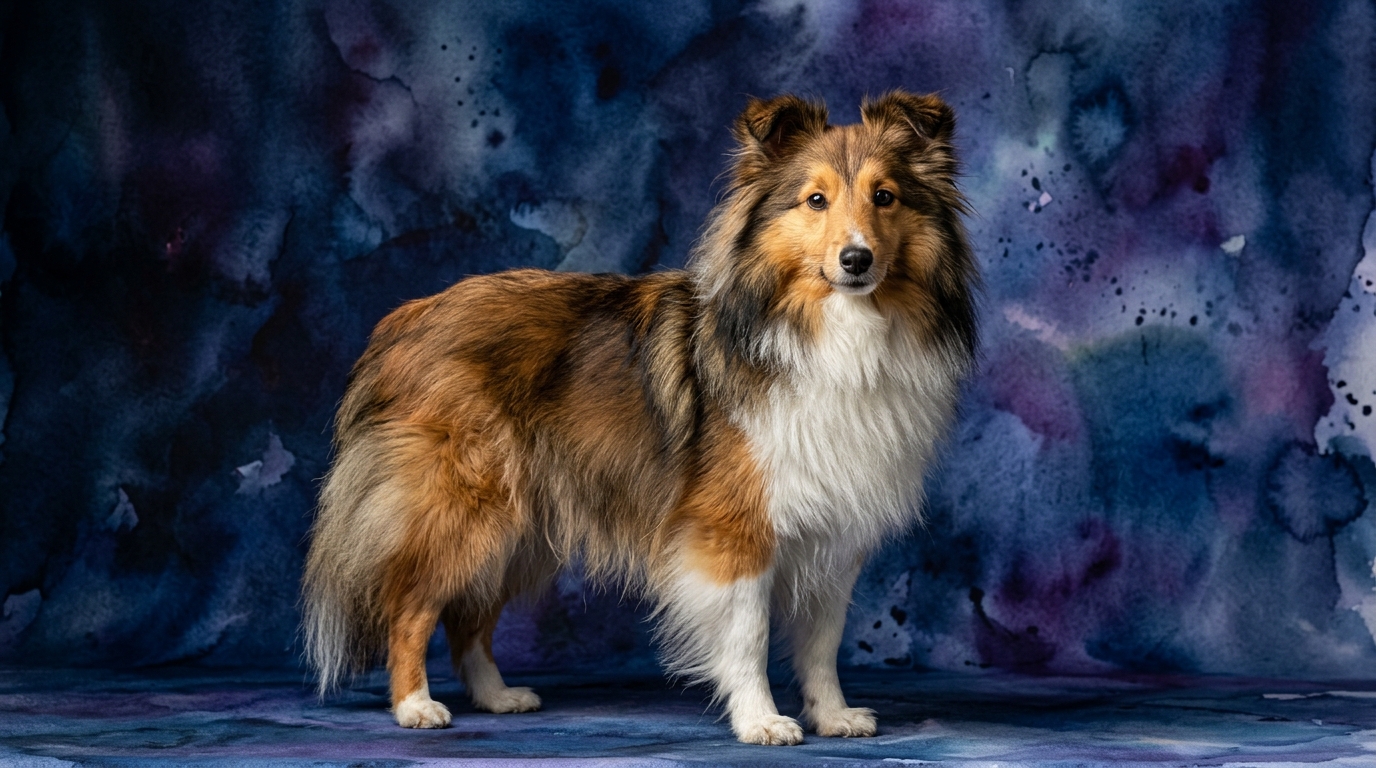
The Cosmic Pet Pet IQ Lab assesses canine cognition across five key dimensions, revealing unique strengths in each breed. For the Shetland Sheepdog, a Herding group dog with a Coren rank of #6, its profile highlights a balance of practical skills and strong innate drives.
**Shetland Sheepdog IQ:** Problem Solving 4/5, Training Speed 5/5, Social Intelligence 4/5, Instinctive Drive 5/5, Memory 5/5.
Shetland Sheepdogs exhibit strong practical problem-solving skills, particularly in contexts related to their original herding purpose, like strategizing movements and adapting to environmental cues. Their training speed is impressive, as they pick up new commands and routines with swiftness, driven by an eagerness to please and excellent focus. Social intelligence for Shelties is high, meaning they are highly attuned to human emotions and social structures, often anticipating owner intentions. Their instinctive drive to herd, chase, and control movement is profound, fueling engagement in tasks resonant with their genetic programming. Shelties also possess excellent long-term and short-term memory, recalling a vast repertoire of commands and experiences.
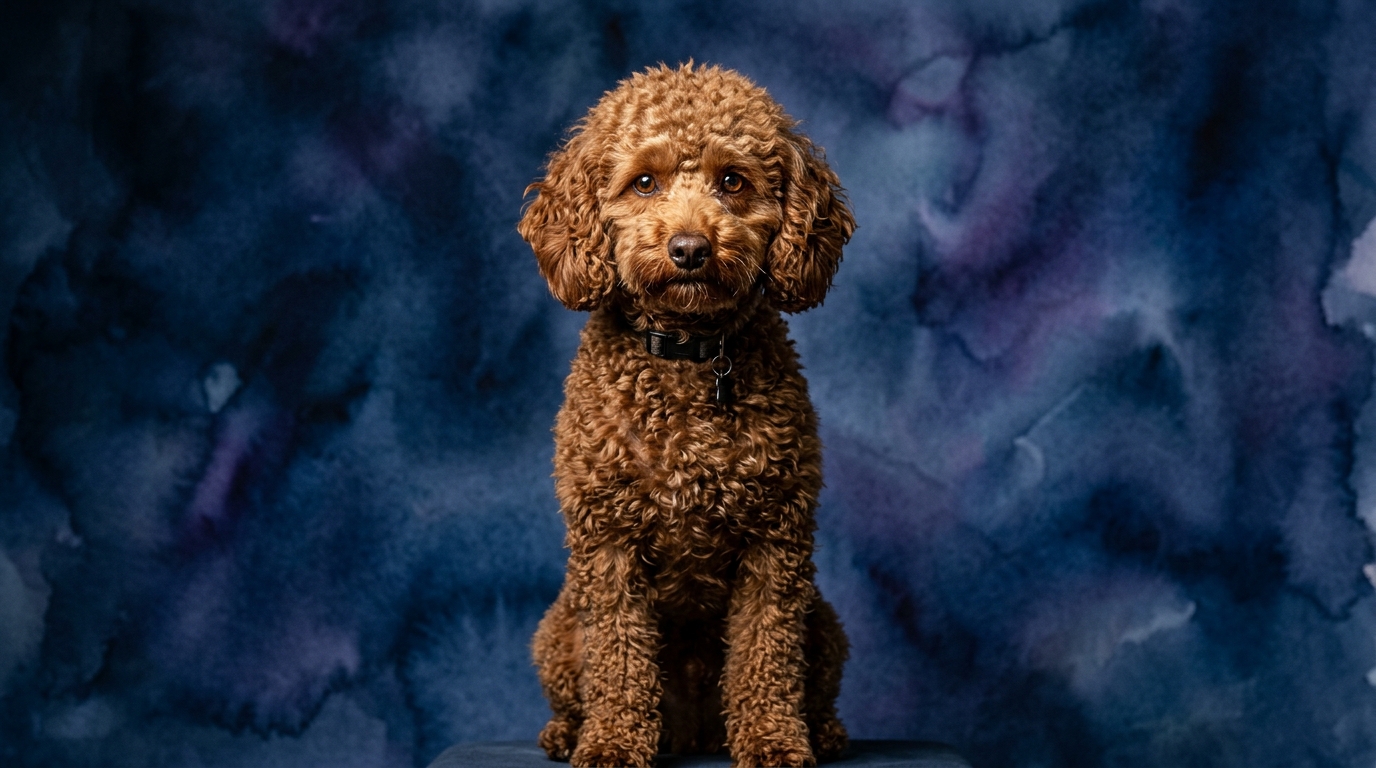
The Miniature Poodle, a Non-Sporting group dog with an impressive Coren rank of #2, presents a cognitive profile emphasizing intellectual agility and adaptability.
**Miniature Poodle IQ:** Problem Solving 5/5, Training Speed 5/5, Social Intelligence 3/5, Instinctive Drive 3/5, Memory 5/5.
Miniature Poodles excel at problem-solving, navigating novel situations and devising solutions independently with a capacity for abstract thought and ingenuity. Their training speed is equally exceptional; they are extraordinarily quick to learn new commands and procedures, absorbing instructions rapidly. Social intelligence for Miniature Poodles is moderate; while they form strong bonds, their interpretation of human social cues may be less nuanced, focusing on clear communication. Their instinctive drive is moderate and adaptable, less specialized than a herding dog's, making them versatile but less inherently driven for specific work. Miniature Poodles also exhibit exceptional memory capabilities, retaining a wide array of commands, tricks, and past experiences consistently over time.
Where Shetland Sheepdog Wins Cognitively
The Shetland Sheepdog's cognitive strengths shine particularly in areas driven by their ancestral purpose. Their Instinctive Drive, rated 5/5, gives them a profound advantage in tasks requiring focus, persistence, and a natural inclination towards control and movement. This isn't just about chasing; it’s about an innate motivation to organize and manage, making them unparalleled in activities like agility, rally, or even complex choreographed routines where precision and drive are paramount. They possess a deep internal engine for engagement that stems directly from their herding heritage, providing unwavering motivation for purposeful work.
Furthermore, the Sheltie's Social Intelligence, at 4/5, suggests a more nuanced understanding of human social dynamics compared to the Miniature Poodle's 3/5. This means a Sheltie is often more perceptive of subtle changes in an owner's mood or intentions, fostering a deeper, more intuitive partnership. They might anticipate needs or respond to unspoken cues more readily, making them highly sensitive and empathetic companions who thrive on collaborative interaction. This social perceptiveness enhances their responsiveness in teamwork-oriented activities, creating a strong bond of mutual understanding.
Where Miniature Poodle Wins Cognitively
The Miniature Poodle's cognitive superiority is most evident in their Problem Solving abilities, scoring a perfect 5/5 against the Sheltie's 4/5. This indicates an exceptional capacity for independent thought and ingenuity when faced with novel challenges. Miniature Poodles are adept at figuring things out for themselves, whether it's manipulating puzzle toys, opening latches, or devising new strategies to achieve a goal without direct human instruction. Their minds are geared towards analytical thinking and innovative solutions, making them excellent candidates for complex trick training, scent work, or any activity that demands abstract reasoning and self-directed learning.
This problem-solving edge means that while both breeds learn commands quickly, the Poodle is more likely to apply learned concepts to new, unfamiliar situations or even come up with entirely new behaviors to solve a problem. Their cognitive flexibility allows them to adapt and excel in environments where rote learning is insufficient, preferring to engage their intellect in dynamic and evolving challenges. They often seek out mental stimulation, thriving on opportunities to use their sharp minds creatively.
Which is Easier to Train and Why
Both the Shetland Sheepdog and the Miniature Poodle boast an impressive Training Speed of 5/5, indicating they both absorb new commands and behaviors with remarkable quickness. However, the *ease* of training can subtly differ based on their other cognitive profiles. The Sheltie's high Instinctive Drive (5/5) and strong Social Intelligence (4/5) mean they are often highly motivated by tasks that tap into their herding instincts and are deeply responsive to their handler's cues and desires. Training a Sheltie often feels like a highly collaborative effort, where their eagerness to work in partnership and their innate drive to perform make them exceptionally compliant and focused. They thrive on structured routines and purposeful activities, making them straightforward to guide through a curriculum.
Conversely, while the Miniature Poodle also learns commands rapidly, their superior Problem Solving (5/5) and slightly lower Social Intelligence (3/5) can mean they sometimes approach training with more independent thought. They might question a command, try to figure out a 'shortcut,' or become bored if tasks are too repetitive, seeking more mental engagement. Their training might require more creativity from the handler, incorporating novel challenges and encouraging their independent thinking to keep them engaged. While both are highly trainable, the Sheltie's training often benefits from tapping into their inherent drive and desire for partnership, while the Poodle's benefits from stimulating their innovative problem-solving mind.
Which Suits Active Owners vs. Relaxed Owners
For active owners seeking a canine partner with a strong work ethic and a desire for purpose, the Shetland Sheepdog is often an ideal match. Their 5/5 Instinctive Drive means they thrive on consistent engagement, whether it's through dog sports like agility, herding trials, or long, structured walks that provide mental and physical stimulation. They enjoy having a job to do and can become bored or anxious if their considerable energy and mental acuity are not adequately channeled. Owners who enjoy teaching complex sequences, participating in competitive activities, or who can provide a structured, engaging routine will find the Sheltie to be a deeply rewarding and tireless companion.
Conversely, while Miniature Poodles are certainly active and enjoy exercise, their moderate 3/5 Instinctive Drive and exceptional 5/5 Problem Solving make them more adaptable to a slightly wider range of owner lifestyles, including those who might be considered 'relaxed' but still mentally stimulating. A Miniature Poodle will enjoy walks and playtime, but they are equally content engaging their minds with puzzle toys, learning new tricks indoors, or simply observing and 'figuring things out' within their home environment. They don't have the same intense, unwavering drive for a 'job' as a Sheltie, making them suitable for owners who might prefer mental games and moderate physical activity over intense, continuous outdoor pursuits. They are content with varied stimulation, not necessarily constant strenuous activity.
The Verdict
Choose the Shetland Sheepdog if you're an active owner seeking a highly collaborative partner for dog sports, herding, or complex obedience, thriving on a strong instinctive drive and deep social connection.
Opt for the Miniature Poodle if you appreciate a dog with exceptional problem-solving skills and independent thought, suitable for varied activities from tricks to scent work, adaptable to both active and more mentally focused "relaxed" lifestyles.
🧠 Find Your Pet's IQ Score
Our Pet IQ Lab assessment covers 25+ tests across 5 cognitive dimensions — personalized to your breed.
Take the Full IQ Test →Frequently Asked Questions
Does Coren rank #2 vs #6 mean the Miniature Poodle is definitively “smarter” than the Shetland Sheepdog?
Coren's ranking primarily reflects 'working and obedience intelligence,' focusing on trainability and command following. While the Miniature Poodle ranks higher, this specific IQ lab data reveals distinct cognitive strengths in each breed, not a universal superiority. It highlights differences in *how* they process information and apply their abilities.
How does a Sheltie's herding instinct influence its daily life as a family pet?
A Sheltie's strong instinctive drive often translates into a desire to 'herd' family members, especially children or other pets, by nipping at heels or circling. This also means they are vigilant and observant, often acting as diligent guardians of their home and family, requiring appropriate outlets for their energy and mental focus.
Can a Miniature Poodle be a good choice for someone new to dog ownership?
Yes, a Miniature Poodle can be an excellent choice for new owners due to their high training speed and adaptable nature. Their problem-solving abilities mean they learn quickly, but new owners should be prepared to provide consistent mental stimulation to keep their inquisitive minds engaged and prevent boredom-related behaviors.