Side-by-Side Pet IQ Lab Profile
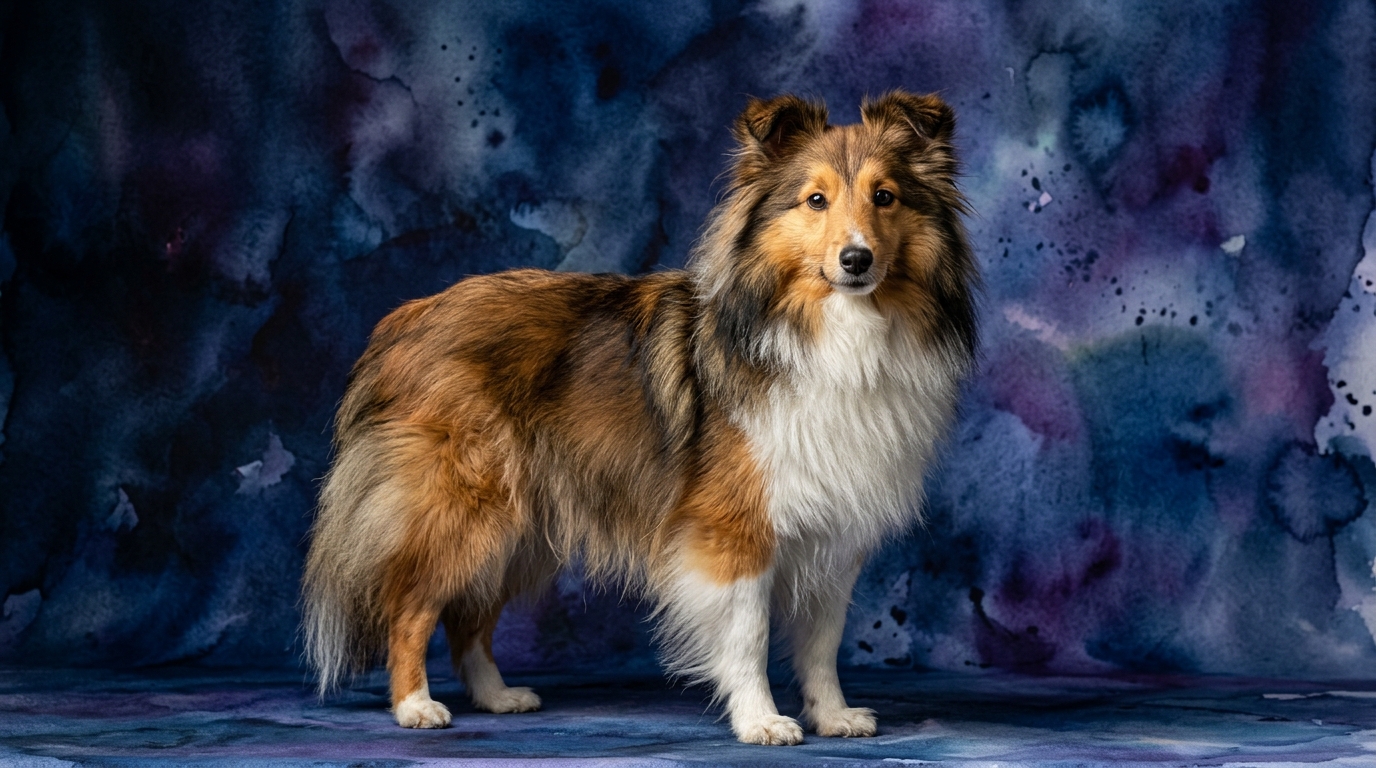
**Shetland Sheepdog:** Hailing from the Herding Group, the Shetland Sheepdog commands a Coren rank of #6, indicating a swift grasp of new commands and a strong working memory. Our IQ Lab assessment details its Problem Solving at 4/5, showcasing an ability to navigate complex situations and adapt strategies. Training Speed is exceptional at 5/5, reflecting its eagerness to learn and consistent performance. Social Intelligence also scores 4/5, suggesting a keen awareness of human cues and emotional states. Its Instinctive Drive is a robust 5/5, underscoring its deep-seated desire to work and respond to direction, while Memory stands at an outstanding 5/5, enabling it to retain learned behaviors and routines over extended periods.
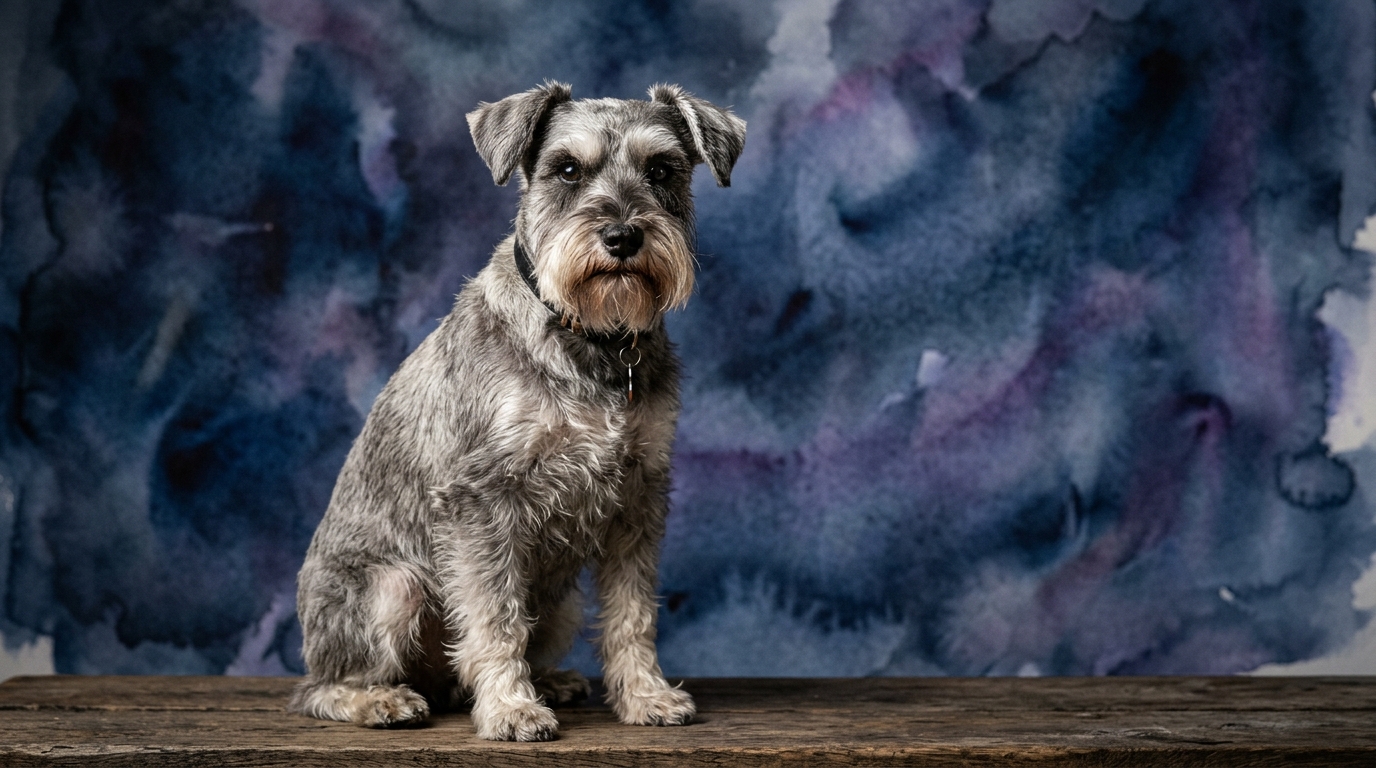
**Miniature Schnauzer:** Representing the Terrier Group, the Miniature Schnauzer holds a Coren rank of #12, placing it firmly among breeds that learn quickly and reliably. The Pet IQ Lab scores reveal a Problem Solving capacity of 4/5, indicating an aptitude for independent thought and overcoming obstacles, often in pursuit of a goal. Its Training Speed matches the Shetland Sheepdog at 5/5, demonstrating a readiness to absorb new instructions. Social Intelligence is rated 4/5, showing an ability to connect with humans and understand social dynamics. However, its Instinctive Drive is 4/5, a point lower than the Sheltie, reflecting a more independent spirit, and its Memory is 4/5, indicating solid retention but perhaps not the photographic recall seen in some herding breeds.
Where the Shetland Sheepdog Wins Cognitively
The Shetland Sheepdog's cognitive strengths distinctly emerge from its herding heritage. Its perfect 5/5 score in Instinctive Drive means it possesses a profound intrinsic motivation to engage in directed activities, making it highly responsive to tasks that simulate its original purpose, like agility or advanced obedience. This drive isn't merely about energy; it's a cognitive predisposition to seek and respond to guidance, interpreting human signals with remarkable precision and consistently striving for cooperation.
Furthermore, its 5/5 Memory score is a significant advantage. A Sheltie can recall intricate sequences of commands, remember specific locations of objects, or adhere to complex routines with impressive consistency. This superior memory allows for sophisticated layering of skills, where previous lessons build upon each other seamlessly, creating a highly capable and versatile working companion. For owners who enjoy teaching elaborate trick chains or participating in competitive dog sports requiring extensive recall and sequencing, the Sheltie's memory and drive provide a distinct cognitive edge.
Where the Miniature Schnauzer Wins Cognitively
While the Miniature Schnauzer's raw scores might not numerically surpass the Sheltie in every category, its particular blend of cognitive traits offers distinct advantages rooted in its terrier role. Its 4/5 Problem Solving score, identical to the Sheltie, manifests differently; it often involves independent, tenacious reasoning to overcome physical or mental barriers, particularly when motivated by curiosity or a perceived "prey." Where a Sheltie might look to its handler for the next step, a Schnauzer is more likely to devise its own solution to a puzzle, such as figuring out how to open a cabinet or retrieve a toy from a tight spot.
Its 4/5 Instinctive Drive, while lower than the Sheltie's, speaks to a robust self-sufficiency and a less overtly cooperative nature, which can be an asset for owners seeking a dog with a strong sense of self and an independent streak. This independent problem-solving and tenacity make them particularly adept at tasks requiring cleverness and resilience rather than strict adherence to instruction, such as navigating complex scent games or engaging in "find it" activities where they must rely on their own wits and determination.
Which is Easier to Train and Why
Based on the Pet IQ Lab data, both breeds achieve an excellent Training Speed of 5/5, suggesting they both absorb new commands rapidly. However, the *ease* of training in a practical, day-to-day context often hinges on more than just speed; it involves consistency, motivation, and compliance. Here, the Shetland Sheepdog generally presents an easier training experience due to its higher Instinctive Drive (5/5) and superior Memory (5/5). The Sheltie’s deep-seated desire to cooperate and its innate understanding of hierarchy within a "flock" (its human family) makes it intrinsically motivated to please and follow directions.
Its excellent memory ensures that once a behavior is learned, it is retained and performed reliably. For instance, a Sheltie is less likely to "forget" a recall command in a distracting environment. In contrast, while the Miniature Schnauzer also learns quickly, its 4/5 Instinctive Drive and 4/5 Memory, coupled with its terrier independence, can sometimes translate to a "what's in it for me?" attitude. They might understand a command perfectly but choose to execute it only if sufficiently motivated or if it aligns with their current interest. This means a Schnauzer might require more consistent, varied reinforcement and a handler with a strong, engaging presence to maintain their focus, especially when distractions are present.
Active Owners vs. Relaxed Owners
For owners leading an active lifestyle that includes structured activities and consistent mental engagement, the Shetland Sheepdog is often the ideal match. Its 5/5 Instinctive Drive means it thrives on having a job to do, whether it's herding, agility, advanced obedience, or even just complex puzzle toys that simulate problem-solving. A Sheltie needs regular opportunities to utilize its keen mind and physical energy; without sufficient outlets, their herding instincts can manifest in undesirable ways, such as nipping at heels or excessive barking. They are excellent partners for long hikes, competitive sports, and ongoing learning.
The Miniature Schnauzer, while also an energetic breed, can suit a broader range of owners, including those with a slightly more relaxed approach to structured activity, provided their mental needs are met differently. Its terrier background means it enjoys bursts of activity, like vigorous play sessions in the yard or brisk walks, but may not demand the same sustained, directed mental work as a Sheltie. Their independent problem-solving (4/5) and curiosity mean they appreciate varied environments and opportunities for exploration and scent work, which can be less physically demanding than intense sports. A Schnauzer can be content with a good daily walk, interactive toys, and short, engaging training sessions, making them adaptable companions for active families who also enjoy quiet evenings.
The Verdict
Choose a Shetland Sheepdog if you seek a highly cooperative, deeply motivated companion eager to engage in complex training, competitive dog sports, or structured tasks, thriving on consistent mental and physical challenges.
Opt for a Miniature Schnauzer if you prefer a clever, tenacious companion with an independent streak, who enjoys solving problems on their own and appreciates varied, engaging activities without necessarily demanding constant, highly structured work.
🧠 Find Your Pet's IQ Score
Our Pet IQ Lab assessment covers 25+ tests across 5 cognitive dimensions — personalized to your breed.
Take the Full IQ Test →Frequently Asked Questions
Do Shetland Sheepdogs and Miniature Schnauzers have similar social intelligence?
Yes, both breeds score 4/5 in Social Intelligence according to our Pet IQ Lab, indicating a comparable ability to understand human cues, connect with their families, and navigate social situations effectively. While their expressions of this intelligence may differ due to their inherent drives, both are generally adept at forming strong bonds.
Which breed is better for first-time dog owners regarding cognitive demands?
The Shetland Sheepdog, with its higher Instinctive Drive and Memory, might be slightly easier for a first-time owner willing to dedicate time to consistent, positive training, as they are often more eager to please and follow direction. The Miniature Schnauzer's independence requires a confident owner who can provide consistent leadership and creative mental stimulation.
How do their problem-solving abilities compare in practical situations?
Both score 4/5 in problem-solving. A Sheltie might excel at figuring out how to complete a multi-step obedience sequence or navigate an agility course efficiently, often looking to its handler for guidance. A Schnauzer, with its terrier drive, might independently devise a way to get to a hidden treat or outsmart a puzzle toy, relying more on its own initiative and tenacity.