Side-by-Side Cognitive Profiles
The Cosmic Pet Pet IQ Lab provides a unique lens through which to examine the distinct mental frameworks of these two breeds, revealing how their historical roles have sculpted their cognitive strengths.
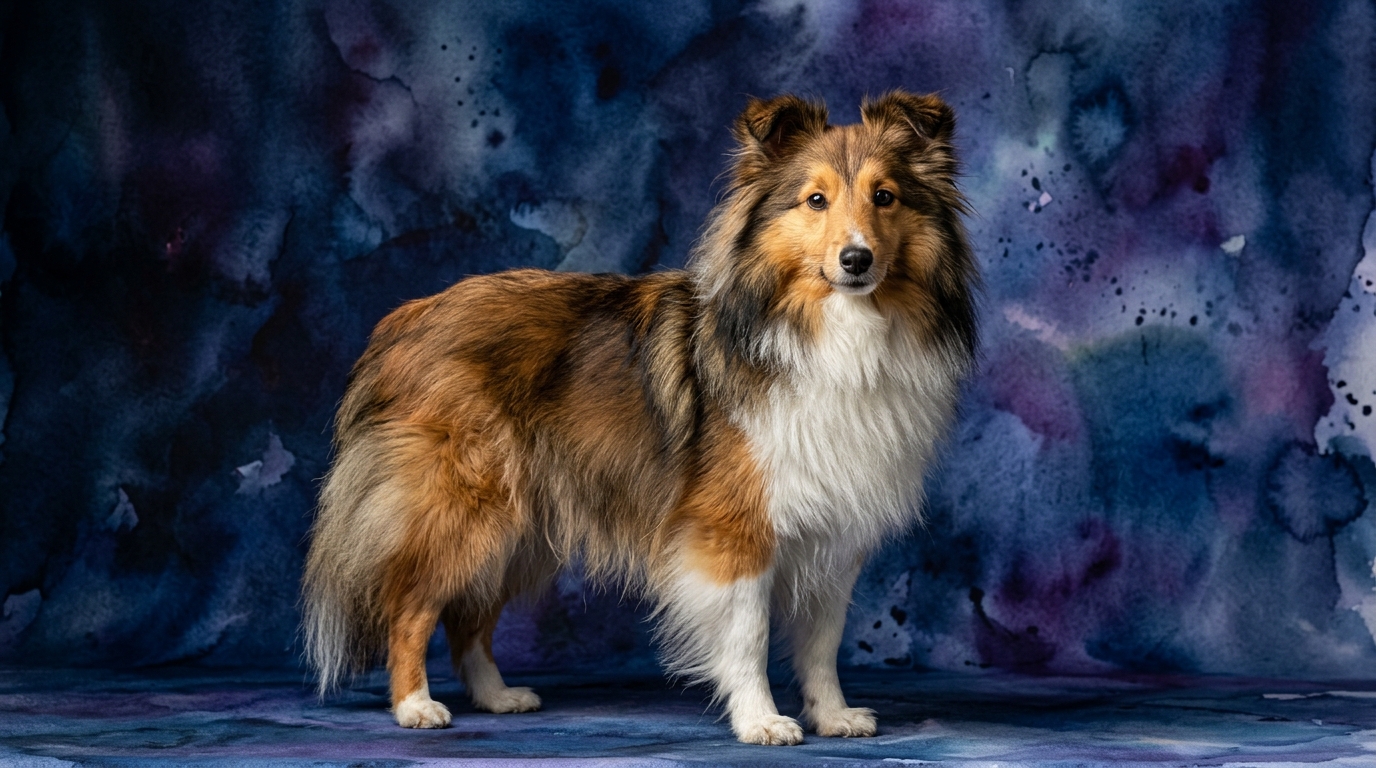
**Shetland Sheepdog (Herding Group, Coren Rank #6)**: This breed’s mental agility is evident across several dimensions. Their **Problem Solving (4/5)** capacity allows them to quickly analyze novel situations and devise solutions, whether it's navigating complex agility courses or strategically maneuvering a flock. Their **Training Speed (5/5)** is exceptional, absorbing new commands and routines with remarkable alacrity, often grasping concepts in just a few repetitions due to their eagerness to please and inherent focus. **Social Intelligence (4/5)** in Shelties means they are adept at interpreting human cues and emotional states, responding with appropriate, empathetic behaviors. Their **Instinctive Drive (5/5)**, rooted in their herding heritage, manifests as a powerful, innate urge to gather and control, translating into focused attention and persistent effort when a task is presented. Finally, their **Memory (5/5)** is robust, allowing them to recall training with minimal refreshers and retain complex sequences of actions and spatial information over time.
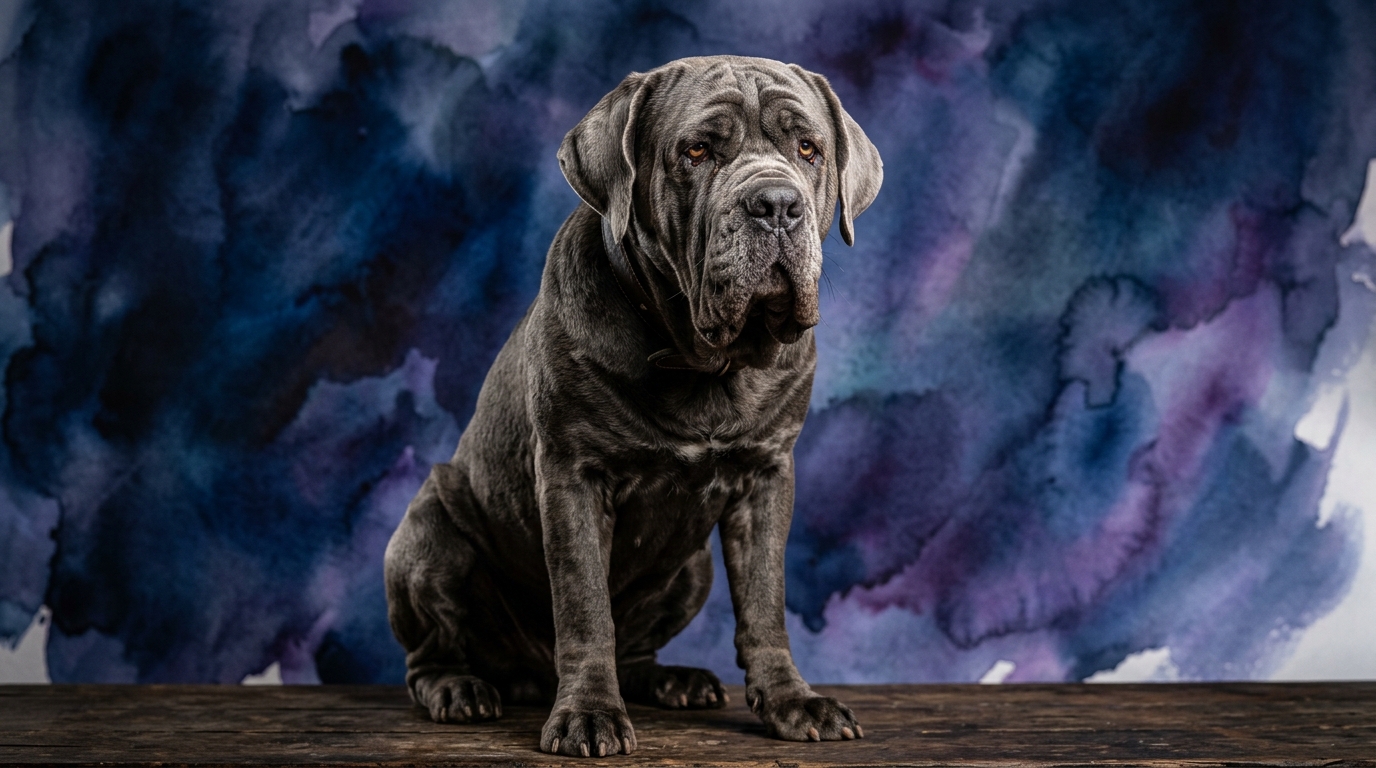
**Neapolitan Mastiff (Working Group, Not Coren-Ranked)**: The Neapolitan Mastiff presents a different cognitive landscape, shaped by centuries of guarding. Their approach to **Problem Solving (3/5)** is more deliberate and methodical; while not as quick to innovate, they assess situations calmly and arrive at practical solutions, especially those related to their protective duties. **Training Speed (3/5)** for a Neapolitan Mastiff is a process requiring patience and consistent reinforcement; they learn commands, but typically need more repetitions and clear motivation to solidify new behaviors. Their **Social Intelligence (3/5)** is characterized by a reserved yet discerning awareness, observing and understanding the emotional landscape of their immediate family with a deep, quiet loyalty. The Neapolitan Mastiff’s **Instinctive Drive (3/5)** is primarily for guarding and protection, manifesting as a watchful, calm presence rather than high energy, driving them to observe and react with measured caution. Their **Memory (3/5)** is solid for important people, places, and established routines, effectively retaining core training and significant experiences that serve their role as a steadfast companion and protector.
Where the Shetland Sheepdog Excels Cognitively
The Sheltie's cognitive architecture is particularly well-suited for tasks demanding rapid processing and fine-tuned control. Their superior training speed and memory mean they can master a vast repertoire of commands and perform complex sequences with remarkable fluidity, making them stars in competitive obedience and dog sports. In problem-solving, their quick analytical skills allow them to adapt to changing variables, making them adept at tasks demanding agility and strategic thinking, such as navigating intricate courses or solving interactive puzzles. Their strong instinctive drive, channeled through human guidance, fuels a persistent engagement with mental challenges, allowing them to excel in activities where sustained focus and quick reactions are crucial. This breed's talent for interpreting subtle cues, coupled with their inherent desire to cooperate, positions them as exceptional partners in any activity requiring precise communication and execution.
Where the Neapolitan Mastiff Excels Cognitively
While not celebrated for speed, the Neapolitan Mastiff's cognitive strengths lie in deliberate assessment and unwavering commitment to their core purpose: guardianship. Their problem-solving, though slower, is often geared towards effective, low-energy solutions that maintain their watchful presence, rather than frantic innovation. In guarding situations, their lower instinctive drive score doesn't imply a lack of protective instinct, but rather a measured, thoughtful application of it—they observe, evaluate, and act with gravitas rather than impulsive reaction, prioritizing calm control. Their social intelligence, while reserved, contributes to a profound loyalty and a subtle understanding of their family's needs for security, often positioning themselves strategically to observe their environment. This breed's memory, though perhaps not for vast command sets, is robust for recognizing friend from foe and maintaining a consistent, protective routine, which is paramount in their historical role. Their cognitive profile supports a calm, discerning guardian, capable of independent judgment in critical moments without constant human intervention.
Training: Ease and Behavioral Differences
The Shetland Sheepdog presents a significantly easier and more rewarding training experience due to their exceptional training speed and eager-to-please temperament. Their high social intelligence means they are acutely tuned into human directives and body language, allowing for nuanced communication during training sessions, often anticipating the next command. Furthermore, their powerful instinctive drive, originally for herding, translates into a strong work ethic and a desire for purpose, making them highly motivated to learn and execute tasks with precision and enthusiasm.
Conversely, the Neapolitan Mastiff, with a moderate training speed and a more independent nature, requires a more patient, consistent, and reward-based approach. Their problem-solving leans towards self-reliance, meaning they might question the necessity or logic of a command rather than immediately comply, especially if it seems trivial. Their instinctive drive for guarding doesn't inherently translate into a desire for varied, complex obedience tasks for their own sake. Training a Neo demands clear, fair communication, strong motivation often food-based, and a deep understanding of their deliberate pace and thoughtful consideration to encourage willing participation and lasting retention.
Lifestyle Suitability: Active vs. Relaxed Owners
The Shetland Sheepdog is an ideal companion for active owners who relish engaging in dog sports, extended outdoor adventures, or consistent mental stimulation. Their high instinctive drive and cognitive agility mean they thrive on having a job, whether it’s herding, agility, flyball, or advanced obedience, and they excel when challenged. Owners who enjoy teaching new tricks and participating in structured activities will find the Sheltie a highly rewarding and energetic partner, requiring daily mental and physical exercise to prevent boredom and channel their abundant energy productively.
In contrast, the Neapolitan Mastiff is better suited for relaxed owners seeking a calm, steadfast presence rather than an athletic partner. While they require regular, moderate exercise for health, their cognitive profile points to a preference for a more laid-back lifestyle, often content with observing their surroundings. Their deliberate nature and lower overall drive align with owners who appreciate a quiet, watchful companion content with a routine of comfortable companionship and territorial oversight, rather than constant high-intensity engagement. They are guardians first, thriving on a sense of security and a predictable environment.
The Verdict
Choose the Shetland Sheepdog if you're an active individual or family seeking a highly trainable, cognitively agile partner eager for complex tasks and consistent engagement in sports or advanced obedience.
Opt for the Neapolitan Mastiff if you desire a calm, reserved, and deeply loyal guardian who offers a steadfast presence and requires a patient approach to training, thriving in a more relaxed, routine-oriented home.
🧠 Find Your Pet's IQ Score
Our Pet IQ Lab assessment covers 25+ tests across 5 cognitive dimensions — personalized to your breed.
Take the Full IQ Test →Frequently Asked Questions
Do Shetland Sheepdogs require a lot of mental stimulation?
Yes, Shelties possess high problem-solving abilities and a strong instinctive drive, meaning they absolutely thrive on consistent mental challenges. Without adequate engagement, they can become bored and potentially develop undesirable behaviors like excessive barking or compulsive herding of family members.
Is the Neapolitan Mastiff difficult to train for basic obedience?
While not 'difficult,' training a Neapolitan Mastiff requires more patience and consistency than many breeds due to their moderate training speed and independent nature. They respond best to positive reinforcement, clear commands, and understanding that their motivation often comes from a desire for security and a calm routine.
How do their social intelligences differ in a family setting?
A Sheltie's social intelligence often manifests as an eager desire to interact and anticipate family needs, showing clear responsiveness to emotional cues and seeking involvement. A Neapolitan Mastiff, while deeply bonded, expresses social intelligence through a more reserved, watchful loyalty, understanding family dynamics without necessarily seeking constant interaction or overt displays of affection.