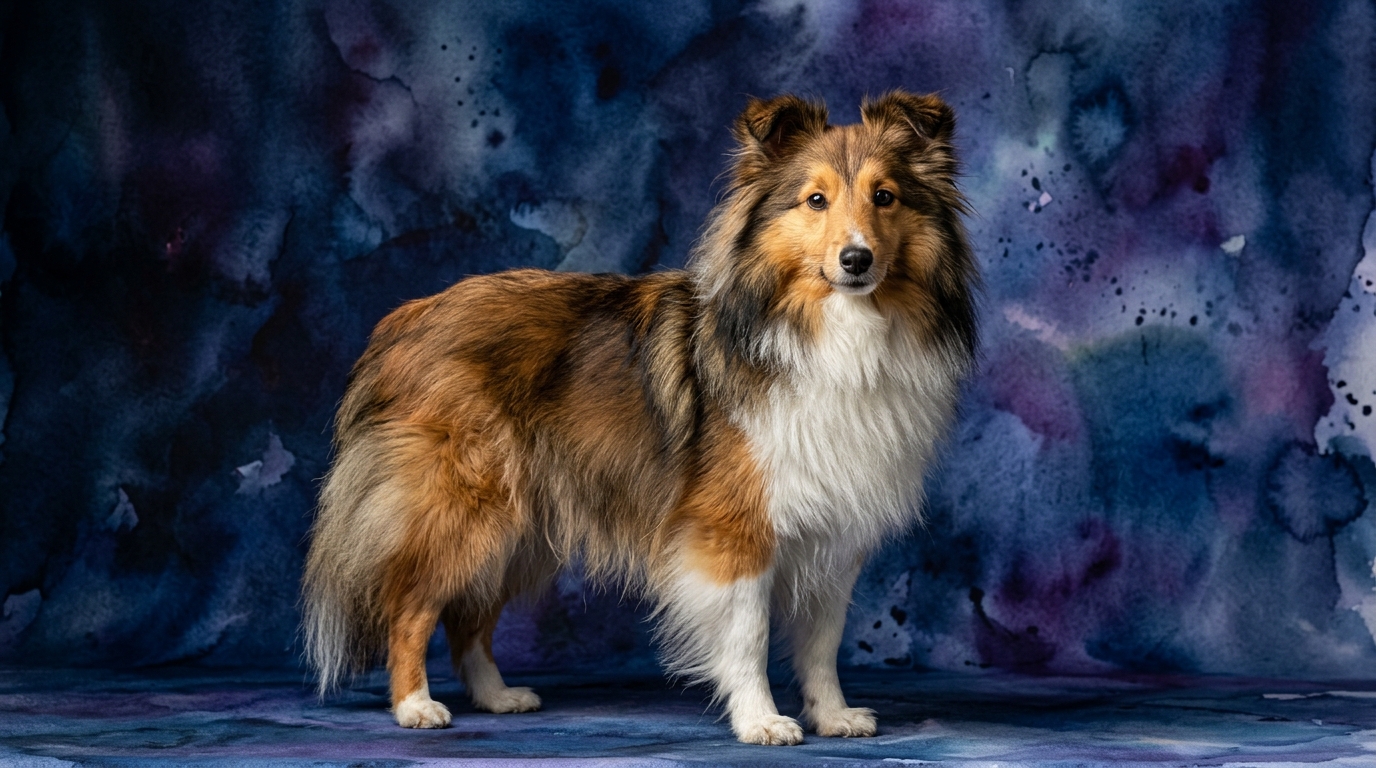

Side-by-Side IQ Profile: Sheltie vs. Norfolk Terrier
The Cosmic Pet Pet IQ Lab provides a structured framework for understanding canine cognitive abilities across five key dimensions. For the Shetland Sheepdog, a breed renowned for its herding prowess and Coren rank #6, these metrics paint a picture of a highly adaptable and cooperative thinker. Their Problem Solving, rated 4/5, means they approach challenges with thoughtful consideration, often devising multi-step solutions. A perfect 5/5 in Training Speed highlights their exceptional ability to grasp new concepts quickly, making them highly receptive students. Social Intelligence at 4/5 indicates a nuanced understanding of their environment and companions, allowing for seamless interaction. Their Instinctive Drive, also 5/5, fuels a deep desire for purpose and activity, often manifesting in herding or similar tasks. Finally, a 5/5 in Memory ensures they retain learned behaviors and experiences with remarkable fidelity, building a vast repertoire of knowledge.
In contrast, the Norfolk Terrier, a robust member of the Terrier group and not Coren-ranked, presents a different cognitive profile, reflecting its independent and tenacious heritage. This breed registers a 3/5 in Problem Solving, suggesting a practical, goal-oriented approach, particularly in independent pursuits rather than complex, cooperative tasks. Their Training Speed of 3/5 points to a moderate learning pace that benefits from consistent and engaging methods, requiring patience to overcome their independent streak. Social Intelligence, at 3/5, reflects their ability to form strong bonds and navigate familiar social contexts effectively, though perhaps with less emphasis on intricate cooperative understanding. An Instinctive Drive of 3/5 signifies a tenacious spirit, rooted in their terrier heritage for digging, hunting, and exploration. Their Memory, also 3/5, is functional for recalling routines and important environmental cues, sufficient for their less complex, self-directed daily life.
Where the Shetland Sheepdog Wins Cognitively
The Shetland Sheepdog's cognitive architecture, honed over generations for collaborative herding, provides a distinct advantage in several intellectual domains, as evidenced by their impressive IQ scores. With a Problem Solving score of 4/5, Shelties excel at deciphering multi-step tasks, often demonstrating remarkable foresight in their actions, such as anticipating a flock's movement or navigating an intricate agility course with precision. This capacity for strategic thought means they don't just react but plan, making them adept at adapting to dynamic environments and learning complex sequences of behaviors.
Their perfect 5/5 in Training Speed, coupled with a 5/5 in Memory, forms a powerful synergy. Shelties absorb new commands and routines with astonishing rapidity, often understanding a new cue after just a few repetitions, and retain this information over long periods, allowing them to build an extensive vocabulary of commands and tricks. This exceptional retention facilitates advanced training in disciplines like competitive obedience, scent work, and intricate trick training, where a vast repertoire of precise actions is required. Furthermore, their 4/5 Social Intelligence enables them to interpret subtle human body language and vocal tones, fostering a deep, almost intuitive working relationship. This ability to read their handler and anticipate needs is crucial for effective herding and translates into a highly responsive and deeply connected companion, capable of complex, dynamic interactions.
Where the Norfolk Terrier Wins Cognitively
While the Norfolk Terrier's IQ scores may appear lower across the board compared to the Shetland Sheepdog, their cognitive strengths are deeply rooted in their specialized terrier nature, reflecting a different evolutionary purpose. Their Problem Solving at 3/5 shines brightest in situations demanding independent initiative and tenacity, particularly when tracking or pursuing small prey. They are adept at finding creative, often persistent, ways to achieve a goal, like figuring out how to get to an interesting scent or navigating a tricky patch of undergrowth, showcasing a practical, real-world problem-solving rooted in their instinctive drive rather than cooperative tasks.
Their Instinctive Drive, also 3/5, is a powerful engine for self-directed exploration and independent action. This drive fosters a resilience and single-minded focus that allows them to overcome obstacles that might deter a less driven breed, making them incredibly determined in their pursuits. This isn't about collaborative intelligence, but rather a robust individual drive that champions persistence. Their Social Intelligence (3/5) is perfectly adequate for forming strong, affectionate bonds within their chosen family and navigating their immediate social circle effectively, even if they don't possess the same nuanced understanding for complex, cooperative work. The Norfolk Terrier's cognitive "wins" are therefore found in their robust independence, their focused determination, and their ability to operate effectively without constant human direction, making them self-reliant and spirited companions perfectly suited for their original earthdog roles.
Training Ease: A Tale of Two Temperaments
The ease of training presents a stark contrast between these two breeds, with the Shetland Sheepdog exhibiting a clear advantage. The Sheltie’s Training Speed of 5/5 is exceptional; they absorb new commands and behaviors with astonishing rapidity, often understanding a new cue after just a few repetitions. This remarkable receptiveness is largely due to their profound desire to please their handler, their ingrained cooperative spirit as a herding breed, and their eagerness for mental engagement. They thrive on structure and view training as a collaborative puzzle, making them highly rewarding to instruct and capable of mastering a vast array of tasks and tricks with enthusiasm.
Conversely, the Norfolk Terrier, with a Training Speed of 3/5, presents more of a challenge. Their inherent terrier independence means they are less inclined to follow commands purely for the sake of pleasing; they need to be convinced that the task is worthwhile, engaging, or sufficiently rewarding. Their strong instinctive drive can also make them easily distracted by environmental stimuli, requiring a trainer to be exceptionally consistent, patient, and creative with motivation. While Norfolk Terriers are certainly capable of learning, achieving reliable results often demands a more persistent, game-based, and highly rewarding approach to training. A Sheltie will typically master a broad range of commands and advanced tasks much faster and with greater enthusiasm, whereas a Norfolk Terrier requires a more tailored strategy to engage their spirited, self-directed nature.
Lifestyle Match: Active Engagement vs. Spirited Independence
The activity levels and cognitive engagement required by these breeds also present a clear distinction for potential owners. The Shetland Sheepdog, with its 5/5 Instinctive Drive and 4/5 Social Intelligence, is ideally suited for active owners who relish engaging their dog in various mentally and physically stimulating activities. They thrive on structured tasks like obedience, agility, herding trials, or even long, varied walks that offer opportunities for exploration and problem-solving. Their need for regular, intricate mental work, beyond just physical exercise, means they are not content to simply lounge about. A Sheltie will actively seek engagement and can become bored or anxious if their cognitive needs are neglected, potentially leading to undesirable behaviors such as excessive barking or destructive chewing.
In contrast, the Norfolk Terrier, while certainly spirited and enjoying activity, is more adaptable to a slightly less demanding owner profile. Their 3/5 Instinctive Drive translates to a dog that enjoys regular walks and playtime but doesn't necessarily require constant, intricate mental challenges to the same degree as a Sheltie. While they appreciate interaction and benefit from consistent training, they are also more content with periods of independent exploration or napping, especially after a good romp. This makes them suitable for owners who enjoy activity but also value periods of calm relaxation without a dog constantly seeking a 'job.' They are tenacious in their chosen pursuits but do not possess the same inherent drive for continuous, cooperative mental tasks, allowing for a more flexible daily routine.
The Verdict
Select a Shetland Sheepdog if you are an engaged, active owner eager for a highly trainable partner in advanced obedience, dog sports, or complex tasks, valuing their exceptional cognitive capacity for learning and deep social connection.
Opt for a Norfolk Terrier if you appreciate a spirited, independent companion who thrives on exploration and tenacious pursuit of their interests, offering loyalty without demanding constant, intensive structured mental work.
🧠 Find Your Pet's IQ Score
Our Pet IQ Lab assessment covers 25+ tests across 5 cognitive dimensions — personalized to your breed.
Take the Full IQ Test →Frequently Asked Questions
Are Shetland Sheepdogs good for first-time dog owners?
Shetland Sheepdogs can be excellent for first-time owners who are committed to providing consistent training and mental stimulation. Their high trainability and eagerness to please make them responsive students, but their intelligence means they require engagement to prevent boredom and ensure a well-adjusted companion.
Do Norfolk Terriers bark a lot?
Norfolk Terriers can be prone to barking, particularly when they detect something new or interesting in their environment, a trait linked to their alerting instincts. Consistent training from a young age can help manage this tendency, but their vocal nature is often part of their spirited terrier charm.
What kind of mental stimulation do Shetland Sheepdogs need?
Shetland Sheepdogs require diverse mental stimulation, including puzzle toys, learning new tricks, advanced obedience training, and engaging in dog sports like agility or herding. Their keen minds thrive on challenges that tap into their problem-solving and memory abilities, preventing boredom and fostering a happy demeanor.
Is a Norfolk Terrier a good family dog?
Yes, Norfolk Terriers can be wonderful family dogs, known for being affectionate and playful with their loved ones. They generally get along well with respectful children and other pets, though their independent spirit means early socialization is key to harmonious multi-pet households.
How much exercise does a Shetland Sheepdog need daily?
Shetland Sheepdogs require a good amount of daily exercise, typically 60-90 minutes, which should include vigorous play, brisk walks, or runs. Crucially, this exercise should also incorporate mental challenges to satisfy their active minds and strong instinctive drive, preventing restlessness.
Can Norfolk Terriers live in apartments?
Yes, Norfolk Terriers can adapt well to apartment living provided they receive adequate daily exercise and mental engagement. Their smaller size is suitable for compact spaces, but owners must ensure they have opportunities for outdoor exploration and play to satisfy their instinctive drive and prevent boredom.