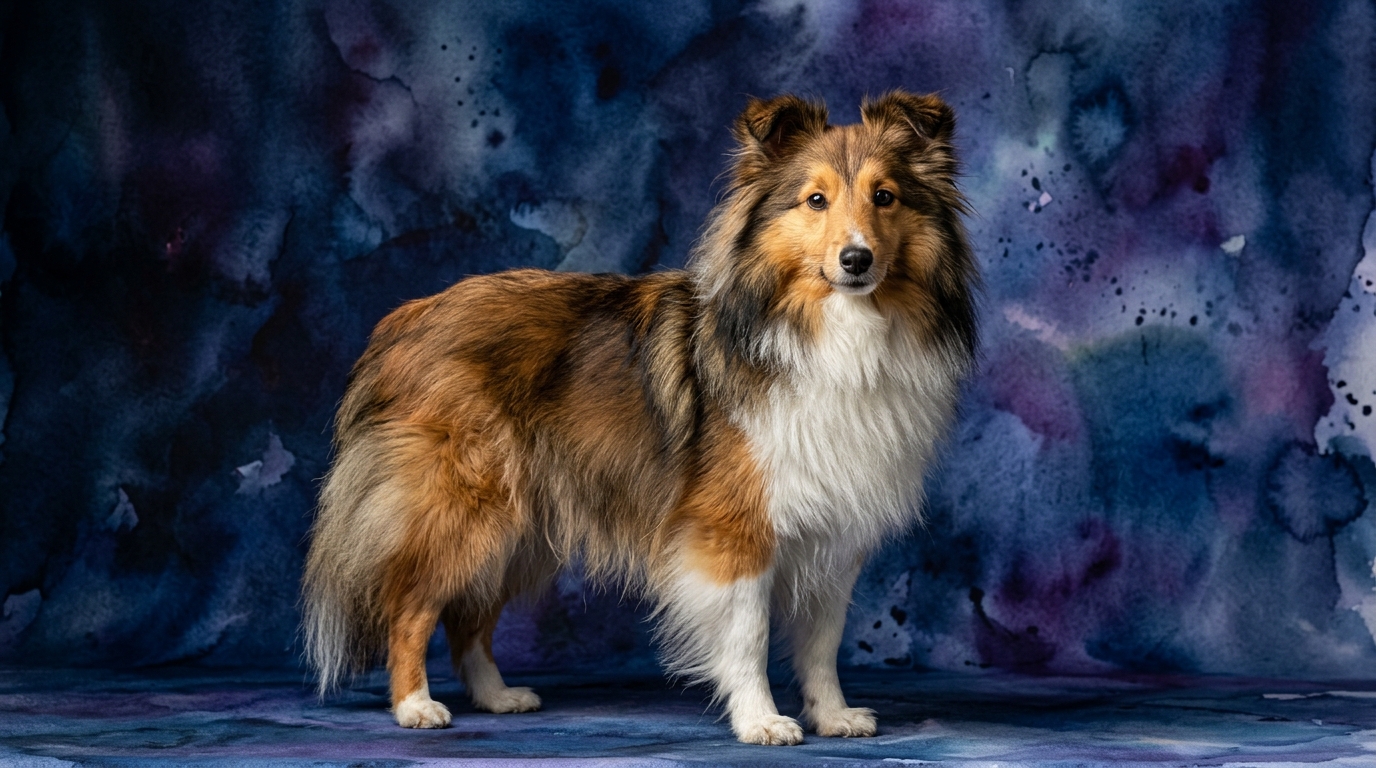
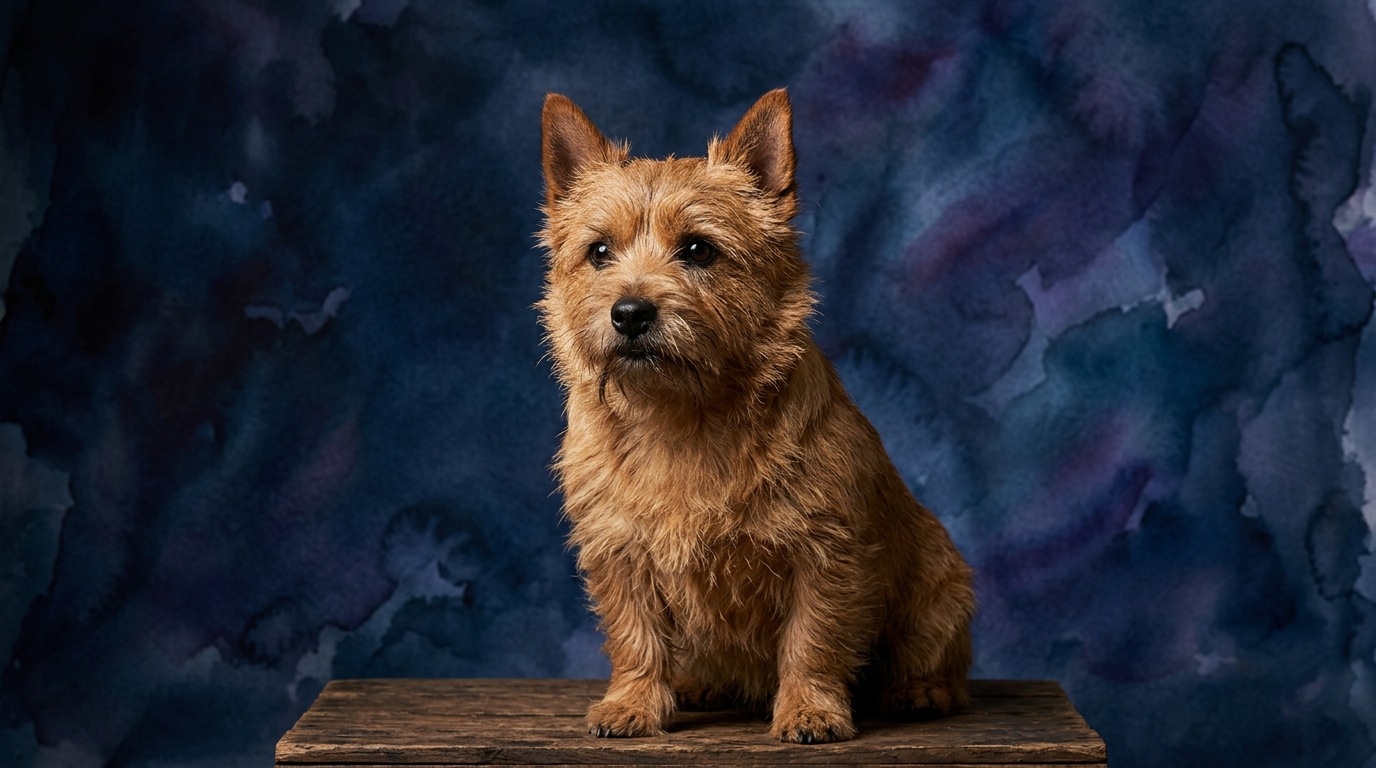
Side-by-Side IQ Profile: Unpacking Cognitive Dimensions
The Shetland Sheepdog earns a solid 4/5 in problem-solving, reflecting its heritage as a quick-thinking herder capable of independent decision-making in complex situations. This breed often exhibits ingenuity when faced with puzzles or novel challenges, readily adapting strategies. In contrast, the Norwich Terrier scores 3/5, indicating a respectable but less consistently innovative approach to problem-solving, often relying more on tenacity and instinct rather than strategic planning to overcome obstacles.
Here, the Shetland Sheepdog truly shines with a perfect 5/5, demonstrating an exceptional eagerness to learn and rapidly grasp new commands and routines. Their innate desire to cooperate with their human companions, combined with sharp perception, makes them remarkably swift pupils. The Norwich Terrier, at 3/5, requires more repetition and patience in training sessions; while capable of learning, their independent terrier spirit means they may take longer to process and consistently execute commands.
With a 4/5, the Shetland Sheepdog displays strong social intelligence, adept at reading human cues, understanding social structures within a household, and often forming deep, empathetic bonds. They are typically attuned to their owner's moods and intentions. The Norwich Terrier's 3/5 in social intelligence suggests they are responsive and affectionate, but perhaps less nuanced in their interpretation of complex social dynamics, often preferring straightforward interactions over subtle communication.
The Shetland Sheepdog's 5/5 in instinctive drive is a testament to its powerful herding instincts, manifesting as a strong urge to gather, chase, and control movement, even if it's just rounding up family members or toys. This drive fuels their engagement and provides a clear motivational pathway for training. The Norwich Terrier's 3/5 reflects a different kind of drive, primarily rooted in its working terrier origins—a tenacious instinct to hunt and pursue small prey, though not as all-encompassing in daily life as the Sheltie's herding impulse.
Achieving a top score of 5/5, the Shetland Sheepdog possesses an impressive memory, enabling them to retain a vast repertoire of commands, routines, and experiences over long periods. This superior recall contributes significantly to their training efficiency and consistency. The Norwich Terrier, scoring 3/5, has a functional memory for essential commands and daily patterns, but may not retain as many intricate details or complex sequences with the same enduring clarity as the Sheltie.
Where the Shetland Sheepdog Wins Cognitively
The Shetland Sheepdog's cognitive strengths are evident across the board, particularly in areas demanding rapid assimilation and complex application of knowledge. Their 5/5 training speed means they are exceptionally quick to pick up new tasks, making them ideal candidates for advanced obedience, agility, or competitive sports where precision and swift understanding are paramount. This breed's 4/5 problem-solving skill, coupled with a 5/5 memory, allows them to navigate intricate environments and learn elaborate multi-step sequences, often anticipating next steps in a task or game. Their deep social intelligence (4/5) also means they are highly receptive to human direction and subtle cues, making collaborative learning a truly rewarding experience for both dog and owner. The sheer strength of their instinctive drive (5/5) provides a powerful internal motivation that, when channeled appropriately, makes them incredibly focused and driven learners, eager to engage in mentally stimulating activities.
Where the Norwich Terrier Shows Unique Strengths
While the Norwich Terrier’s scores are generally lower than the Sheltie’s, their cognitive profile reveals a distinct set of strengths, particularly suited for owners who appreciate a more independent and tenacious companion. Their 3/5 problem-solving, while not as strategically complex as the Sheltie's, is often applied with unwavering determination; a Norwich might not find the quickest solution, but they will persist until they achieve their goal, a trait valuable in pursuits like earthdog trials. Their 3/5 instinctive drive, focused on hunting and digging, translates into a self-reliant spirit that doesn't demand constant human direction for fulfillment, making them content with exploring their immediate environment. This independence, coupled with a respectable social intelligence (3/5), means they form affectionate bonds without being overly reliant on their owner's every move, offering a charmingly resolute companionship. Their functional memory (3/5) ensures they learn and stick to core household rules and routines, providing a reliable presence without the need for constant mental gymnastics.
Which is Easier to Train and Why
Based on their respective profiles, the Shetland Sheepdog is unequivocally easier to train, primarily due to its exceptional 5/5 training speed and 5/5 memory. Shelties demonstrate a remarkable capacity to grasp new commands with minimal repetition, often eager to please and quick to form associations between actions and rewards. Their high social intelligence (4/5) also means they are highly attuned to their trainer's intentions and body language, facilitating smoother communication during sessions. In contrast, the Norwich Terrier's 3/5 training speed and memory mean that consistent, patient, and engaging training methods are essential. While capable of learning, their independent terrier nature can sometimes lead to selective hearing or a preference for self-directed activities over structured lessons, requiring more creative motivation and a firm but fair approach to ensure compliance.
Which Suits Active Owners vs. Relaxed Owners
The Shetland Sheepdog, with its 5/5 instinctive drive and strong problem-solving skills, is an ideal match for active owners who can provide ample mental and physical engagement. They thrive on activities like agility, herding trials, obedience, and long, stimulating walks or runs, requiring consistent outlets for their energy and intellect. Owners who enjoy teaching new tricks or participating in dog sports will find a highly motivated and capable partner in a Sheltie. Conversely, the Norwich Terrier, with its 3/5 instinctive drive and less demanding problem-solving profile, can be a better fit for moderately active or relaxed owners. While they still enjoy walks and playtime, their need for constant structured activity is lower than a Sheltie's. They are often content with a good daily walk, some garden exploration, and indoor play, making them suitable companions for those seeking a charming, robust dog without the intense exercise demands of a working herding breed.
The Verdict
Opt for a Shetland Sheepdog if you seek a highly trainable, mentally agile companion eager to engage in complex activities and thrive on consistent interactive learning. They are perfect for owners who can dedicate time to advanced training, dog sports, or who appreciate a deeply intuitive and responsive partner.
Select a Norwich Terrier if you value an independent, spirited, and tenacious companion that offers affectionate loyalty without requiring constant mental gymnastics or intense structured activity. They are well-suited for owners who appreciate a robust, charming dog with a self-reliant streak and enjoy focused, consistent training.
🧠 Find Your Pet's IQ Score
Our Pet IQ Lab assessment covers 25+ tests across 5 cognitive dimensions — personalized to your breed.
Take the Full IQ Test →Frequently Asked Questions
Do Shetland Sheepdogs bark a lot due to their herding instincts?
Yes, Shetland Sheepdogs can be prone to barking, particularly when exercising their herding instincts by alerting to perceived threats or trying to gather their "flock." Consistent training from a young age can help manage this natural inclination.
Are Norwich Terriers good with children despite their hunting drive?
Norwich Terriers generally have a good temperament with children, often enjoying playtime and being quite sturdy companions. Supervision is always recommended, especially with very young children, to ensure respectful interactions from both sides.
How much exercise does a Norwich Terrier typically need compared to a Shetland Sheepdog?
A Norwich Terrier typically requires moderate daily exercise, such as a brisk walk and some playtime, while a Shetland Sheepdog generally needs more extensive physical activity and mental stimulation to satisfy its strong herding drive. The Sheltie's energy demands are notably higher.