Side-by-Side IQ Profile: Sheltie vs. Pharaoh Hound
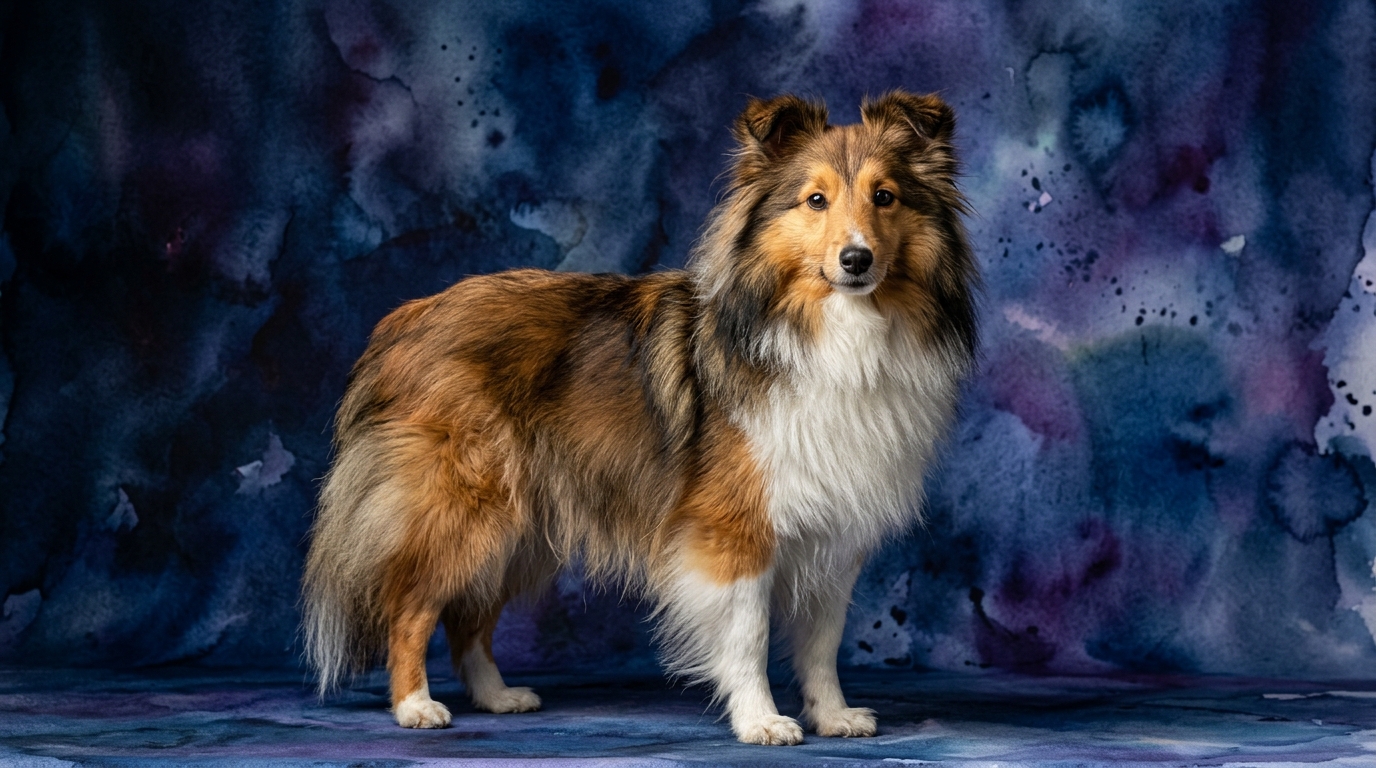
The Shetland Sheepdog, a compact herding dynamo, boasts an impressive cognitive toolkit. Their Problem Solving is rated 4/5, indicating a strong capacity for assessing situations and devising effective solutions, a trait honed by their need to manage livestock. Training Speed is a perfect 5/5, reflecting their rapid acquisition of new commands and procedures, driven by an inherent desire to cooperate. Social Intelligence stands at 4/5, showcasing their deep understanding of human cues and emotional states, fostering strong bonds. Instinctive Drive is also 5/5, manifesting as a powerful urge to gather, control movement, and remain vigilant. Finally, their Memory is 5/5, allowing them to retain a vast repertoire of commands, routines, and past experiences with remarkable consistency.
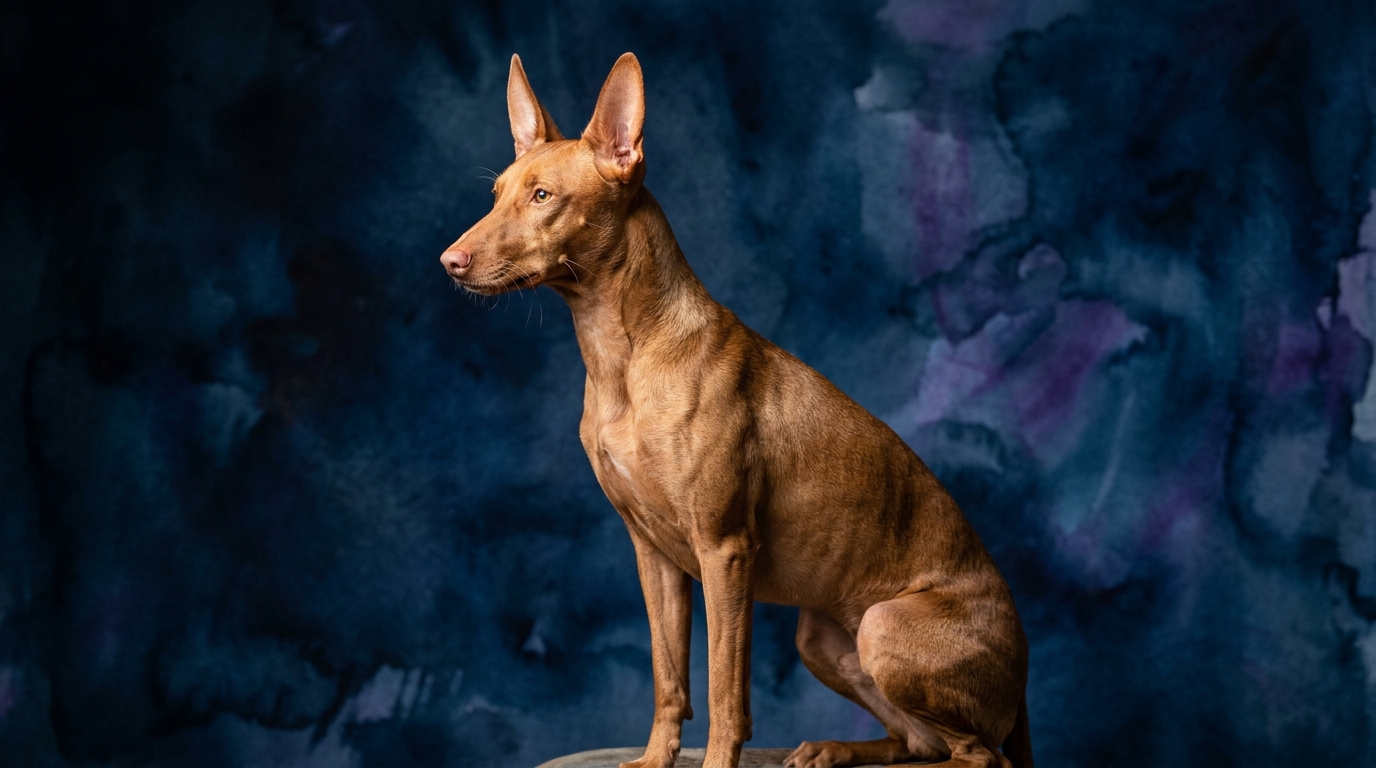
In contrast, the Pharaoh Hound, an elegant sighthound, presents a different cognitive blueprint. Their Problem Solving is 3/5, suggesting an approach to challenges that is often more direct and sensory-driven, typical for a breed focused on independent hunting. Training Speed is 3/5, indicating a more deliberate learning pace, possibly due to a stronger independent streak compared to breeds with a primary drive to please. Social Intelligence is 3/5; while capable of forming affectionate bonds, they tend to be more reserved and less overtly attuned to subtle human emotional shifts. Instinctive Drive is 3/5, centered on their sighthound heritage of chase, speed, and independent pursuit of prey. Their Memory, at 3/5, is functional for their specific tasks, allowing them to recall relevant hunting information or routines, but perhaps not the extensive command recall seen in more cooperative breeds.
Where the Shetland Sheepdog Excels Cognitively
The Shetland Sheepdog truly shines in domains demanding quick mental processing and cooperative engagement. Their superior Problem Solving (4/5 versus 3/5) means they excel at tasks requiring sequential thought and adaptive strategies. For instance, a Sheltie can quickly learn and execute complex agility courses, anticipating obstacles and adjusting their path with minimal instruction, or understand how to open a child-proof gate through observation and trial-and-error. Their herding legacy imbues them with the capacity to evaluate dynamic situations and make rapid decisions to achieve a goal, such as anticipating the movement of a frisbee or a family member to 'herd' them.
Furthermore, the Sheltie's 5/5 Training Speed and 5/5 Memory are unparalleled advantages. They often grasp new cues after just a few repetitions, making them highly responsive to verbal commands and hand signals. This rapid assimilation of information, coupled with their exceptional recall, means they build upon previous learning effortlessly. Owners can teach Shelties an extensive vocabulary of commands, tricks, and even multi-step routines, confident that the learning will stick. Their Instinctive Drive, while strong, is also highly channelable into cooperative tasks, often manifesting as a desire to 'gather' family members or toys, making them inherently responsive to direction and eager to participate in structured activities.
Where the Pharaoh Hound's Cognition Stands Out
While the Pharaoh Hound's IQ scores might appear lower in comparison, their cognitive strengths are simply geared towards a different purpose, reflecting their ancient role as independent sighthunters. Their Problem Solving (3/5) is highly specialized, focused on immediate, unassisted action based on acute sensory input. These dogs are masters of visual tracking, capable of spotting distant movement and formulating an instant plan of pursuit across varied terrain, a complex cognitive feat demanding rapid assessment and decision-making without human intervention. Their intelligence shines when they are given the freedom to act on their instincts.
The Pharaoh Hound's Instinctive Drive (3/5), though numerically lower than the Sheltie's, speaks to a profound self-reliance. This translates into a distinct cognitive independence; they are less reliant on constant human direction and more adept at assessing situations and acting autonomously. This self-sufficient approach means they possess an internal compass for navigating their environment and pursuing their interests, a trait invaluable in their original hunting role. Their functional Memory (3/5) supports this, allowing them to recall terrain features, scent patterns, and prey behaviors relevant to their specialized pursuits, demonstrating a highly practical and task-oriented form of recall.
Training Dynamics: Which is Easier to Train and Why?
When it comes to ease of training, the Shetland Sheepdog undeniably holds the advantage. Their perfect 5/5 Training Speed combined with 4/5 Social Intelligence means they are exceptionally receptive to human instruction. Shelties possess a strong desire to engage with their owners and a high work ethic, making them eager participants in training sessions. They thrive on positive reinforcement and structured learning, quickly understanding what is expected of them and retaining that knowledge thanks to their 5/5 Memory. Their cooperative nature means they actively seek to please, which significantly streamlines the training process and makes complex behaviors attainable.
The Pharaoh Hound, conversely, presents a more significant training challenge due to their 3/5 Training Speed and 3/5 Social Intelligence. While certainly capable of learning, their sighthound nature means they are often more motivated by their own strong instinctive drives—such as chasing, exploring, or independent thought—than by a fervent desire to please. Training a Pharaoh Hound requires immense patience, consistency, and a deep understanding of their independent spirit. Owners must find motivators that genuinely appeal to their instincts, often involving high-value rewards or incorporating their love for running and chasing into training games. Commands might be learned, but their execution can be situational, especially if a more compelling sensory input like a squirrel or distant movement captures their attention.
Matching Breeds to Lifestyles: Active vs. Relaxed Owners
The Shetland Sheepdog is an ideal match for active owners who relish engaging in a variety of mental and physical activities with their canine companion. Shelties thrive on structured play, agility, obedience, and activities that challenge their impressive problem-solving abilities and channel their strong instinctive drive. Their need for regular interaction, consistent mental stimulation, and physical exertion means they are not suited for long periods of solitude or a sedentary lifestyle. Owners who are prepared to invest time in training, dog sports, or simply daily interactive games will find the Sheltie to be an incredibly rewarding and responsive partner.
The Pharaoh Hound, while athletic, suits a specific kind of active owner who appreciates an independent and graceful companion. These owners must be capable of providing consistent opportunities for their Pharaoh Hound to run at full speed in a securely fenced area, satisfying their powerful sighthound instincts. While Pharaoh Hounds can be remarkably calm and affectionate indoors, their sudden bursts of energy and strong prey drive necessitate owners who understand and are prepared to manage these traits. They are less suited for owners looking for a constantly 'on-call' companion, instead preferring a relationship built on mutual respect and understanding of their unique blend of athleticism and serene independence.
The Verdict
Choose the Shetland Sheepdog if you seek a highly cooperative, quick-to-learn companion eager for structured activities and mental challenges, thriving on consistent engagement with their sharp mind.
Opt for the Pharaoh Hound if you value an independent, graceful companion with a unique blend of athleticism and calm, provided you can accommodate their specific need for secure off-leash running and respect their sighthound instincts.
🧠 Find Your Pet's IQ Score
Our Pet IQ Lab assessment covers 25+ tests across 5 cognitive dimensions — personalized to your breed.
Take the Full IQ Test →Frequently Asked Questions
Do Shetland Sheepdogs bark a lot?
Yes, Shelties often use barking as a communication tool, a remnant of their herding role to alert and control livestock. Consistent training can help manage this, but owners should expect a vocal companion who expresses themselves readily.
Are Pharaoh Hounds good with other pets?
Pharaoh Hounds can coexist peacefully with other pets, especially if raised together from a young age. However, their strong prey drive means small, fast-moving animals might trigger their hunting instincts, so careful introductions and supervision are crucial.
How much exercise does a Pharaoh Hound need?
Pharaoh Hounds require significant daily exercise, ideally including opportunities for full-speed running in a securely fenced area to satisfy their sighthound energy. While calm indoors, they need to burn off their athletic drive to remain content and well-adjusted.