Side-by-Side IQ Profile: Sheltie vs. Pom
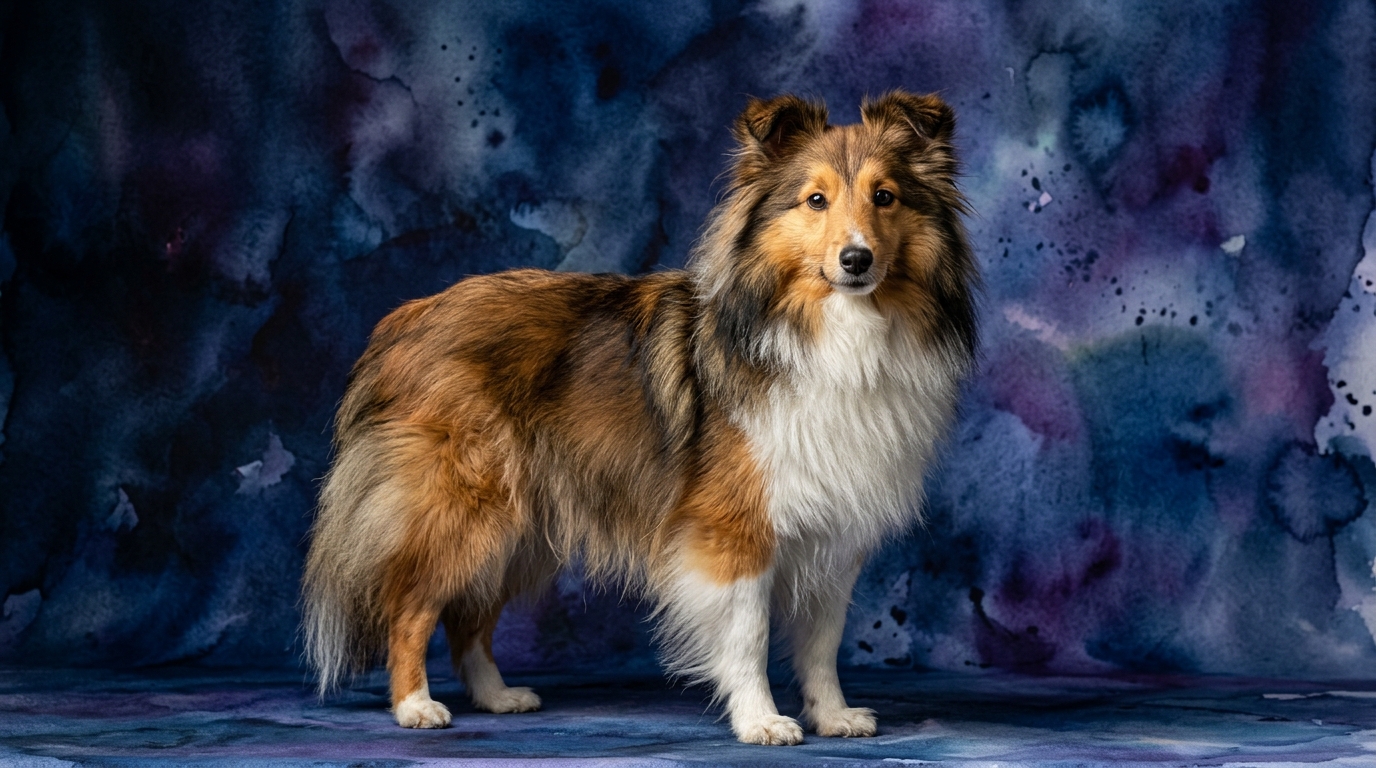
The Cosmic Pet Pet IQ Lab provides a unique lens through which to compare canine cognitive abilities, breaking down intelligence into five distinct dimensions. For the Shetland Sheepdog, a member of the Herding group, its Coren rank of #6 places it among the highest-performing breeds in terms of obedience and working intelligence. Its problem-solving capacity scores a robust 4/5, indicating an adeptness at navigating novel challenges and strategizing solutions. Training speed is exceptional at 5/5, meaning new commands are grasped with minimal repetition. Social intelligence, rated 4/5, reflects a keen understanding of human communication and emotional states. An instinctive drive of 5/5 highlights its profound herding lineage, manifesting as a strong desire to work and manage. Finally, a memory score of 5/5 ensures it retains complex information and routines over extended periods.
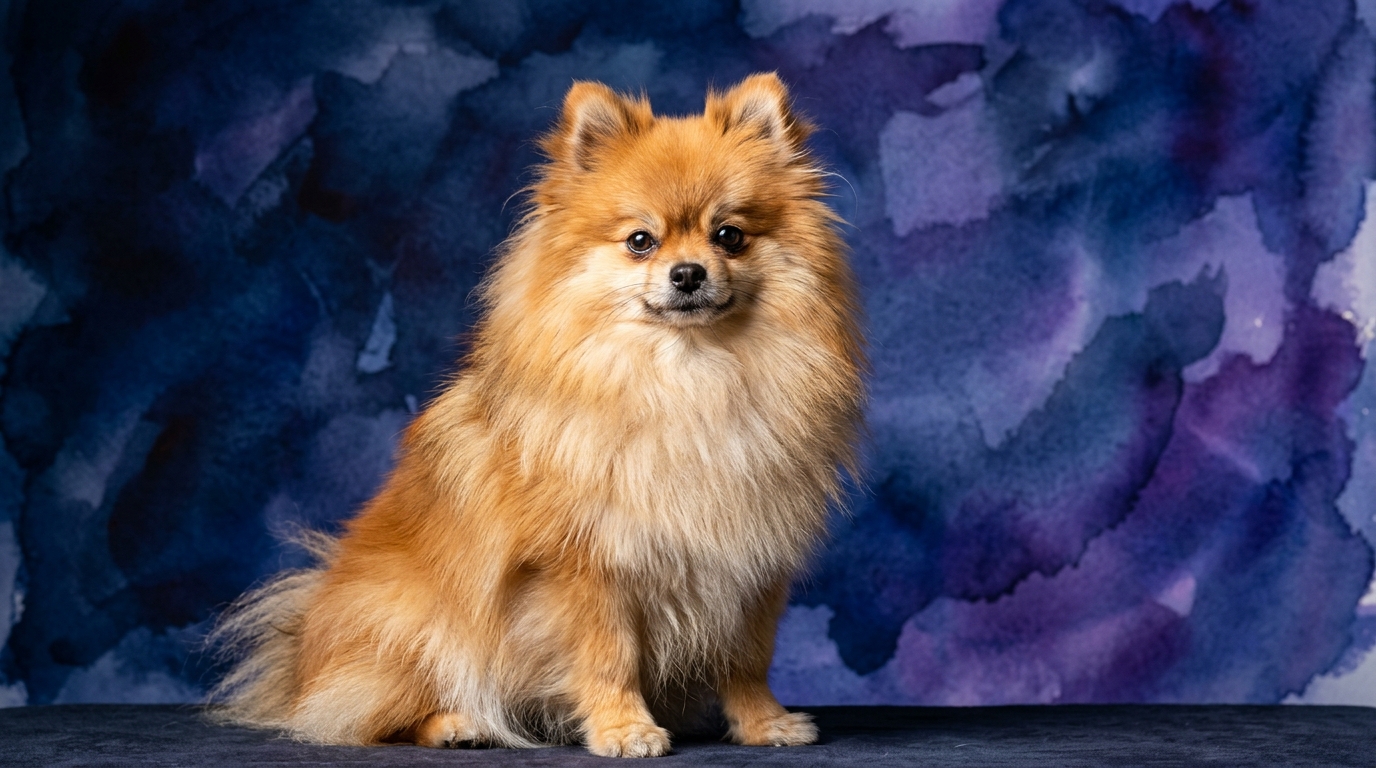
Contrast this with the Pomeranian, a spirited member of the Toy group, holding a respectable Coren rank of #23. Its problem-solving skills also achieve a 4/5, demonstrating a surprising resourcefulness for a smaller companion breed, often finding creative ways to achieve its desires. Training speed is rated 4/5, suggesting a quick learner, though perhaps requiring slightly more engaging methods than its herding counterpart. Social intelligence matches the Sheltie at 4/5, indicating a high degree of perceptiveness regarding human moods and interactions, often leveraging this for attention. The instinctive drive for the Pomeranian sits at 3/5, a moderate level reflecting less intense working imperatives but still present, often as territoriality or a watchdog tendency. Its memory is strong at 4/5, allowing it to recall commands and established household patterns effectively.
Where the Shetland Sheepdog Excels Cognitively
The Shetland Sheepdog's cognitive strengths distinctly outshine the Pomeranian in areas tied to its ancestral purpose. Its perfect 5/5 score in both training speed and memory is a significant advantage, allowing for the rapid acquisition and long-term retention of extensive command vocabularies and intricate sequences. This makes them exceptional candidates for advanced obedience, agility, and other complex dog sports where precision and recall are paramount. Furthermore, the Sheltie's powerful 5/5 instinctive drive, rooted in centuries of herding sheep, means they possess an inherent desire to work, to organize, and to respond to environmental stimuli with purpose. This drive translates into a persistent focus and an independent problem-solving approach when faced with tasks, allowing them to make astute decisions without constant human intervention, a critical trait for a working dog. While a Pomeranian might excel at solving the puzzle of how to get a treat off the counter, a Sheltie's problem-solving (also 4/5) is often directed towards more abstract, multi-step challenges, like navigating an agility course or completing a scent work pattern, relying heavily on their superior memory and drive to sustain engagement. Their 5/5 memory means they recall complex patterns and environmental cues with remarkable accuracy, making them highly reliable in repetitive or pattern-based tasks.
Where the Pomeranian's Cognition Shines
While the raw scores might suggest the Pomeranian doesn't "win" in many direct comparisons, its cognitive profile shines in specific contexts, particularly in its adaptability and distinct application of its intelligence. The Pomeranian’s 4/5 problem-solving ability, matching the Sheltie, is often directed towards navigating social dynamics and manipulating its environment to its advantage, a different kind of "work" than herding. They are masters at figuring out how to gain attention, secure comfort, or get preferred outcomes within a household, often using charm and persistence. Their 4/5 social intelligence, on par with the Sheltie, is finely tuned for close human companionship. They are exceptionally perceptive of human emotions and routines, making them superb emotional support animals or highly responsive family members. This strong social acumen, combined with their problem-solving, means they can effectively communicate their needs and desires, often leading to a rich, interactive relationship with their owners. Moreover, their comparatively lower instinctive drive (3/5) can be considered a cognitive advantage for owners not seeking a working dog. This moderation means they are generally less prone to obsessive behaviors stemming from unfulfilled working instincts, making them more pliable for urban living or less demanding lifestyles. They can channel their cognitive energy into personal interaction and domestic exploration rather than a constant need for a "job," making them inherently well-suited to being cherished companions without the intense exercise and mental stimulation requirements of a herding breed.
Training Dynamics: Which Breed is Easier?
When evaluating ease of training, the Shetland Sheepdog clearly holds an advantage, primarily due to its exceptional training speed (5/5), remarkable memory (5/5), and strong instinctive drive (5/5). Shelties typically grasp new commands and concepts in very few repetitions, often showing an eagerness to learn and please that stems from their working heritage. Their instinctive drive means they are often inherently motivated to engage in structured activities and tasks, viewing training as a fulfilling outlet for their mental and physical energy. This combination allows for rapid progress in obedience, complex trick training, and dog sports, where they can master intricate sequences and respond reliably even amidst distractions. Their superior memory ensures that once a command is learned, it is retained consistently over time, requiring less frequent refreshing.
The Pomeranian, while still a capable learner with a training speed of 4/5 and memory of 4/5, may present different training nuances. Their strong social intelligence (4/5) can be a double-edged sword; they can be very responsive to praise and attention, but also clever at finding ways to get their own way if consistency wavers. Their instinctive drive (3/5) is less intense, meaning while they are certainly trainable, they might not possess the same inherent drive to "work" for extended periods. Training a Pomeranian often requires more variety in motivation (treats, toys, praise) and a consistent, positive approach to maintain their engagement. They can be prone to developing "small dog syndrome" behaviors if not provided with clear boundaries and consistent training from a young age, leveraging their social acumen to become charmingly demanding. Therefore, while both breeds are trainable, the Sheltie's inherent cognitive wiring makes the training process generally smoother and faster for more complex tasks, driven by a natural inclination towards purpose and learning.
Matching Breeds to Owner Lifestyles
The choice between a Shetland Sheepdog and a Pomeranian often hinges on an owner's lifestyle and their capacity to meet a dog's cognitive and physical needs. A Shetland Sheepdog is an ideal match for active owners who relish engaging in consistent training, dog sports like agility or herding, long hikes, and mentally stimulating games. Their profound instinctive drive (5/5) and high cognitive capacity demand a "job" or purpose, whether it's competitive sport or regular, challenging brain games. Owners who can dedicate significant time to channeling the Sheltie's energy and intelligence will find an incredibly devoted and responsive partner. They thrive on having responsibilities and a structured routine that exercises both their body and their brilliant mind.
Conversely, the Pomeranian, with its moderate instinctive drive (3/5) and adaptable nature, suits a broader spectrum of owners. While they certainly enjoy walks and play, they don't possess the same intense requirement for a working outlet as the Sheltie. Their cognitive energy is often directed more towards social interaction and observation within the home environment. This makes them suitable for relaxed owners who enjoy companionship, moderate daily activity, and engaging in short, fun training sessions or cuddle time on the couch. They can thrive in urban apartments or suburban homes and are content with indoor play supplemented by regular, but not necessarily strenuous, outdoor excursions. However, their social intelligence (4/5) means they still require consistent attention and interaction to prevent boredom, which can manifest as excessive barking or other attention-seeking behaviors. They are adaptable companions who can match an owner's pace, provided they receive affection and mental stimulation in varying forms.
The Verdict
Choose the Shetland Sheepdog if you are an active individual or family seeking a highly trainable, driven, and mentally agile partner for dog sports, advanced obedience, or a demanding "job" that channels their profound working instincts and exceptional memory.
Choose the Pomeranian if you desire an adaptable, perceptive, and charming companion who thrives on close social interaction, can adapt to varied activity levels, and will apply its considerable problem-solving and social intelligence to enrich your daily life without the intense demands of a working breed.
🧠 Find Your Pet's IQ Score
Our Pet IQ Lab assessment covers 25+ tests across 5 cognitive dimensions — personalized to your breed.
Take the Full IQ Test →Frequently Asked Questions
Are Shetland Sheepdogs good for first-time dog owners?
Shetland Sheepdogs can be excellent for first-time owners who are committed to consistent training and providing ample mental and physical stimulation. Their eagerness to please and rapid learning curve make them rewarding, but their intelligence means they need engagement to prevent boredom.
Do Pomeranians bark a lot due to their cognitive traits?
Pomeranians can indeed be vocal, partly due to their social intelligence and instinctive drive (3/5) which includes a strong watchdog tendency. They often use barking to communicate, alert, or seek attention, a behavior that can be managed with consistent training and redirection from an early age.
Can a Pomeranian compete in dog sports like agility?
Absolutely, Pomeranians with their 4/5 problem-solving and training speed can excel in dog sports like agility, rally, and obedience. They are often surprisingly athletic and enjoy the mental and physical challenge, provided training is kept fun and engaging.