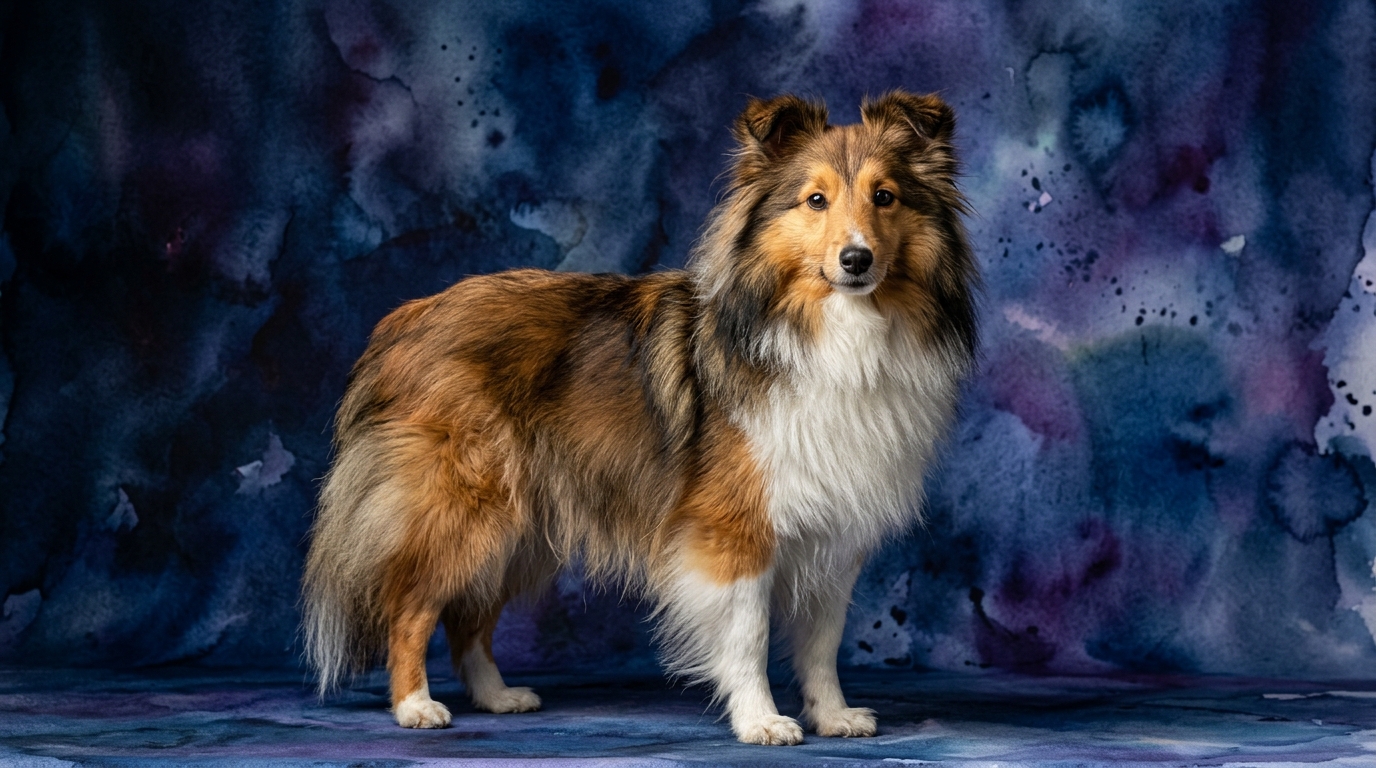
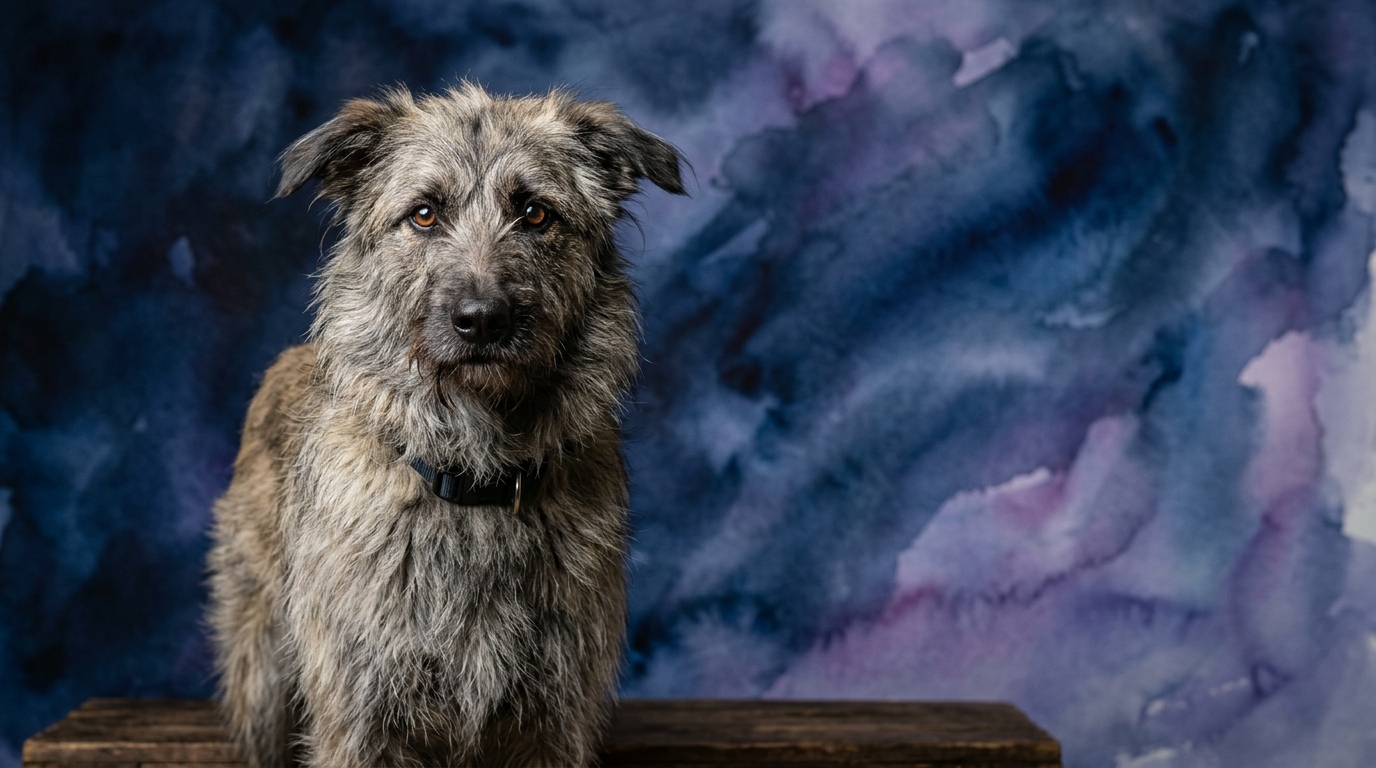
Side-by-Side IQ Profile: Sheltie vs. Pyr Shep
Shetland Sheepdog (Sheltie): Ranked #6 by Coren, the Sheltie demonstrates a comprehensive cognitive toolkit. Their Problem Solving is rated 4/5, indicating a strong capacity for independent thought and navigating complex situations, often finding creative solutions. Training Speed is exceptional at 5/5, reflecting their eagerness to learn and retain commands quickly, making them highly responsive pupils. Social Intelligence, at 4/5, points to a keen awareness of human cues and emotional states, fostering deep bonds and effective communication. An Instinctive Drive of 5/5 highlights their robust herding instincts, which translate into a persistent, focused work ethic. Memory, also 5/5, ensures they recall learned behaviors, routines, and experiences with remarkable precision, aiding consistency and long-term skill retention.
Pyrenean Shepherd (Pyr Shep): While not Coren-ranked, the Pyrenean Shepherd presents a different cognitive profile, tailored for a more rustic, independent working style. Their Problem Solving stands at 3/5, suggesting a practical, resourceful intelligence, capable of adapting to challenges but perhaps with less overt analytical processing. Training Speed is 3/5, indicating they can learn, but might require more repetition and patience, often prioritizing their own initiative over immediate compliance. Social Intelligence is rated 3/5, meaning they form strong bonds but might display a more reserved or independent demeanor, less overtly seeking human guidance. An Instinctive Drive of 3/5 reflects their protective and herding capabilities, though perhaps expressed with less intense focus than the Sheltie. Memory, at 3/5, allows them to remember tasks and experiences, but might not be as sharp for intricate details or numerous sequential commands.
Where the Shetland Sheepdog Wins Cognitively
The Shetland Sheepdog's cognitive strengths truly shine in areas demanding rapid assimilation of information and precise execution. Their 5/5 Training Speed is a significant advantage, meaning they grasp new commands and complex sequences with remarkable quickness. This reflects cognitive flexibility and an eagerness for structured learning. For instance, a Sheltie can master elaborate agility courses or intricate obedience routines much faster, requiring fewer repetitions to solidify the behavior. Their 5/5 Memory further solidifies this edge, ensuring that once a task is learned, it is retained consistently over time, even after breaks in training. This combination allows them to build a vast repertoire of skills and respond reliably in various contexts. Furthermore, their 4/5 Social Intelligence makes them exceptionally attuned to human communication, picking up on subtle vocal cues and body language, which enhances their responsiveness and makes them feel more 'in sync' with human partners.
Where the Pyrenean Shepherd Wins Cognitively
While not boasting the same Coren ranking, the Pyrenean Shepherd's cognitive wins lie in its independent resourcefulness and adaptability, honed by centuries of working in challenging mountain environments. Their 3/5 Problem Solving, though lower than the Sheltie's, manifests as a practical, self-reliant intelligence crucial for a pastoral guardian. A Pyr Shep might excel not in quickly learning a structured obedience routine, but in independently assessing a dynamic herding situation, making on-the-spot decisions about flock movement or predator deterrence. Their 3/5 Instinctive Drive, while not as intensely focused as the Sheltie's, is deeply ingrained and geared towards independent action and protective vigilance. This means they are less likely to wait for a command when perceiving a threat or managing livestock; they act autonomously based on their innate understanding of their role. This breed thrives on tasks where initiative and individual judgment are paramount, rather than strict adherence to pre-programmed behaviors. Their independence, while potentially making training a slower process, signifies a cognitive resilience and self-sufficiency valuable in specific roles.
Which is Easier to Train and Why
The Shetland Sheepdog is unequivocally easier to train for most owners, due to their exceptional Training Speed (5/5) and high Social Intelligence (4/5). Shelties possess a strong desire to please and a natural inclination to cooperate, making them highly receptive to instruction. They quickly connect actions with rewards and consequences, requiring fewer repetitions to solidify behaviors. For example, teaching a Sheltie a complex multi-step trick or an off-leash recall in a distracting environment will typically progress much faster, as they actively seek to understand and comply with human directives. Their acute memory (5/5) ensures that once a command is learned, it sticks. In contrast, the Pyrenean Shepherd, with a Training Speed of 3/5 and Social Intelligence of 3/5, often exhibits a more independent and sometimes stubborn streak. They are capable learners, but they process information at their own pace and may challenge commands they deem unnecessary or illogical from their perspective. A Pyr Shep might understand a command but choose not to execute it if instincts or priorities conflict. This requires a more patient, consistent, and creative training approach, often leveraging their natural drives rather than expecting immediate, eager compliance. Their inherent self-reliance means they are less motivated by mere pleasing and more by practical outcomes, making them less suited for owners seeking a highly compliant, easily molded companion.
Suited for Active vs. Relaxed Owners
Both breeds are inherently active, but their energy expression and cognitive needs diverge, making them suitable for different types of 'active' owners. The Shetland Sheepdog, with its high instinctive drive (5/5) and quick training speed, thrives with owners who enjoy structured activities like agility, competitive obedience, rally, or herding trials. Their cognitive makeup demands mental engagement through learning new skills and puzzles, alongside physical exercise. A Sheltie is best suited for an owner who is not just physically active, but also mentally stimulating, ready to dedicate time to training sessions and brain games. A relaxed owner unable to provide this consistent mental and physical outlet might find a Sheltie becoming bored, leading to undesirable behaviors.
The Pyrenean Shepherd, while also energetic, channels its 3/5 instinctive drive into more independent, purposeful activity. They excel with owners who appreciate long hikes, trail running, or engaging in tasks that require independent decision-making, like advanced off-leash exploration or even actual herding work. They are less about structured, repetitive training, more about expansive, goal-oriented activity. A relaxed owner would struggle with a Pyr Shep's need for physical outlets and mental engagement that allows for some autonomy, as their energy, if undirected, can lead to restlessness. Neither breed is ideal for truly 'relaxed' or sedentary owners; both require significant daily engagement, but the type of engagement differs.
The Verdict
Choose the Shetland Sheepdog if you desire a highly responsive, eager-to-please companion for structured training, dog sports, and a strong communicative bond, thriving on consistent mental challenges and clear guidance.
Opt for the Pyrenean Shepherd if you value an independent, resourceful partner for active outdoor adventures, who excels with owners who appreciate and can channel their self-reliant nature and protective instincts without demanding constant, precise compliance.
🧠 Find Your Pet's IQ Score
Our Pet IQ Lab assessment covers 25+ tests across 5 cognitive dimensions — personalized to your breed.
Take the Full IQ Test →Frequently Asked Questions
Are Shetland Sheepdogs good family dogs for children?
Shetland Sheepdogs, with their 4/5 social intelligence, can be wonderful family dogs, often forming strong bonds with children. However, their herding instincts (5/5) mean they might try to 'herd' children, so supervision and teaching gentle interactions are key. Their sensitivity also means they thrive in calm, respectful environments.
Do Pyrenean Shepherds need a lot of grooming?
Pyrenean Shepherds come in two coat types (rough-faced and smooth-faced), both requiring regular grooming but not excessively. The rough-faced variety needs weekly brushing to prevent matting, while the smooth-faced is lower maintenance. Neither typically requires professional grooming unless for specific matting issues.
How do the vocalizations of these two breeds compare?
Shetland Sheepdogs are generally more vocal, using barking as a primary form of communication, especially when bored or to alert. Their high instinctive drive (5/5) often translates to being keen watchdogs. Pyrenean Shepherds are typically less prone to incessant barking but will use their voice to alert or when acting on their protective instincts (3/5), often with a more purposeful, resonant bark.