Side-by-Side Cognitive Profiles: Sheltie vs. Ridgeback
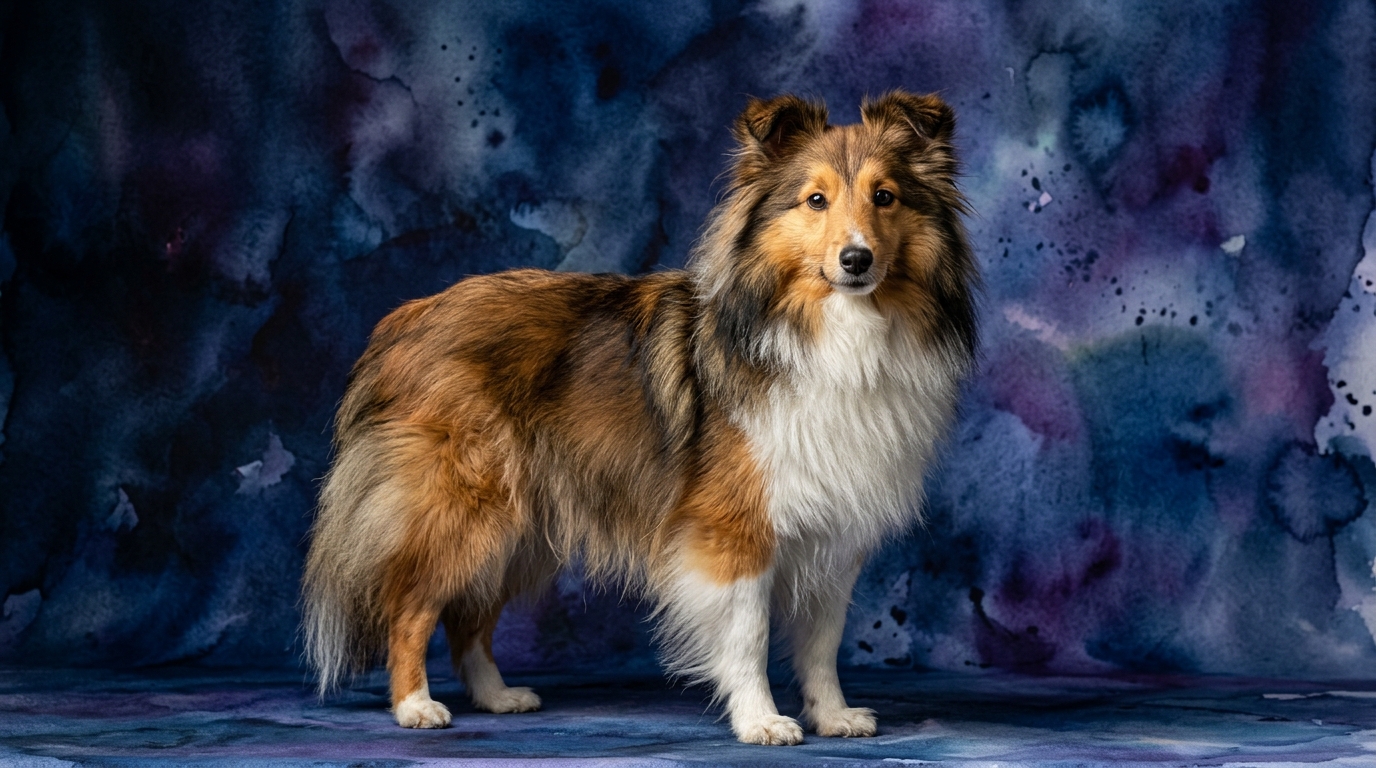
The Shetland Sheepdog, a herding breed ranking #6 on the Coren scale, presents a cognitive profile geared for rapid learning and cooperative engagement. Their Problem Solving (4/5) allows them to adeptly navigate complex situations, while an exceptional Training Speed (5/5) means new commands are grasped swiftly. Social Intelligence (4/5) fosters deep bonds and responsiveness to human cues. A powerful Instinctive Drive (5/5) is rooted in their herding heritage, and their Memory (5/5) ensures learned behaviors are retained with remarkable reliability over time.
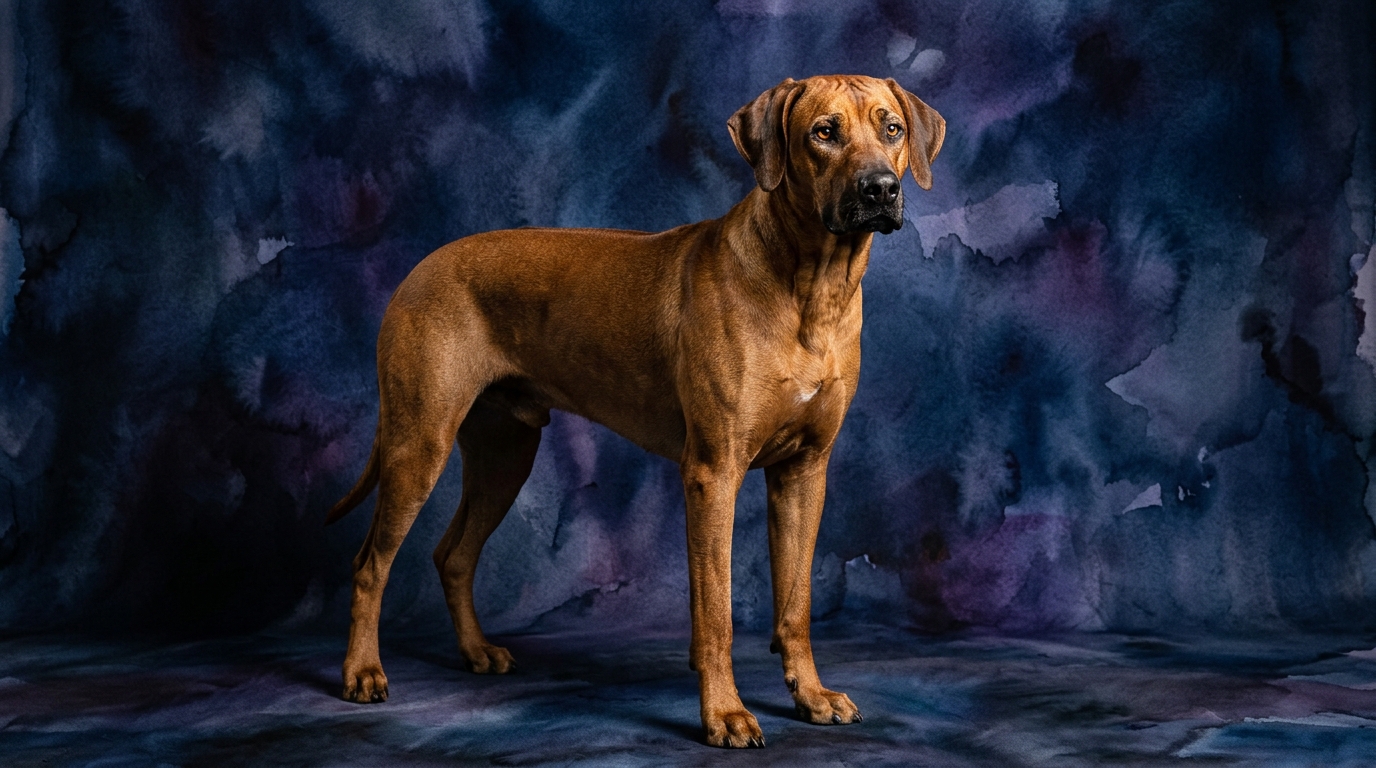
Hailing from the hound group and ranking #52, the Rhodesian Ridgeback's cognitive makeup reflects its independent hunting history. Their Problem Solving (3/5) is more deliberate, often relying on persistence rather than intricate manipulation. Training Speed (3/5) is moderate, requiring patience and consistent repetition. Social Intelligence (3/5) indicates they form strong, discerning bonds but may exhibit a more reserved demeanor. An Instinctive Drive (3/5) focuses on scent detection and pursuit, less on control, and their Memory (3/5) is solid but may require more frequent reinforcement than a Sheltie's.
Where the Shetland Sheepdog Excels Cognitively
The Sheltie's cognitive strengths make them exceptional partners for intricate tasks and competitive obedience. Their 5/5 training speed, paired with a 5/5 memory, allows them to acquire and retain vast repertoires of commands and sequences with impressive ease, excelling in agility and advanced training. Their 4/5 problem-solving ability enables them to independently strategize through novel challenges, while a 5/5 instinctive drive provides an inherent motivation to work closely with a handler, channeling their natural inclinations into focused, productive tasks. This high social intelligence (4/5) further refines their responsiveness, creating a highly communicative and adaptable companion for demanding mental work.
Where the Rhodesian Ridgeback's Cognitive Profile Shines
The Ridgeback's cognitive profile excels in areas demanding tenacity, independence, and focused pursuit. Their 3/5 problem-solving and 3/5 instinctive drive translate into unwavering determination, particularly in scent work or tracking, where sustained effort is paramount. Unlike the Sheltie's rapid adaptation, the Ridgeback demonstrates a practical intelligence, processing information methodically and making decisions based on their own assessment, rather than solely seeking human direction. Their 3/5 social intelligence often means they are discerning and self-possessed, not constantly seeking interaction, which can appeal to owners valuing a more independent companion. This blend of traits, while requiring a consistent training approach, fosters a resilient dog capable of independent thought and focused, enduring effort.
Training Dynamics: Which Breed is More Biddable?
Without question, the Shetland Sheepdog presents a significantly easier training journey for most owners. Their exceptional training speed (5/5) means they grasp new commands in very few repetitions, often showing an eager willingness to please and participate. This is complemented by their superior memory (5/5), ensuring that once a behavior is learned, it is retained effectively over time. Furthermore, their high social intelligence (4/5) makes them highly responsive to verbal cues, body language, and even subtle shifts in human emotion, allowing for a fluid and intuitive training dynamic where they thrive on collaborative mental engagement.
The Rhodesian Ridgeback, with a training speed of 3/5, requires a more patient and understanding approach. Their independent hound nature means they might not always see the immediate benefit or necessity of a command, especially if it conflicts with a more compelling instinct, like following a scent. Training a Ridgeback involves consistent, positive reinforcement, establishing clear boundaries, and understanding that while they are devoted, they are not inherently driven by the same level of biddability as a herding breed. Owners must be prepared to invest more time and creativity to keep a Ridgeback engaged and motivated, often needing to make training feel like a partnership rather than a command-and-response exercise.
Matching Breeds to Owner Lifestyles: Active vs. Relaxed
The Shetland Sheepdog unequivocally suits active owners who are prepared to provide substantial mental and physical engagement. Their 5/5 instinctive drive, coupled with high problem-solving and memory, means they require outlets for their considerable cognitive energy. They thrive in environments where they can participate in activities like agility, obedience, rally, or even simulated herding games. A Sheltie that isn't sufficiently challenged mentally can become bored, potentially leading to undesirable behaviors as they seek their own 'work.' They need owners who enjoy teaching new tricks, engaging in daily training sessions, and providing ample opportunities for structured play that stimulates both body and mind.
The Rhodesian Ridgeback, while a large and powerful breed that certainly requires regular exercise, might suit an owner whose 'active' lifestyle leans more towards consistent physical activity rather than constant mental problem-solving tasks. Their 3/5 instinctive drive and problem-solving suggest they are less inclined to demand complex daily mental challenges. Long walks, hikes, runs, or opportunities for tracking and scent work will satisfy their physical and instinctual needs. After their exercise requirements are met, Ridgebacks are often content to relax with their family, displaying a more independent and sometimes aloof demeanor. They are not necessarily a breed for 'relaxed' owners in the sense of minimal exercise, but rather for those who appreciate a dog that is less constantly 'on' mentally than a Sheltie, and whose idea of activity involves robust outdoor adventures rather than intricate brain games.
The Verdict
Opt for the Shetland Sheepdog if you desire a highly trainable, eager-to-please companion for competitive dog sports or a partner who thrives on intricate mental challenges and constant engagement.
Choose the Rhodesian Ridgeback if you seek an independent, resilient companion for active outdoor pursuits, appreciating a dog that combines physical prowess with a self-possessed, discerning nature.
🧠 Find Your Pet's IQ Score
Our Pet IQ Lab assessment covers 25+ tests across 5 cognitive dimensions — personalized to your breed.
Take the Full IQ Test →Frequently Asked Questions
Is the Shetland Sheepdog prone to excessive barking due to its herding instincts?
Yes, their strong instinctive drive (5/5) and alert nature often mean Shelties are quick to bark at perceived threats or changes in their environment. This trait, rooted in their herding heritage for communicating with livestock and other dogs, requires consistent training to manage from a young age.
Do Rhodesian Ridgebacks make good family pets despite their independent nature?
Absolutely, Rhodesian Ridgebacks can be devoted family members. While their social intelligence (3/5) suggests they might be more reserved, they typically form deep bonds with their immediate family, showing loyalty and protective instincts. Early socialization is key to ensuring they are well-adjusted with children and other pets.
How much exercise does a Rhodesian Ridgeback typically need compared to a Shetland Sheepdog?
A Rhodesian Ridgeback, being a larger and more athletic hound, generally requires more intense and sustained physical exercise, such as long runs or vigorous hikes, often 60-90 minutes daily. The Shetland Sheepdog, while also needing daily activity, often benefits more from a blend of moderate physical exercise and significant mental stimulation, like agility or puzzle games, for about 45-60 minutes daily.