Side-by-Side IQ Profile: Herding Precision vs. Sighthound Autonomy
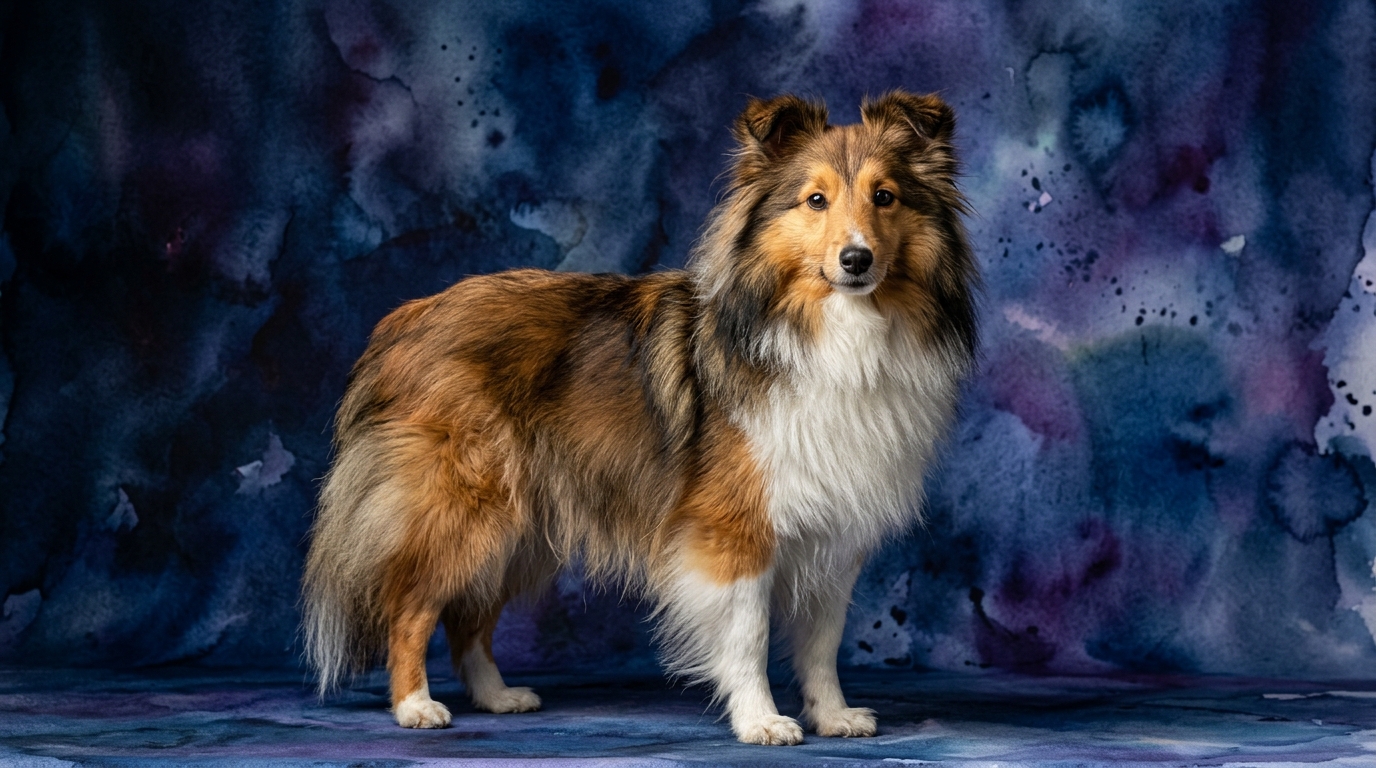
The Pet IQ Lab's framework allows us to dissect the cognitive blueprints of these two breeds, highlighting their inherent capabilities across five critical dimensions. The Shetland Sheepdog, a breed molded for collaborative work with humans, consistently demonstrates a profile geared towards rapid learning and complex task execution. Its Coren rank of #6 places it among breeds that understand new commands quickly and obey them reliably, reflecting its strong cognitive connection to human direction. This breed boasts a Problem Solving score of 4/5, indicating an aptitude for navigating novel situations within a structured environment, often in pursuit of a human-directed goal. Their Training Speed is an exceptional 5/5, suggesting a quick grasp of new concepts and an eagerness to comply, while their Social Intelligence, at 4/5, points to a strong ability to interpret and respond to human cues. The Shetland Sheepdog's Instinctive Drive, rated 5/5, manifests as a powerful desire to herd, gather, and work, and their Memory, also 5/5, ensures long-term retention of learned behaviors and commands.
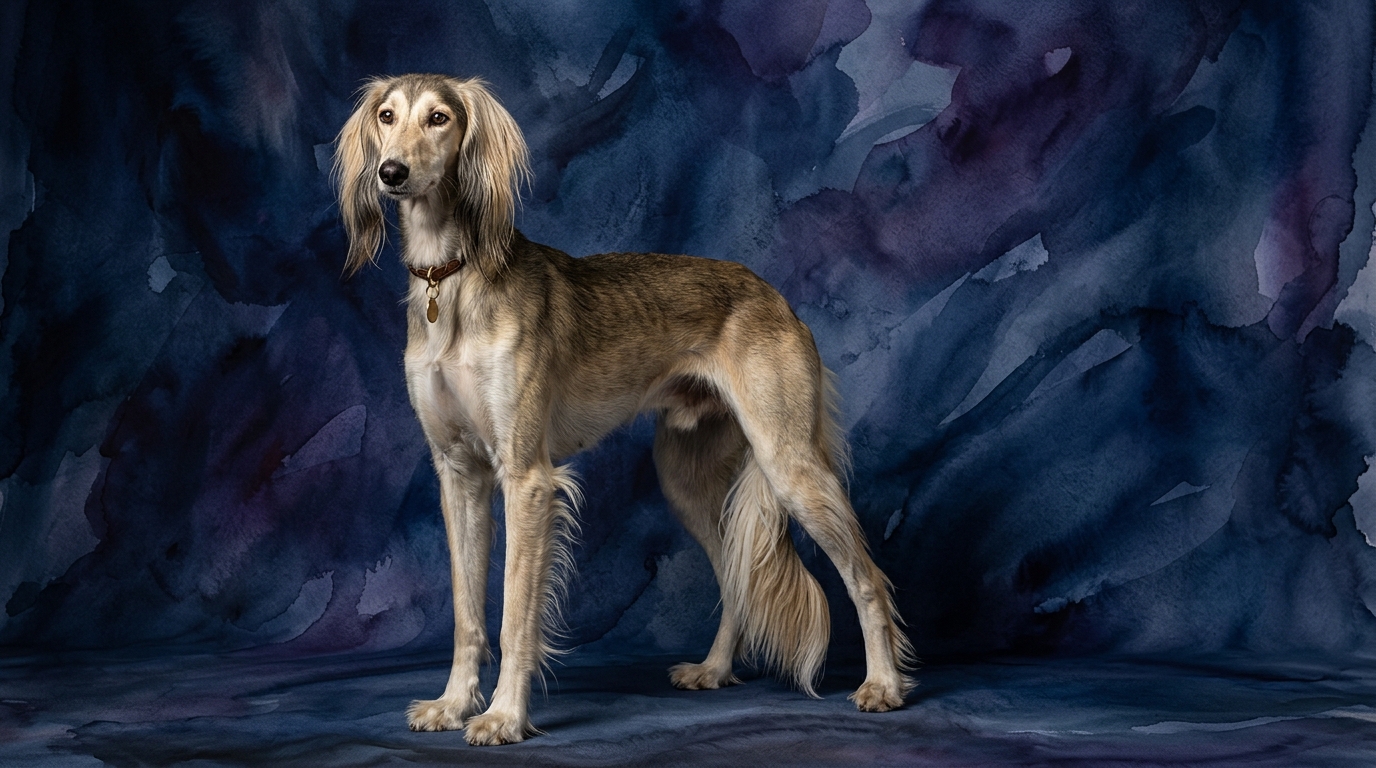
In stark contrast, the Saluki, a breed with a lineage tracing back thousands of years as independent hunters, presents a cognitive profile optimized for self-reliance and focused pursuit. Unlike the Sheltie, the Saluki is not typically included in Coren's ranking, as its intelligence is less about human-centric obedience and more about autonomous decision-making in the field. Their Problem Solving score of 3/5 suggests competence in navigating challenges relevant to their hunting prowess, such as tracking prey or traversing varied terrain, but perhaps less interest in solving abstract human puzzles. The Saluki's Training Speed is 3/5, reflecting a more selective approach to learning commands, often prioritizing their own inclinations over immediate human requests. Their Social Intelligence, also 3/5, indicates a discerning nature; they form deep bonds but are not typically effusive or overtly eager to please strangers. The Instinctive Drive of a Saluki, rated 3/5, is powerfully focused on the chase and capture of prey, less on complex cooperative tasks. Finally, their Memory, at 3/5, is likely excellent for retaining information pertinent to their hunting grounds and past experiences, though perhaps not for an extensive repertoire of obedience commands.
Where the Shetland Sheepdog Excels Cognitively
The Shetland Sheepdog's cognitive strengths are deeply rooted in its herding heritage, emphasizing responsiveness and intricate task execution. Their 4/5 score in Problem Solving shines when faced with challenges requiring analytical thought within a cooperative framework. For instance, a Sheltie might quickly figure out how to navigate an agility course with multiple obstacles or learn a complex sequence of tricks, demonstrating an ability to process multi-step instructions and apply learned solutions. This isn't just about rote memorization; it's about understanding the 'why' and 'how' of a task in relation to human directives.
The Sheltie's unparalleled Training Speed (5/5) means they absorb new commands with remarkable rapidity, often requiring only a handful of repetitions before demonstrating proficiency. This quick uptake, combined with their 5/5 Memory, allows them to build an extensive vocabulary of commands and retain them over long periods, making them highly adaptable to various training disciplines, from obedience to advanced canine sports. Their 4/5 Social Intelligence further enhances this, as they are acutely tuned into human body language and vocal cues, often anticipating requests and adjusting their behavior accordingly, which is crucial for effective herding and companionship.
Where the Saluki Demonstrates Unique Cognitive Strengths
While the Saluki's IQ scores may appear lower in a human-centric comparison, their cognitive profile represents a specialized form of intelligence honed for independent action. Their 3/5 Problem Solving isn't a deficit but a different orientation; it's about making swift, autonomous decisions in dynamic environments, such as during a high-speed chase where split-second judgments about terrain, obstacles, and prey movement are paramount. They excel at assessing situations without human instruction, a critical skill for their ancestral role as sighthounds.
The Saluki's 3/5 Instinctive Drive, though not as broadly applicable as a Sheltie's, is intensely focused and powerful within its domain. This means an unparalleled ability to spot, pursue, and capture fast-moving targets, demonstrating a highly specialized form of cognitive processing and motor planning. Their memory (3/5) is likely exceptional for recalling specific hunting locations, successful strategies, or potential dangers within their familiar territory, rather than for a multitude of human commands. Their Social Intelligence (3/5) reflects a discerning personality; they form deep, often singular bonds with their chosen humans, displaying affection and loyalty on their own terms, rather than a constant need for external validation. This independence is a hallmark of their cognitive makeup, allowing them to operate effectively without constant human oversight.
Training Dynamics: Shetland Sheepdog's Eagerness vs. Saluki's Independence
When it comes to training, the behavioral differences between these two breeds are profound, directly stemming from their cognitive profiles. The Shetland Sheepdog, with its 5/5 Training Speed and 5/5 Memory, is typically a dream to train. Their innate desire to please, coupled with their high social intelligence, means they thrive on interaction and positive reinforcement. They pick up new commands with enthusiasm, often anticipating what is expected of them, and retain this learning over time. This biddability makes them excellent candidates for complex obedience routines, agility, and even service work, where consistent, reliable responses are paramount. Their herding instinct translates into a strong focus on their handler, making them highly receptive to direction.
The Saluki, conversely, presents a different training challenge. Their 3/5 Training Speed and more independent nature mean they learn at their own pace and often only if they perceive value in the command. They are not inherently driven by a desire to please and may find repetitive drills tedious. Their high prey drive can also make off-leash training challenging in areas with distractions, as their instinctive drive to chase can override any learned commands. Training a Saluki requires immense patience, consistency, and a deep understanding of their sighthound mentality, focusing on building a relationship based on mutual respect rather than strict obedience. They respond best to positive, reward-based methods that make training feel like a game or a collaborative effort, rather than a demanding task.
Matching Breeds to Lifestyles: Active Engagement vs. Independent Companionship
The cognitive and instinctive differences between the Shetland Sheepdog and the Saluki dictate very different ideal living situations. The Shetland Sheepdog, with its high problem-solving ability, rapid training speed, and strong instinctive drive for work, thrives with active owners who can provide consistent mental and physical engagement. They excel in homes where they can participate in dog sports like agility, obedience, or herding trials, or simply enjoy regular, varied training sessions and puzzle toys. Their need for cognitive stimulation means they can become bored and develop undesirable behaviors if left without purpose. Owners who enjoy teaching new things and maintaining a structured routine will find a Sheltie to be an incredibly rewarding companion.
The Saluki, on the other hand, suits owners who appreciate a more independent and discerning companion. While they require bursts of intense physical activity—access to a securely fenced area where they can run at full speed is non-negotiable—their mental engagement often centers around their environment and their own interests rather than constant human direction. They are generally calm and quiet indoors, making them suitable for owners who prefer a relaxed home life, provided their exercise needs are met. Their independent streak means they are not typically 'velcro' dogs, offering a more aloof yet deeply affectionate companionship. Owners who understand and respect a dog's need for autonomy, and who can provide secure spaces for their sighthound to express its natural athleticism, will find immense joy in a Saluki.
The Verdict
Choose a Shetland Sheepdog if you seek a highly biddable, intelligent companion eager to learn and participate in a wide range of activities, thriving on cooperative tasks and mental challenges.
Choose a Saluki if you appreciate an independent, elegant companion with a unique cognitive focus on autonomous action and bursts of athleticism, offering a deep, discerning bond on its own terms.
🧠 Find Your Pet's IQ Score
Our Pet IQ Lab assessment covers 25+ tests across 5 cognitive dimensions — personalized to your breed.
Take the Full IQ Test →Frequently Asked Questions
Are Shetland Sheepdogs good for first-time dog owners?
Yes, Shetland Sheepdogs are generally excellent for first-time dog owners due to their high training speed and eagerness to please. Their biddable nature and responsiveness make them easier to guide through basic obedience and house-training, provided their needs for mental stimulation and exercise are consistently met.
Do Salukis require a lot of exercise?
Salukis require a specific type of exercise: short bursts of intense running in a safe, securely fenced area where they can stretch out at full speed. While they might be calm indoors, daily opportunities for free running are crucial for their physical and mental well-being, as their sighthound instincts demand a good chase.
How do their social needs differ?
Shetland Sheepdogs typically have higher social needs, thriving on interaction with their family and often enjoying meeting new people and dogs. Salukis, while forming deep bonds with their immediate family, tend to be more reserved with strangers and other dogs, preferring a more discerning approach to social engagement.