A Side-by-Side Look at Cognitive Profiles
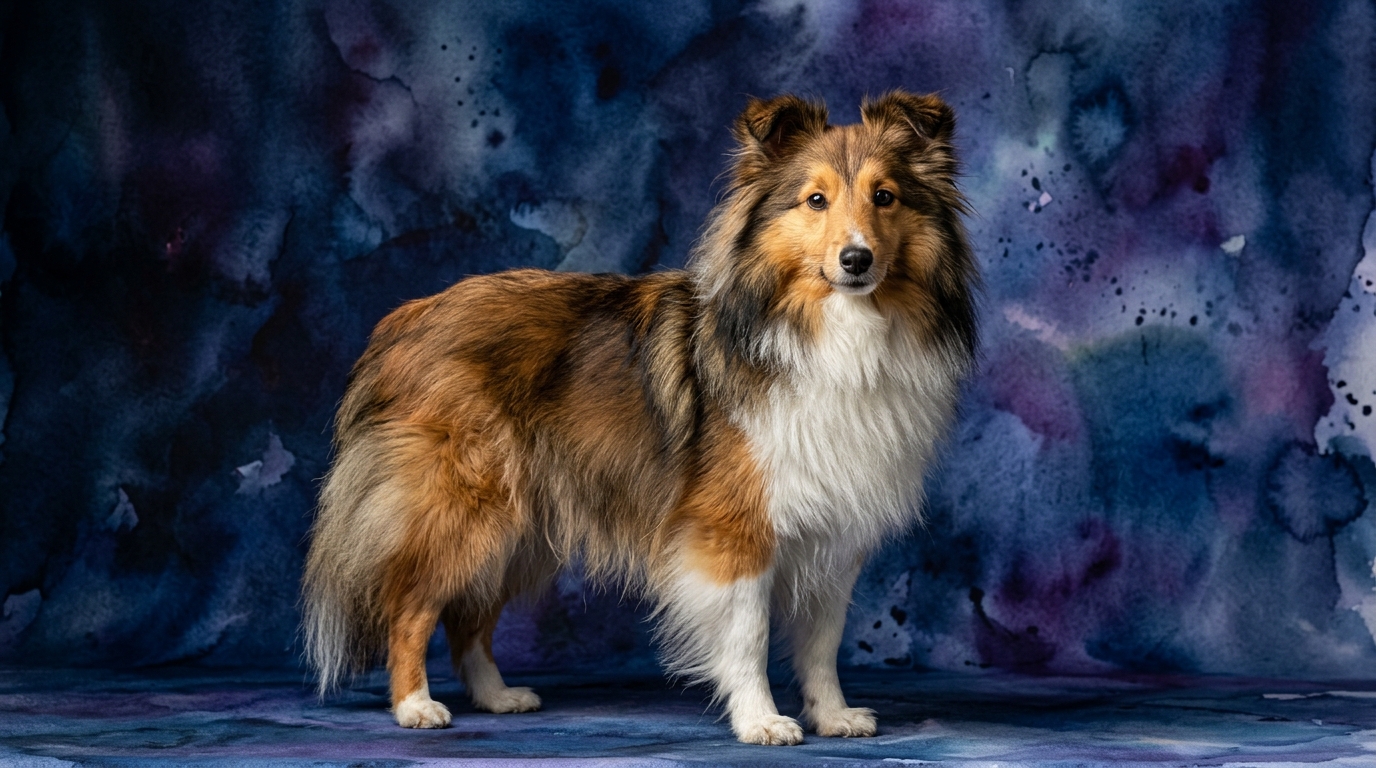
The Cosmic Pet Pet IQ Lab's assessment provides a granular view into the cognitive makeup of these two distinct breeds. The Shetland Sheepdog, a member of the Herding group, registers an impressive Coren rank of #6, placing it among breeds that demonstrate exceptional working and obedience intelligence. Its cognitive profile shows robust capabilities across the board: a Problem Solving score of 4/5 indicates a strong capacity for independent thought and strategic action; a Training Speed of 5/5 highlights its remarkable ability to grasp and execute new commands swiftly; and a Social Intelligence of 4/5 suggests a keen awareness of human cues and group dynamics. Furthermore, an Instinctive Drive of 5/5 underscores its deep-seated motivation for purpose-driven tasks, complemented by a Memory score of 5/5, allowing for excellent retention of learned behaviors and routines.
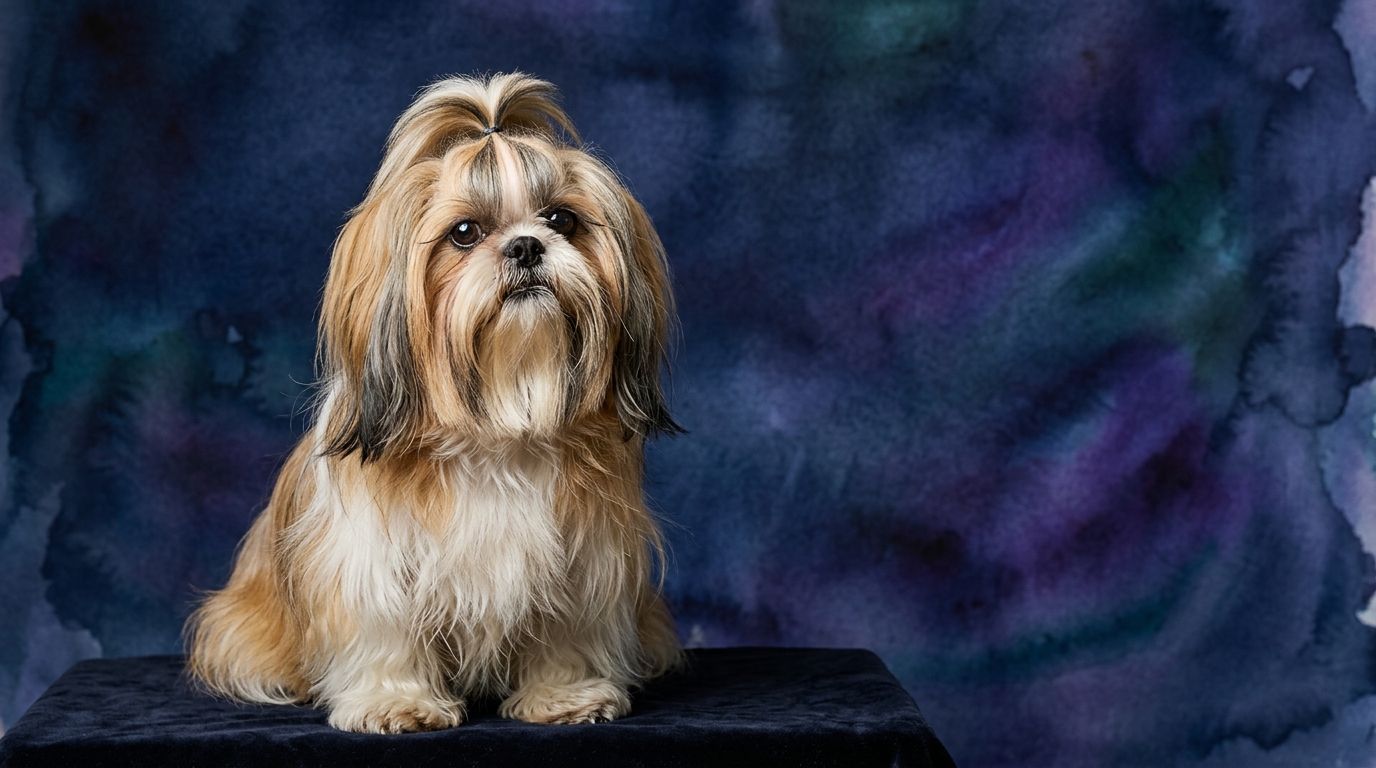
In contrast, the Shih Tzu, a beloved member of the Toy group, holds a Coren rank of #70, reflecting a different set of cognitive priorities shaped by its long history as a companion animal. Its Problem Solving score of 3/5 indicates a moderate capacity for independent problem-solving, often preferring human intervention or simple solutions. A Training Speed of 2/5 suggests a more leisurely approach to learning new commands, requiring patience and consistent reinforcement. However, the Shih Tzu truly shines in Social Intelligence, scoring a perfect 5/5, demonstrating an exceptional ability to bond with humans and navigate complex social interactions with charm and intuition. Its Instinctive Drive of 2/5 points to a lower inherent motivation for task-oriented work, while a Memory score of 3/5 indicates a solid but not outstanding recall of experiences and training.
Where the Shetland Sheepdog Excels Cognitively
The Shetland Sheepdog's cognitive strengths are deeply rooted in its herding heritage, demanding quick thinking, strategic planning, and unwavering focus. Its 4/5 Problem Solving ability means a Sheltie can often figure out how to open gates, navigate complex agility courses, or even devise methods to 'herd' family members. This isn't just about following commands; it's about applying learned principles to novel situations, demonstrating adaptability and ingenuity.
The breed's 5/5 Training Speed and 5/5 Memory work in tandem, allowing Shelties to master extensive vocabularies of commands, complex sequences of actions, and even differentiate between specific objects. Their 5/5 Instinctive Drive translates into a powerful desire to engage in activities with a clear purpose, making them exceptionally motivated for sports like obedience, rally, and flyball. This combination creates a dog that not only learns rapidly but also retains that knowledge and actively seeks opportunities to apply it, making them highly responsive partners in structured activities.
Where the Shih Tzu Shines Cognitively
While the Shetland Sheepdog's strengths lie in task-oriented cognition, the Shih Tzu's brilliance is undeniably in the realm of social intelligence. A perfect 5/5 in this dimension means a Shih Tzu possesses an unparalleled ability to read human emotions, understand subtle cues, and adapt its behavior to maintain harmony and affection within its human family. They are masters of emotional connection, often providing comfort or seeking attention at precisely the right moments, without explicit commands.
This high social intelligence allows the Shih Tzu to form incredibly deep, intuitive bonds with their owners, often anticipating needs or moods. They excel at being present, offering companionship, and integrating seamlessly into household routines, not through strict adherence to rules, but through an innate understanding of social dynamics. Their cognitive focus is less on performing complex tasks and more on fostering reciprocal relationships, making them exceptionally empathetic and endearing companions.
Training Ease: A Tale of Two Approaches
When it comes to training, the differences between these two breeds become particularly apparent. The Shetland Sheepdog, with its 5/5 Training Speed, is a dream for those who enjoy structured learning. They typically pick up new commands after only a few repetitions and are eager to please, driven by their strong instinctive desire for work and partnership. Their sharp memory and problem-solving skills allow them to quickly generalize learned behaviors to different environments and respond reliably to complex command sequences. This makes them excellent candidates for advanced obedience, agility, and even service dog work, where precision and consistent application of skills are paramount. They thrive on mental challenges and view training as an engaging collaboration.
Conversely, the Shih Tzu's 2/5 Training Speed suggests a more patient, persistent approach is necessary. While certainly capable of learning, their motivation often stems from their social bond rather than an inherent drive for task completion. They can have an independent streak and may require more repetitions, creative reinforcement, and a focus on making training fun and rewarding through positive social interaction. House training, in particular, can be a longer process due to their lower instinctive drive and moderate problem-solving capacity, requiring diligent consistency from their owners. They respond best to gentle methods and thrive when training feels like a playful interaction rather than a demanding task.
Matching Canine Cognition with Owner Lifestyle
The cognitive profiles of the Shetland Sheepdog and Shih Tzu naturally align with different owner lifestyles. The Shetland Sheepdog is an ideal match for active owners who relish engaging their dog in mental and physical challenges. Owners who enjoy dog sports, long walks, hiking, or even just extensive training sessions will find a Sheltie to be an enthusiastic and capable partner. Without sufficient mental stimulation and physical outlets, a Sheltie's high instinctive drive and problem-solving abilities can manifest as boredom, leading to behaviors like excessive barking, digging, or trying to 'herd' family members or objects. They thrive in environments where their cognitive capacity is regularly challenged.
The Shih Tzu, on the other hand, is perfectly suited for more relaxed owners seeking a devoted companion whose primary needs revolve around affection and social interaction. While they still benefit from daily walks and playtime, their exercise requirements are moderate, and their mental stimulation comes largely from their rich social lives within the family. Owners who enjoy cuddling on the couch, gentle play, and having a charming presence by their side will find the Shih Tzu's exceptional social intelligence and lower instinctive drive to be a perfect fit. They are content to be cherished companions, adapting readily to a calm home environment, and offering unwavering emotional support.
The Verdict
For those seeking a highly engaged canine partner eager for complex training, active pursuits, and a deep working bond, the Shetland Sheepdog offers a rewarding partnership.
If a deeply affectionate, adaptable companion whose primary joy is social bonding and gentle presence appeals more, the Shih Tzu will be a delightful addition to a more relaxed household.
🧠 Find Your Pet's IQ Score
Our Pet IQ Lab assessment covers 25+ tests across 5 cognitive dimensions — personalized to your breed.
Take the Full IQ Test →Frequently Asked Questions
Are Shetland Sheepdogs good with children?
Yes, Shetland Sheepdogs typically have a social intelligence score of 4/5, making them generally good with children. However, their herding instincts might lead them to gently 'herd' very young or running children, so supervision is always recommended to ensure appropriate interactions.
Do Shih Tzus require a lot of grooming?
While their cognitive demands are lower, Shih Tzus do require significant grooming. Their long, flowing coats need daily brushing to prevent mats, which is a physical rather than cognitive requirement for their well-being.
What kind of mental stimulation do Shih Tzus enjoy?
Shih Tzus, with their 5/5 social intelligence, thrive on mental stimulation that involves interaction with their human family. This includes gentle play, interactive toys that don't require complex problem-solving, and consistent positive reinforcement during short, fun training sessions focused on basic manners or tricks.