Side-by-Side Cognitive Profiles
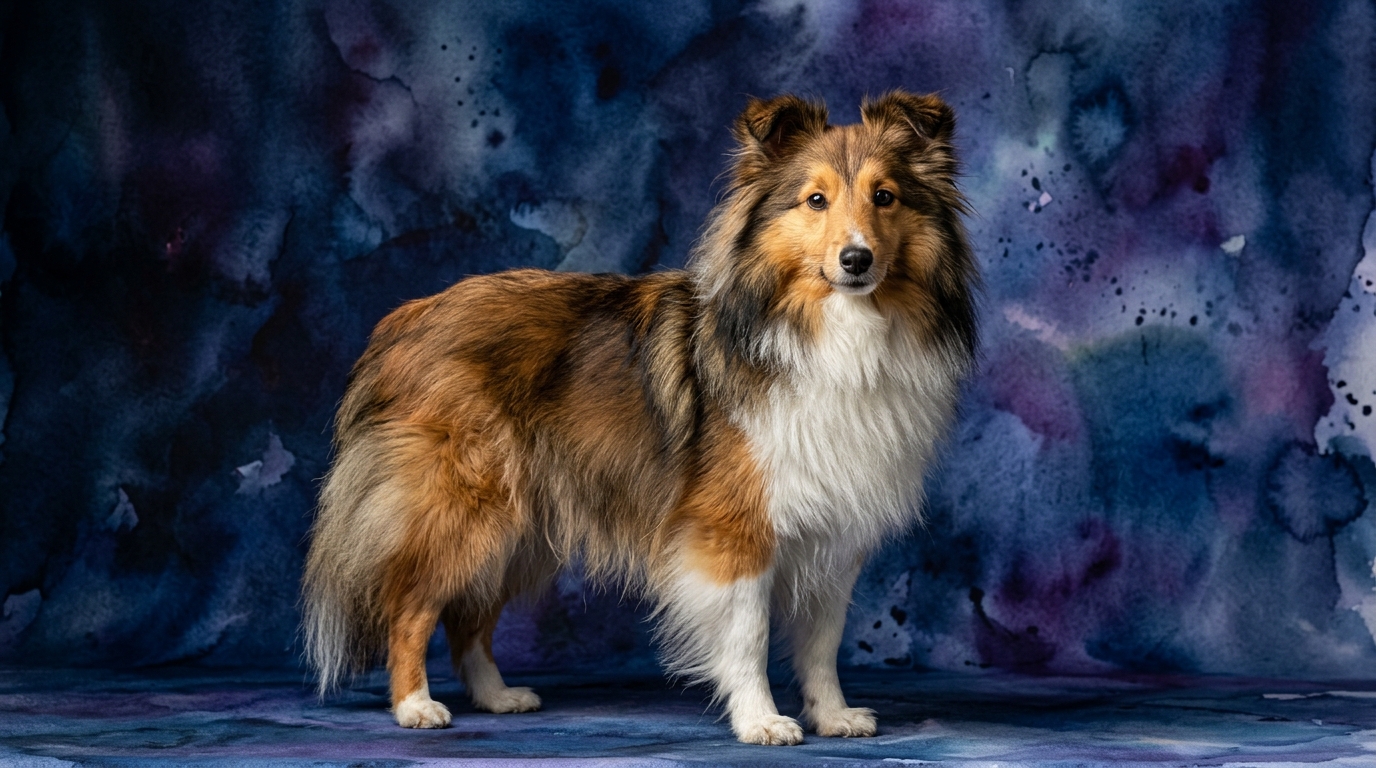
The Shetland Sheepdog, a breed steeped in the tradition of herding, presents a cognitive profile indicating a robust capacity for learning and problem-solving, reflected in its Coren ranking of #6 among dog breeds. Its Problem Solving is rated at 4/5, signifying an ability to navigate complex challenges and adapt strategies effectively. Training Speed is an exceptional 5/5, suggesting rapid assimilation of new commands and routines. Social Intelligence stands at 4/5, illustrating a keen awareness of human cues and social structures. An Instinctive Drive of 5/5 highlights an intense motivation rooted in its working heritage, while its Memory, also 5/5, ensures long-term retention of learned behaviors and experiences.
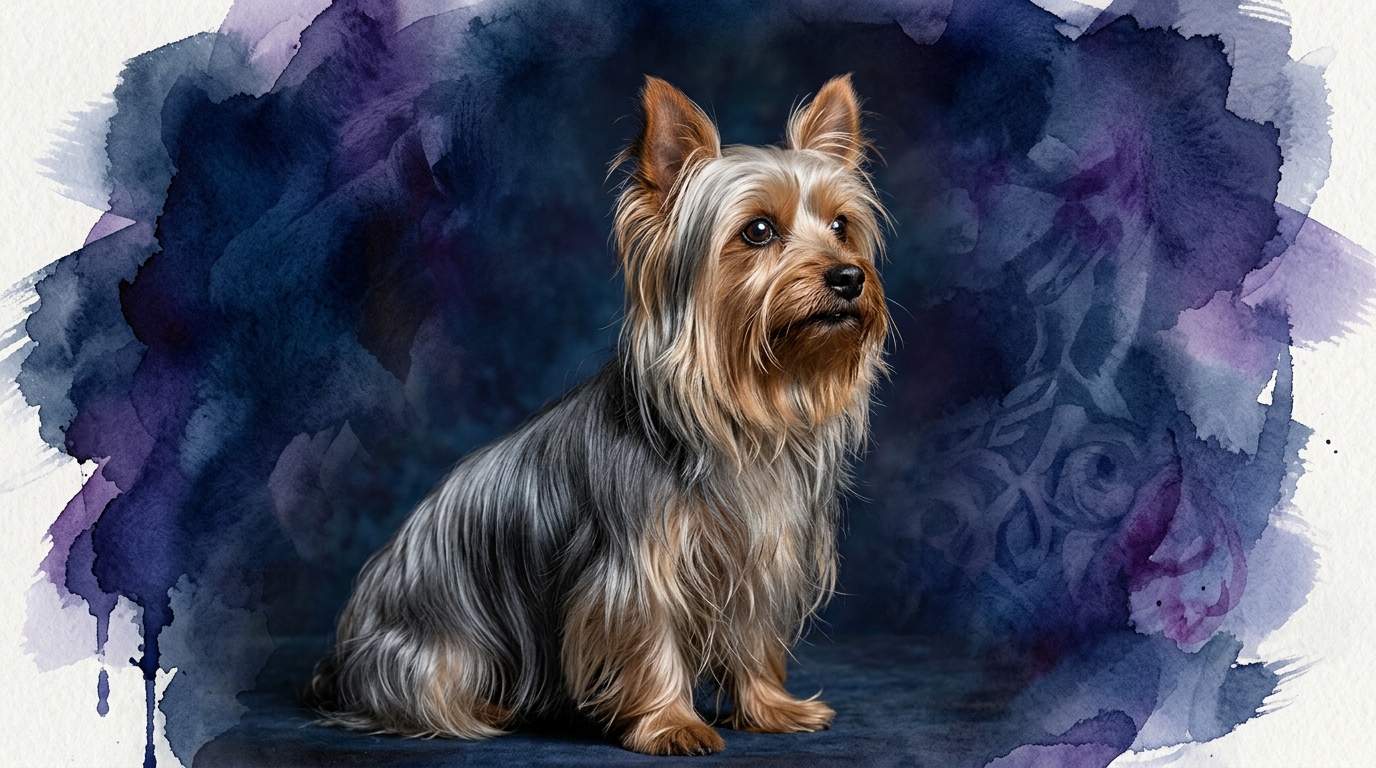
In contrast, the Silky Terrier, a companion breed from the Toy group, exhibits a more moderate cognitive approach across the board, without a formal Coren ranking. Its Problem Solving is rated 3/5, indicating competence in learning from experience to overcome daily obstacles, though perhaps with less spontaneous innovation. Training Speed is 3/5, meaning it learns at a steady, consistent pace requiring patient repetition. Social Intelligence is also 3/5, suggesting affectionate interaction with humans but perhaps a slightly more independent streak. An Instinctive Drive of 3/5 points to a playful nature with moderate prey drive, rather than an intense working focus. Finally, its Memory is 3/5, allowing for reliable retention of familiar commands and routines.
Where the Shetland Sheepdog Excels Cognitively
The Shetland Sheepdog’s cognitive strengths are particularly pronounced in areas demanding mental agility and a strong work ethic. Their 4/5 Problem Solving score means they are adept at tasks requiring multi-step solutions or adapting to changing environments, a direct legacy of their herding responsibilities where they had to think independently and react to dynamic situations. This translates into a dog that can excel in complex obedience routines, puzzle toys, and navigating intricate agility courses.
Furthermore, the Sheltie's 5/5 Training Speed and 5/5 Memory combine to create a canine student of exceptional caliber. They absorb new commands with remarkable swiftness, often anticipating cues, and retain vast amounts of information over extended periods. This capacity for rapid learning and recall makes them prime candidates for advanced dog sports, therapy work, or any activity that benefits from a dog capable of mastering and remembering a diverse repertoire of behaviors. Their 5/5 Instinctive Drive, rather than being solely about herding, signifies a profound motivation to engage in structured activities, viewing training and tasks as fulfilling forms of 'work' rather than mere obligation.
Where the Silky Terrier's Cognitive Profile Shines
While the Silky Terrier’s cognitive scores are more moderate, they represent a balanced and practical intelligence that shines in different contexts. Their 3/5 Problem Solving capacity means they are efficient at learning effective strategies for everyday challenges, such as navigating household obstacles or figuring out how to access a favorite toy, without necessarily overthinking or demanding constant novelty. This practical approach to problem-solving allows them to adapt comfortably to routine and find contentment in familiar surroundings.
The Silky Terrier’s 3/5 Social Intelligence indicates a delightful balance of affection and independence. They form strong bonds with their human companions and enjoy interaction, but their cognitive energy isn't solely consumed by intense focus on human directives. This can be a strength for owners who appreciate a companion capable of self-amusement and who might not desire a dog that requires constant, intense social engagement to prevent anxiety. Their 3/5 Instinctive Drive also means they are playful and engaged but without the overwhelming need for a 'job' that a high-drive breed possesses, making their energy more adaptable to a variety of companion-oriented activities rather than demanding a specific working outlet.
Which Is Easier to Train and Why
When it comes to ease of training, the Shetland Sheepdog holds a distinct advantage due to its 5/5 Training Speed and 5/5 Memory. Shelties typically pick up new commands in very few repetitions, often showing an eagerness to learn and please. Their high instinctive drive means they readily view training as a fulfilling activity, channeling their natural energy and focus into structured tasks. This breed thrives on consistency and positive reinforcement, quickly forming strong associations between actions, cues, and rewards, making them highly responsive and a joy to guide through complex sequences.
The Silky Terrier, with a 3/5 Training Speed, requires a more patient and consistent approach. While perfectly capable of learning a wide array of commands and tricks, they will generally need more repetition and engaging, fun-filled sessions to maintain their interest and focus. Their moderate social intelligence means they might not be as intensely focused on pleasing their human as a Sheltie, occasionally displaying a touch of independent terrier spirit. Owners should be prepared to make training a positive, rewarding experience to ensure continued engagement and success with the Silky Terrier, building on their innate curiosity and desire for interaction.
Suited for Active vs. Relaxed Owners
For active owners seeking a canine partner for demanding pursuits, the Shetland Sheepdog is an ideal match. Their 4/5 problem-solving acumen, 5/5 training speed, and 5/5 instinctive drive necessitate an owner who can consistently provide both vigorous physical exercise and substantial mental challenges. Shelties thrive in environments where they can engage in dog sports such as agility, competitive obedience, or even herding trials, channeling their cognitive prowess into productive outlets. An active owner for a Sheltie is one who enjoys structured daily engagement, seeing their dog as a true partner in sport and learning.
Conversely, the Silky Terrier's balanced cognitive profile makes it a better fit for owners who might be described as more relaxed, yet still committed to their dog's well-being. While not a sedentary breed, the Silky's 3/5 scores across the board indicate an adaptable energy level. They enjoy regular walks, playful interactions, and being a companionable presence without demanding the intense, structured cognitive workload that a Sheltie requires. A relaxed owner for a Silky Terrier will still provide regular mental enrichment through puzzle toys or short, fun training sessions, but won't face the same urgency to provide a 'job' to prevent boredom-driven behaviors, making them a wonderful, engaging companion for a less intensely scheduled life.
The Verdict
Choose the Shetland Sheepdog if you seek a highly engaged canine partner eager for complex training, dog sports, and daily mental challenges, thriving on a clear sense of purpose.
Opt for the Silky Terrier if you desire an affectionate, capable companion who enjoys playful interaction and regular activity but doesn't demand the same intensity of structured cognitive engagement.
🧠 Find Your Pet's IQ Score
Our Pet IQ Lab assessment covers 25+ tests across 5 cognitive dimensions — personalized to your breed.
Take the Full IQ Test →Frequently Asked Questions
Does the Silky Terrier's lower IQ score mean it's difficult to train?
Not at all. A Silky Terrier's 3/5 training speed means they learn at a moderate, steady pace. With consistent, positive reinforcement and engaging sessions, they are perfectly capable of mastering household manners and various tricks, though they may require more repetition than a Shetland Sheepdog.
Are Shetland Sheepdogs prone to herding behaviors in a home environment?
Yes, with an instinctive drive of 5/5, Shetland Sheepdogs often display their herding heritage by attempting to gather family members, children, or even other pets. Early training and redirecting this drive into appropriate activities like fetch or herding games are crucial for managing this natural impulse.
How do their social intelligence scores impact their interaction with families?
A Shetland Sheepdog's 4/5 social intelligence means they are highly attuned to family dynamics, often forming strong, perceptive bonds and responding readily to human cues. A Silky Terrier's 3/5 social intelligence indicates they are affectionate and engaged companions, but may exhibit a touch more independence, requiring consistent positive interaction to build trust and responsiveness.