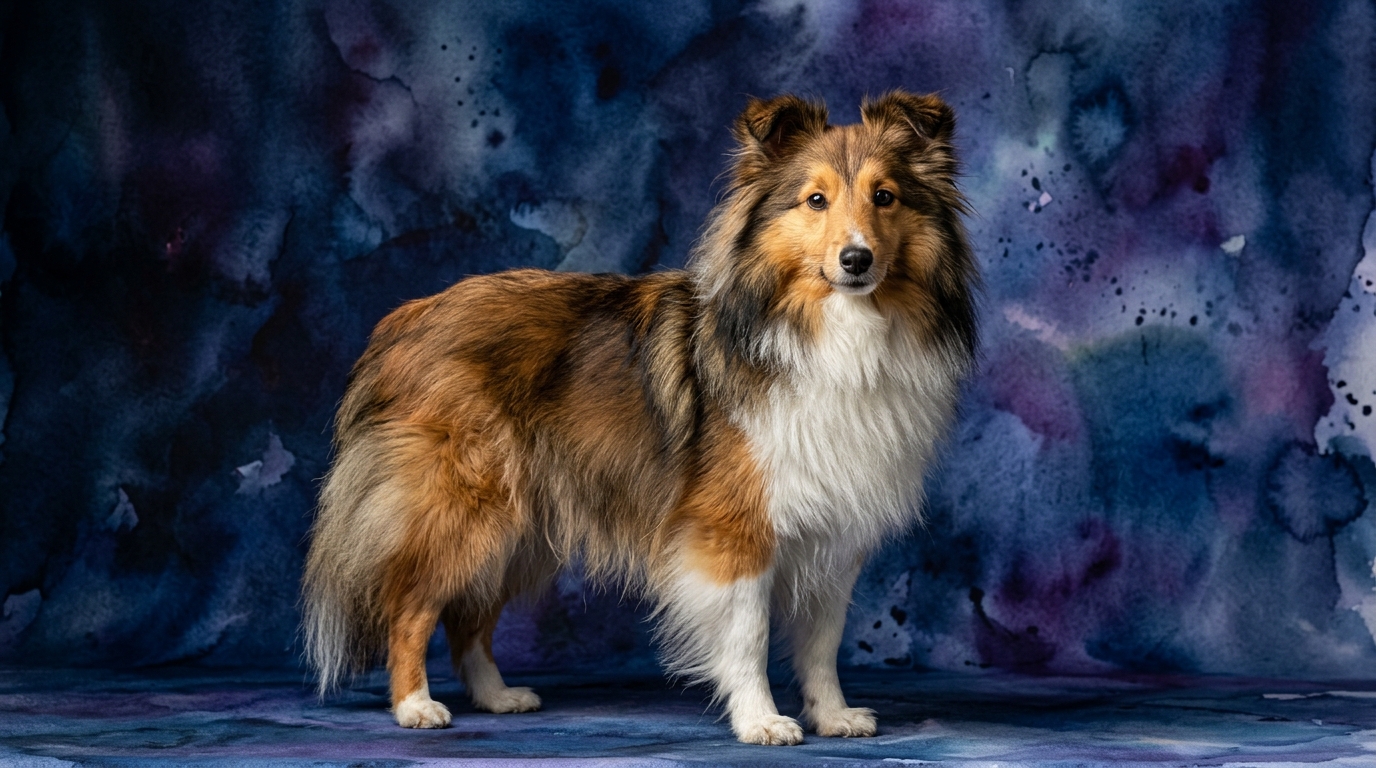
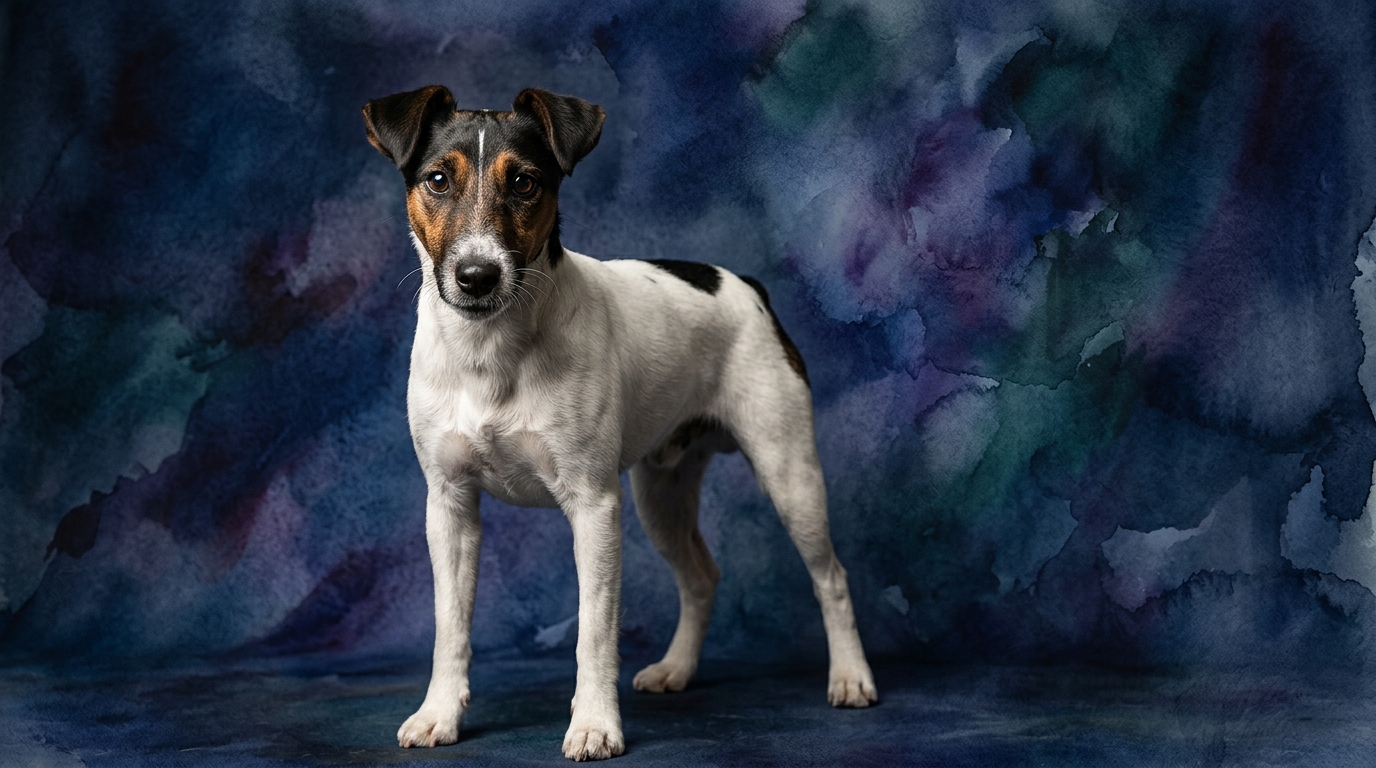
Side-by-Side IQ Profile: Sheltie vs. Smooth Fox Terrier
The Shetland Sheepdog, a herding breed ranking #6 on the Coren scale, presents a cognitive profile built for intricate work and close partnership. Their Problem Solving is rated 4/5, indicating a strong capacity for complex, multi-step solutions, particularly in dynamic environments. Training Speed is an exceptional 5/5, reflecting their rapid grasp of new commands and concepts. Social Intelligence stands at 4/5, showing a refined understanding of human communication and intentions. Their Instinctive Drive, primarily herding, is a robust 5/5, translating into a strong desire for purpose and order. Finally, their Memory is also a perfect 5/5, allowing them to retain vast amounts of information and routines with remarkable accuracy.
In contrast, the Smooth Fox Terrier, a terrier breed without a specific Coren rank, exhibits a cognitive makeup geared towards independent pursuit. Their Problem Solving is 3/5, indicating a moderate but often self-directed approach to challenges, focusing on direct solutions. Training Speed is also 3/5, meaning they require more consistent repetition and motivation to learn new behaviors. Social Intelligence is 3/5, suggesting a functional understanding of cues but less emphasis on deep cooperative interaction. Their Instinctive Drive, primarily prey-driven, is 3/5, manifesting as persistent focus on targets. Their Memory is rated 3/5, sufficient for basic commands and experiences, but less extensive than some other breeds.
Where the Shetland Sheepdog Wins Cognitively
The Shetland Sheepdog's cognitive strengths are deeply rooted in their herding heritage, making them exceptional in areas requiring precise execution and environmental awareness. Their problem-solving acumen (4/5) shines in tasks demanding foresight and adaptability, such as maneuvering through complex obstacle courses or understanding dynamic environmental cues to guide livestock. This involves nuanced interpretation of changing conditions and adjusting strategy on the fly. Furthermore, their superior social intelligence (4/5) allows for an unparalleled depth of communication with their human companions. They often anticipate commands, reading subtle shifts in body language or tone, fostering a truly collaborative partnership built on mutual understanding.
The Sheltie's perfect score in training speed (5/5) and memory (5/5) means they absorb new information with astonishing alacrity and retain it over long periods. A Sheltie can master complex sequences of commands in fewer repetitions and execute them flawlessly weeks later, demonstrating remarkable cognitive efficiency. This combination makes them particularly adept at intricate dog sports, service work, or any role requiring a high degree of learned behaviors and responsiveness.
Where the Smooth Fox Terrier Wins Cognitively
While the Smooth Fox Terrier's cognitive profile doesn't boast the same high scores as the Sheltie, their strengths lie in a different, equally valuable set of traits, tailored to their original purpose. Their problem-solving (3/5) is characterized by an independent, tenacious approach, rather than cooperative strategy. Faced with a challenge, a Smooth Fox Terrier is less likely to wait for instructions, instead devising their own direct, persistent solution to reach a goal, especially if it involves a perceived 'prey' item. This resourcefulness, though sometimes interpreted as stubbornness, is a cognitive win for self-reliance.
Their instinctive drive (3/5), while numerically lower than the Sheltie's, is intensely focused on pursuit and engagement with their environment. This specific drive translates into an unwavering determination in tasks that align with their hunting instincts, allowing them to maintain focus on a single objective despite distractions. This drive isn't about managing a group but about single-minded, persistent engagement. The Smooth Fox Terrier’s moderate social intelligence (3/5) means they are generally less dependent on constant human validation, which can be an advantage for owners seeking a companion with a strong sense of self and less prone to separation anxiety, thriving on their own initiative.
Which is Easier to Train and Why
Without question, the Shetland Sheepdog presents a significantly easier training experience due to their exceptional cognitive profile. Their perfect 5/5 training speed means they grasp new concepts and commands almost immediately, often requiring only a few repetitions before solidifying a behavior. This is compounded by their superior social intelligence (4/5), which makes them eager to please and highly attuned to their handler's intentions, reducing miscommunication and increasing compliance. Furthermore, their outstanding memory (5/5) ensures that once a behavior is learned, it is retained consistently over time, leading to reliable performance.
Conversely, the Smooth Fox Terrier's moderate training speed (3/5) means they require more patience and consistent reinforcement. Their more independent problem-solving (3/5) and lower social intelligence (3/5) mean they are less inclined to automatically defer to human instruction and may prioritize their own interests or investigations. Training a Smooth Fox Terrier often involves finding the right motivational tools to align their strong, independent will with desired behaviors, rather than relying on an innate desire for cooperation. Their moderate memory (3/5) also necessitates more frequent refreshers to maintain learned behaviors.
Which Suits Active Owners vs. Relaxed Owners
The Shetland Sheepdog is an ideal match for active owners who relish engaging in a variety of dog sports and activities. Their high instinctive drive (5/5) for purpose, combined with their problem-solving ability and training speed, makes them excel in agility, obedience, herding trials, and even therapy work. They thrive on mental stimulation and physical activity that provides an outlet for their cognitive and physical energy, making them unsuitable for truly relaxed, sedentary lifestyles. Owners who enjoy teaching complex tricks or participating in competitive events will find a Sheltie to be an exceptionally willing and capable partner.
The Smooth Fox Terrier, while also active, suits a different kind of energetic owner. They require physical activity to satisfy their innate drive for exploration and pursuit, but their independence means they might be less interested in highly structured, repetitive activities like competitive obedience. Instead, they thrive with owners who appreciate spirited walks, vigorous games of fetch, or even earthdog trials where their natural hunting instincts can be safely channeled. Their moderate social intelligence means they can be content with less constant direct interaction than a Sheltie, making them a good fit for active owners who value a companion with a strong individual personality and a propensity for self-amusement, rather than a constantly attentive shadow.
The Verdict
Choose a Shetland Sheepdog if you desire a highly trainable, deeply communicative partner eager for complex mental challenges and cooperative activities like dog sports or intricate trick training.
Choose a Smooth Fox Terrier if you appreciate an independent, tenacious companion with a spirited personality, who thrives on self-directed exploration and vigorous physical activity, and you are prepared for a more persistent approach to training.
🧠 Find Your Pet's IQ Score
Our Pet IQ Lab assessment covers 25+ tests across 5 cognitive dimensions — personalized to your breed.
Take the Full IQ Test →Frequently Asked Questions
Are Shetland Sheepdogs good with children?
Shetland Sheepdogs, with their strong social intelligence and desire to please, are generally excellent with respectful children. They are sensitive and cooperative, but their herding instinct might lead to gentle 'nipping' at heels, which can be managed with proper training and supervision.
Do Smooth Fox Terriers bark a lot?
Smooth Fox Terriers are known for being vocal, often barking to alert their owners to perceived intruders or simply out of excitement. Their instinctive drive and independent nature mean they are quick to react to their environment, which can manifest as frequent barking if not managed through training.
Which breed requires more mental stimulation?
While both breeds benefit from mental stimulation, the Shetland Sheepdog typically requires more consistent and complex cognitive engagement due to their high problem-solving ability and training speed. They thrive on learning new tasks and participating in structured activities to prevent boredom.