Side-by-Side Cognitive Profiles
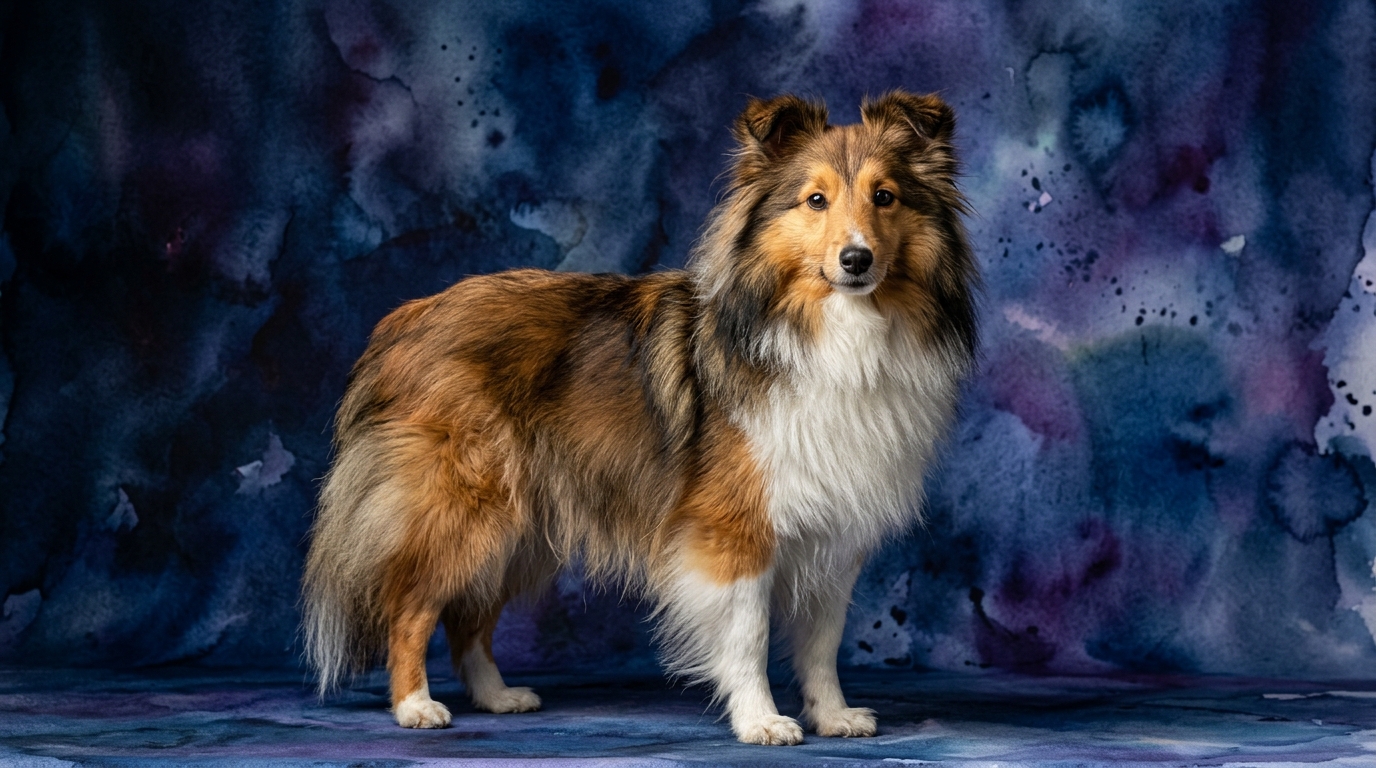
The Shetland Sheepdog, a breed consistently recognized for its sharp mind, holds a Coren rank of #6, placing it among the most responsive and capable learners. Our Cosmic Pet Pet IQ Lab data reflects this with a Problem Solving score of 4/5, indicating a strong capacity for independent thought and navigating complex situations. Their Training Speed is an exceptional 5/5, suggesting they grasp new commands and routines with remarkable rapidity. Social Intelligence at 4/5 points to their nuanced understanding of human cues and pack dynamics, while an Instinctive Drive of 5/5 highlights their intense, focused herding predisposition. A Memory score of 5/5 rounds out their profile, demonstrating excellent retention of learned behaviors and experiences.
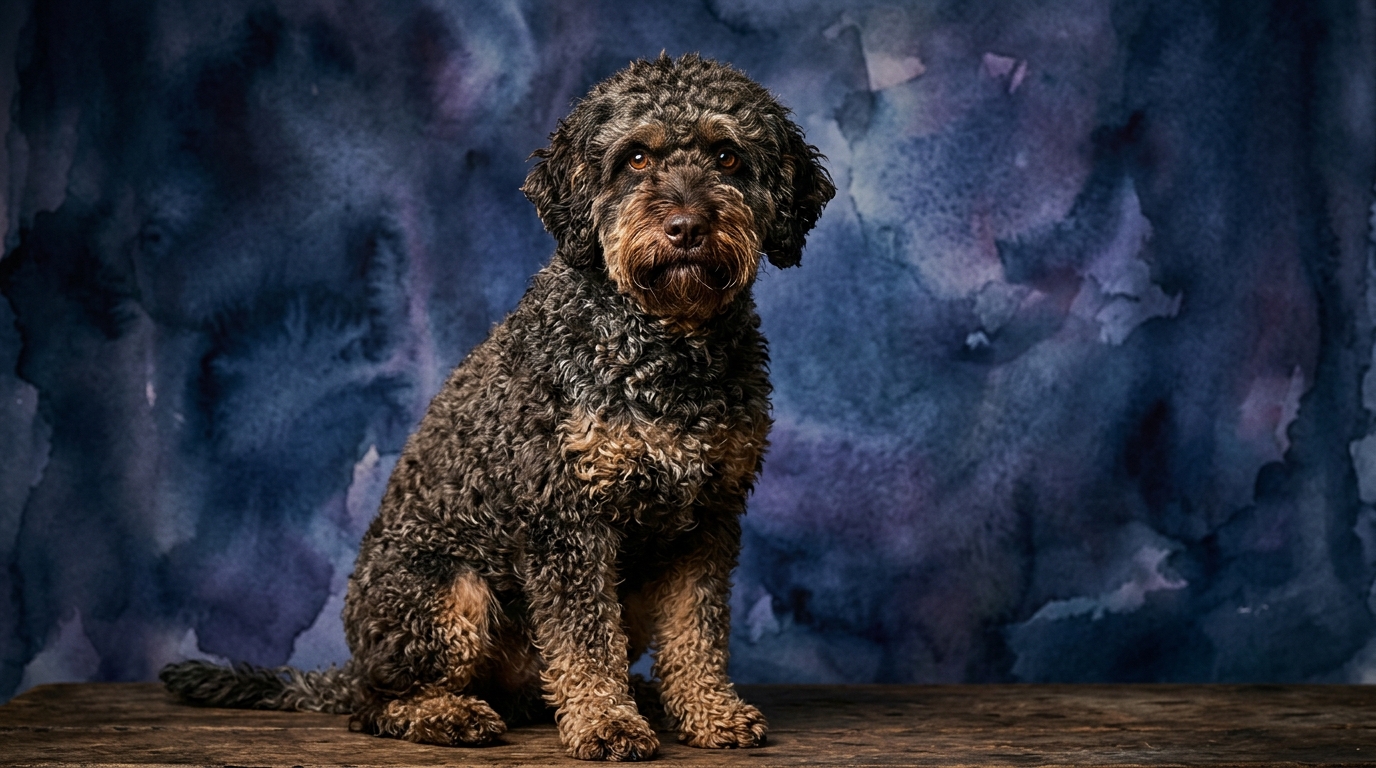
In contrast, the Spanish Water Dog, while also a capable herding breed, presents a more balanced cognitive profile, currently without a Coren rank. Our IQ Lab assessment places their Problem Solving at 3/5, signifying a competent ability to tackle challenges, though perhaps with less spontaneous innovation than the Sheltie. Their Training Speed is also rated 3/5, meaning they are teachable but may require more repetition and patience to solidify new behaviors. Social Intelligence at 3/5 suggests they are attentive to their human companions but might not display the same level of overt emotional attunement. An Instinctive Drive of 3/5 indicates a present but potentially more adaptable herding impulse, and their Memory score of 3/5 points to solid retention, albeit not at the Sheltie's accelerated pace.
Where the Shetland Sheepdog Excels Cognitively
The Shetland Sheepdog truly shines in areas demanding rapid acquisition of knowledge and the application of complex sequences. Their 5/5 Training Speed means an owner can introduce a new command and expect proficiency in fewer repetitions, making them highly receptive to advanced obedience or dog sports like agility. This rapid learning is synergized by their 5/5 Memory, allowing them to recall an extensive repertoire of commands and routines even after long periods. Their 4/5 Problem Solving isn't just about quick fixes; it translates into an ability to strategize, such as figuring out how to open a gate or retrieve a toy from a tricky spot, often without direct instruction. This breed's formidable Instinctive Drive (5/5) means they are highly motivated to work, providing a strong foundation for focused training and task engagement, whether it's herding, tracking, or competitive obedience.
Where the Spanish Water Dog's Cognition Offers Unique Advantages
While the Spanish Water Dog's cognitive scores are generally more moderate, their profile presents distinct advantages, particularly for owners seeking a more independent and less intensely driven companion. Their 3/5 for Problem Solving and Instinctive Drive can mean they are less prone to creating their own 'work' when bored, such as excessive herding of family members or finding creative ways to escape. This moderate drive can translate to a more adaptable nature, less fixated on a single type of mental engagement and potentially more content with varied activities. Their 3/5 Social Intelligence, while not as effusive as a Sheltie's, can mean they form strong, loyal bonds that are less demanding of constant interaction, valuing quiet companionship as much as active participation. This subtle independence is a cognitive strength for those who appreciate a dog that is present and connected but not perpetually seeking direction or affirmation.
Ease of Training: A Clear Distinction
When it comes to ease of training, the Shetland Sheepdog holds a definitive edge. Their 5/5 Training Speed means they are exceptional at picking up new cues, often understanding what's expected after just a few repetitions. This translates into behaviors like a quick, reliable recall even amidst distractions, or the ability to learn intricate sequences for tricks or sports with relative speed. Their 5/5 Memory further solidifies this, ensuring that once a behavior is learned, it's retained with remarkable consistency, reducing the need for constant refreshers. In contrast, the Spanish Water Dog's 3/5 Training Speed and Memory indicate that while they are certainly trainable, owners will likely need to employ more consistent repetition and patience. They may require more sessions to master a new command and might need more frequent practice to maintain proficiency, particularly in distracting environments. This isn't a sign of inability, but rather a difference in their cognitive processing speed and retention efficiency.
Matching Cognitive Profiles to Lifestyles
The Shetland Sheepdog's robust cognitive profile, characterized by high problem-solving abilities, intense drive, and rapid learning, makes them an excellent fit for active owners who thrive on consistent mental engagement. These individuals often excel in dog sports, advanced obedience, or roles where their sharp minds and eagerness to please can be fully utilized. A Sheltie will likely become bored and potentially destructive if not given outlets for their substantial mental energy and instinctive drives, making them less suitable for relaxed owners seeking a purely decorative companion. Their need for complex tasks and consistent interaction aligns perfectly with a lifestyle that prioritizes training, puzzles, and interactive play.
The Spanish Water Dog, with its more moderate cognitive scores, suits a different kind of active owner – one who appreciates a capable and willing partner but doesn't necessarily seek a dog that constantly demands intricate mental challenges. Their 3/5 instinctive drive means they enjoy activity but might be more adaptable to varied routines, without the same intensity of focus as a Sheltie. While they benefit from regular activity and training, their slightly lower social intelligence and problem-solving scores suggest they might be content with less overtly structured mental work, enjoying tasks that are practical and engaging without needing constant novelty. They can be a good match for owners who enjoy outdoor adventures but also value a dog's independent spirit and less demanding presence indoors.
The Verdict: When to Choose Each Breed
The Verdict
Choose the Shetland Sheepdog if you are an owner eager for a highly responsive, quick-witted partner for advanced training, dog sports, or a working role, prepared to provide consistent mental stimulation. Their exceptional learning and memory ensure a rewarding, dynamic partnership.
Opt for the Spanish Water Dog if you seek a capable, loyal companion with a balanced drive and a degree of independence, willing to engage in activities but without the Sheltie's intense demand for constant, complex mental work. They thrive with active owners who appreciate their adaptable nature.
🧠 Find Your Pet's IQ Score
Our Pet IQ Lab assessment covers 25+ tests across 5 cognitive dimensions — personalized to your breed.
Take the Full IQ Test →Frequently Asked Questions
Are Spanish Water Dogs difficult to train?
Spanish Water Dogs are not difficult to train, but their 3/5 training speed means they require more patience and consistency than a Shetland Sheepdog. Owners should be prepared for more repetitions and varied training methods to solidify new behaviors effectively.
Do Shetland Sheepdogs need a lot of mental stimulation?
Absolutely. With 4/5 problem-solving and 5/5 instinctive drive, Shetland Sheepdogs thrive on mental challenges and purposeful activities. Without adequate mental engagement, they may invent their own 'work,' which can sometimes manifest as unwanted behaviors.
How do their herding instincts compare?
The Shetland Sheepdog possesses a very strong, focused herding instinct (5/5), often displaying intense eye and stalk behaviors, making them highly effective in traditional herding roles. The Spanish Water Dog's herding instinct (3/5) is present but generally more moderate and adaptable, often expressed in a more general desire to gather or control, rather than the Sheltie's precise drive.