Side-by-Side Cognitive Profiles
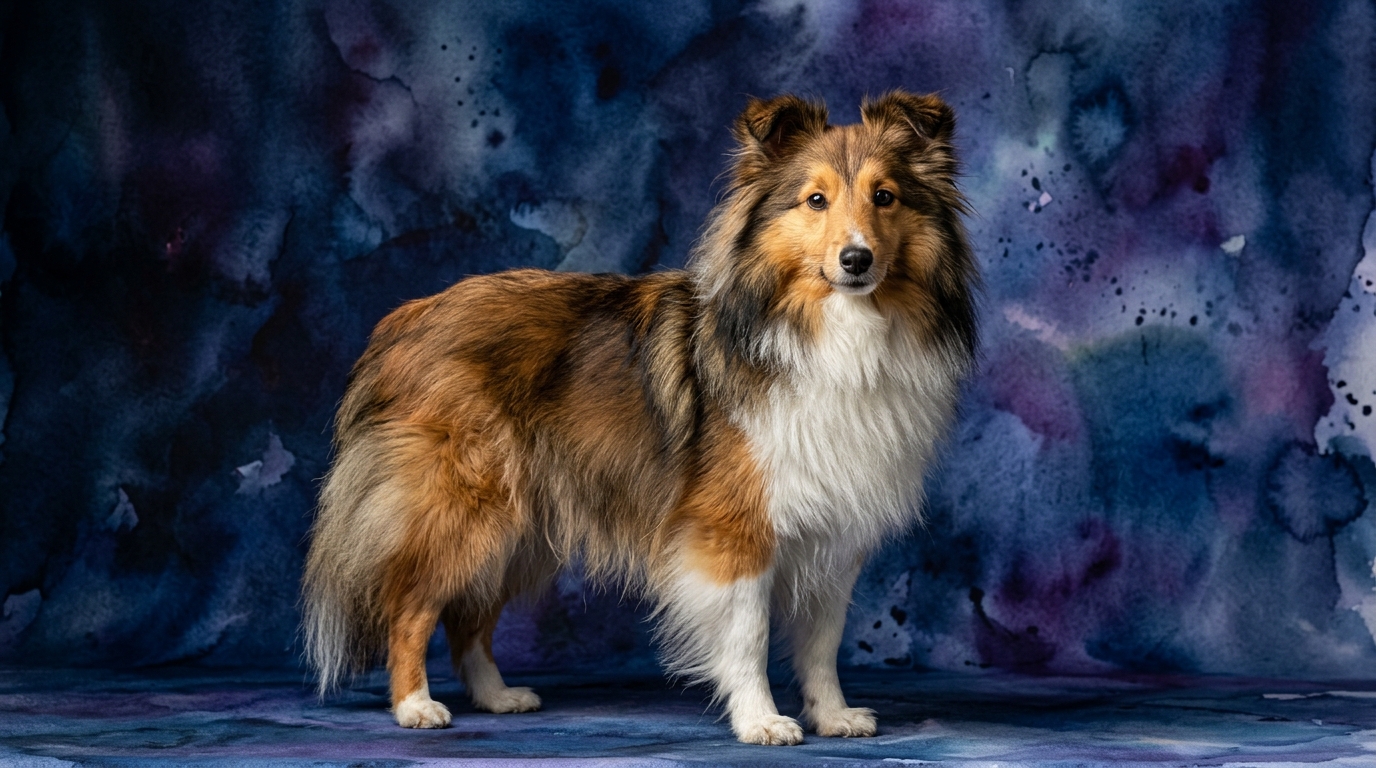
The Cosmic Pet Pet IQ Lab offers a nuanced look at canine cognition, beyond simple 'smart' labels. For the Shetland Sheepdog, Coren-ranked at an impressive #6, their profile reflects a breed honed for complex herding tasks. Their Problem Solving is rated 4/5, indicating a strong capacity for independent thought and navigating intricate situations. Training Speed stands at a perfect 5/5, meaning they grasp new commands with remarkable rapidity, often requiring minimal repetitions. Social Intelligence is 4/5, demonstrating a keen attunement to human emotional states and subtle cues. An Instinctive Drive of 5/5 highlights their profound internal motivation for task-oriented work, while their Memory, also 5/5, ensures learned behaviors are retained over long periods, making them incredibly reliable.
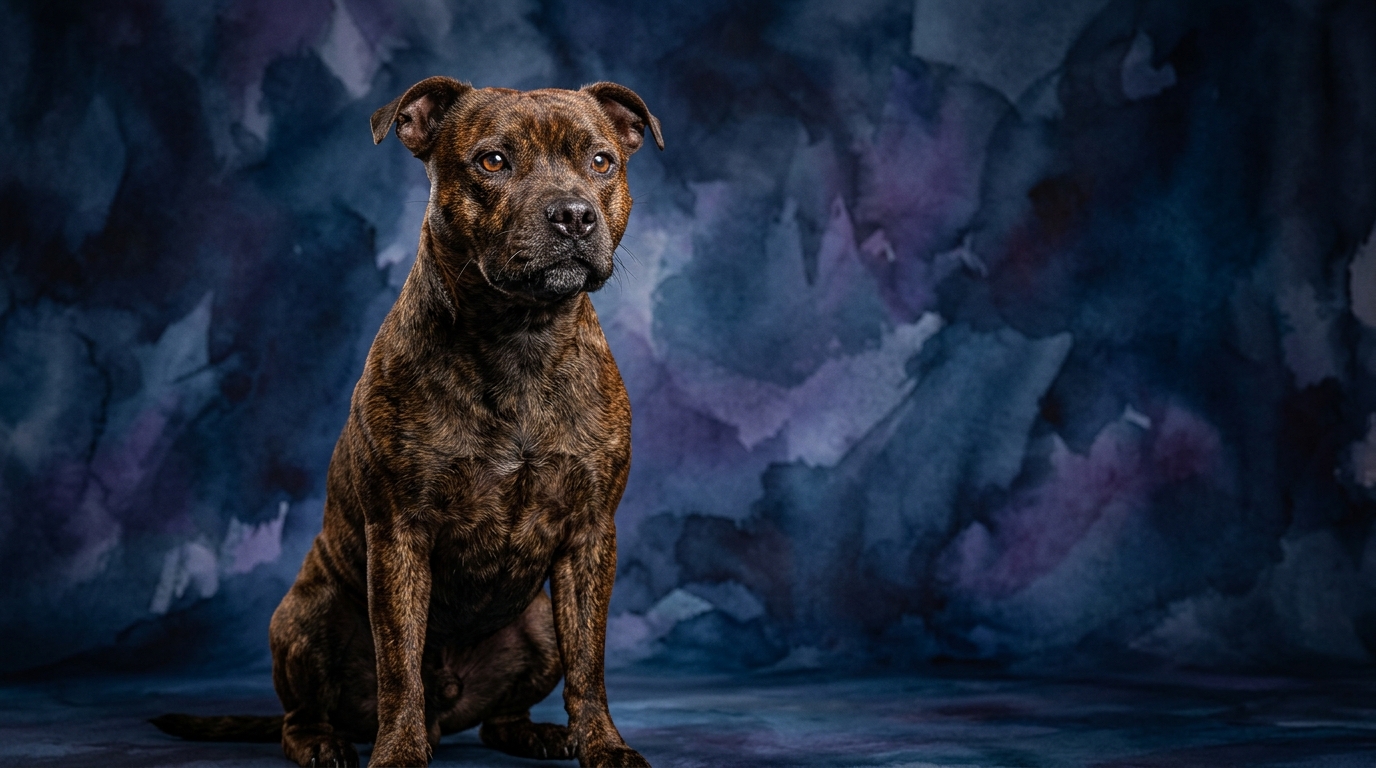
In contrast, the Staffordshire Bull Terrier, while not appearing on Coren's ranking, presents a cognitive profile geared towards different strengths. Their Problem Solving is 3/5, suggesting they are capable of finding solutions but may benefit from more guidance or a trial-and-error approach. Training Speed is 3/5, indicating a moderate learning pace that thrives on consistency and positive reinforcement. Social Intelligence is 3/5; they form deep bonds and understand fundamental human intentions, though they might not interpret complex social nuances with the same precision as a herding breed. An Instinctive Drive of 3/5 points to a moderate internal motivation, often focused on companionship and interactive play rather than specific, complex tasks. Finally, their Memory is 3/5, meaning they recall commands and experiences, but regular refreshers can be beneficial to maintain sharp recall.
Where the Shetland Sheepdog Excels Cognitively
The Shetland Sheepdog's cognitive strengths are deeply rooted in their herding heritage. Their superior Training Speed (5/5) means they absorb new information with astonishing efficiency, making them a dream for anyone interested in competitive obedience or dog sports. This isn't just about rote memorization; it's about understanding the 'why' behind a command and generalizing that knowledge to new contexts quickly. For instance, a Sheltie might pick up a complex scent discrimination task in a fraction of the time it takes other breeds, due to their innate drive to process and act on information.
Their Instinctive Drive (5/5) is a powerful cognitive asset, manifesting as an inherent desire to organize, control, and perform tasks. This drive, coupled with their Problem Solving (4/5) and Memory (5/5), allows them to excel in intricate activities like agility courses, where they must quickly assess obstacles, remember sequences, and execute precise movements. Furthermore, their high Social Intelligence (4/5) enables them to anticipate their owner's next move or emotional state, fostering a remarkably intuitive partnership. This translates into a dog that often seems to read minds, making them exceptional service or therapy animals where close human attunement is paramount.
Where the Staffordshire Bull Terrier Shines Cognitively
While the Staffordshire Bull Terrier's cognitive scores are numerically lower, their strengths lie in a different sphere of intelligence, one geared towards robust companionship and unwavering loyalty. Their Problem Solving (3/5) is practical and persistent; they may not devise elaborate multi-step plans, but they are adept at finding direct, often physical, solutions to immediate challenges, like retrieving a favorite toy from a tight space. This tenacity, rather than abstract reasoning, defines their problem-solving approach.
The Staffy's Social Intelligence (3/5) is less about interpreting subtle cues for task performance and more about forging deep, steadfast emotional bonds. They are masters of affection and connection, readily understanding basic human intentions related to comfort, play, and presence. This translates into a dog that offers profound emotional support and an honest, straightforward interaction, free from the complexities of overthinking social dynamics. Their Instinctive Drive (3/5), while not task-oriented, is powerfully directed towards engaging with their human family, making them excellent playmates and devoted companions who thrive on shared experiences rather than structured work.
Trainability: Sheltie's Rapid Grasp vs. Staffy's Steadfast Will
When it comes to formal training, the Shetland Sheepdog generally presents an easier path for owners. Their 5/5 Training Speed means they absorb commands with impressive swiftness, often requiring only a handful of repetitions to solidify a new behavior. This, combined with their 5/5 Instinctive Drive to work and please, makes them highly motivated and responsive to direction. For example, teaching a Sheltie a complex sequence of tricks, like 'bow, spin, high-five,' can often be achieved in a few dedicated sessions, as their memory (5/5) ensures retention and their problem-solving (4/5) allows them to connect the dots quickly. They thrive on positive reinforcement and clear communication, eager to engage in mental challenges.
The Staffordshire Bull Terrier, with a 3/5 Training Speed, requires a different approach. Their training is less about rapid acquisition and more about consistent, engaging, and patient reinforcement. Staffies often possess a strong will, and their Instinctive Drive (3/5) is more about interactive play and companionship than performing specific tasks for a reward. This means training sessions need to be kept fun, short, and highly rewarding, often incorporating toys or play as motivators. While they can learn a wide array of commands, the process might take longer, and owners need to be prepared for more repetitions and creative methods to maintain their interest. Their memory (3/5) benefits from regular practice to keep commands fresh.
Matching Canine Cognition to Owner Lifestyles
The cognitive profiles of these two breeds offer clear guidance for matching them with suitable owner lifestyles. For active owners who thrive on engaging in structured activities, competitive dog sports, or complex training, the Shetland Sheepdog is an ideal match. Their 5/5 Instinctive Drive, coupled with high scores in Problem Solving, Training Speed, and Memory, means they require consistent mental stimulation and a 'job' to feel fulfilled. An owner who can channel their herding instincts into activities like agility, obedience, or even advanced trick training will find a Sheltie to be an incredibly rewarding and responsive partner. Without sufficient mental engagement, a Sheltie can become bored, potentially leading to behaviors like excessive barking or compulsive chasing, indicating an unmet cognitive need.
Conversely, for more relaxed owners who prioritize affectionate companionship and moderate daily activity, the Staffordshire Bull Terrier often fits seamlessly into family life. Their cognitive profile, with 3/5 across most dimensions, suggests they are less prone to becoming anxious or destructive from a lack of intense mental challenges. While they still require regular exercise and basic training, their deep Social Intelligence (3/5) is geared towards forming unwavering bonds with their human family, making them content with play sessions, walks, and plenty of cuddle time. They are often less demanding in terms of structured mental work, thriving on the simple joy of being a devoted family member rather than a performance athlete.
The Verdict
Opt for a Shetland Sheepdog if you're an owner seeking a highly trainable, task-oriented companion eager to master complex commands and engage in advanced dog sports or activities. Their sharp memory and strong drive make them excel in structured learning environments and thrive with consistent mental challenges.
Select a Staffordshire Bull Terrier if your priority is a devoted, affectionate companion who thrives on close human interaction and moderate activity rather than intense mental work. Their steadfast loyalty and adaptable nature make them wonderful family members for those seeking a less demanding but equally rewarding bond.
🧠 Find Your Pet's IQ Score
Our Pet IQ Lab assessment covers 25+ tests across 5 cognitive dimensions — personalized to your breed.
Take the Full IQ Test →Frequently Asked Questions
Is the Shetland Sheepdog truly a mini Collie in terms of intelligence?
While not a direct miniature of the Rough Collie, the Shetland Sheepdog shares many cognitive traits with its larger herding cousins, including a high capacity for learning and problem-solving. Their working heritage instilled a deep desire to cooperate and understand human direction, making them incredibly receptive to training.
Do Staffordshire Bull Terriers struggle with training?
Staffordshire Bull Terriers don't struggle with training, but they require a different approach than some other breeds. They respond best to positive reinforcement, short, engaging sessions, and a trainer who understands their strong will and desire for connection. Consistency and making training fun are key to their success.
Which breed is better for a first-time dog owner?
For a first-time owner, the choice depends on lifestyle. A Shetland Sheepdog is highly trainable but demands significant mental engagement, which can be overwhelming without prior experience. A Staffordshire Bull Terrier, while needing consistent socialization and training, often presents a more straightforward companionship model, making them a good choice for those seeking a devoted, less cognitively demanding partner, provided socialization is prioritized.