Side-by-Side IQ Profile: Herding Precision vs. Sporting Prowess
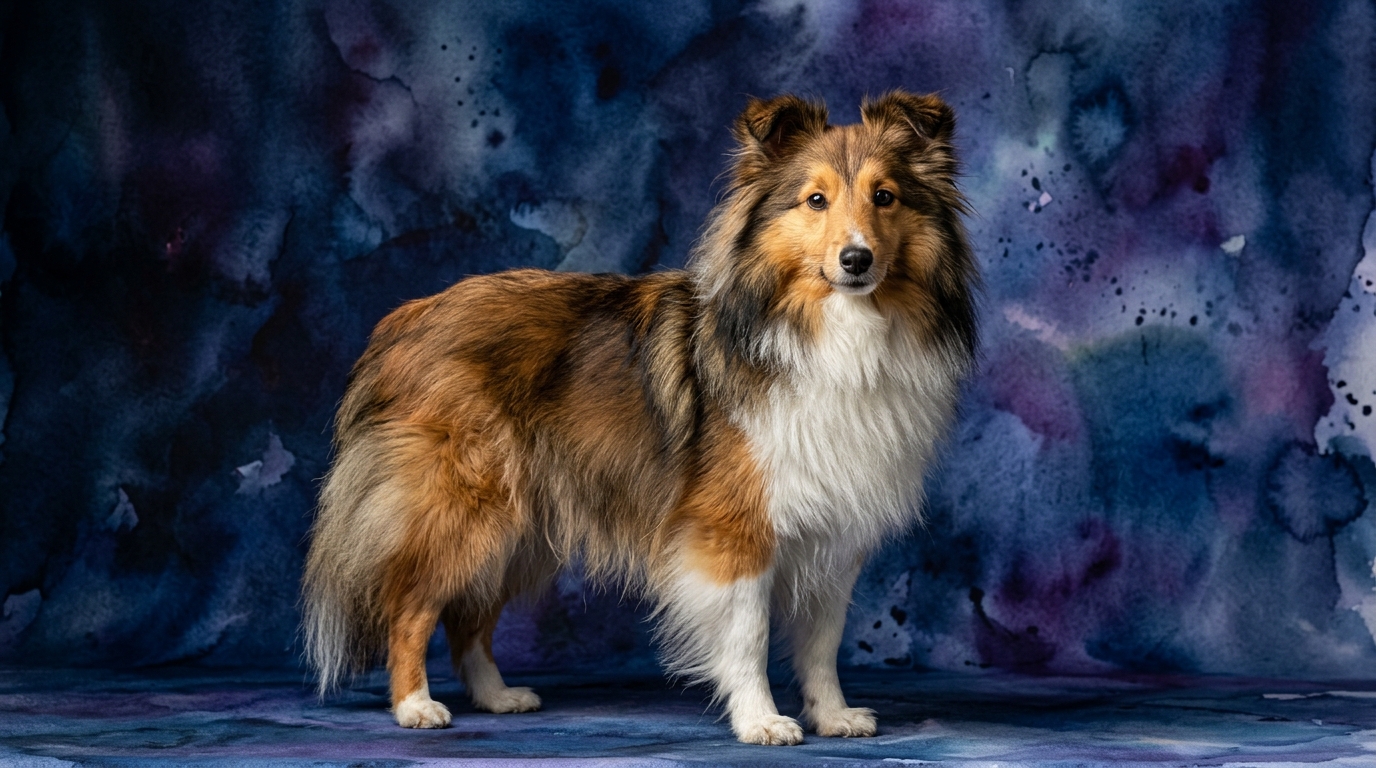
At The Cosmic Pet Pet IQ Lab, we assess canine cognition across five critical dimensions to paint a nuanced picture of each breed's mental makeup. The Shetland Sheepdog, a Herding Group member ranked #6 on Coren's scale, presents a profile marked by exceptional learning and recall. Its problem Solving is rated 4/5, indicating a strong capacity for independent thought in navigating complex tasks. Training Speed is an impressive 5/5, reflecting their eagerness and quick grasp of new commands. Social Intelligence stands at 4/5, showing a good understanding of human cues and pack dynamics. Their Instinctive Drive is 5/5, a clear nod to their powerful herding heritage, and Memory is an outstanding 5/5, allowing them to retain vast repertoires of learned behaviors and commands.
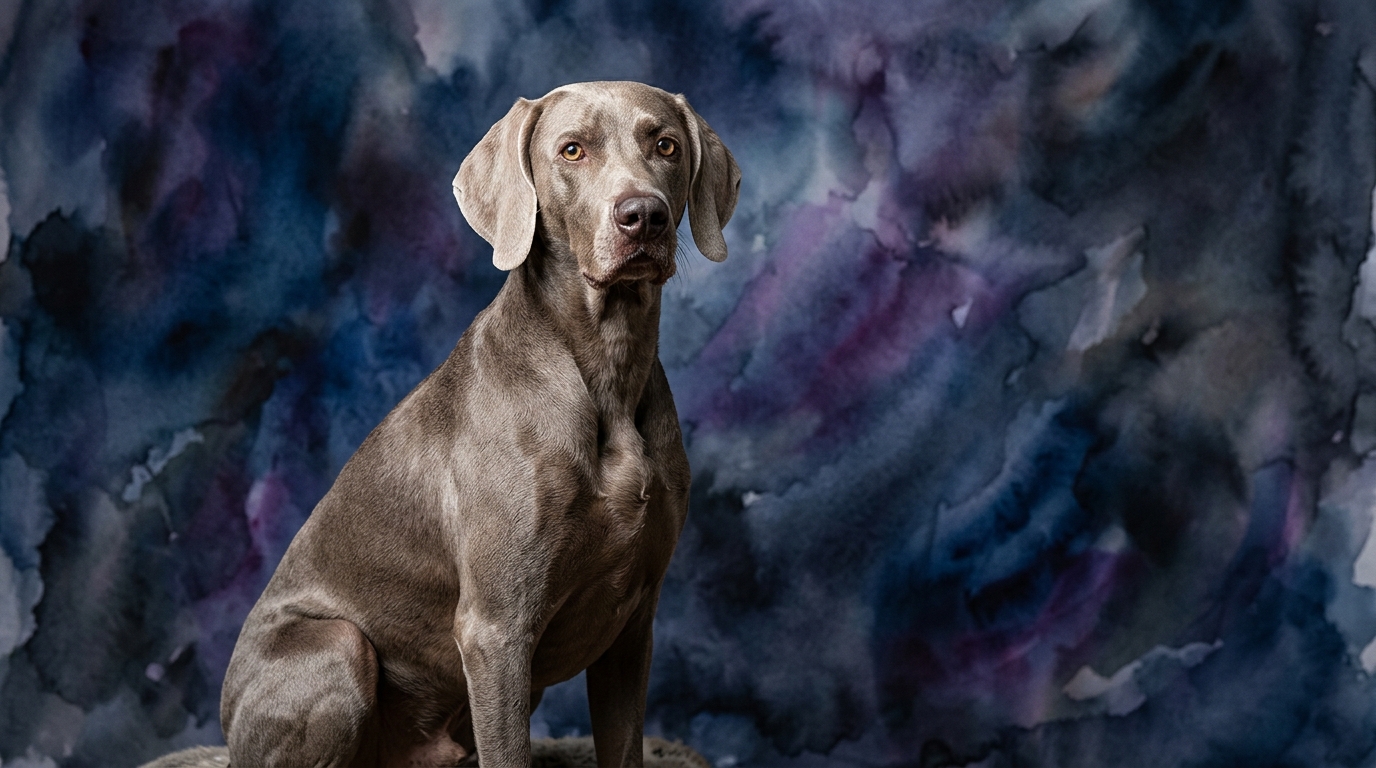
The Weimaraner, a Sporting Group stalwart ranked #21 by Coren, demonstrates a different yet equally potent cognitive blueprint, honed for sustained outdoor work. Its problem Solving also scores 4/5, suggesting a similar ability to overcome obstacles, albeit often in a more independent, field-oriented manner. Training Speed is 4/5, indicating a solid learning pace, though perhaps requiring more consistent motivation than the Sheltie. Social Intelligence matches the Sheltie at 4/5, reflecting their strong bond with their human companions. Their Instinctive Drive is a formidable 5/5, essential for their role as relentless hunting partners, and Memory is rated 4/5, demonstrating reliable recall for hunting sequences and commands, even if not quite at the Sheltie's peak.
Where the Shetland Sheepdog Wins Cognitively
The Shetland Sheepdog's cognitive edge is most apparent in its superior Training Speed (5/5) and Memory (5/5). These dimensions combine to create a dog that absorbs new information with remarkable rapidity and retains it over extended periods. A Sheltie can master intricate obedience routines, complex agility courses, or multi-step trick sequences faster than many other breeds, often needing only a few repetitions to solidify a behavior. Their exceptional memory means that once a command or skill is learned, it remains deeply ingrained, making refreshers quick and easy, even after long breaks.
This cognitive strength is a direct evolutionary result of their herding role, where precise and immediate responses to a shepherd's subtle cues were paramount for guiding livestock. A Sheltie's capacity for intricate pattern recognition and quick recall allows them to manage complex flock movements, anticipate changes, and execute precise maneuvers with minimal direction. This makes them particularly adept at competitive obedience, rally, and other dog sports that demand a high degree of precision, responsiveness, and sequence learning.
Where the Weimaraner Wins Cognitively
The Weimaraner's cognitive strengths shine brightest in its unwavering Instinctive Drive (5/5) coupled with its robust Problem Solving (4/5) within a hunting context. While their Problem Solving score is shared with the Sheltie, the Weimaraner applies this ingenuity with a singular, sustained focus towards its purpose. This breed excels at independently navigating complex outdoor environments, tracking elusive scents for extended periods, and making on-the-spot decisions to pursue and retrieve game, often without direct human intervention in every step.
Their powerful instinctive drive isn't just about energy; it's about a deep, intrinsic motivation to fulfill their working purpose. This manifests as remarkable stamina and tenacity in the field, allowing them to remain engaged and effective throughout long hunting excursions. A Weimaraner's cognitive success lies in its ability to integrate sensory information, spatial awareness, and a relentless drive to achieve its goal, demonstrating a practical intelligence geared towards self-reliant task completion in dynamic, natural settings.
Which is Easier to Train and Why
When it comes to ease of training, the Shetland Sheepdog generally holds an advantage due to its 5/5 Training Speed compared to the Weimaraner's 4/5. Shelties possess an innate eagerness to please and a highly attentive nature, which makes them incredibly receptive to instruction. They pick up new commands and cues quickly, often anticipating their handler's next move. Their strong memory further solidifies learned behaviors, reducing the need for extensive repetition.
Weimaraners, while certainly capable learners, require a different approach. Their strong independent streak and powerful instinctive drive mean that training must be highly engaging and consistent to maintain their focus. They may be more prone to 'selective hearing' if not adequately motivated or if the training isn't stimulating enough. While they learn commands effectively, their process may involve more patience and creativity from the trainer to channel their boundless energy and independent thought into desired behaviors, rather than allowing them to follow their own agenda.
Which Suits Active Owners vs. Relaxed Owners
Neither the Shetland Sheepdog nor the Weimaraner are suitable for truly relaxed owners; both breeds possess a 5/5 Instinctive Drive that demands significant engagement. However, the *type* of activity they require differs. The Shetland Sheepdog thrives with owners who can provide ample mental stimulation, such as agility, obedience trials, herding games, or learning complex tricks. While they need regular physical exercise, their smaller size means this can often be met with vigorous walks, runs, and play sessions, complemented by extensive brain games to satisfy their cognitive needs.
The Weimaraner, conversely, is best suited for highly active owners who can commit to extensive, sustained physical exertion daily. Their formidable stamina and prey drive mean they excel in activities like long-distance running, hiking, biking alongside their owner, or participating in dog sports like dock diving, tracking, and field work. Without consistent, demanding physical outlets that tap into their instinctive drive, a Weimaraner can become restless and prone to developing undesirable behaviors. For owners seeking a partner for rigorous outdoor adventures, the Weimaraner is an unparalleled companion.
The Verdict
Choose the Shetland Sheepdog if you seek a highly trainable, responsive companion eager to master complex skills and participate in precision-based dog sports.
Opt for the Weimaraner if you're an extremely active owner seeking a tenacious, independent partner for demanding outdoor adventures and sustained physical challenges.
🧠 Find Your Pet's IQ Score
Our Pet IQ Lab assessment covers 25+ tests across 5 cognitive dimensions — personalized to your breed.
Take the Full IQ Test →Frequently Asked Questions
Are Shetland Sheepdogs good for first-time dog owners?
Yes, their high training speed and eagerness to please make them generally suitable for first-time owners who are committed to consistent positive reinforcement and providing ample mental stimulation. Their responsiveness helps new owners build confidence.
Do Weimaraners need a lot of space?
Weimaraners definitely benefit from ample space, especially a secure yard, but more importantly, they need extensive daily exercise regardless of their living situation. Their high instinctive drive necessitates significant physical exertion and mental engagement to prevent boredom and destructive behaviors.
Which breed is better with children?
Both breeds can be excellent with children when properly socialized and trained from a young age, and when children are taught how to interact respectfully with dogs. The Sheltie's gentle nature and the Weimaraner's robust playfulness can both be positive, but supervision is always key.