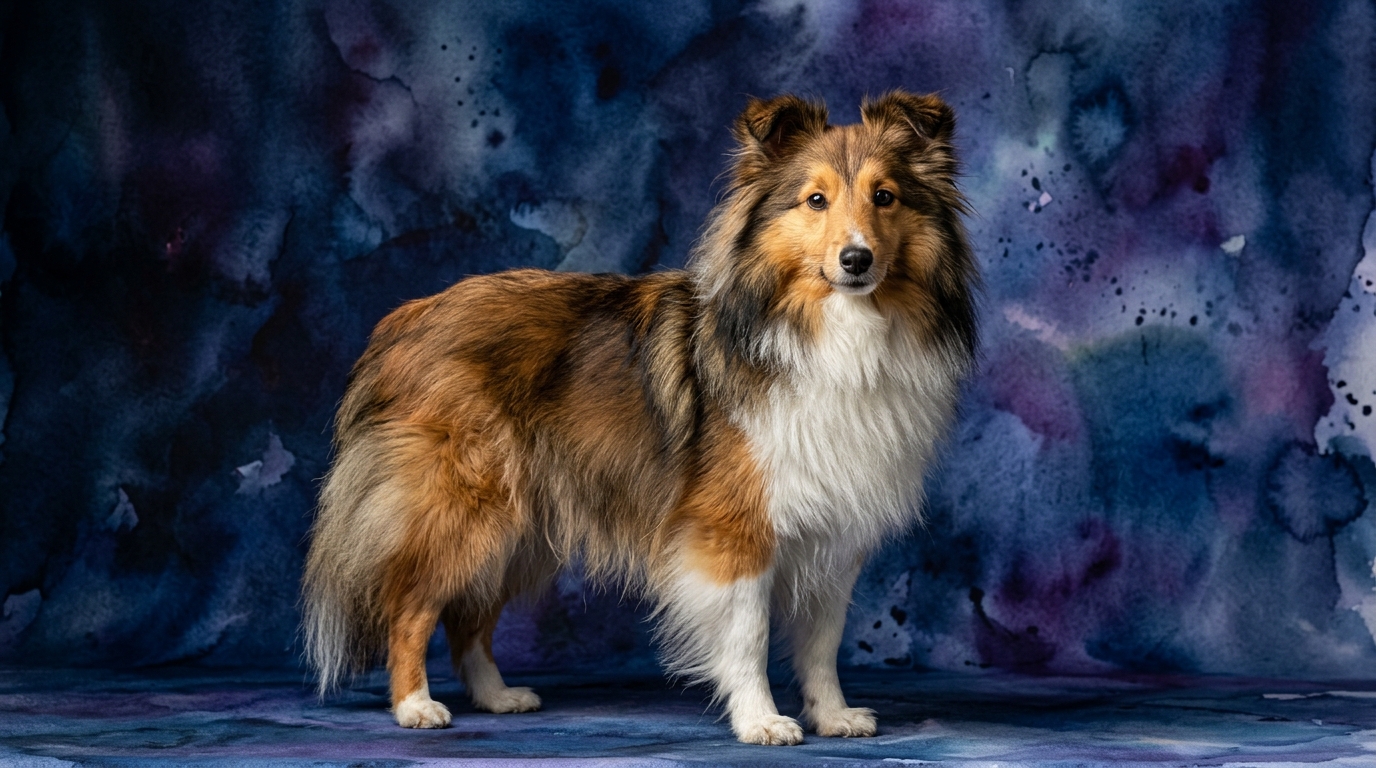

Side-by-Side IQ Profile: Sheltie vs. Wire Fox Terrier
The Cosmic Pet Pet IQ Lab meticulously evaluates canine intelligence across five critical dimensions, providing a granular view of each breed's cognitive architecture. For the Shetland Sheepdog, a breed Coren-ranked at an impressive #6, their profile paints a picture of exceptional acumen. Their Problem Solving is rated 4/5, indicating a capacity for strategic thought and complex task navigation. Training Speed is a perfect 5/5, reflecting their rapid learning and eagerness to comply. Social Intelligence, at 4/5, highlights their astute ability to interpret human cues and form deep bonds. An Instinctive Drive of 5/5 underscores their inherent purposefulness, while their Memory also earns a 5/5 for excellent retention.
In contrast, the Wire Fox Terrier, not Coren-ranked, presents a different cognitive landscape tailored to its tenacious heritage. Their Problem Solving registers at 3/5, suggesting a more practical, hands-on approach to challenges rather than abstract strategizing. Training Speed is 3/5, indicating a moderate learning pace often influenced by their independent streak. Social Intelligence, also 3/5, points to a discerning nature, forming strong connections within their inner circle but less universally accommodating. Their Instinctive Drive sits at 3/5, embodying a self-directed prey drive, and Memory is 3/5, serving practical recall rather than extensive sequences.
Where the Shetland Sheepdog Wins Cognitively
The Shetland Sheepdog's cognitive strengths are evident in its superior scores across the board, particularly in areas demanding collaboration and foresight. Their 4/5 Problem Solving isn't just about figuring things out; it's about anticipating outcomes and executing multi-step plans, making them stellar candidates for advanced obedience, agility, and even service work where sequence and adaptability are paramount. For instance, a Sheltie can quickly learn a complex agility course, remembering the order of obstacles and adjusting their pace based on handler cues, demonstrating both their problem-solving and memory prowess.
Their perfect 5/5 scores in Training Speed and Memory signify a dog that grasps new concepts with remarkable alacrity and retains them over the long term. This means fewer repetitions are needed during training, and once a command is learned, it tends to stick. This cognitive efficiency, coupled with their 4/5 Social Intelligence, allows them to tune into human intentions and emotions, making them incredibly responsive partners who genuinely strive to understand and please. Their 5/5 Instinctive Drive, rooted in herding, translates into a desire for purpose and structure, which they readily seek to fulfill through working alongside their human companions, further enhancing their trainability and collaborative spirit.
Where the Wire Fox Terrier Wins Cognitively
While the Wire Fox Terrier's IQ profile might appear less overtly 'academic' than the Sheltie's, its strengths lie in a different, equally valuable domain: independent, tenacious ingenuity. Their 3/5 Problem Solving is highly effective when applied to their natural inclinations. This isn't about solving human-designed puzzles in a structured way, but about persistent, hands-on problem-solving related to their environment – like figuring out how to access a tantalizing scent or navigate a complex undergrowth to reach a perceived target. They are masters of creative, often stubborn, persistence to achieve their self-appointed goals.
The Wire Fox Terrier's 3/5 Instinctive Drive, while lower than the Sheltie's, speaks to an intense, self-directed prey drive that fuels their independence and exploratory nature. This drive makes them exceptionally adept at activities like earthdog trials, where their natural instincts for pursuit and digging are celebrated. Their memory, also 3/5, is pragmatic; they might not recall a dozen obedience commands with Sheltie-like precision, but they will remember every interesting scent, every hidden squirrel stash, and the optimal route to their favorite digging spot. Their 3/5 Social Intelligence, while discerning, ensures fierce loyalty to their core family and a sharp ability to read specific individuals, often with a mischievous twinkle, making them engaging companions for those who appreciate their distinct character.
Which is Easier to Train and Why
When it comes to ease of training, the Shetland Sheepdog holds a significant advantage. Their 5/5 Training Speed means they absorb new commands and behaviors with remarkable quickness, often picking up concepts in just a few repetitions. This is bolstered by their 5/5 Memory, ensuring that once learned, commands are retained reliably. Furthermore, their 4/5 Social Intelligence makes them highly attuned to their owner's cues and desires, and their 5/5 Instinctive Drive often translates into a keen desire to work collaboratively and have a 'job,' making them inherently receptive to guidance. They thrive on positive reinforcement, eager to please and quick to offer desired behaviors.
The Wire Fox Terrier, with a 3/5 Training Speed and 3/5 Memory, presents a more substantial training challenge. Their intelligence is undeniable, but it's often directed by their own independent will and strong 3/5 Instinctive Drive. A Wire Fox Terrier might understand what you want, but their terrier tenacity and self-directed problem-solving mean they will often weigh whether following your command aligns with their current interest – which might be chasing a squirrel or investigating a fascinating smell. Training a Wire Fox Terrier requires immense patience, creativity, and unwavering consistency. Owners must make training highly engaging and rewarding, often turning it into a game to capture their attention and motivate their participation, as they are not inherently driven by a desire to please in the same way a Sheltie is.
Which Suits Active Owners vs. Relaxed Owners
The Shetland Sheepdog, while requiring consistent mental stimulation, can adapt to a moderately active lifestyle, making them suitable for active owners who enjoy engaging in structured activities like obedience, agility, or rally. Their 4/5 Social Intelligence and 5/5 Instinctive Drive mean they thrive on having a purpose and interacting meaningfully with their humans. They need daily exercise, but their needs are typically met with brisk walks, playtime, and regular training sessions that challenge their keen minds. They can be content with periods of relaxation, provided their mental and physical exercise quotas are met.
The Wire Fox Terrier is unequivocally suited for highly active, experienced owners. Their 3/5 Instinctive Drive, though lower than the Sheltie's, manifests as boundless energy and an unyielding desire for activity and exploration. A 'relaxed' owner will quickly find themselves with a bored, potentially destructive, and certainly high-strung terrier. Wire Fox Terriers require significant daily physical exercise, often in the form of long, brisk walks, runs, or vigorous play sessions. They also benefit greatly from activities that tap into their prey drive and independent problem-solving, such as earthdog trials, lure coursing, or extensive off-leash exploration in secure areas. Their independent nature and tenacity demand an owner who can provide consistent leadership, ample outlets for their energy, and a good sense of humor for their mischievous antics.
The Verdict
Choose a Shetland Sheepdog if you value a highly receptive, collaborative companion eager to learn and participate in structured activities, and if you can provide consistent mental engagement and a sense of purpose.
Opt for a Wire Fox Terrier if you're an experienced, highly active owner who appreciates a tenacious, independent spirit and can dedicate significant time to channeling their abundant energy and strong drives.
🧠 Find Your Pet's IQ Score
Our Pet IQ Lab assessment covers 25+ tests across 5 cognitive dimensions — personalized to your breed.
Take the Full IQ Test →Frequently Asked Questions
Are Shelties good for first-time dog owners?
Yes, Shetland Sheepdogs are often a good choice for first-time dog owners due to their high trainability, eagerness to please, and strong social intelligence. They are responsive to positive reinforcement and form strong bonds with their families, making the learning process enjoyable for both dog and owner.
Do Wire Fox Terriers bark a lot?
Wire Fox Terriers can be prone to barking, especially if bored, under-exercised, or if they perceive something as a threat or an interesting target. Their terrier instincts often mean they'll 'alert' to novel sights and sounds, requiring consistent training to manage this tendency.
What kind of mental stimulation do Shelties need?
Shetland Sheepdogs thrive on mental stimulation that engages their problem-solving and memory, such as puzzle toys, scent work, learning new tricks, and participating in dog sports like agility or obedience. Regular training sessions and interactive play are crucial to keep their keen minds engaged and prevent boredom.