Side-by-Side Cognitive Profiles
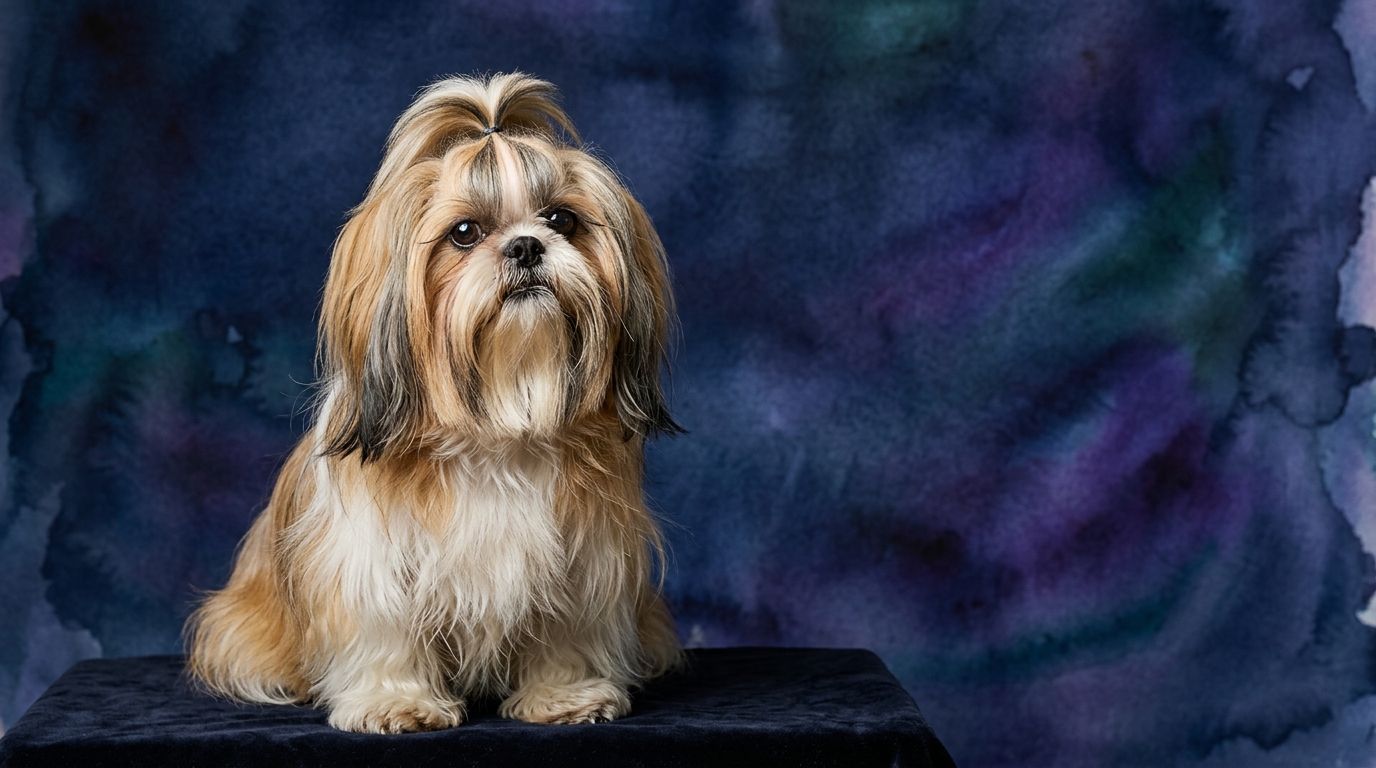
The Shih Tzu, a Toy breed, holds a Coren rank of #70, reflecting their unique cognitive priorities. Their problem-solving ability scores 3/5, indicating they can navigate routine household challenges but aren't typically driven to complex intellectual puzzles. Training speed is rated 2/5, suggesting they require patience and consistent positive reinforcement, often demonstrating a cheerful but independent streak. Where they truly shine is social intelligence, scoring an exceptional 5/5; they are masters of reading human cues, forming profound emotional bonds, and adapting seamlessly to family dynamics. Their instinctive drive is low at 2/5, with minimal ancestral working behaviors, while their memory is a solid 3/5, sufficient for retaining routines and cherished interactions.
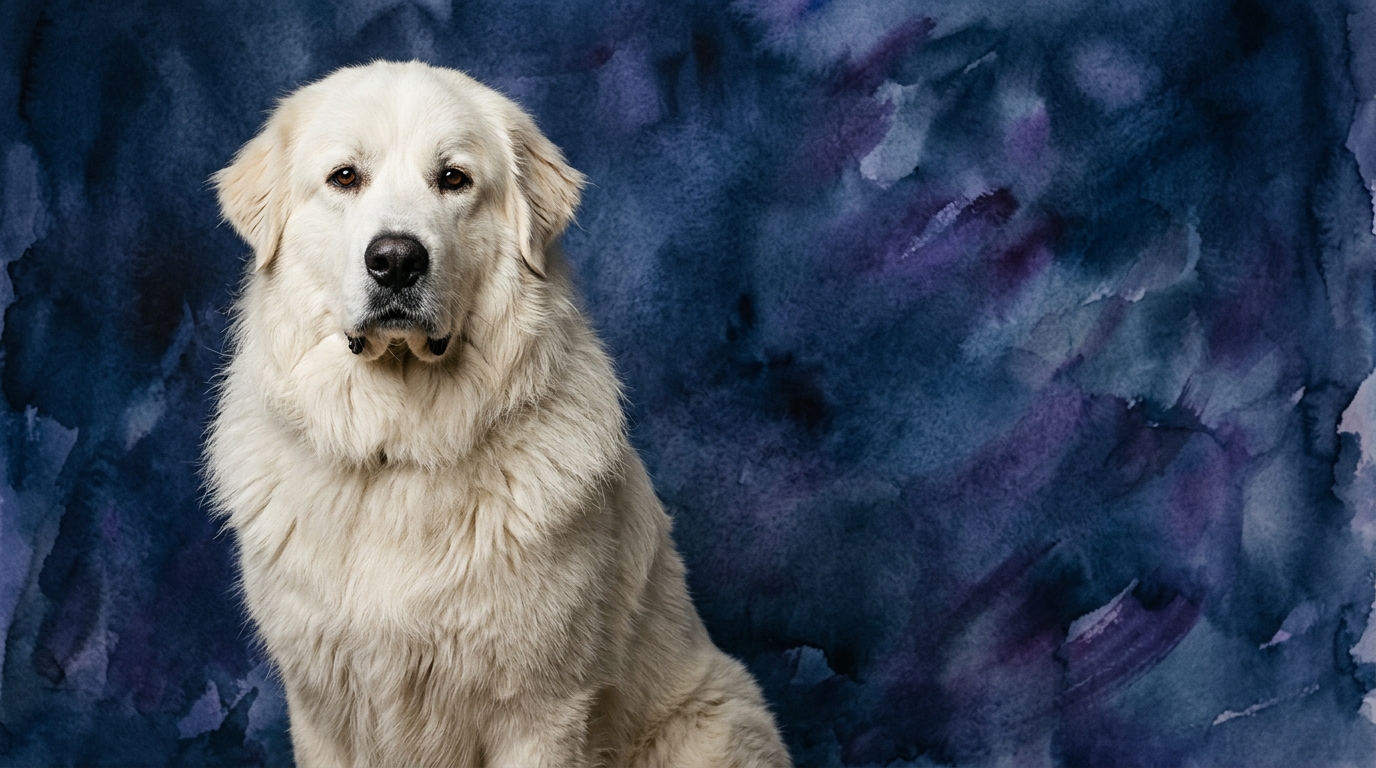
In contrast, the Great Pyrenees, a Working breed, ranks slightly higher at Coren #64, hinting at a different spectrum of cognitive strengths. Their problem-solving also stands at 3/5, but this manifests as independent decision-making, particularly in guardian roles rather than human-centric tasks. Training speed is a moderate 3/5; they learn, but their innate independence means they often evaluate commands rather than blindly obeying. Social intelligence is 3/5; while deeply devoted to their family, they are more reserved with strangers and less overtly demonstrative than the Shih Tzu. Their instinctive drive is a robust 3/5, rooted in their historical role as livestock guardians, showcasing strong territorial and protective behaviors. Memory, like the Shih Tzu, is a dependable 3/5, allowing them to recall territory, family members, and learned boundaries.
Where the Shih Tzu Excels Cognitively
The Shih Tzu's preeminent cognitive strength lies in their extraordinary social intelligence, scoring a perfect 5/5. This isn't merely about being friendly; it's a sophisticated ability to interpret human emotions, body language, and vocal inflections with remarkable accuracy. They are exceptionally attuned to the nuances of their owner's mood, often seeking to comfort or engage playfully based on these observations. This advanced social cognition allows them to integrate into human families with unparalleled grace, becoming intuitive companions who anticipate needs and respond with tailored affection.
Furthermore, their cognitive architecture is perfectly adapted for a life centered on companionship. Their relatively lower instinctive drive (2/5) means their mental energy isn't diverted by strong urges to hunt, herd, or guard in the traditional sense. Instead, their problem-solving (3/5) is often directed at navigating the social intricacies of a home, figuring out how to get attention, or finding the most comfortable sunbeam. This focus on human interaction makes them exquisitely skilled at forming deep, reciprocal bonds, a distinct cognitive advantage in a pet designed purely for companionship.
Where the Great Pyrenees Excels Cognitively
The Great Pyrenees' cognitive strengths are deeply rooted in their ancestral purpose. Their instinctive drive, rated 3/5, is a testament to their innate ability to independently assess and manage their environment for protective purposes. This isn't simply about barking; it involves complex spatial awareness, an understanding of boundaries, and the judgment to determine genuine threats from benign stimuli. This inherent guardian intelligence allows them to make autonomous decisions in real-time, a critical cognitive skill developed over centuries of solitary work.
While their problem-solving is also rated 3/5, its manifestation differs significantly from the Shih Tzu. A Great Pyrenees' problem-solving is geared towards practical, self-reliant tasks such as deterring predators, finding optimal vantage points, or navigating challenging terrain to protect their charges. Their cognitive processes are less about pleasing a human and more about effective, independent operation within a defined territory. Their slightly higher Coren rank (64 vs 70) suggests a broader capacity for independent learning and application of knowledge, particularly in scenarios where self-sufficiency is paramount.
Training Dynamics: Patience for Both
When considering ease of training, neither the Shih Tzu nor the Great Pyrenees fit the mold of a 'eager to please' breed, though for different reasons. The Shih Tzu's training speed is 2/5. While their high social intelligence means they genuinely desire connection, their independent streak and comfort-oriented nature can translate into a lack of urgency for obedience. They might understand a command but choose to comply only if they perceive it as worthwhile or if it leads to a desirable outcome, such as a favorite treat or a cuddle session. Consistency, positive reinforcement, and making training feel like a fun interaction are crucial to engaging their cooperative side.
The Great Pyrenees, with a training speed of 3/5, presents challenges rooted in their historical independence. Bred to guard livestock autonomously, they are thinkers, not followers. This means they often evaluate a command against their own judgment of the situation, and if they don't see the purpose or if it conflicts with their protective instincts, compliance might be slow or absent. Training a Pyrenees demands immense patience, clear communication, and an understanding that you are partnering with an independent mind, not dictating to a subordinate. Their learning is a process of building trust and respect for their judgment, rather than rote memorization of commands.
Matching Canine Cognition to Lifestyle
For owners with a relaxed lifestyle, the Shih Tzu is an ideal match. Their low instinctive drive (2/5) and profound social intelligence (5/5) mean they are content with a life centered around human companionship, requiring minimal physical exertion beyond short walks and indoor play. Their cognitive focus is on being an affectionate, interactive member of the family, thriving in environments where their primary 'job' is to provide comfort and receive attention. They adapt well to apartment living and prefer being close to their people, making them perfect for those seeking a devoted, low-key companion.
Conversely, the Great Pyrenees aligns better with owners who appreciate an independent spirit and possess a more active, perhaps even rural, lifestyle. While not hyperactive, their guardian instincts (3/5) and problem-solving abilities (3/5) require space to patrol and a sense of purpose. They benefit from a securely fenced yard where they can observe their territory and fulfill their natural inclination to protect. Owners must understand that a Pyrenees is a thinking, independent dog who needs moderate exercise and mental engagement centered around their guarding heritage, not necessarily complex tricks or intense athletic endeavors. They are suited for those who can provide a stable, spacious environment and respect their self-reliant nature.
The Verdict
Choose a Shih Tzu if you prioritize a deeply socially attuned companion, content with a relaxed indoor lifestyle, and appreciate a dog whose primary focus is affectionate interaction within the family.
Opt for a Great Pyrenees if you seek an independent, protective guardian with a strong sense of territory, possessing the space and understanding to manage their majestic, self-reliant nature.
🧠 Find Your Pet's IQ Score
Our Pet IQ Lab assessment covers 25+ tests across 5 cognitive dimensions — personalized to your breed.
Take the Full IQ Test →Frequently Asked Questions
Do Shih Tzus understand human emotions well?
Yes, with a social intelligence score of 5/5, Shih Tzus are exceptionally adept at reading and responding to human emotional states. They often mirror their owners' moods and seek to provide comfort or engage in appropriate social interaction, making them highly empathetic companions.
How does the Great Pyrenees' guarding instinct affect their problem-solving?
The Great Pyrenees' problem-solving (3/5) is intrinsically linked to their instinctive drive (3/5) for protection. They excel at assessing environmental threats, deciding when to bark or intervene, and making independent judgments to safeguard their family or territory, rather than solving human-devised puzzles.
Is it harder to train a Great Pyrenees than a Shih Tzu?
Both breeds present unique training considerations. The Great Pyrenees, with a training speed of 3/5, is often perceived as more challenging due to their independent, self-thinking nature, requiring consistent, patient training that respects their guardian instincts. The Shih Tzu (2/5) can also be stubborn, but their strong social intelligence can make them more responsive to positive reinforcement centered on companionship.