Side-by-Side Cognitive Profiles
To understand the unique mental landscapes of the Shih Tzu and the Miniature Pinscher, we consult The Cosmic Pet Pet IQ Lab’s five cognitive dimensions, providing a granular view of their intellectual strengths and tendencies.
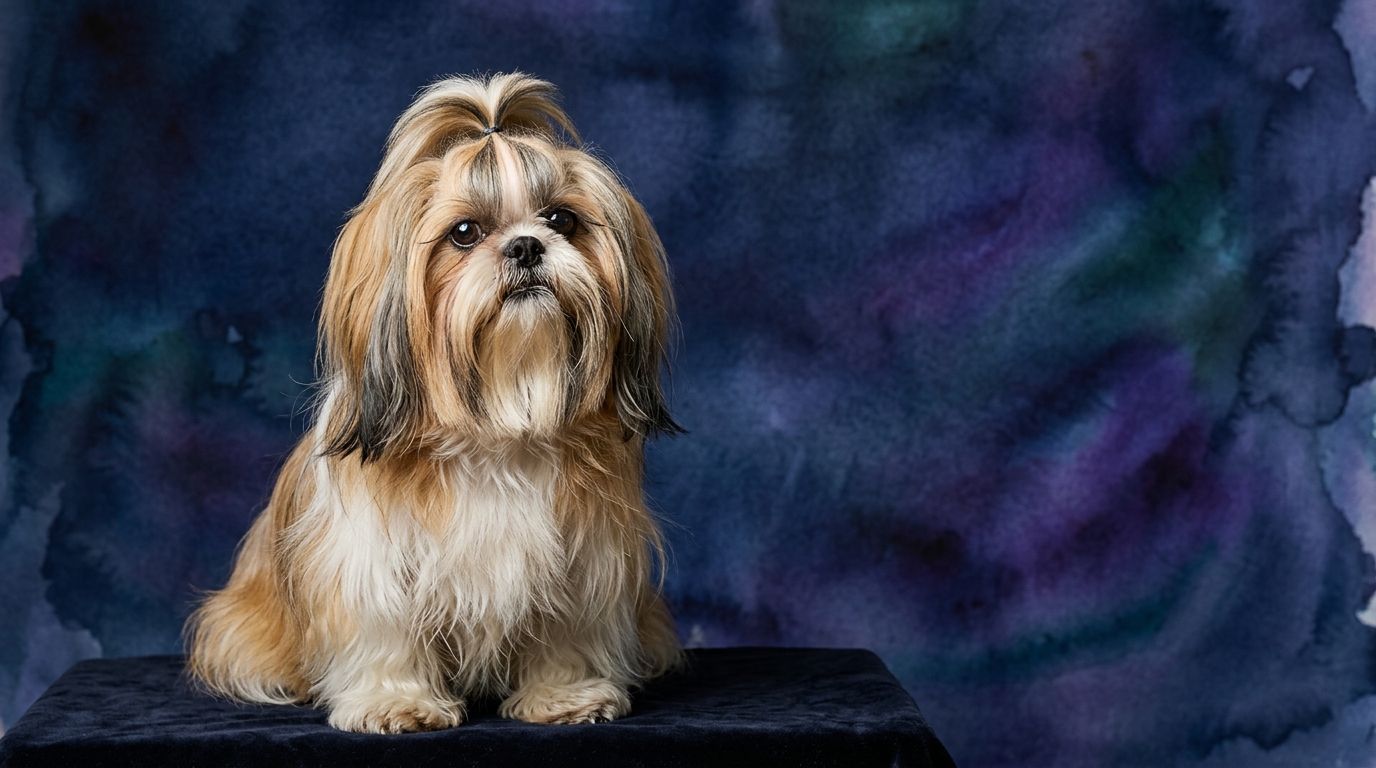
The Shih Tzu, a breed traditionally cherished for companionship, presents a distinct cognitive makeup. Their Problem Solving ability is rated at 3 out of 5, indicating a moderate capacity to navigate new situations or figure out minor puzzles, often when a reward or human interaction is involved. Training Speed registers at 2 out of 5, suggesting they may require more repetition and patience to master new commands, preferring gentle encouragement over strict drills. Where they truly shine is in Social Intelligence, earning a perfect 5 out of 5. This exceptional ability means they are highly attuned to human emotions, body language, and social cues, forming deep, empathetic bonds. Their Instinctive Drive is a modest 2 out of 5; these dogs typically lack strong urges for hunting, guarding, or complex tasks, preferring leisure. Finally, their Memory is a solid 3 out of 5, allowing them to retain learned behaviors and recognize familiar faces and routines effectively. The Shih Tzu's Coren rank of #70 places them in the lower tier for working and obedience intelligence, aligning with their role as devoted companions.
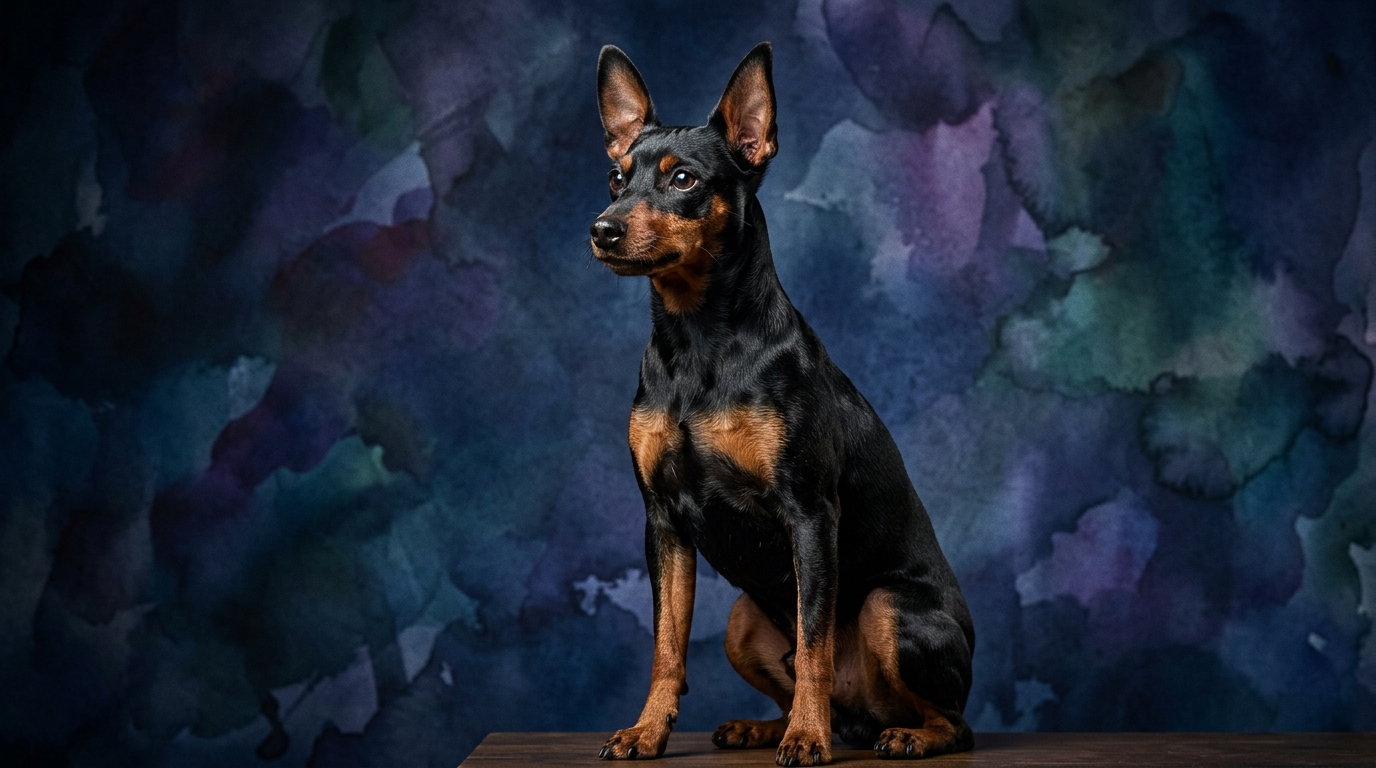
Often dubbed the 'King of Toys' for their spirited demeanor, the Miniature Pinscher presents a different cognitive blueprint. Their Problem Solving, like the Shih Tzu, stands at 3 out of 5, indicating a similar moderate capacity for figuring things out, though perhaps with a more independent, curious approach. Their Training Speed is rated 3 out of 5, suggesting a quicker grasp of new commands and routines compared to the Shih Tzu, making them generally more responsive in structured learning environments. Social Intelligence for the Min Pin scores 3 out of 5; while capable of forming strong bonds, they may not possess the same intuitive grasp of human subtleties as the Shih Tzu. Instinctive Drive is a moderate 3 out of 5, reflecting their history as ratters and alert companions, often manifesting as a lively curiosity, a penchant for chasing, or a watchful nature. Their Memory, like the Shih Tzu, is a 3 out of 5, ensuring they remember training, people, and routines with reasonable consistency. The Miniature Pinscher is not formally Coren-ranked, but their cognitive scores suggest a more engaged and responsive temperament for certain types of activities.
Where the Shih Tzu Excels Cognitively
The Shih Tzu’s distinct cognitive advantage lies squarely in its extraordinary Social Intelligence, scoring a perfect 5 out of 5 compared to the Miniature Pinscher’s 3 out of 5. This isn't merely about friendliness; it signifies a profound capacity to perceive and interpret human emotions, intentions, and even subtle shifts in mood. A Shih Tzu might instinctively offer comfort when its owner is distressed, understand a soft glance as an invitation for cuddles, or adjust its behavior based on a person’s tone of voice without explicit commands. This exceptional social acumen translates into an unparalleled ability to forge deep, empathetic connections, making them highly responsive to the emotional nuances of their human companions. Owners often describe them as being 'in tune' with their feelings, a direct result of this superior social cognitive function. Their very purpose as companion animals has honed this specific intelligence, making them masters of emotional bonding and intuitive interaction.
Where the Miniature Pinscher Excels Cognitively
Conversely, the Miniature Pinscher demonstrates a cognitive edge in areas related to learning efficiency and intrinsic motivation. Their Training Speed is a 3 out of 5, surpassing the Shih Tzu’s 2 out of 5. This means a Miniature Pinscher is generally quicker to pick up new commands, tricks, and routines, requiring fewer repetitions to solidify a learned behavior. Coupled with this is their higher Instinctive Drive, also a 3 out of 5 compared to the Shih Tzu’s 2 out of 5. This isn't about aggression, but rather an inherent zest for engagement and a natural inclination towards activities that tap into their historical roles as ratters and alert watchdogs. This drive translates into a more eager participation in structured play, problem-solving games, or even agility, as they find a greater intrinsic reward in 'doing' and exploring. Their moderate drive makes them more amenable to motivation through tasks and challenges, often approaching training with a spirited enthusiasm that can accelerate the learning process.
Which Is Easier to Train and Why
Evaluating ease of training requires looking beyond raw problem-solving scores and considering the interplay of training speed, social intelligence, and instinctive drive. Based on our Pet IQ Lab data, the Miniature Pinscher generally presents as the easier breed to train. Their Training Speed of 3/5 means they grasp new commands more quickly than the Shih Tzu (2/5), requiring less repetition and patience from the trainer. Furthermore, the Min Pin's Instinctive Drive of 3/5 gives them a natural inclination towards engagement and a greater intrinsic motivation to perform tasks, which can be leveraged in training. They often approach learning with a spirited curiosity, making them more receptive to structured lessons and varied activities.
In contrast, the Shih Tzu’s lower training speed and drive mean that while they are highly socially intelligent, their motivation for performing specific tasks often stems more from their desire for human connection rather than the task itself. Training a Shih Tzu may require more creative application of positive reinforcement, focusing on making the experience a bonding opportunity, and accepting that progress might be slower. Their tendency for 'selective hearing' when not sufficiently motivated by social reward can also be a factor, contrasting with the Min Pin's more task-oriented eagerness. While both breeds respond well to positive reinforcement, the Min Pin's inherent drive and quicker learning curve typically make the training journey feel more straightforward and faster-paced.
Matching Breeds to Lifestyles: Active vs. Relaxed Owners
The distinct cognitive profiles of these two toy breeds offer clear guidance for different owner lifestyles. The Miniature Pinscher, with its moderate instinctive drive and quicker training speed, is generally better suited for active owners. These owners will appreciate a companion who enjoys more structured activities, varied walks, and mental challenges that tap into their energetic and curious nature. Min Pins often thrive when given opportunities to 'do' something, whether it's learning new tricks, participating in dog sports like obedience or rally, or simply exploring new environments. Their alertness also means they benefit from consistent mental engagement to channel their energy constructively, preventing boredom and potential mischief.
Conversely, the Shih Tzu, with its exceptional social intelligence and lower instinctive drive, is an ideal match for more relaxed owners. These individuals prioritize a deep, intuitive companionship and are content with a less demanding routine focused on gentle interaction, cuddles, and leisurely strolls. Shih Tzus are masters of emotional support, thriving in environments where their primary 'task' is to be a loving, present companion. They require less intense physical or mental stimulation, finding immense satisfaction in simply being close to their human family. Their cognitive strengths align perfectly with a lifestyle that values emotional connection and quiet devotion over rigorous activity or advanced training.
The Verdict
Choose a Shih Tzu if your primary desire is an emotionally intuitive companion who excels at forming deep, empathetic bonds and thrives on affection, rather than demanding complex tasks or rapid training progression.
Opt for a Miniature Pinscher if you seek a spirited, quicker learner who enjoys engaging in varied activities and responds well to structured training, offering a more active and task-oriented companionship.
🧠 Find Your Pet's IQ Score
Our Pet IQ Lab assessment covers 25+ tests across 5 cognitive dimensions — personalized to your breed.
Take the Full IQ Test →Frequently Asked Questions
Are Shih Tzus difficult to train?
While not inherently difficult, their Training Speed of 2/5 means Shih Tzus generally require more patience, repetition, and positive reinforcement than some other breeds. Their high social intelligence can be leveraged by making training a bonding experience, focusing on connection.
Do Miniature Pinschers need a lot of mental stimulation?
Yes, with a 3/5 Instinctive Drive and 3/5 Problem Solving, Miniature Pinschers benefit significantly from regular mental stimulation. They enjoy learning new commands, puzzle toys, and varied activities to keep their curious minds engaged and prevent boredom.
Which breed is better with children from an intelligence perspective?
The Shih Tzu's 5/5 Social Intelligence makes them exceptionally adept at reading cues, which can be beneficial with children, provided the children are taught respectful interaction. The Min Pin's 3/5 Social Intelligence and higher drive mean they might be more boisterous and require closer supervision to ensure positive interactions.