Side-by-Side IQ Profile: Unpacking Cognitive Dimensions
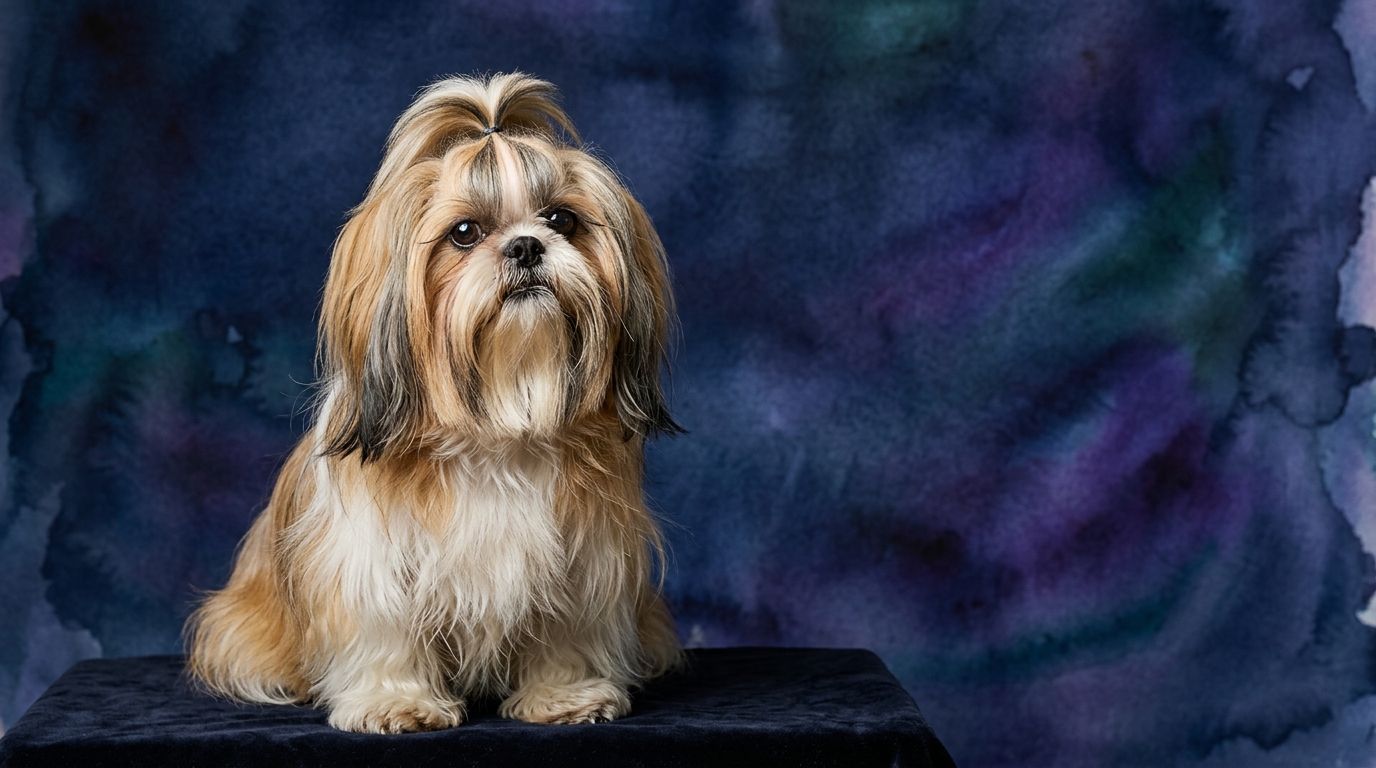
The Cosmic Pet Pet IQ Lab employs five key dimensions to assess a breed's cognitive profile, offering a nuanced understanding beyond simple obedience. For the Shih Tzu, a toy breed with a Coren rank of #70, we observe a Problem Solving score of 3/5, indicating they can navigate routine challenges and simple puzzles but aren't typically strategizing complex solutions. Their Training Speed is 2/5, suggesting a need for consistent, patient repetition to solidify commands, reflecting a pace that values connection over strict adherence. A standout characteristic is their Social Intelligence at 5/5, showcasing an exceptional ability to read and respond to human emotions and social cues. Their Instinctive Drive sits at 2/5, meaning they possess a lower inclination for independent hunting or working tasks, preferring close companionship. Memory for the Shih Tzu is rated 3/5, allowing them to retain learned behaviors and routines adequately, though selective recall might occur if motivation wanes.
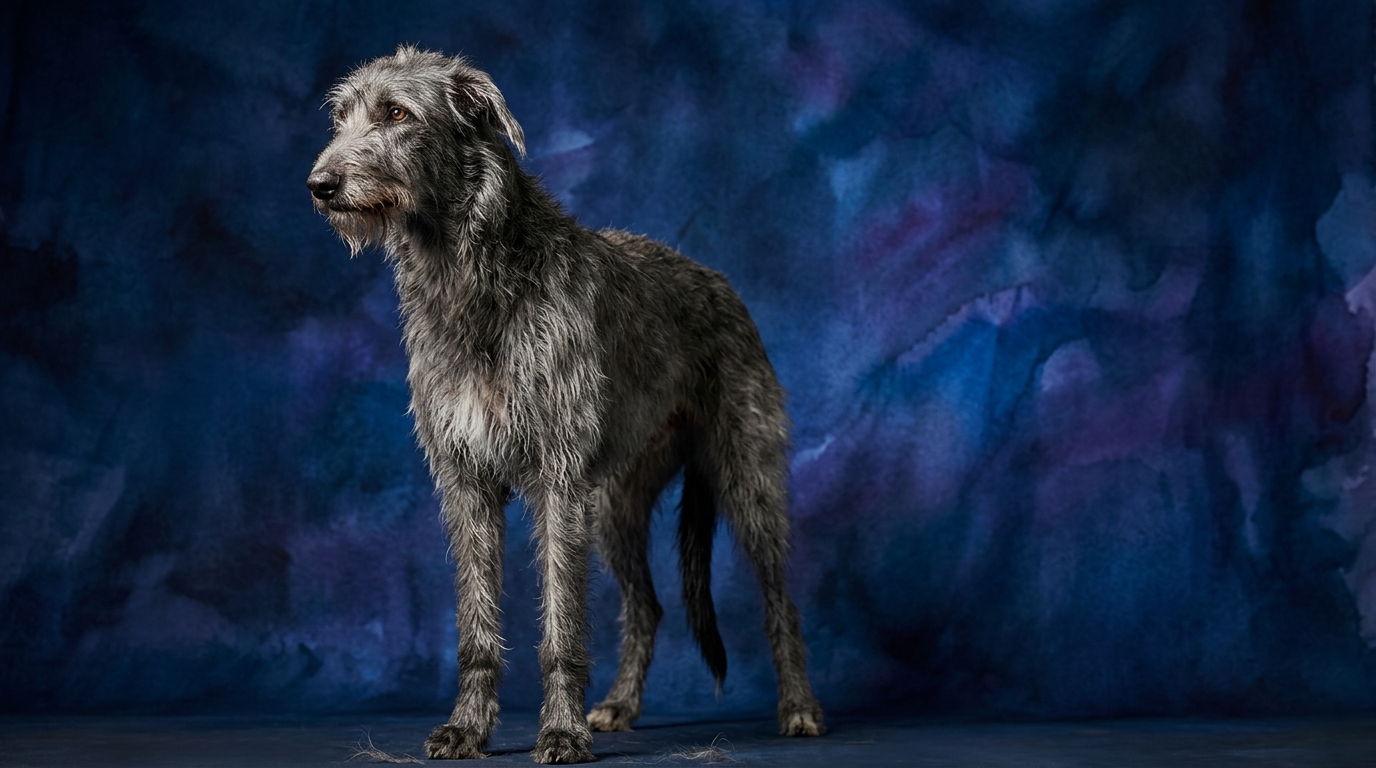
The Scottish Deerhound, a majestic hound breed not listed in Coren's rankings, presents a slightly different cognitive landscape. Their Problem Solving ability is also 3/5, similar to the Shih Tzu, but their approach might involve more physical exploration or leveraging their size to overcome obstacles. Training Speed for the Deerhound is 3/5, indicating a slightly quicker grasp of new commands compared to the Shih Tzu, though their independent hound nature often requires engaging motivation. Social Intelligence for the Scottish Deerhound is 3/5; they are affectionate and bond deeply with their families, but may not exhibit the same level of nuanced emotional mirroring or people-pleasing as the Shih Tzu. Their Instinctive Drive is 3/5, a reflection of their sighthound heritage, meaning they possess a moderate to strong urge to chase moving objects, a trait requiring careful management. Memory for the Deerhound is 3/5, suggesting they effectively recall training, people, and past experiences, contributing to their consistent behavior once a lesson is learned.
Where the Shih Tzu Wins Cognitively: The Art of Connection
The Shih Tzu's undisputed cognitive strength lies in their remarkable Social Intelligence, scoring a perfect 5/5. This dimension signifies their profound ability to perceive, interpret, and respond to human social cues and emotional states. A Shih Tzu can often sense a shift in an owner's mood, offering comfort or initiating play at just the right moment. This isn't merely affection; it's a sophisticated form of emotional communication and adaptation. They excel at integrating into complex family dynamics, understanding household routines not just as commands but as part of a social contract. Their strong social drive means they are highly motivated by human interaction and approval, making them exceptional companions capable of forming deep, empathetic bonds. This cognitive advantage allows them to navigate social situations with grace, often charming their way into the hearts of everyone they meet and becoming intuitive emotional anchors within a home environment.
Where the Scottish Deerhound Wins Cognitively: Purposeful Aptitude
The Scottish Deerhound demonstrates cognitive advantages in two key areas: Training Speed and Instinctive Drive. With a Training Speed of 3/5, Deerhounds generally pick up new commands and routines more quickly than a Shih Tzu (2/5). This isn't to say they are always eager to comply, but their capacity to grasp concepts is present. Their independent nature often means that training needs to be engaging and clearly purposeful, but once motivated, they can learn efficiently. Simultaneously, their Instinctive Drive of 3/5, rooted in their sighthound heritage, provides a unique cognitive edge. While this drive requires management, it also means they possess an innate inclination for activities like chasing, running, and observation. This natural aptitude can be channeled into specific sports like lure coursing or into structured exercise that satisfies their mental and physical needs. This cognitive profile means they are often more attuned to their environment and possess a certain self-reliance, making them adept at tasks requiring focus on external stimuli rather than solely on human interaction.
Which Is Easier to Train and Why: Balancing Speed and Motivation
Determining which breed is 'easier' to train hinges on understanding their distinct cognitive profiles and behavioral tendencies. The Scottish Deerhound's Training Speed of 3/5 suggests they can grasp new commands at a slightly faster rate than the Shih Tzu's 2/5. A Deerhound might understand the mechanics of a 'sit' or 'stay' more quickly. However, their independent hound nature and 3/5 Instinctive Drive mean they can be easily distracted by compelling scents or movement, sometimes choosing to follow their nose or chase a perceived 'prey' over obeying a command. Training a Deerhound often requires consistent, positive reinforcement and a clear understanding of their sighthound motivations, ensuring that the 'why' behind the command is as enticing as any environmental distraction.
Conversely, the Shih Tzu, with a slower Training Speed of 2/5, may require more repetitions and patience to learn a new command. They might take longer to fully comprehend what is being asked. However, their exceptional 5/5 Social Intelligence means they are often highly motivated by pleasing their human companions and maintaining harmony within the social unit. Once a Shih Tzu understands a command and associates it with positive human interaction, they can be quite biddable, striving to meet expectations to earn affection and praise. Therefore, while a Deerhound might learn faster initially, a Shih Tzu's deep social bond can make them more consistently reliable in a home setting once trained, provided the owner leverages their strong desire for connection. 'Easier' thus depends on whether an owner prioritizes quick initial learning or a strong social bond as the primary training motivator.
Cognitive Profiles and Owner Lifestyles: Active vs. Relaxed
The cognitive differences between the Shih Tzu and Scottish Deerhound naturally align with distinct owner lifestyles. For active owners, the Scottish Deerhound is often a better match. Their moderate Instinctive Drive (3/5) and the physical capabilities inherent in their large, athletic build mean they thrive with regular opportunities for vigorous exercise. Owners who enjoy long walks, hikes, or have access to securely fenced areas where a Deerhound can gallop freely will find their cognitive and physical needs well met. Their problem-solving at 3/5, combined with their instinctive drive, means they appreciate activities that engage both their body and their senses, such as exploring new environments or engaging in lure coursing. An owner who can provide consistent, engaging training and ample space will help a Deerhound flourish both mentally and physically.
In contrast, the Shih Tzu is an ideal companion for relaxed owners. Their low Instinctive Drive (2/5) means they have minimal need for extensive outdoor activity, making them perfectly suited for apartment living or less physically demanding routines. Their paramount Social Intelligence (5/5) means their primary cognitive and emotional need is human companionship and interaction. These dogs are content with indoor playtime, short walks, and simply being close to their people. Owners who value a constant, emotionally attuned presence and prefer a more sedentary lifestyle will find the Shih Tzu's cognitive makeup perfectly complements their daily rhythm. Their problem-solving abilities (3/5) are often geared towards navigating the home environment and understanding routines that lead to comfort or attention, aligning perfectly with a relaxed, companion-focused existence.
The Verdict
Choose the Shih Tzu if your priority is a deeply perceptive, emotionally attuned companion content with a relaxed, indoor lifestyle, offering unwavering social connection and intuitive comfort.
Opt for the Scottish Deerhound if you seek a dignified, independent companion with a love for open spaces and a moderate physical outlet, appreciating their slightly quicker learning aptitude in structured, purposeful training.
🧠 Find Your Pet's IQ Score
Our Pet IQ Lab assessment covers 25+ tests across 5 cognitive dimensions — personalized to your breed.
Take the Full IQ Test →Frequently Asked Questions
Is a Shih Tzu difficult to train?
With a Training Speed of 2/5, Shih Tzus require patience and consistent repetition to learn new commands. However, their exceptional 5/5 Social Intelligence means they are highly motivated by pleasing their human and maintaining harmony within the home, making them quite biddable once a behavior is understood.
Do Scottish Deerhounds require a lot of exercise?
Yes, their sighthound heritage and 3/5 Instinctive Drive necessitate regular, vigorous exercise. They thrive with opportunities to gallop in securely fenced areas and benefit from long walks or activities that engage their keen senses and physical prowess.
Which breed is better with children?
Shih Tzus, with their 5/5 Social Intelligence, are often more adaptable and tolerant of various family dynamics, making them generally good with respectful children. Scottish Deerhounds (3/5 Social Intelligence) can be gentle and affectionate, but their large size requires careful supervision around very young children to prevent accidental bumps.