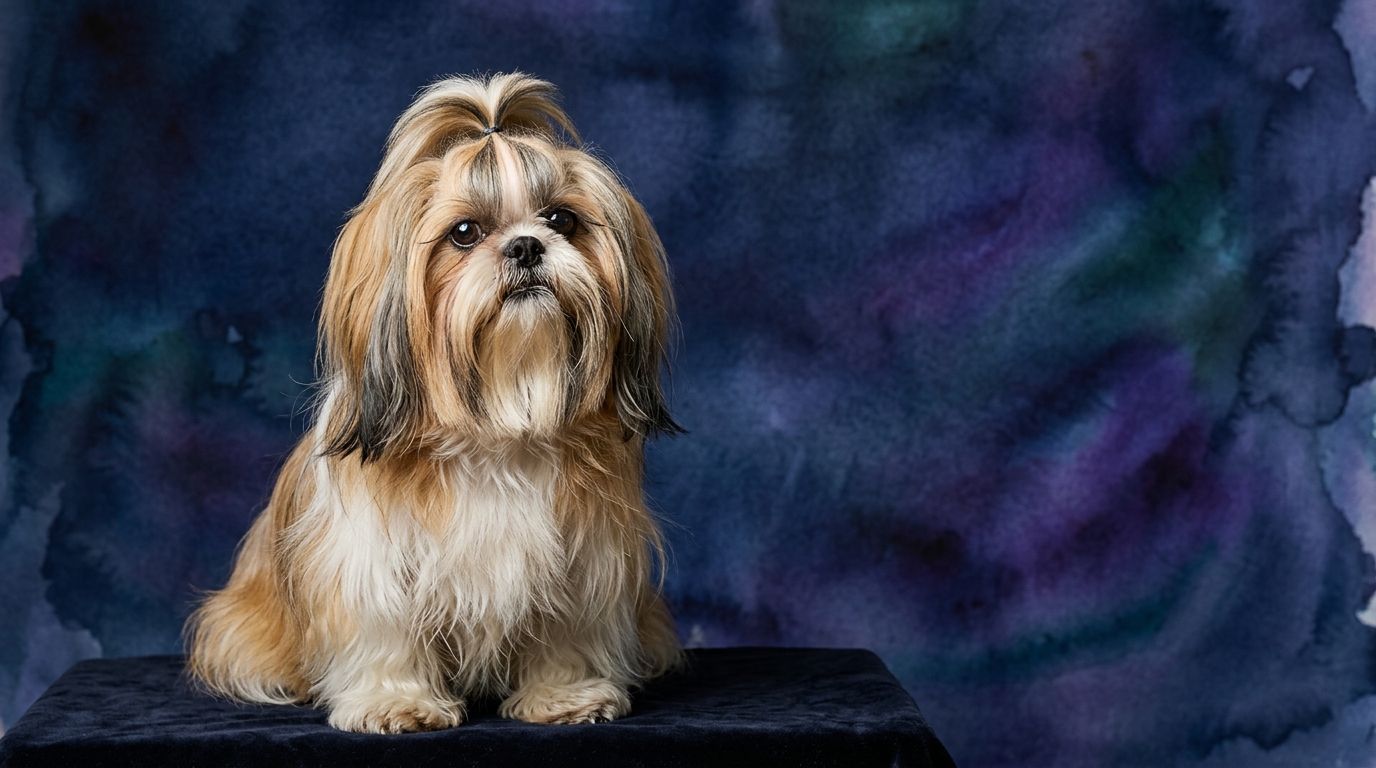
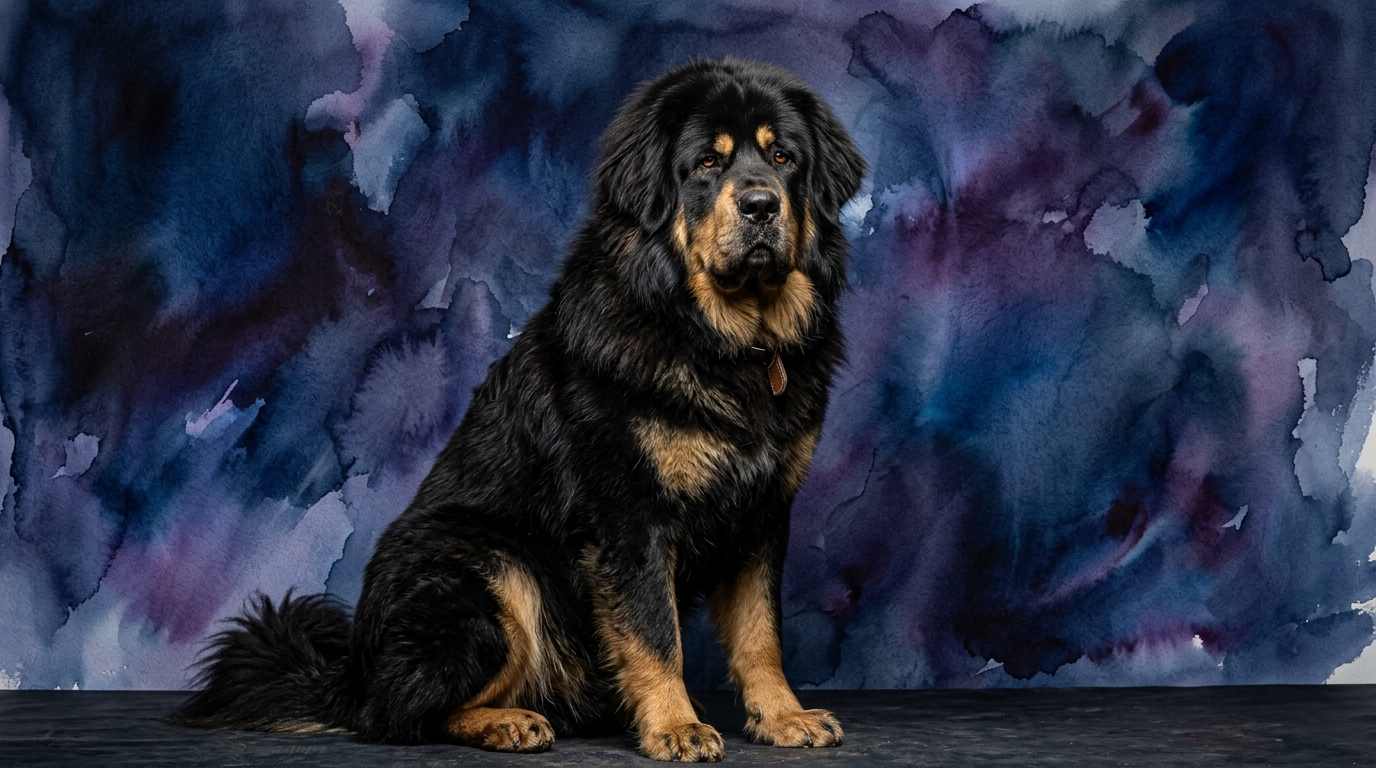
Side-by-Side Cognitive Profile: Shih Tzu vs. Tibetan Mastiff
The Shih Tzu, a toy breed ranked #70 by Coren, demonstrates a moderate capacity for problem-solving (3/5), indicating they can navigate simple puzzles or learn routine household tasks, though complex, multi-step challenges might require more repetition. Their training speed (2/5) suggests a need for patience and consistent positive reinforcement, as they may not pick up new commands with immediate flair, often prioritizing their own comfort or play. Where the Shih Tzu truly excels is in social intelligence (5/5), displaying an exceptional ability to read human emotions, adapt to family dynamics, and form deep, intuitive bonds, making them highly attuned companions. Their instinctive drive (2/5) is relatively low, meaning they have minimal inherent impulses for tasks like hunting or guarding, instead focusing their energy on companionship. Memory (3/5) is average, allowing them to recall learned commands and routines, though perhaps not every fleeting interaction.
The formidable Tibetan Mastiff, a working breed not ranked by Coren, shares the Shih Tzu's problem-solving score (3/5), indicating a similar capacity for navigating practical challenges, often relying on their own judgment in their traditional guardian roles. Their training speed (3/5) is slightly higher than the Shih Tzu's, suggesting they can learn at a reasonable pace, though their independent nature often means they respond best to clear, consistent, and respectful guidance rather than forceful commands. Social intelligence (3/5) is moderate; while deeply bonded to their family, they tend to be reserved with strangers and possess a more independent social structure compared to highly gregarious breeds. Instinctive drive (3/5) is pronounced, particularly in their inherent protective and territorial behaviors, which are central to their historical purpose. Memory (3/5) is also average, enabling them to retain training and recall individuals, especially those within their protective circle.
Where the Shih Tzu Wins Cognitively
The Shih Tzu's paramount cognitive strength lies in their exceptional social intelligence (5/5). They possess an uncanny ability to interpret human cues, including subtle shifts in tone, body language, and emotional states, allowing them to provide comfort or engage playfully with remarkable accuracy. This high social acumen means they quickly learn how to integrate into a family structure, adapt their behavior to different individuals, and even charmingly manipulate situations to get what they want through endearing expressions. Their cognitive processing is geared towards understanding and responding to social dynamics, making them masters of companionship and emotional support. This contrasts sharply with breeds whose cognitive strengths lie in independent task completion or vigilance; the Shih Tzu's brain is wired for connection.
Where the Tibetan Mastiff Wins Cognitively
The Tibetan Mastiff's cognitive edge emerges from its robust instinctive drive (3/5) coupled with its problem-solving abilities (3/5) in real-world scenarios. While their problem-solving score is numerically similar to the Shih Tzu's, the application differs significantly. The Mastiff's problem-solving is often tied to their innate protective instincts; they are adept at assessing potential threats, discerning friend from foe, and acting decisively to guard their territory or family without constant human direction. This independent reasoning, rooted in centuries of guarding livestock and homes in harsh environments, means they can make complex judgments about safety and boundaries. Their moderate training speed (3/5) reflects their capacity to learn tasks relevant to their protective role, but always filtered through their strong individual will and purpose-driven cognition, making them less prone to blindly following commands that don't align with their perceived duty.
Which Is Easier to Train and Why
Between the two, the Tibetan Mastiff generally presents a more significant training challenge due to its independent nature and strong instinctive drives. While its training speed (3/5) is technically higher than the Shih Tzu's (2/5), the Mastiff's inherent self-sufficiency means it often evaluates commands based on its own perceived utility or purpose, rather than simply complying. They require an experienced handler who understands their guardian temperament, employing consistent, fair, and positive reinforcement methods from an early age to build trust and respect. Behavioral differences include their tendency to be territorial and their suspicion of strangers, requiring extensive socialization to prevent over-guarding.
The Shih Tzu, despite a lower training speed (2/5), can be easier to train for basic obedience and house manners because their primary motivation is often to please their human companions, leveraging their high social intelligence. Their smaller size also makes managing any training lapses less physically demanding. While they might be prone to stubbornness or distraction, their desire for interaction and affection means they are generally more receptive to guidance that strengthens their bond with their owner. Their lower instinctive drive means fewer innate behaviors to redirect or manage compared to the Mastiff's strong protective impulses.
Which Suits Active Owners vs. Relaxed Owners
For relaxed owners seeking a devoted companion whose primary activity is gentle interaction and indoor comfort, the Shih Tzu is an excellent match. Their low instinctive drive (2/5) and preference for social engagement over strenuous physical activity mean they are content with short walks, lap time, and being central to family life. They thrive in environments where their social intelligence (5/5) can be fully utilized, offering emotional support and companionship without demanding extensive outdoor adventures or complex cognitive tasks. Their cognitive energy is largely directed towards social bonding and understanding their human environment.
Experienced owners prepared for significant commitment might find the Tibetan Mastiff rewarding. While not necessarily requiring constant high-impact physical activity, they demand owners who are active in terms of consistent training, early and ongoing socialization, and diligent management of their strong protective instincts. Their cognitive needs involve mental stimulation that respects their independent decision-making and guardian role. Owners must be prepared to manage a large, powerful breed whose cognitive traits are geared towards vigilance and protection, requiring a proactive and understanding approach to their unique behavioral repertoire. They are not a breed for a casual, hands-off approach.
The Verdict
Choose a Shih Tzu if you prioritize a highly socially intuitive companion who thrives on emotional connection and gentle interaction, fitting seamlessly into a relaxed home environment. They excel at understanding human emotions and offering comfort, making them ideal for those seeking a devoted, low-key presence.
Opt for a Tibetan Mastiff if you are an experienced owner prepared for a significant commitment to training and socialization, valuing a majestic guardian with independent problem-solving skills and a strong protective drive. They offer a profound, albeit reserved, bond to their chosen family, best suited for those who appreciate a formidable and self-reliant companion.
🧠 Find Your Pet's IQ Score
Our Pet IQ Lab assessment covers 25+ tests across 5 cognitive dimensions — personalized to your breed.
Take the Full IQ Test →Frequently Asked Questions
Is the Shih Tzu a good choice for first-time dog owners?
Yes, the Shih Tzu's high social intelligence and adaptable nature often make them suitable for first-time owners who are prepared for consistent, positive-reinforcement training. Their desire to please and bond deeply with their family simplifies the learning process for both dog and owner, though their grooming needs require dedication.
How does the Tibetan Mastiff's independence affect its trainability?
The Tibetan Mastiff's independence means they often assess commands based on their own judgment, making training a process of building trust and respect rather than simple obedience. They require an owner who understands their guardian instincts and can motivate them through fair, consistent methods, rather than expecting blind compliance.
Which breed is better for apartment living based on their cognitive traits?
The Shih Tzu is generally better suited for apartment living due to their lower instinctive drive and moderate exercise requirements, preferring the comfort of home and close human contact. The Tibetan Mastiff, with its strong territorial instincts and need for space to patrol, is less ideal for smaller living quarters, even though their energy levels might not be constantly high.