Side-by-Side Cognitive Profiles
Delving into the specific cognitive dimensions of the Shih Tzu and Tibetan Spaniel reveals where each breed shines and where they present unique challenges. Our Pet IQ Lab evaluates five key areas: problem-solving, training speed, social intelligence, instinctive drive, and memory, providing a nuanced understanding beyond general perceptions.
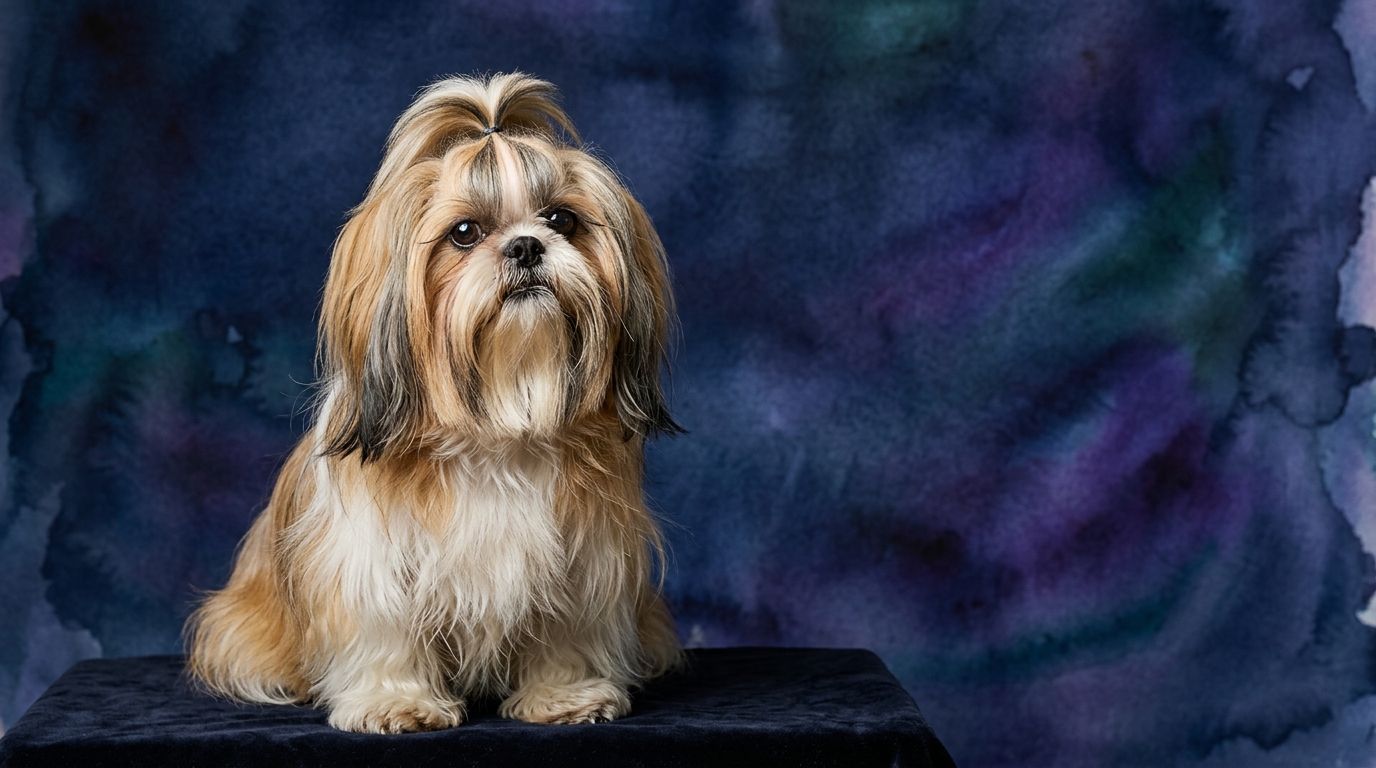
The Shih Tzu, with a Coren rank of #70 for working and obedience intelligence, demonstrates a particular set of cognitive strengths. Their problem-solving ability scores a 3 out of 5, indicating capability in learning routines and navigating familiar environments, but less interest in complex, novel puzzles. Acquiring new commands or behaviors requires significant patience, reflected in their training speed score of 2 out of 5, necessitating more repetitions for mastery. Where the Shih Tzu truly excels is in social intelligence, scoring a remarkable 5 out of 5. This signifies an exceptional ability to read human emotions, understand social cues, and form deep, intuitive bonds, making them highly attuned companions. Their instinctive drive, at 2 out of 5, is comparatively low, meaning they have minimal inherent motivation for independent tasks, preferring comfort and close companionship. Their memory registers a consistent 3 out of 5, allowing them to recall familiar faces, places, and learned commands with sufficient reinforcement.
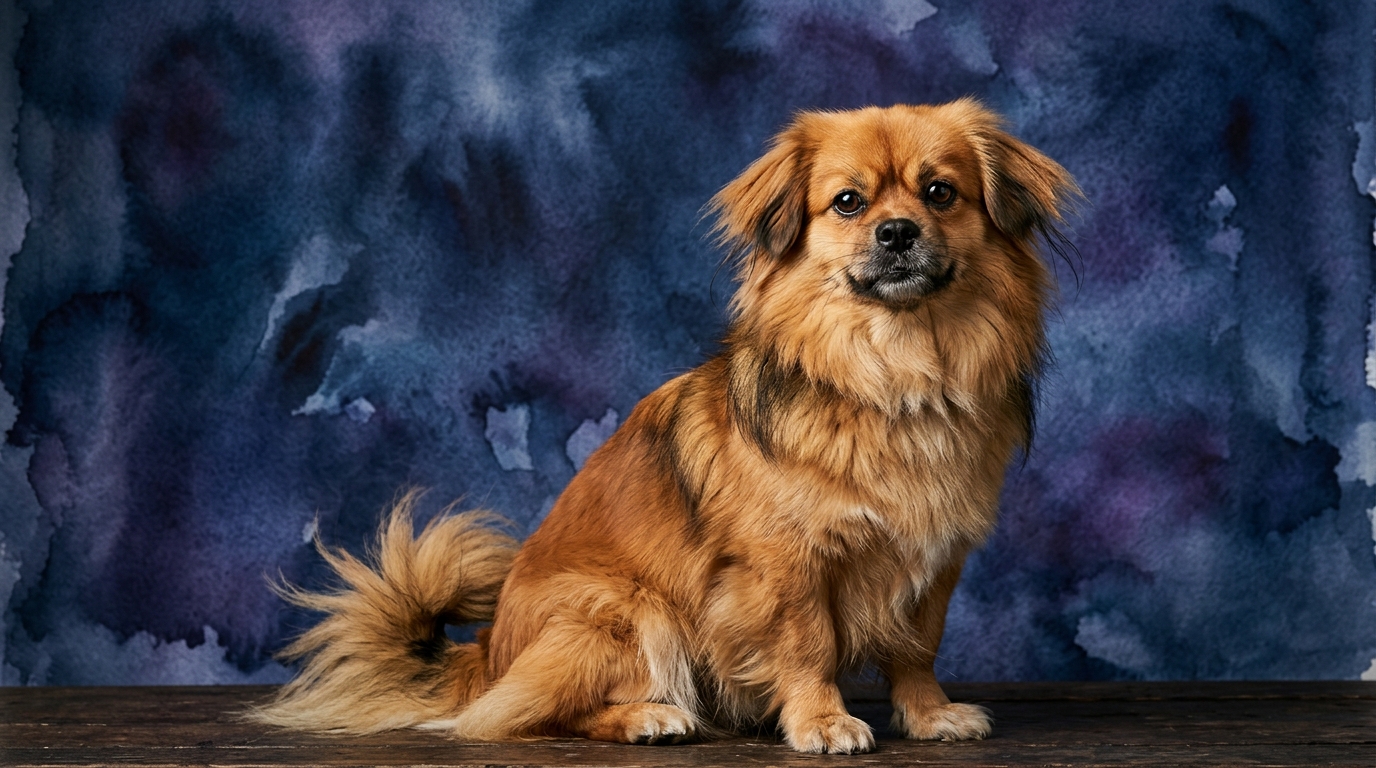
The Tibetan Spaniel, while not formally Coren-ranked, presents a more uniformly balanced cognitive profile. Their problem-solving capacity also scores a 3 out of 5, sharing the Shih Tzu’s aptitude for learning by observation and navigating immediate surroundings, without a strong inclination for intricate mental challenges. In training speed, the Tibetan Spaniel edges out the Shih Tzu with a score of 3 out of 5, indicating a slightly quicker grasp of new commands and a more responsive demeanor during training. Their social intelligence is rated at 3 out of 5; they are affectionate and enjoy family interaction but might display more independence or reservation with strangers. The Tibetan Spaniel’s instinctive drive, at 3 out of 5, is moderate, suggesting a greater inclination towards exploration, territorial awareness, or engaging with stimulating toys than the Shih Tzu. Finally, their memory also stands at 3 out of 5, allowing for reliable recall of routines and learned behaviors effectively.
Where the Shih Tzu Wins Cognitively
The Shih Tzu's undisputed cognitive advantage lies in its extraordinary social intelligence, scoring a perfect 5 out of 5. This isn't merely about being friendly; it reflects a profound capacity to attune to human emotions and social dynamics. A Shih Tzu can often sense a change in its owner's mood, offering comfort or adapting its behavior without explicit cues. This exceptional social aptitude makes them unparalleled emotional support companions, thriving on close interaction and consistently demonstrating an intuitive understanding of their human family's needs. Their world revolves around their people, making them exceptionally adaptable to various household environments as long as they are at the heart of human activity.
Where the Tibetan Spaniel Wins Cognitively
The Tibetan Spaniel demonstrates a cognitive edge in two related areas: training speed and instinctive drive. With a training speed of 3 out of 5, they tend to grasp new commands and routines slightly faster than the Shih Tzu, making initial training stages potentially smoother. This isn't to say they are exceptionally quick learners, but they often require fewer repetitions to solidify a behavior. Complementing this is their 3 out of 5 instinctive drive. This moderate drive means they possess a bit more inherent motivation for independent exploration, engaging with their environment, or even fulfilling a 'watchdog' role with their keen awareness. This blend suggests a slightly more versatile and self-motivated cognitive approach compared to the Shih Tzu's more human-centric focus.
Which is Easier to Train and Why
Based on their cognitive profiles, the Tibetan Spaniel generally presents as the slightly easier breed to train. Their training speed of 3 out of 5, compared to the Shih Tzu's 2 out of 5, means they typically require fewer repetitions to learn new commands and may respond more readily to cues. This subtle difference translates into a training process that can feel less demanding and potentially yield quicker results for the owner. Furthermore, the Tibetan Spaniel's moderate instinctive drive (3/5) implies a bit more inherent curiosity and motivation to engage in structured activities, making them potentially more receptive to learning for the sake of interaction or a reward. While the Shih Tzu's high social intelligence means they genuinely want to please their person, their slower processing speed for new information often necessitates exceptional patience, unwavering consistency, and highly motivating rewards to achieve the same training milestones.
Suitability for Active vs. Relaxed Owners
Understanding each breed's cognitive leanings is crucial for matching them with an owner's lifestyle. For relaxed owners seeking a devoted lap companion, the Shih Tzu is an ideal match. Their low instinctive drive (2/5) means they are generally content with a more sedentary lifestyle, prioritizing comfort and constant human presence over vigorous activity or complex mental challenges. Their exceptional social intelligence ensures they are always attuned to their owner, perfectly happy to snuggle and observe the world from a cozy perch. They do not demand extensive walks or structured play, making them suitable for individuals with limited mobility or those who simply prefer a quieter pace of life. Conversely, the Tibetan Spaniel, with its slightly more balanced cognitive profile, is better suited for owners who enjoy a moderate level of engagement. Their instinctive drive (3/5) suggests they appreciate short, inquisitive walks where they can explore scents and sights, and they might enjoy puzzle toys or a bit of interactive play. While still very much companion dogs, their cognitive makeup indicates a desire for a bit more variety and mental stimulation than the Shih Tzu. Owners who enjoy teaching new tricks or exploring new environments together will find the Tibetan Spaniel more responsive and fulfilled.
The Verdict
Choose a Shih Tzu if your priority is an exceptionally intuitive and devoted companion whose greatest joy is intimate connection and a calm, affectionate home life.
Opt for a Tibetan Spaniel if you desire a slightly more independent, adaptable companion who responds a bit more readily to training and appreciates varied, moderate engagement.
🧠 Find Your Pet's IQ Score
Our Pet IQ Lab assessment covers 25+ tests across 5 cognitive dimensions — personalized to your breed.
Take the Full IQ Test →Frequently Asked Questions
Are Shih Tzus difficult to house train?
Shih Tzus, with their 2/5 training speed, can indeed present challenges during house training, often requiring more patience and consistent routines than some other breeds. Their focus on human interaction, however, means they are eager to please, so positive reinforcement is key to success.
Do Tibetan Spaniels bark a lot?
Tibetan Spaniels, with their moderate instinctive drive (3/5) and historical role as 'little lions' guarding monasteries, can be alert and vocal, often barking to alert their owners to strangers or unusual sounds. Their social intelligence (3/5) means they are discerning and loyal to their family.
Which breed is better for first-time dog owners?
Both breeds can be suitable, but the Shih Tzu's higher social intelligence and lower demands for structured activity might make them slightly more forgiving for a first-time owner seeking pure companionship. The Tibetan Spaniel's slightly higher training responsiveness and moderate drive could also be a good fit for someone ready for consistent, positive training.