Side-by-Side IQ Profile: Unpacking Cognitive Dimensions
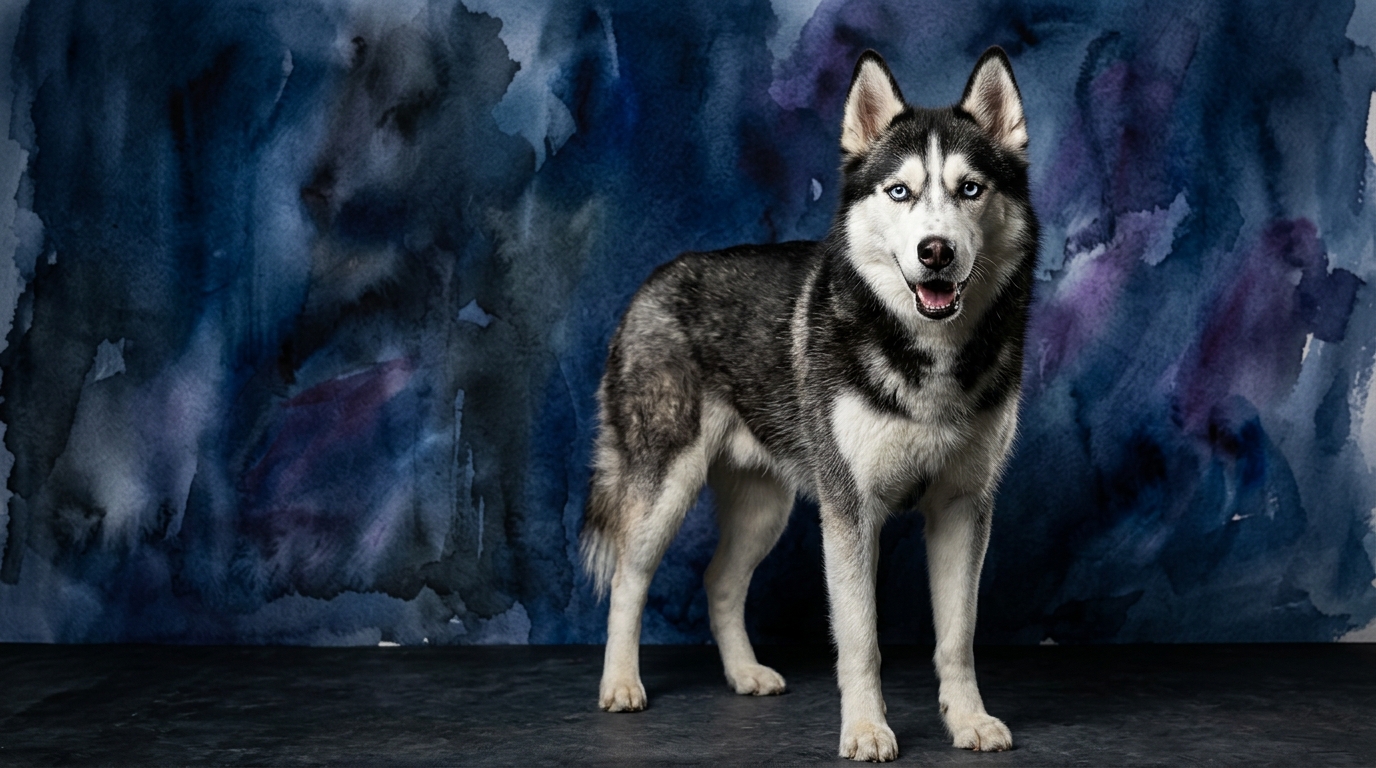
The Siberian Husky, a product of rigorous sled-pulling work, exhibits a robust problem-solving capacity rated 4/5. This manifests in their ability to navigate complex terrains, find alternate routes, and figure out how to escape enclosures—traits essential for survival and task completion in harsh environments. Their memory, also a strong 4/5, allows them to recall routes, learned commands, and past experiences with remarkable accuracy. While their training speed is a moderate 2/5, indicating they grasp concepts but might weigh compliance against their own desires, their social intelligence at 3/5 reflects a capacity for pack dynamics and understanding human nuances, even if they often choose to act independently. An intense instinctive drive of 5/5 fuels their desire to run, pull, and explore.
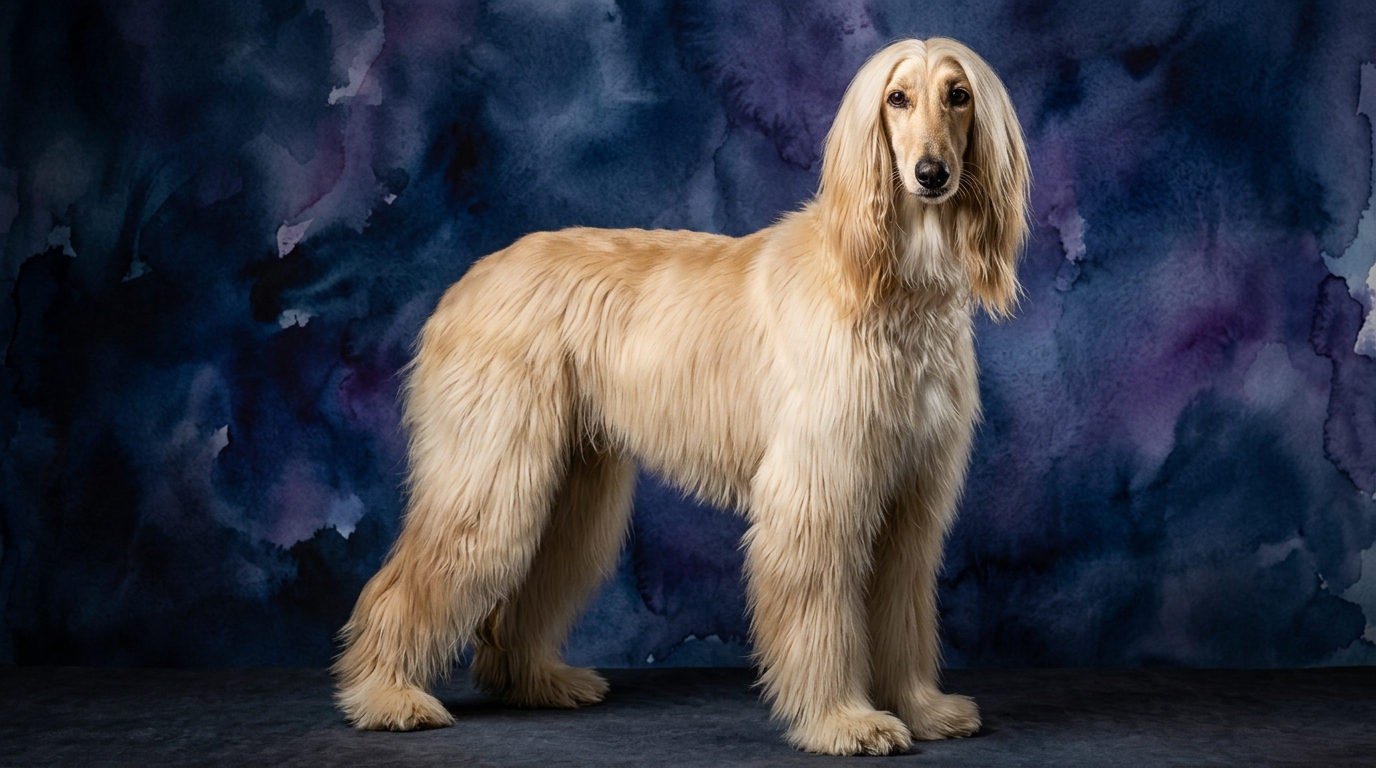
The Afghan Hound, a majestic sighthound, shares a high problem-solving score of 4/5, but its application differs profoundly. This cognitive strength is primarily directed towards independent hunting: spotting distant prey, calculating complex chase trajectories, and making rapid, autonomous decisions in pursuit. Their memory, at 3/5, is sufficient for recalling familiar hunting grounds and recognizing individuals, but perhaps less focused on human-centric routines. Their social intelligence is a lower 2/5, reflecting a more aloof and self-contained nature, historically accustomed to working with minimal human intervention. Training speed is a notable 1/5, highlighting their extreme independence and disinterest in conforming to human commands that don't align with their inherent drives. Like the Husky, their instinctive drive is a powerful 5/5, almost entirely centered on the thrill of the chase.
Where the Siberian Husky Shines Cognitively
The Siberian Husky's cognitive advantages become apparent in their overall adaptability and willingness to engage with human-directed tasks, even if on their own terms. With a Coren rank of #45, they demonstrate a higher aptitude for understanding and executing human commands compared to the Afghan Hound's #79. This is directly supported by their training speed of 2/5, which, while not lightning-fast, is significantly quicker than the Afghan's 1/5. A Husky is more likely to learn a new trick or routine within a reasonable number of repetitions, even if subsequent performance is conditional on motivation.
Furthermore, their social intelligence, rated 3/5, allows for more nuanced interactions within a family unit. Huskies often display a better grasp of human emotions and social cues, fostering a different kind of bond than the more independent Afghan. This means they are generally more attuned to their owners' moods and intentions, making them more responsive in a social context, even if their independence can sometimes override their desire to please. Their 4/5 memory also means they retain these social lessons and learned behaviors more consistently.
Where the Afghan Hound's Cognition Excels
The Afghan Hound's cognitive strengths lie in their profound independence and specialized problem-solving skills, honed for thousands of years as solitary hunters. While both breeds score 4/5 in problem-solving, the Afghan's application is distinctly self-serving and situationally driven. They excel at autonomously assessing a dynamic environment, identifying a target, and executing a complex pursuit strategy without needing human direction or validation. This means they are masters of independent action and resourceful thinking when it comes to their primary motivations.
Their extreme instinctive drive (5/5), almost singularly focused on prey drive and the thrill of the chase, represents a powerful, unwavering cognitive focus. This single-mindedness, while challenging for owners, is a testament to their evolutionary success as a sighthound. An Afghan Hound's ability to completely disregard distractions when locked onto a target showcases a unique cognitive filtering and prioritization system. Their lower social intelligence and training speed, often perceived as drawbacks, are in fact byproducts of a cognitive architecture designed for self-reliance rather than partnership in the human sense.
Training Dynamics: Which is Easier and Why
When it comes to formal training, the Siberian Husky generally presents a more manageable, though still challenging, experience. Their training speed of 2/5 means they can comprehend commands and associate actions with rewards or consequences. While known for their stubborn streak and 'selective hearing,' a Husky often understands what is being asked and weighs it against their own desires. Their social intelligence (3/5) also plays a role, as they are more inclined to engage with their human trainers, even if they require significant motivation and consistency. Training a Husky often involves making the desired behavior more appealing than their independent inclinations, leveraging their strong memory (4/5) for routines.
The Afghan Hound, with a training speed of 1/5, is widely considered one of the most challenging breeds to train in traditional obedience. Their profound independence and lower social intelligence (2/5) mean they are often indifferent to human commands that don't align with their intrinsic drives, particularly their powerful prey drive. They don't necessarily 'misunderstand' commands; rather, they often see them as optional suggestions. Training an Afghan requires immense patience, creativity, and a deep understanding of positive reinforcement, focusing on making the desired behavior intrinsically rewarding or linking it to their natural instincts. Force or harsh methods are counterproductive and will likely result in a complete shutdown. Their problem-solving is for their own agenda, not for pleasing a human.
Lifestyle Match: Active vs. Relaxed Owners
Neither the Siberian Husky nor the Afghan Hound are suited for truly relaxed owners seeking a low-maintenance companion. Both breeds demand significant engagement, but the nature of that engagement differs. The Siberian Husky, with its 5/5 instinctive drive for endurance and work, thrives with active owners who can provide consistent, vigorous exercise, such as long runs, hikes, or sledding/canicross. They also require mental stimulation to channel their problem-solving skills, often manifesting as escape artistry if bored. An owner must be prepared for a dog that needs a 'job' or extensive physical outlets.
The Afghan Hound, while possessing a dignified and often calm demeanor indoors, also has an intense 5/5 instinctive drive, primarily for sprinting and chasing. They require secure, large areas where they can gallop at top speed, fulfilling their sighthound instincts. Owners must be committed to providing these outlets, understanding that a leashed walk, while necessary, won't satisfy their deep-seated need to run. While they might not demand constant interactive play like a Husky, they need specific opportunities to express their athleticism. Both breeds are high-energy, but the Husky's energy is for sustained effort, while the Afghan's is for explosive bursts.
The Verdict
Select a Siberian Husky if you seek an active, engaging, and independent companion who will challenge your training skills but will ultimately form a strong, albeit self-willed, partnership, thriving on structured activity and human interaction.
Opt for an Afghan Hound if you appreciate a profoundly independent, graceful, and sometimes aloof companion, are prepared for extensive exercise in secure areas, and value a dog whose intelligence is geared towards autonomous action rather than human-directed obedience.
🧠 Find Your Pet's IQ Score
Our Pet IQ Lab assessment covers 25+ tests across 5 cognitive dimensions — personalized to your breed.
Take the Full IQ Test →Frequently Asked Questions
Are Siberian Huskies easy to live with for first-time dog owners?
Siberian Huskies are not typically recommended for first-time dog owners due to their high energy, strong independence, and potential for escape artistry. They require consistent training, significant exercise, and an owner who understands their working breed characteristics.
Can an Afghan Hound be trained for dog sports?
While challenging due to their independence, Afghan Hounds can participate in dog sports like lure coursing, which taps into their natural prey drive and sprinting ability. Agility or obedience may be more difficult but are achievable with immense patience and positive, reward-based motivation.
Do either of these breeds make good guard dogs?
Neither Siberian Huskies nor Afghan Hounds are typically suited as guard dogs. Huskies are generally friendly with strangers, lacking strong protective instincts, while Afghan Hounds are aloof but not aggressive, often preferring to observe rather than actively guard.