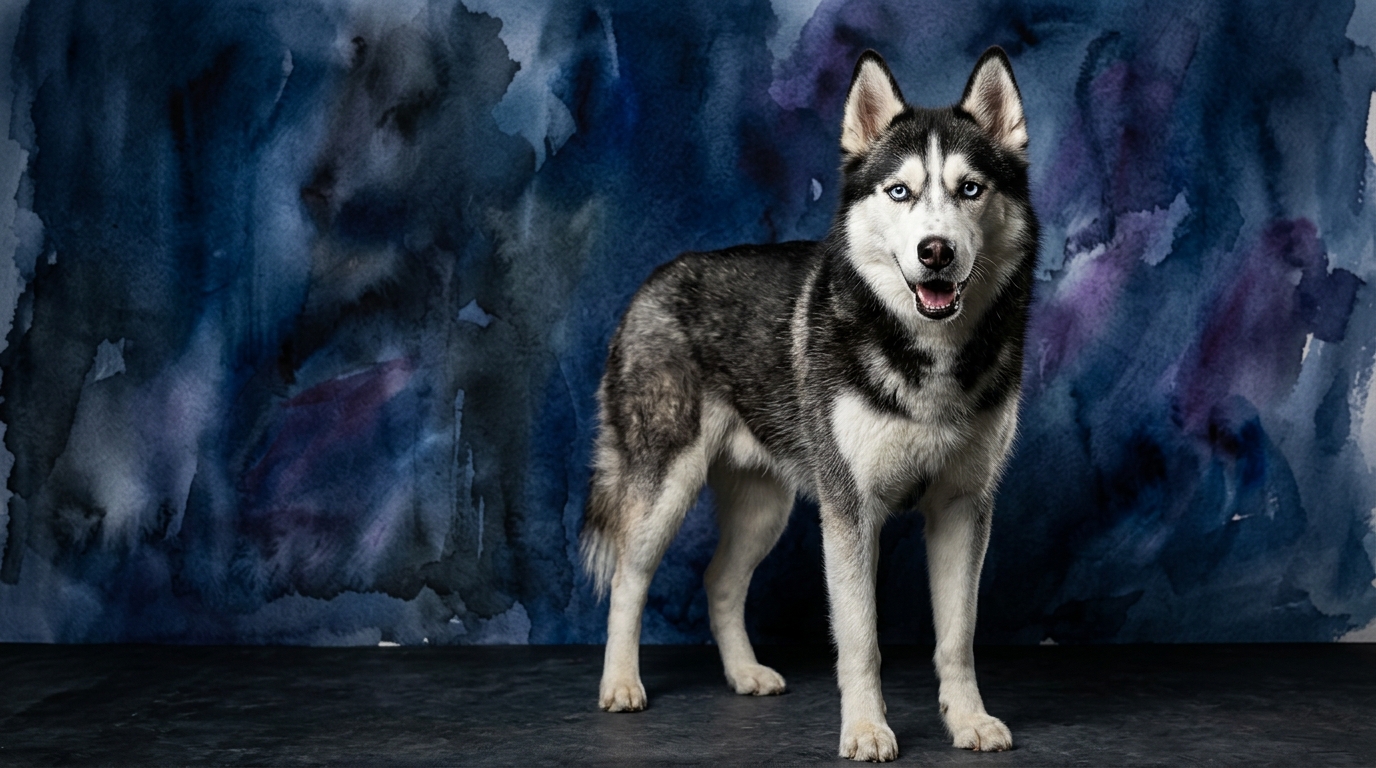
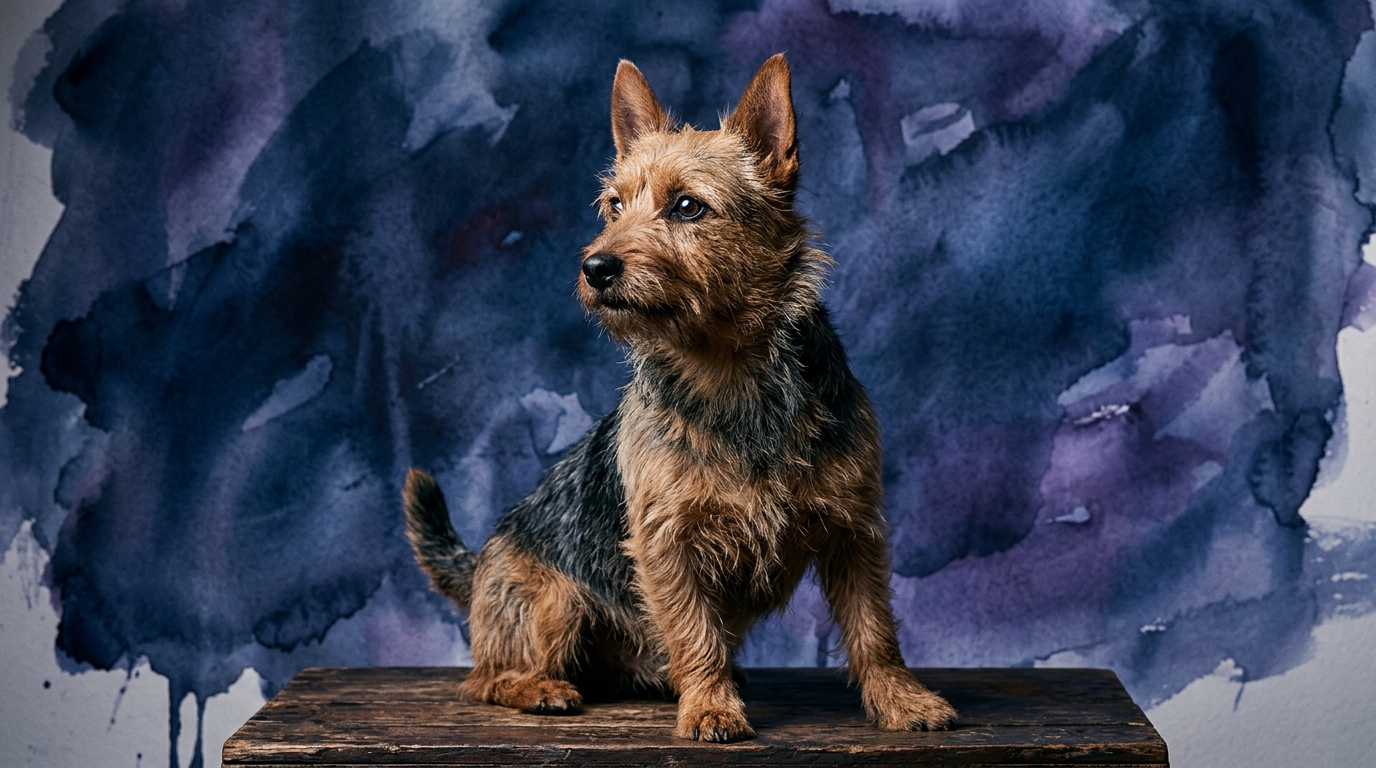
Side-by-Side IQ Profile: Siberian Husky vs. Australian Terrier
The Siberian Husky's cognitive profile, deeply rooted in its endurance sled dog heritage, features a Problem Solving score of 4/5, indicating capacity for complex navigation and strategic route-finding. Training Speed stands at 2/5, reflecting an independent nature that often prioritizes self-reliance, demanding significant patience and varied approaches. Social Intelligence is 3/5; while understanding pack dynamics, they retain a degree of self-sufficiency, often appearing aloof. Their Instinctive Drive is a formidable 5/5, manifesting as powerful prey drive, insatiable wanderlust, and an inherent desire to pull. Finally, their Memory is 4/5, showcasing excellent recall of locations, routes, and learned commands, vital for their original working roles.
In contrast, the Australian Terrier, bred for pest control and companionship, presents a different cognitive architecture. Its Problem Solving is 3/5, indicating competence at moderate challenges, especially those related to terrier instincts like locating hidden 'prey.' Training Speed is 3/5; they learn at a moderate pace, typically motivated by positive reinforcement and consistent methods, making them more amenable to conventional training. Social Intelligence is also 3/5; they form strong family bonds and are attuned to emotions, though selective with strangers. Their Instinctive Drive is 3/5, exhibiting typical terrier tenacity for digging and chasing, but generally less intense than a Husky's working drive. Memory is rated 3/5, meaning they effectively retain learned behaviors and routines, though without the Husky's precise spatial recall.
Where the Siberian Husky Wins Cognitively
The Siberian Husky undeniably excels in specific cognitive domains tied to its ancestral working purpose. Their Problem Solving score of 4/5 highlights a remarkable ability to navigate complex environments, finding optimal paths or bypassing barriers. This involves sophisticated spatial awareness and strategic thinking for independent decisions in challenging situations. Furthermore, their unparalleled Instinctive Drive of 5/5 signifies a powerful innate motivation for endurance work, pulling, and covering vast distances, making them exceptional for activities like sledding where sustained effort and self-direction are paramount. This drive, combined with a 4/5 Memory, allows them to recall intricate routes, specific landmarks, and learned sequences over extended periods, essential for demanding, repetitive tasks or returning from long journeys. The Husky’s cognitive strengths thus lie in their capacity for independent, long-term, and physically demanding 'work' requiring both strategic thought and enduring motivation.
Where the Australian Terrier Wins Cognitively
While the Australian Terrier’s individual scores might not always surpass the Husky’s in raw numbers, its cognitive strengths shine in different, often more domestic, contexts. With a Training Speed of 3/5 compared to the Husky's 2/5, the Australian Terrier typically proves more receptive to conventional obedience training, learning new commands with greater willingness and fewer repetitions in a pet home. Their motivation structure often aligns more closely with pleasing their owner for treats or praise, making them generally easier to guide. Their Problem Solving at 3/5, though lower than the Husky’s, is highly effective for challenges within a home environment, like figuring out how to get a hidden toy or outsmarting a perceived 'pest.' This manifests as persistent, clever approaches to immediate, tangible problems. The Australian Terrier’s 3/5 Social Intelligence, while numerically equal, often translates into a more overtly affectionate and consistently engaged companion within the family unit, less prone to the Husky's independent wanderlust, offering a consistently present and responsive companion.
Which is Easier to Train and Why
Evaluating trainability, the Australian Terrier generally presents an easier path for the average owner compared to the Siberian Husky. The Australian Terrier's Training Speed of 3/5 indicates a moderate learning pace and a greater inclination to engage with commands, especially with consistent positive reinforcement. Their desire for interaction often makes them more eager to please, reducing inherent resistance. In stark contrast, the Siberian Husky's 2/5 Training Speed reflects their profound independence and high Instinctive Drive (5/5). Huskies are self-sufficient and often question command necessity, preferring their own decisions. Their strong wanderlust and prey drive mean external distractions easily override focus. Training a Husky requires immense patience, creativity, and an understanding that you are often negotiating, as they may understand but choose not to comply if it doesn't align with their agenda, making consistency and strong motivation critical.
Which Suits Active Owners vs. Relaxed Owners
The choice between a Siberian Husky and an Australian Terrier significantly hinges on an owner's lifestyle. The Siberian Husky is unequivocally suited for highly active, experienced owners who can consistently provide extensive physical exercise and mental stimulation that taps into their profound instinctive drives. This means daily, vigorous activities like long runs or secure off-leash exploration. Their independent nature and need for purpose mean that relaxed owners will quickly find themselves overwhelmed by a bored, potentially destructive Husky. Conversely, the Australian Terrier suits owners who enjoy consistent daily walks, interactive play, and engaging their dog in moderate mental challenges. While not couch potatoes, their energy requirements are far more manageable. They thrive on being part of family activities and appreciate owners who can channel terrier instincts through games or designated digging. They are a good fit for owners seeking a spirited, engaging companion without the extreme demands of an endurance working dog.
The Verdict
Choose the Siberian Husky if you are an adventurous, experienced owner prepared for a strong-willed, high-energy companion that thrives on challenging work, extensive exploration, and requires consistent, creative engagement to channel its powerful instincts.
Opt for the Australian Terrier if you seek a plucky, loyal companion who enjoys engaging in moderate daily activity, consistent positive training, and forms a deep, responsive bond within a family setting.
🧠 Find Your Pet's IQ Score
Our Pet IQ Lab assessment covers 25+ tests across 5 cognitive dimensions — personalized to your breed.
Take the Full IQ Test →Frequently Asked Questions
Is a Siberian Husky truly 'difficult' to train?
Their 2/5 training speed reflects a strong independent streak and instinct to make their own choices, rather than a lack of capacity. This means training requires immense patience, creativity, and consistency to overcome their self-sufficiency and harness their high instinctive drive, often feeling more like a negotiation than simple instruction.
How does the Australian Terrier's 'instinctive drive' manifest differently from a Husky's?
The Australian Terrier's 3/5 instinctive drive typically involves chasing small prey and digging, characteristic of its terrier heritage, often within a more confined space and focused on immediate interaction. In contrast, the Husky's 5/5 drive is geared towards endurance running, pulling, and extensive exploration over vast distances, often with less direct reliance on human input.
Can an Australian Terrier live in an apartment?
Yes, with adequate daily exercise and mental stimulation, an Australian Terrier can adapt well to apartment living. Their moderate energy levels and strong bond with their family mean they primarily need their human companionship and engaging activities to prevent boredom and destructive behaviors, rather than a large yard.