Side-by-Side IQ Profile: Siberian Husky vs. Beagle
The Cosmic Pet IQ Lab's framework allows us to dissect the specific cognitive strengths of these two captivating breeds. Understanding their core aptitudes provides a clearer picture of their mental makeup, guiding prospective owners toward a compatible companion.
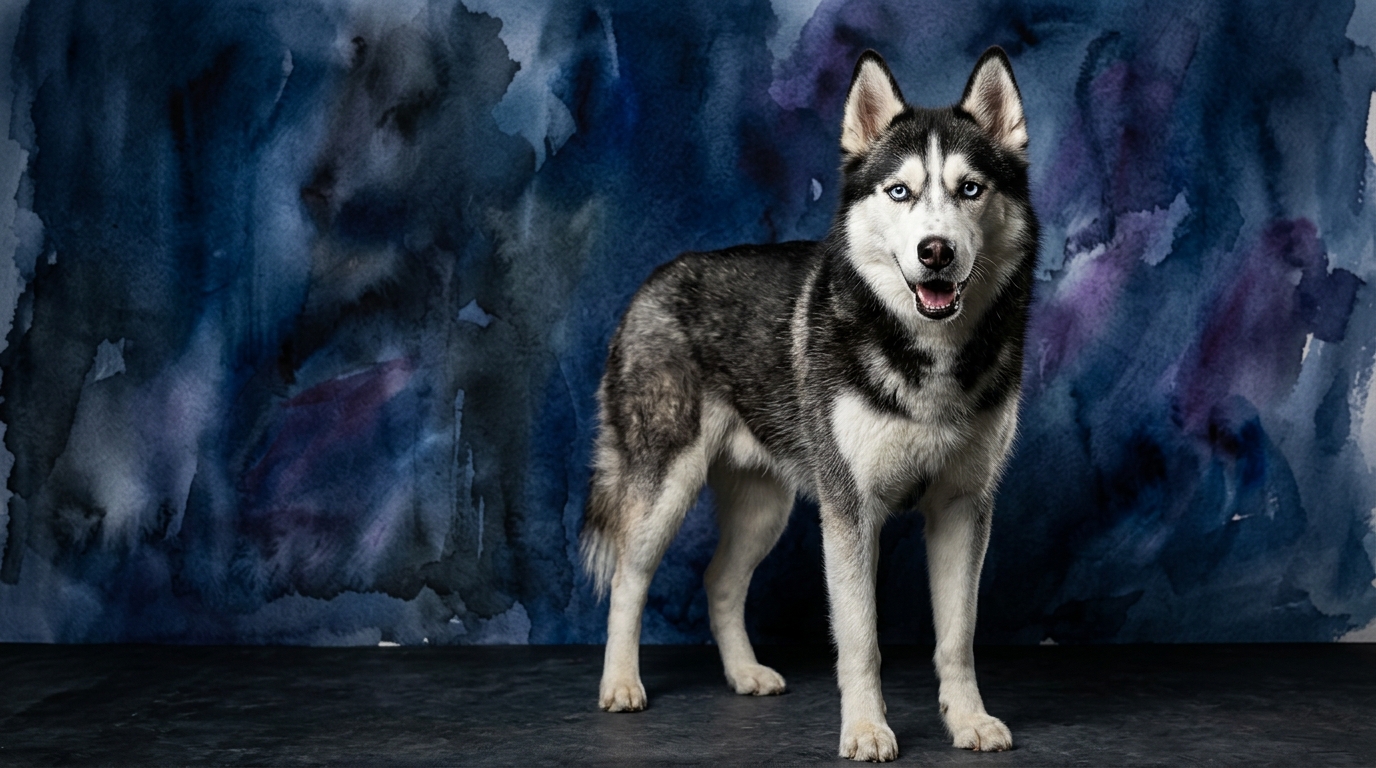
**Siberian Husky IQ Profile (Coren Rank #45):**
**Problem Solving (4/5):** Huskies exhibit a robust capacity for figuring out complex situations, particularly those involving navigation, resource acquisition, or even escape. Their historical role as sled dogs in vast, unforgiving terrains demanded independent decision-making and strategic thinking to ensure the team's survival and success, a trait still evident in their clever approaches to challenges.
**Training Speed (2/5):** This breed often presents a challenge in traditional obedience training due to a pronounced independent streak. It's not a lack of understanding, but a strong will and a tendency to prioritize their own internal motivations or interesting distractions over human commands, requiring patient, engaging, and consistent methods.
**Social Intelligence (3/5):** Huskies are generally sociable with both people and other dogs, often thriving within a 'pack' dynamic. Their interactions are typically driven by a desire for engagement and play, though their social structure can sometimes lead to a focus on hierarchy rather than strict human-led obedience in group settings.
**Instinctive Drive (5/5):** Possessing an exceptionally strong prey drive and an innate urge to run and explore, their instinctive behaviors are deeply ingrained from their working heritage. This powerful drive is a significant cognitive force, influencing their decision-making, motivation, and need for intense physical outlets.
**Memory (4/5):** Huskies showcase excellent memory, particularly for routes, commands they've learned (even if they occasionally choose not to comply), and past experiences. They recall patterns and locations with precision, aiding their navigation and understanding of their environment.
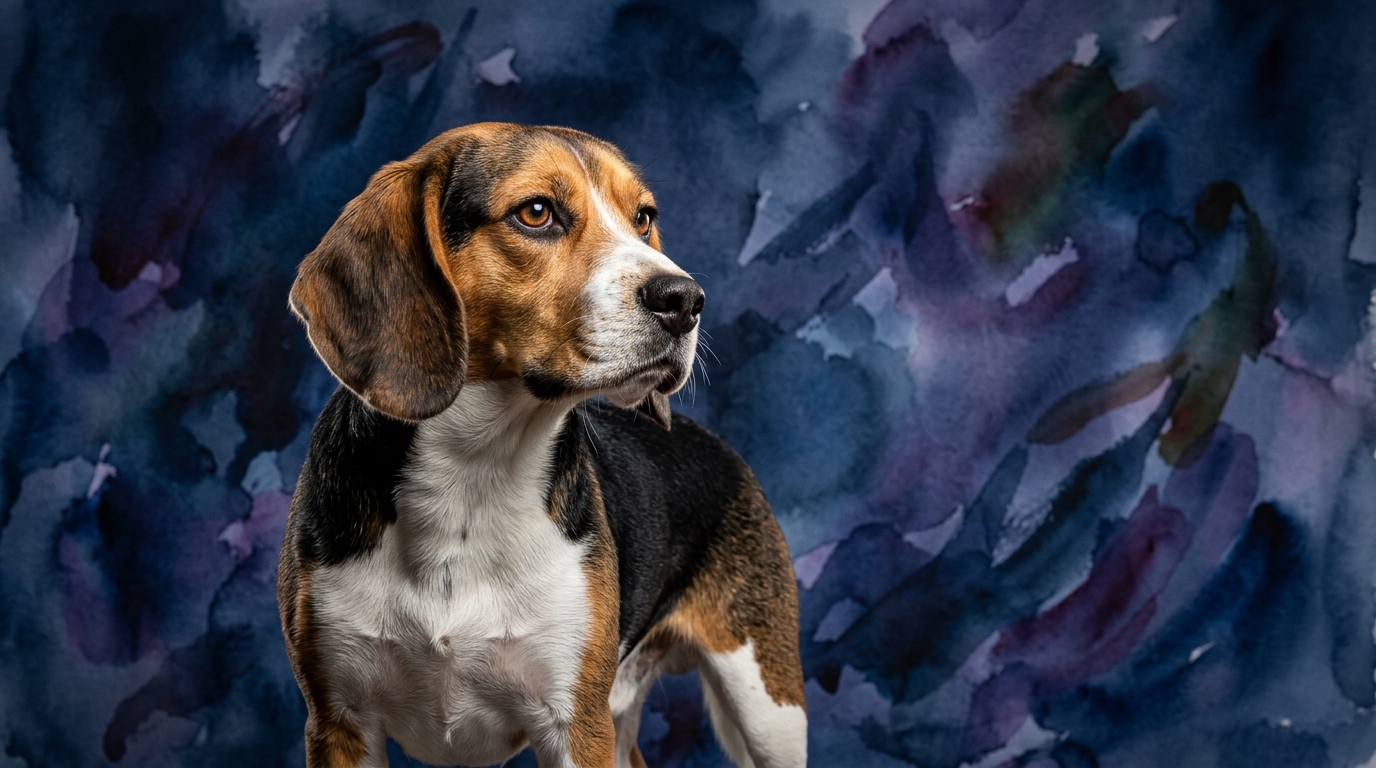
**Beagle IQ Profile (Coren Rank #72):**
**Problem Solving (4/5):** Beagles are resourceful and clever, especially when a challenge involves their primary sense: scent. They excel at figuring out intricate scent trails, locating hidden objects, or devising ways to access tantalizing smells. Their problem-solving is fundamentally motivated and guided by their powerful nose.
**Training Speed (2/5):** Similar to Huskies, Beagles can be difficult to train, primarily because their world is dominated by scent. When a compelling smell presents itself, their focus shifts entirely, often making them appear to have 'selective hearing' to human commands. Consistent, high-value reward-based training is essential to maintain their attention.
**Social Intelligence (3/5):** Beagles are highly social, typically friendly with strangers, children, and other animals, a trait stemming from their pack hunting origins. They thrive on companionship and group activities, displaying an enthusiastic, outgoing nature that makes them excellent family dogs, though sometimes at the cost of strict individual obedience.
**Instinctive Drive (5/5):** This breed is defined by an exceptionally strong scent drive, making them relentless in following a trail once engaged. This instinct is the core of their cognitive processing in many situations, overriding other stimuli and dictating much of their behavior and mental focus.
**Memory (4/5):** Beagles possess a strong memory for specific scents, the locations where interesting smells or food were found, and daily routines. This robust olfactory memory is crucial for their tracking abilities and their navigation within their perceived scent-rich environment.
Where the Siberian Husky Wins Cognitively
The Siberian Husky's cognitive strengths truly shine in independent decision-making tasks that don't primarily rely on scent. Their heritage as sled dogs means they excel at spatial reasoning, navigating complex or varied terrain, and remembering long routes without constant human direction. They demonstrate a mental resilience and endurance for sustained physical and cognitive effort, often making strategic choices in challenging environments. A Husky's memory for pathways and past successful (or unsuccessful) attempts at problem-solving in a non-olfactory context gives them an edge in self-directed exploration and overcoming physical obstacles.
Where the Beagle Wins Cognitively
Conversely, the Beagle's cognitive prowess is unparalleled in the realm of olfactory problem-solving. Their superior ability to discriminate between a multitude of smells, follow faint trails over long distances, and persistently work through scent puzzles sets them apart. This intense focus on their nose means they can process and remember a vast library of scents, making them exceptional at tasks like detection work or finding hidden objects. Their cognitive 'wins' are deeply intertwined with their primary sensory input, enabling them to decipher complex scent narratives that are invisible to other breeds.
Which is Easier to Train and Why
Both Siberian Huskies and Beagles share a 'Training Speed' score of 2/5, indicating that neither is inherently 'easy' to train in the traditional sense, but the nature of their training challenges differs significantly. Huskies present difficulty due to their strong independence and a propensity for selective hearing; they understand commands but will often weigh them against their own strong desire to run, explore, or simply do something more interesting. Training a Husky requires creativity, consistency, and making tasks engaging to overcome their potential boredom and strong-willed nature. Beagles, on the other hand, are challenged by their overpowering scent drive. Once they catch a compelling smell, their entire cognitive focus shifts, making it incredibly difficult to regain their attention for obedience commands. Training a Beagle demands high-value rewards to compete with the allure of a scent trail and often requires working in varied environments to generalize commands despite sensory distractions. Neither breed is for the faint of heart when it comes to obedience, but understanding their core motivations — independence and running for the Husky, and scent for the Beagle — is key to successful training.
Which Suits Active Owners vs. Relaxed Owners
Neither the Siberian Husky nor the Beagle is truly suited for a 'relaxed' owner in the sense of minimal engagement. Both breeds possess an 'Instinctive Drive' of 5/5, demanding significant physical and mental outlets.
A **Siberian Husky** is ideal for highly active owners who thrive on outdoor adventures. Their strong urge to run, explore, and engage in sustained physical activity means they require daily, vigorous exercise like long runs, hikes, or sledding. Owners must be prepared to provide consistent mental challenges to satisfy their problem-solving nature and prevent boredom, which can lead to destructive behaviors or escape attempts. They need an owner who can match their boundless energy and independent spirit.
A **Beagle**, while perhaps not needing the same sheer mileage as a Husky, still requires active engagement, though often focused around their powerful nose. They are perfect for owners who enjoy long walks where the dog can thoroughly sniff and explore, or who are willing to engage in scent work, tracking games, or structured 'nose games' at home. While they can be content to lounge, their instinctive drive for scent work is profound, and without proper outlets, they can become restless, vocal, or destructive. An owner who understands and can channel this innate drive will find a rewarding companion, but one who expects a completely sedentary dog will be disappointed.
The Verdict
If you seek a spirited companion for active outdoor adventures, enjoy engaging with a dog that thinks independently, and can provide consistent, varied mental and physical challenges to satisfy their exploratory and problem-solving nature, choose the Siberian Husky.
If you appreciate a dog whose world revolves around scent, are prepared to channel their powerful nose into engaging activities, and value a friendly, persistent companion who thrives on tracking and social interaction, choose the Beagle.
🧠 Find Your Pet's IQ Score
Our Pet IQ Lab assessment covers 25+ tests across 5 cognitive dimensions — personalized to your breed.
Take the Full IQ Test →Frequently Asked Questions
Are Siberian Huskies good at learning tricks?
Huskies can certainly learn tricks, but their training speed (2/5) suggests it might take consistent effort and highly engaging methods. They tend to perform when genuinely motivated or when the trick serves a purpose for them, rather than solely to please.
Do Beagles make good guard dogs?
Beagles are generally not ideal guard dogs due to their social intelligence (3/5) and typically friendly, outgoing nature. While they are known for their distinctive baying bark, they are more likely to greet strangers with curiosity and enthusiasm than with protective aggression.
Which breed is better for apartment living?
Neither breed is ideally suited for small apartment living without a dedicated owner who can provide extensive daily outdoor exercise and mental stimulation. Huskies require vast space to run and expel energy, while Beagles need ample opportunities for scent exploration to prevent boredom and destructive behaviors.