Side-by-Side IQ Profile: Siberian Husky vs. Belgian Sheepdog (Groenendael)
The Cosmic Pet Pet IQ Lab categorizes canine intelligence across five dimensions, offering a nuanced view beyond simple obedience. Here's how the Siberian Husky and the Belgian Sheepdog (Groenendael) stack up.
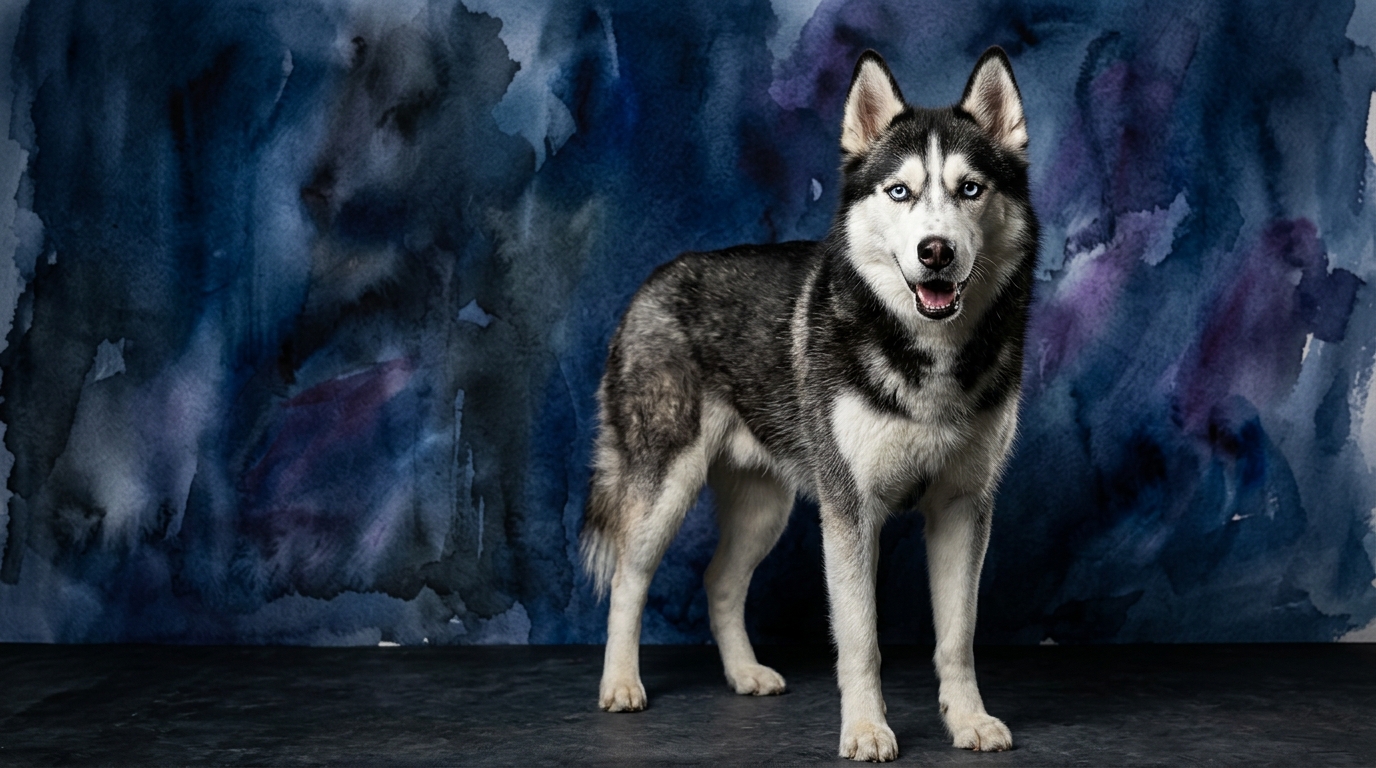
Siberian Husky:
Problem Solving (4/5): These dogs display a robust capacity for independent thought, often devising their own solutions to obstacles, particularly when motivated by exploration or perceived 'escape routes'. Their ingenuity frequently shines when faced with environmental challenges, like opening latches or navigating complex terrains, rather than abstract puzzles.
Training Speed (2/5): The Husky's strong will and historical role as a sled dog, requiring independent decision-making in vast landscapes, translates to a slower acquisition of obedience cues. They understand commands but often choose whether or not to comply based on their own assessment of the situation or their motivation level, necessitating consistent and engaging training methods.
Social Intelligence (3/5): Huskies are generally amiable with both humans and other dogs, possessing a moderate understanding of social cues. They are pack animals by nature, forming strong bonds within their family unit, but their independence means they aren't always seeking to please or interpret subtle human intentions with the same precision as some other breeds.
Instinctive Drive (5/5): Their ancestral purpose as long-distance sled pullers is deeply ingrained, manifesting as a powerful urge to run, explore, and follow scents. This high instinctive drive fuels their remarkable endurance and resilience, making them formidable adventurers, but also requiring careful management to prevent wandering.
Memory (4/5): Huskies possess an excellent memory for locations, routes, and experiences, which is crucial for their historical role in navigating vast, often featureless, snowy expanses. They also remember past interactions and learned behaviors, both positive and negative, influencing future responses.
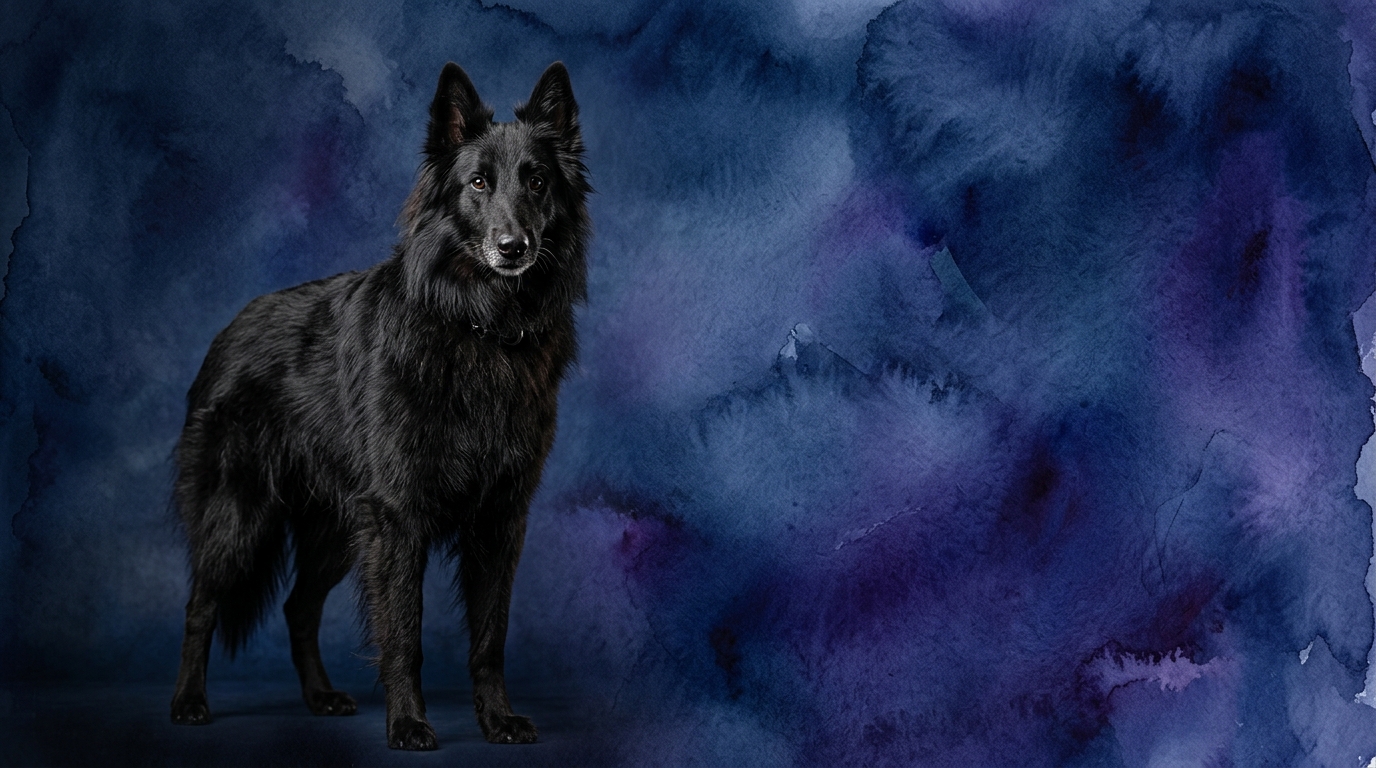
Belgian Sheepdog (Groenendael):
Problem Solving (5/5): Groenendaels exhibit exceptional analytical abilities, quickly assessing situations and formulating effective strategies. Their cognitive strength allows them to tackle complex tasks, from intricate obedience routines to advanced protection work, often anticipating next steps and adapting their approach.
Training Speed (5/5): These dogs are remarkably quick learners, eager to absorb new commands and behaviors with minimal repetition. Their innate desire to work closely with their handler and their focused attention span make them highly receptive to training, often mastering new skills in very few sessions.
Social Intelligence (3/5): Groenendaels are sensitive and deeply attached to their primary caregivers, showing a moderate capacity for interpreting human emotions and intentions. While they form strong bonds and are protective, their social interactions can sometimes be reserved with strangers, preferring the familiarity of their inner circle.
Instinctive Drive (3/5): Originating as herding and protection dogs, their instinctive drives are channeled towards guarding, gathering, and working alongside humans. While they possess vigor, their drive is less about independent exploration and more about purposeful activity directed by their handler, making them less prone to aimless wandering than some breeds.
Memory (5/5): Groenendaels possess a superior capacity for memory, retaining a vast repertoire of commands, routines, and experiences over long periods. This exceptional recall is a cornerstone of their success in demanding roles like competitive obedience, agility, and protection work, where precision and consistency are paramount.
Where the Siberian Husky Wins Cognitively
The Siberian Husky's cognitive strengths distinctly align with its heritage as a long-distance sled dog. Their instinctive drive, rated at a perfect 5/5, is a profound cognitive advantage when it comes to self-motivation and enduring physical tasks. This isn't just about energy; it's a deep-seated mental fortitude that compels them to push forward, even in challenging conditions, making them unparalleled in sustained endurance activities without constant human prompting. Their 4/5 problem-solving ability, while not always directed at human-centric tasks, shines in environmental navigation and independent decision-making. A Husky might not solve a puzzle toy as quickly as a Groenendael, but it will cleverly figure out how to open a gate or find a way back home through unfamiliar territory, demonstrating a different, yet equally valuable, form of practical intelligence rooted in self-sufficiency. Furthermore, their 4/5 memory is particularly adept at recalling routes and locations, essential for a breed that once traversed vast, often featureless, snowy expanses, remembering landmarks and safe paths.
Where the Belgian Sheepdog (Groenendael) Wins Cognitively
The Belgian Sheepdog (Groenendael) demonstrates a cognitive profile optimized for partnership and directed work, excelling where precision and rapid learning are paramount. Their 5/5 problem-solving capability is outstanding, allowing them to quickly grasp complex sequences and adapt to novel training scenarios with remarkable agility. This isn't just about repetition; it's an ability to understand abstract concepts and apply them. Paired with a 5/5 training speed, Groenendaels absorb new commands and behaviors with astonishing alacrity, often requiring only a few repetitions to solidify a skill. This rapid assimilation is a testament to their focus and eagerness to engage with their handler. Their exceptional 5/5 memory further reinforces this, enabling them to retain an extensive vocabulary of commands and intricate routines over long periods, making them superb candidates for advanced dog sports and working roles where consistent, error-free performance is critical. Their cognitive prowess lies in their capacity for nuanced understanding and executing multi-step instructions reliably.
Which is Easier to Train and Why
When it comes to ease of training, the Belgian Sheepdog (Groenendael) holds a significant advantage over the Siberian Husky. The Groenendael's 5/5 training speed is a direct reflection of its keen desire to cooperate and its capacity for rapid learning, often mastering new cues in very few sessions. They possess a high degree of biddability, meaning they are inherently inclined to follow human direction and find satisfaction in performing tasks for their handler. This contrasts sharply with the Siberian Husky's 2/5 training speed. Huskies are not inherently difficult; rather, they are independent thinkers whose historical role required them to make decisions without constant human oversight. They understand commands but often weigh them against their own interests, leading to a 'what's in it for me?' attitude. Training a Husky requires immense patience, creativity, and a strong understanding of their motivations, often leveraging their powerful instinctive drive for running and exploring into structured activities, whereas a Groenendael naturally seeks to please and excels in structured environments.
Which Suits Active Owners vs. Relaxed Owners
Both breeds demand active engagement, but their ideal owners differ in the type of activity they provide. The Siberian Husky, with its 5/5 instinctive drive and high physical endurance, is unequivocally suited for owners who embody an active, adventurous lifestyle. They require extensive daily exercise that taps into their innate desire to run and explore, making them ideal companions for hikers, runners, and those who enjoy outdoor adventures, even in colder climates. Their independent nature also means they can tolerate periods of self-directed activity, provided their needs for mental and physical stimulation are met. A 'relaxed owner' would quickly find themselves overwhelmed by a Husky's unmet energy demands, potentially leading to destructive behaviors.
The Belgian Sheepdog (Groenendael), while equally requiring an active owner, thrives on structured activity and mental stimulation. Their high training speed and problem-solving abilities mean they excel in dog sports like agility, obedience, and protection work, which provide both physical exertion and cognitive challenges. They need an owner who is committed to consistent training, enjoys teaching complex skills, and can provide a job or purpose. While they enjoy physical activity, their energy is often best channeled through directed tasks rather than purely free-form exploration. A truly 'relaxed' owner would likely struggle with a Groenendael's need for mental engagement and purpose, as their intelligence demands an outlet to prevent boredom and potential behavioral issues.
The Verdict
Choose the Siberian Husky if you are an independent, adventurous owner seeking a resilient companion for long outdoor excursions and appreciate a dog with a strong will and unique problem-solving approach.
Opt for the Belgian Sheepdog (Groenendael) if you are a dedicated, active owner eager to engage in consistent training, dog sports, and provide a purposeful working role for a highly trainable and intelligent partner.
🧠 Find Your Pet's IQ Score
Our Pet IQ Lab assessment covers 25+ tests across 5 cognitive dimensions — personalized to your breed.
Take the Full IQ Test →Frequently Asked Questions
Is the Siberian Husky a good choice for first-time dog owners?
Due to their independent nature, strong prey drive, and demanding exercise requirements, Siberian Huskies can be challenging. First-time owners should be prepared for extensive training and management to mitigate their unique behavioral traits.
How much exercise does a Belgian Sheepdog (Groenendael) need daily?
Groenendaels require a significant amount of daily exercise, typically 60-90 minutes of vigorous activity, combined with regular mental stimulation through training or puzzle toys to keep their active minds engaged.
Do Siberian Huskies and Belgian Sheepdogs get along with other pets?
Siberian Huskies possess a high prey drive and may not be suitable for homes with small pets without early, extensive socialization. Belgian Sheepdogs, while generally good with other dogs if socialized, can have strong herding instincts that might lead them to 'manage' other animals.