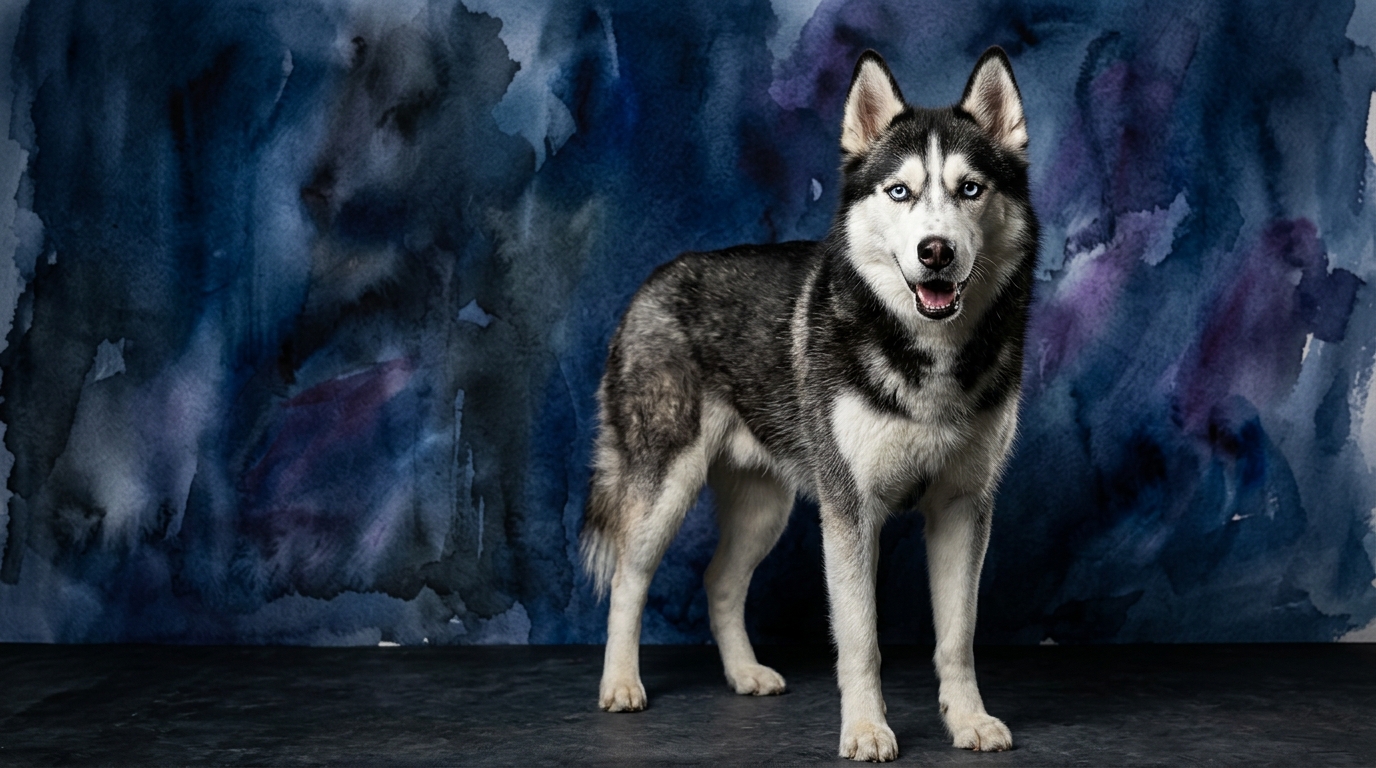
The Cosmic Pet Pet IQ Lab: Siberian Husky Profile
The Siberian Husky, a breed forged in the demanding landscapes of the Arctic, exhibits a distinct cognitive profile. Their Problem Solving is rated at 4/5, reflecting a resourceful mind capable of navigating complex environments and often figuring out how to achieve their own objectives, whether that's escaping an enclosure or outsmarting a handler. This isn't always about cooperation, but about independent efficacy.
Their Training Speed, at 2/5, indicates a challenge for the average owner. Huskies possess a strong will and an independent spirit, often questioning commands rather than immediately complying. They learn, but they require consistent, engaging, and highly motivating training methods to overcome their natural inclination towards self-direction. Social Intelligence stands at 3/5; while they can form strong bonds and understand pack dynamics, their focus isn't primarily on pleasing humans, but rather on harmonious co-existence within their chosen 'pack.'
Instinctive Drive is exceptionally high at 5/5, manifesting as an overwhelming urge to run, pull, and chase. Their prey drive is potent, and their endurance is legendary, deeply rooted in their sled dog heritage. Finally, their Memory is rated 4/5, meaning Huskies retain information about their environment, routines, and past experiences with remarkable clarity, particularly those that serve their independent goals or survival instincts.
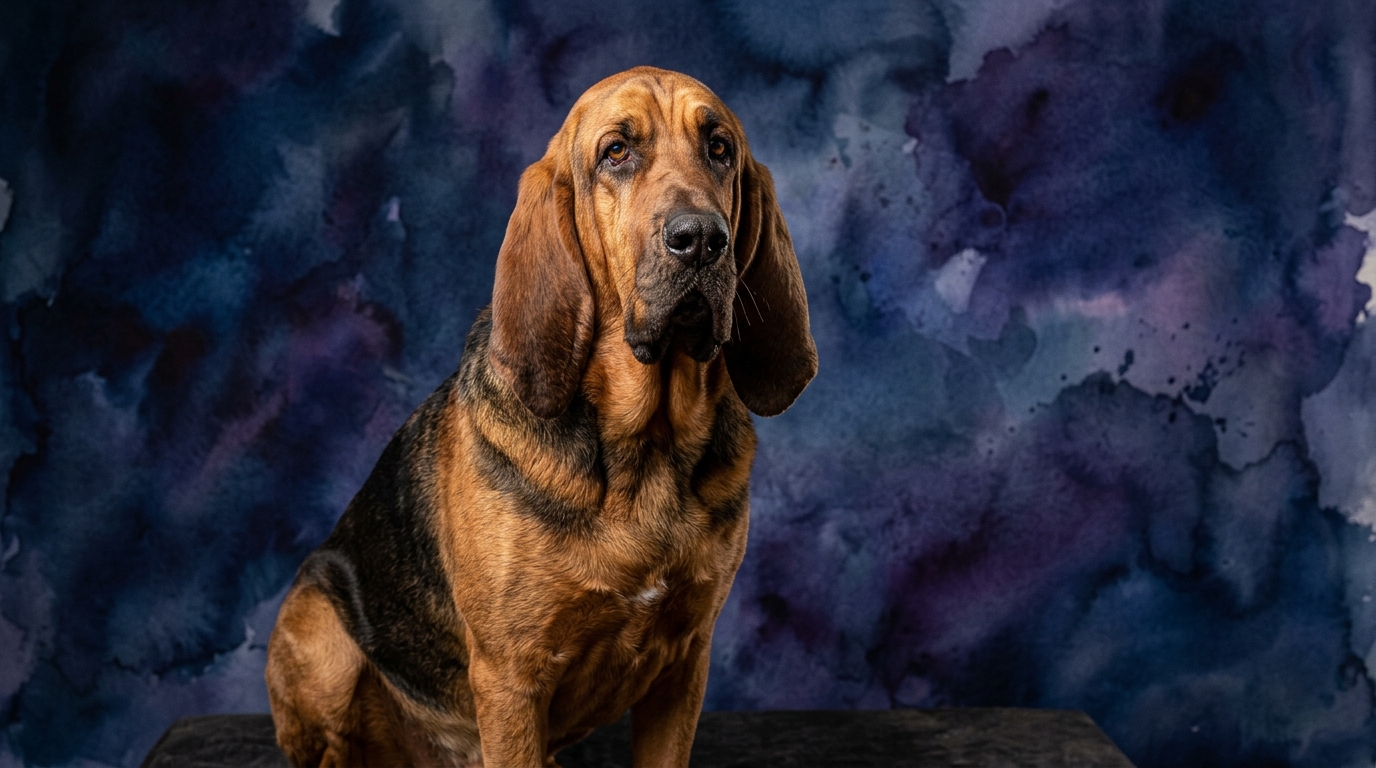
The Cosmic Pet Pet IQ Lab: Bloodhound Profile
The Bloodhound's cognitive architecture is singularly focused, a testament to centuries of selective breeding for scent work. Their Problem Solving is an astounding 5/5, but this isn't about general problem-solving; it's about the intricate, multi-layered puzzle of following a scent trail. They can process and filter an overwhelming amount of olfactory information, distinguishing a specific human scent from a cacophony of others, even days later, a cognitive feat unmatched in the canine world.
Training Speed, however, is rated at a challenging 1/5. This low score doesn't imply a lack of mental capacity, but rather an extreme difficulty in redirecting their focus once a scent is engaged. Traditional obedience training can be an uphill battle, as their nose dictates their priorities, often making them appear stubborn or oblivious to commands when on a trail. Their Social Intelligence is 2/5; while generally gentle and amiable, their primary connection to the world is through scent, making them less attuned to complex human social cues compared to breeds bred for close partnership.
Instinctive Drive is also 5/5, but unlike the Husky's drive to run, the Bloodhound's is an all-consuming urge to track. This drive is so powerful it can override all other stimuli and commands, making them incredibly focused but also single-minded to a fault. Their Memory is a perfect 5/5, specifically for scent. They can remember and differentiate an astonishing array of individual scents and complex scent patterns over long periods, which is critical for their tracking prowess.
Where Siberian Husky's Cognition Shines
The Siberian Husky's cognitive strengths lie in their adaptable resourcefulness and ability to operate effectively without constant human direction. Their 4/5 problem-solving isn't just about finding solutions; it's about creative solutions, often to problems like 'how do I get over this fence?' or 'how do I get to that interesting squirrel?' This independent thought process, coupled with a solid memory, allows them to learn from experience and apply those lessons to new, similar situations, making them excellent at navigating varied terrains and unpredictable environments.
While not as high as some 'people-pleaser' breeds, the Husky's 3/5 social intelligence allows them to integrate well into human families and multi-dog households, understanding social hierarchies and boundaries. They are capable of reading a situation and reacting appropriately, though their reaction might not always align with human expectations due to their independent streak. This balance between self-reliance and social awareness makes them captivating companions for owners who appreciate a dog with its own agenda and personality.
Where Bloodhound's Cognition Dominates
The Bloodhound's cognitive superiority is unequivocally in the realm of olfaction and sustained focus. Their 5/5 problem-solving isn't about general cunning, but about an unparalleled ability to decipher the most complex and faint scent trails. This involves an intricate cognitive process: isolating a target scent, filtering out environmental noise, and maintaining relentless pursuit over vast distances and varied terrain, often for hours or days. No other breed possesses this specialized cognitive strength to the same degree.
Their perfect 5/5 memory for scent is intrinsically linked to this. A Bloodhound can recall the unique signature of an individual scent, even after significant time has passed or the scent has degraded. This deep, persistent memory allows them to pick up a cold trail and follow it with precision, demonstrating a form of long-term memory that is highly specialized and incredibly robust, directly supporting their 5/5 instinctive drive for tracking.
Training Challenge: Husky vs. Bloodhound
When it comes to ease of training, the Siberian Husky, with a Training Speed of 2/5, presents a less daunting, though still significant, challenge compared to the Bloodhound's 1/5. Huskies are independent thinkers; they learn quickly but often choose whether or not to comply based on their own assessment of the situation or their level of motivation. They require a handler who understands their working breed heritage, employing positive reinforcement, variety, and a strong, consistent leadership to make training sessions engaging and worthwhile for the dog.
The Bloodhound, on the other hand, is arguably one of the most challenging breeds to train in traditional obedience, primarily because of its overwhelming 5/5 instinctive drive for scent. Once their nose is down and they've caught a trail, their world shrinks to that scent, and external commands often become irrelevant. This isn't a lack of intelligence, but an extreme prioritization of their primary cognitive function. Training a Bloodhound effectively means harnessing this drive, often integrating scent work into their learning, and accepting that their recall in a high-scent environment will always be tenuous. Their low social intelligence score (2/5) further implies they are less motivated by the desire to please their handler, reinforcing their single-minded pursuit of olfactory information.
Owner Suitability: Active Seekers vs. Methodical Minds
The Siberian Husky is a quintessential breed for highly active owners who thrive on outdoor adventures and can provide consistent, vigorous exercise. Their 5/5 instinctive drive to run and pull means they require daily opportunities to expend significant physical energy, often for several hours. Without this outlet, their problem-solving skills (4/5) might be applied to less desirable activities like escaping or destructive chewing. Owners must also be prepared for their independent nature (2/5 training speed) and engage them with mental challenges that respect their intelligence without expecting unwavering obedience.
The Bloodhound, while not requiring the same sheer speed and endurance as a Husky, demands a different kind of 'active' ownership. Their 5/5 instinctive drive for scent work means they need regular, structured opportunities to use their nose. This isn't just about a walk in the park; it's about engaging their unparalleled problem-solving (5/5) and memory (5/5) through tracking games, scent work, or even formal trailing. A 'relaxed' owner who expects a docile companion will find the Bloodhound's single-mindedness frustrating. They need an owner who is patient, methodical, and willing to embrace their dog's unique cognitive strengths, even if it means sacrificing perfect obedience for the joy of watching a master tracker at work.
The Verdict: Choosing Your Canine Companion
The Verdict
Choose a Siberian Husky if you are an adventurous, highly active individual or family seeking an independent, resourceful companion for outdoor exploits, and are prepared to engage with a dog that thinks for itself and requires consistent, motivating training.
Choose a Bloodhound if you are a patient, methodical owner fascinated by the power of scent, willing to dedicate significant time to structured scent work and tracking, and appreciate a dog whose primary cognitive focus is on unraveling the world through its nose.
🧠 Find Your Pet's IQ Score
Our Pet IQ Lab assessment covers 25+ tests across 5 cognitive dimensions — personalized to your breed.
Take the Full IQ Test →Frequently Asked Questions
Are Siberian Huskies difficult to train?
Siberian Huskies have a training speed of 2/5, indicating they are not inherently easy to train due to their independent nature and strong will. They learn quickly but require consistent, engaging, and highly motivating methods, often choosing whether to comply based on their own assessment of the situation.
What makes a Bloodhound's problem-solving unique?
A Bloodhound's problem-solving, rated 5/5, is uniquely specialized in deciphering complex scent trails. This involves an intricate cognitive process of isolating a target scent, filtering environmental distractions, and maintaining relentless focus over long distances and varied conditions, a feat unmatched by other breeds.
Which breed is better for a family with children?
Both breeds can be good with children, but their suitability depends on the family's lifestyle and understanding of their unique needs. Huskies require significant exercise and mental stimulation, while Bloodhounds need structured scent work; neither is a low-maintenance choice, and supervision is always recommended.