Side-by-Side Cognitive Profiles
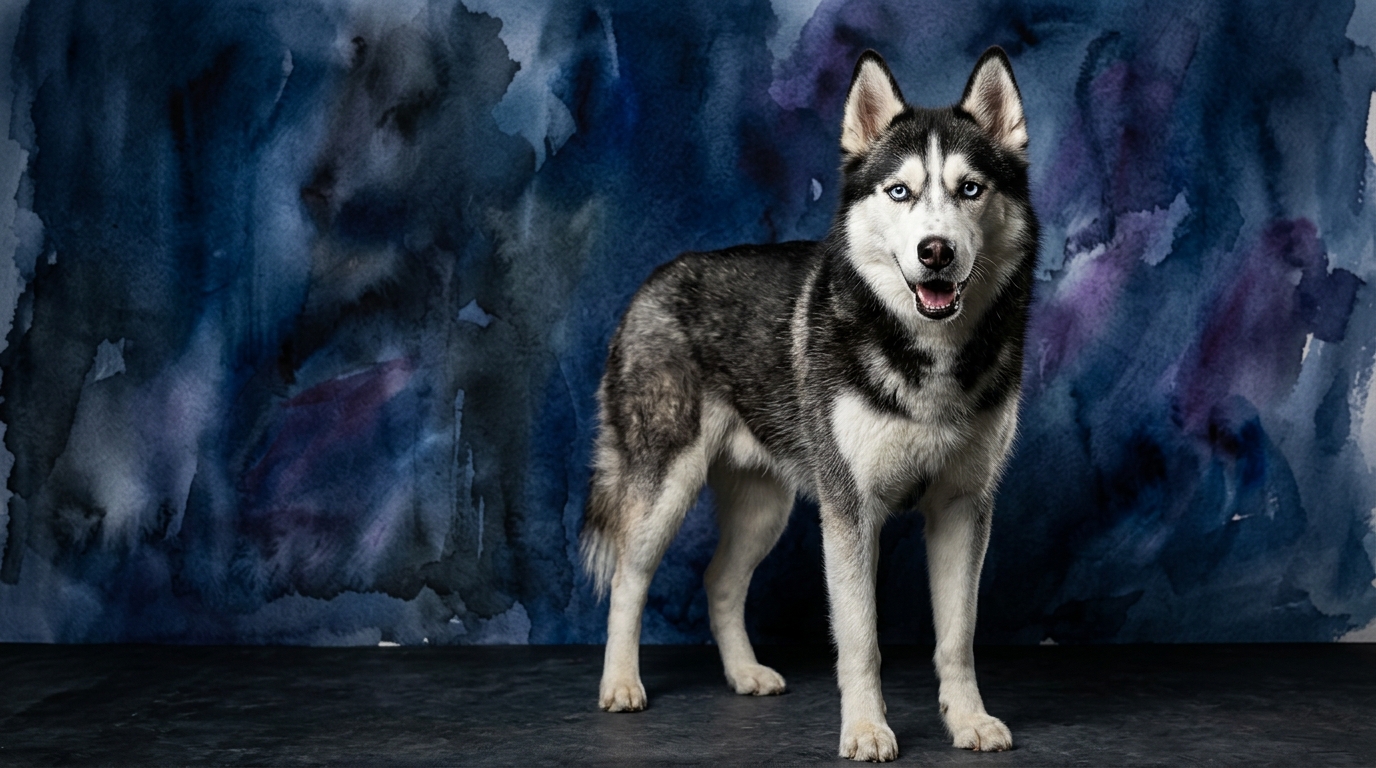
The Cosmic Pet Pet IQ Lab employs five distinct dimensions to map a breed's cognitive architecture, providing a nuanced understanding of their mental capabilities. For the Siberian Husky, a Working group dog ranked #45 by Coren, its profile shows strong Problem Solving at 4/5, indicating an aptitude for independent thought and navigating complex situations. Its Training Speed, however, is a moderate 2/5, suggesting a more deliberate approach to learning new commands. Social Intelligence stands at 3/5, reflecting a capacity to understand human cues, while its Instinctive Drive is an impressive 5/5, deeply rooted in its heritage of pulling sleds over vast distances. Memory is also robust at 4/5, allowing them to retain learned behaviors and spatial information effectively.
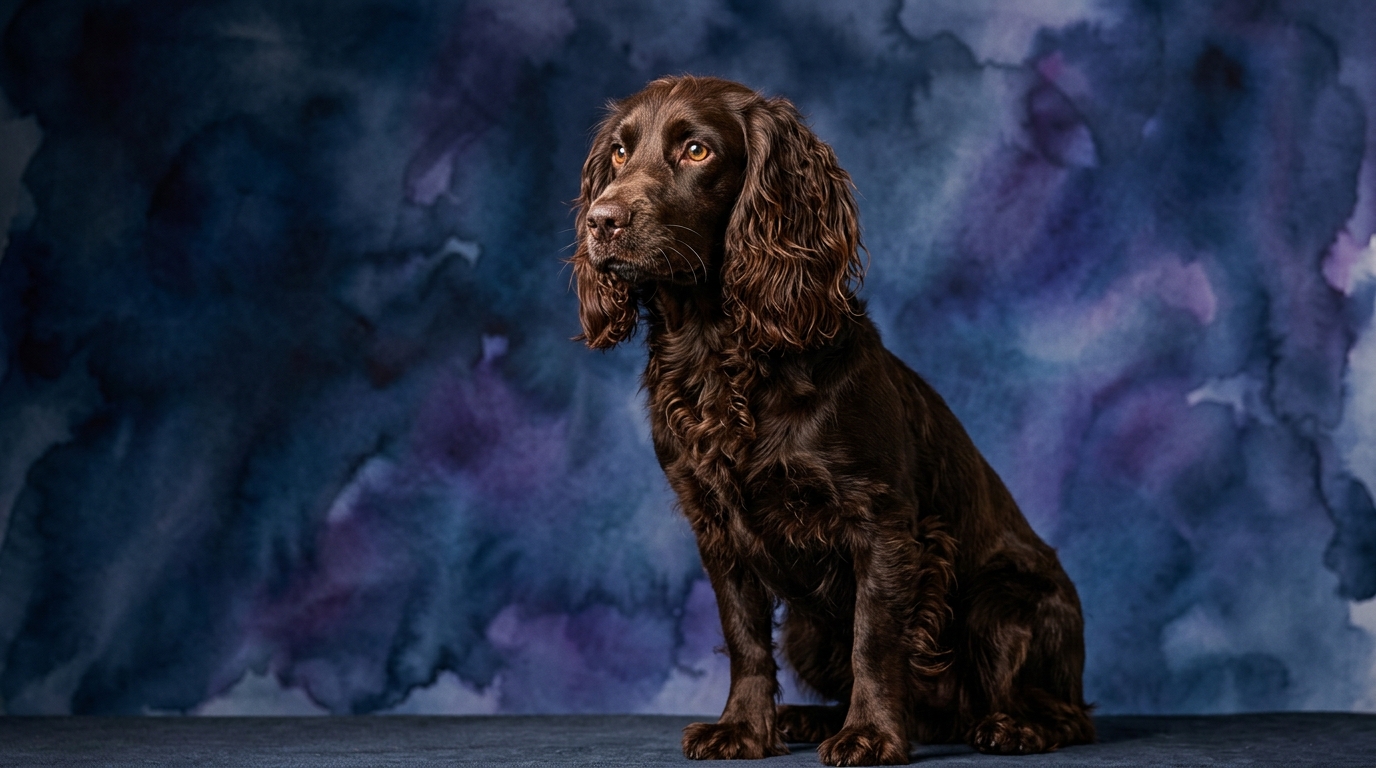
In contrast, the Boykin Spaniel, a Sporting group dog without a specific Coren rank, presents a different cognitive blueprint. Its Problem Solving ability is rated 3/5, indicating a practical intelligence suited to its retrieving tasks. Training Speed is a solid 3/5, suggesting a more cooperative and responsive learner than the Husky. Social Intelligence matches the Husky at 3/5, showcasing a similar capacity for interaction. Its Instinctive Drive, rated 3/5, is specifically channeled towards hunting and water retrieval, a focused drive rather than the expansive endurance of the Husky. Memory for the Boykin Spaniel is 3/5, sufficient for recalling commands and game locations without the same depth as the Husky.
Where the Siberian Husky's Mind Excels
The Siberian Husky truly shines in scenarios demanding independent problem-solving and a profound instinctive drive. With a Problem Solving score of 4/5, these dogs are adept at figuring things out on their own, whether it's opening a gate, finding a way around an obstacle, or strategizing to obtain a desired item. This cognitive strength stems from their history as sled dogs, where they often had to make decisions in challenging environments without direct human command, such as navigating through blizzards or identifying safe paths. Their high Memory score of 4/5 complements this, allowing them to recall past solutions and apply them to new, similar situations, making them quick learners in specific, self-directed contexts.
Furthermore, the Husky's remarkable Instinctive Drive of 5/5 isn't just about physical endurance; it's a profound mental tenacity. This drive fuels their capacity for sustained effort and focus on a task, particularly those involving movement and exploration. While it can manifest as a strong urge to run and roam, it also contributes to their ability to maintain concentration over long periods when engaged in activities aligned with their natural inclinations. Their working heritage means their cognitive processes are geared towards sustained physical and mental engagement, making them exceptional at endurance tasks and navigating complex, expansive territories.
Where the Boykin Spaniel's Mind Stands Out
While the Boykin Spaniel may not boast the same raw problem-solving or memory scores as the Husky, its cognitive strengths lie in areas of cooperativeness and specialized application. Its Training Speed of 3/5, notably higher than the Husky's 2/5, indicates a breed more inclined to absorb and execute commands efficiently. This responsiveness is a significant cognitive advantage for owners seeking a companion that quickly grasps new instructions and is eager to please. Their Social Intelligence score of 3/5, matching the Husky, ensures they are receptive to human communication, further aiding in the training process and fostering a strong working relationship.
The Boykin's Instinctive Drive of 3/5, while not as high in raw intensity as the Husky's, is acutely focused and highly functional within its specific domain: hunting and retrieving. This drive, combined with its 3/5 Problem Solving and Memory, makes them exceptionally effective at tasks requiring sustained attention to detail, scent work, and repetitive action in a goal-oriented manner. They demonstrate a practical intelligence, adept at learning sequences of actions required for successful retrieves and consistently applying them. Their cognitive strengths are less about independent, expansive problem-solving and more about precise, cooperative task execution, making them reliable partners in their chosen field.
Training Dynamics: Siberian Husky vs. Boykin Spaniel
When it comes to trainability, the differences between these two breeds become quite pronounced, largely dictated by their respective cognitive profiles. The Siberian Husky, with its Training Speed of 2/5 and high Instinctive Drive (5/5), often presents a unique challenge. Their powerful problem-solving abilities (4/5) mean they understand commands but may choose to obey only if it aligns with their own perceived interests or if they see a clear benefit. This independence, a hallmark of their working heritage, means training requires significant consistency, patience, and a deep understanding of motivation. They are not inherently eager to please in the way many other breeds are; rather, they are intelligent collaborators who need to be convinced of the value of compliance. Their strong prey drive and desire to roam can also override learned commands if not managed with robust recall training and secure environments.
The Boykin Spaniel, conversely, often proves to be a more straightforward training partner, reflected in its 3/5 Training Speed. Their instinctive drive (3/5) is more geared towards working *with* a handler, making them naturally more amenable to instruction. While they possess good problem-solving skills (3/5), their cognitive process is less about independent decision-making and more about understanding and executing tasks presented by their human. They typically show a greater desire to please and a stronger focus on their handler, which translates into faster acquisition of commands and a more reliable response rate. This distinction isn't about one breed being 'smarter,' but rather about differing cognitive priorities: the Husky prioritizes autonomy, while the Boykin prioritizes partnership and task completion within a human-directed framework.
Matching Breeds to Lifestyles: Active vs. Relaxed Owners
The cognitive and physical demands of these breeds lead to clear distinctions in the types of owners they will thrive with. The Siberian Husky, with its profound Instinctive Drive (5/5) and strong Problem Solving (4/5), is undeniably suited for active owners. These dogs require not just physical exercise but also substantial mental engagement to prevent boredom and destructive behaviors. Owners must be prepared for long walks, runs, or engaging in activities like canicross, bikejoring, or sledding that tap into their natural pulling instincts. Their independent nature also means owners need to be comfortable with a dog that might not always be 'velcro,' preferring to explore and make its own decisions, requiring secure fencing and diligent recall training. A relaxed owner might find the Husky's boundless energy and independent streak overwhelming, leading to an unfulfilled dog and potential behavioral issues.
The Boykin Spaniel, while certainly an active breed from the Sporting group, caters to a different kind of active owner. Their Instinctive Drive (3/5) is more focused on tasks like retrieving and swimming, making them ideal companions for hunters, hikers, or families who enjoy water sports. They thrive on having a 'job' to do, even if it's just playing fetch in the yard or retrieving toys. Their higher Training Speed (3/5) and cooperative nature mean they are generally more responsive and eager to engage in structured activities with their owner, making them a good fit for those who enjoy training and working closely with their dog. While they need regular exercise, their energy is often more manageable than a Husky's, and their cognitive drive is less about independent exploration and more about partnership. A relaxed owner who can provide consistent, moderate activity and mental challenges, perhaps through obedience or scent work, would find a Boykin Spaniel a rewarding companion, though they are still far from a sedentary dog.
The Verdict
Choose a Siberian Husky if you are an experienced, highly active owner who values an independent, problem-solving companion and can provide extensive physical and mental outlets for their powerful drive.
Opt for a Boykin Spaniel if you seek a cooperative, trainable partner for outdoor activities like hunting or hiking, appreciating their focused drive and eagerness to work alongside you.
🧠 Find Your Pet's IQ Score
Our Pet IQ Lab assessment covers 25+ tests across 5 cognitive dimensions — personalized to your breed.
Take the Full IQ Test →Frequently Asked Questions
Is a Siberian Husky difficult to train due to its independence?
Siberian Huskies, with a Training Speed of 2/5, can be challenging due to their independent nature and high problem-solving skills. They respond best to consistent, positive reinforcement and owners who understand their motivation, rather than expecting blind obedience.
What kind of mental stimulation does a Boykin Spaniel need?
Boykin Spaniels thrive on mental stimulation that engages their retrieving instincts and cooperative nature. This includes training sessions, scent games, puzzle toys, and activities that allow them to 'work' alongside their owner, leveraging their 3/5 problem-solving and memory.
Do Siberian Huskies and Boykin Spaniels get along with other pets?
Siberian Huskies have a strong prey drive (Instinctive Drive 5/5), which can make them challenging with smaller pets without careful socialization. Boykin Spaniels, with a more moderate Instinctive Drive (3/5) focused on birds, generally adapt better to other household pets, though individual temperament always plays a role.