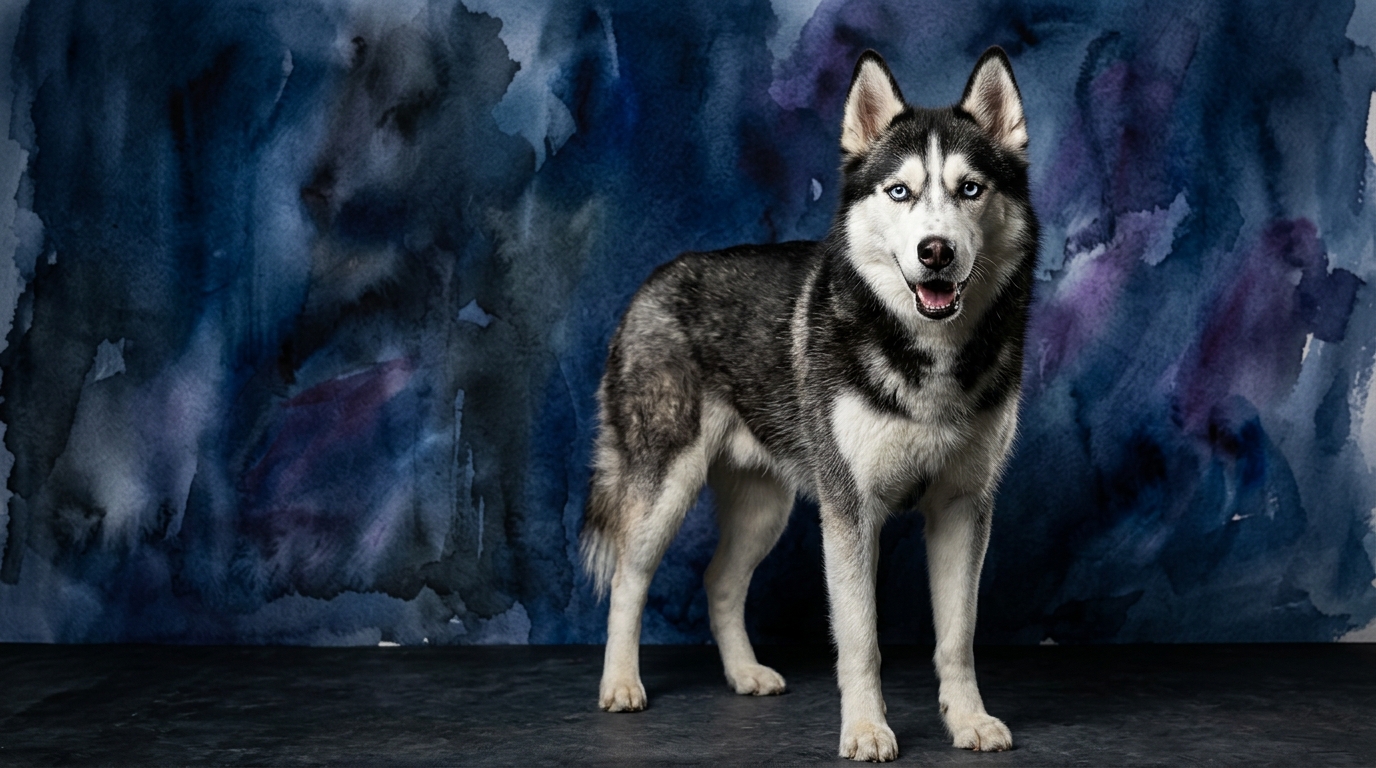
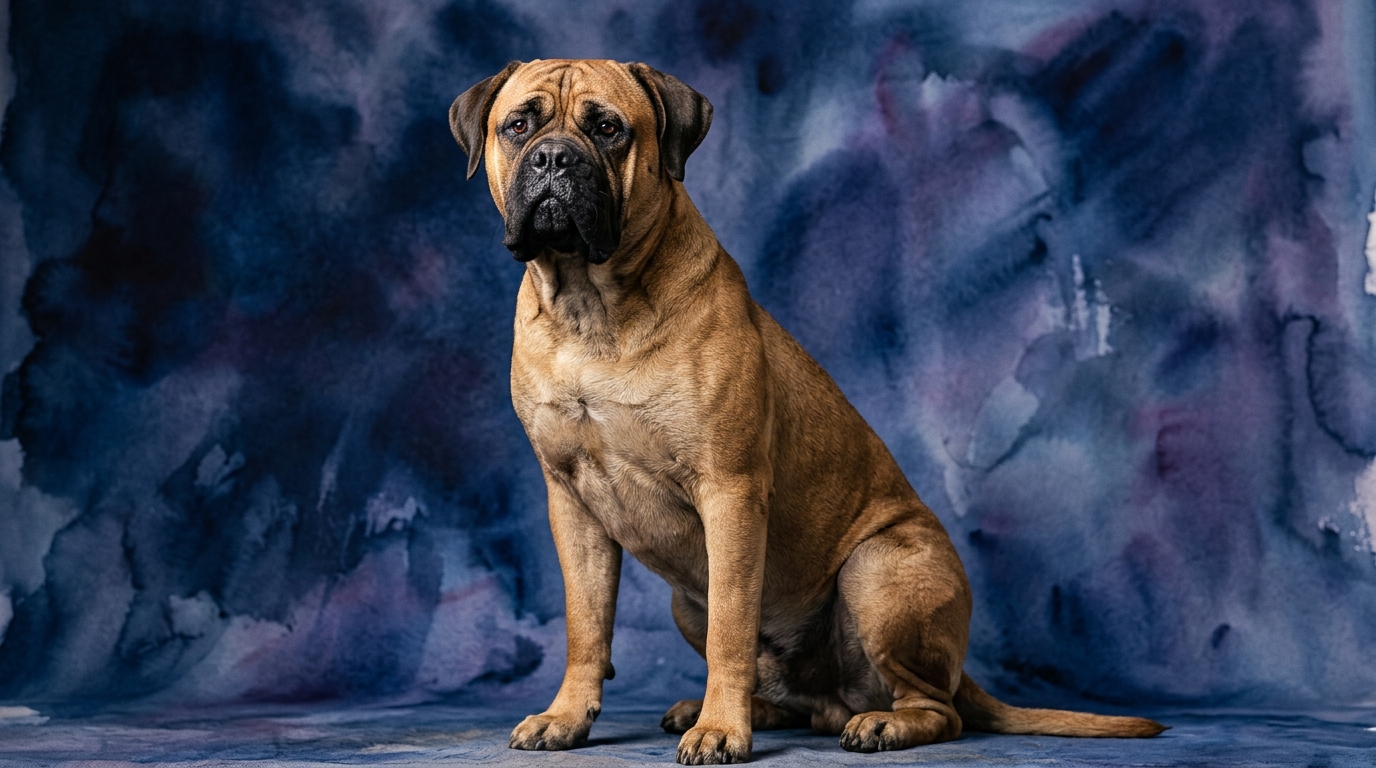
Side-by-Side Cognitive Profiles
To truly understand the mental landscapes of these two breeds, The Cosmic Pet Pet IQ Lab employs a comprehensive five-dimensional cognitive assessment, providing a nuanced view beyond simple obedience.
The Siberian Husky, with a Coren rank of #45, exhibits a cognitive profile tailored for endurance and independent problem-solving: Problem Solving 4/5, Training Speed 2/5, Social Intelligence 3/5, Instinctive Drive 5/5, and Memory 4/5. These dogs exhibit a remarkable capacity for navigating complex scenarios and devising independent solutions, often leveraging their environment to achieve their goals, such as finding escape routes or retrieving hidden objects. Learning new commands can be a deliberate process for Huskies, requiring significant patience and creative motivation from their handler, as their independent spirit often means they weigh the benefit of compliance against their own impulses. Huskies are capable of forming strong, loyal bonds with their chosen family members, demonstrating a balanced understanding of social cues without being overly dependent, often extending a more reserved demeanor towards strangers. Possessing an extremely high drive for purpose and activity, rooted in their sled dog heritage, Huskies are compelled to move, explore, and engage in tasks that provide a sense of utility and endurance. They possess an excellent long-term memory for routines, learned sequences, and spatial layouts, which aids in navigation and remembering past interactions, for better or worse.
The Bullmastiff, ranking #69 on the Coren scale, presents a more grounded and protective cognitive makeup: Problem Solving 3/5, Training Speed 3/5, Social Intelligence 3/5, Instinctive Drive 3/5, and Memory 3/5. Bullmastiffs are competent at addressing straightforward challenges, typically preferring direct and practical solutions over elaborate strategies, learning from experience but perhaps not actively seeking novel solutions. This breed learns at a moderate and consistent pace, responding well to clear, calm instruction and positive reinforcement, with their desire to please their family contributing to their receptiveness. Bullmastiffs form deep, steadfast attachments with their immediate family, displaying a strong awareness of household dynamics and a notable protective instinct, generally reserved with outsiders but attentive to their family’s needs. Their drive is primarily channeled towards guardianship and companionship, manifesting as a watchful, devoted presence rather than an intense need for constant physical exertion or independent exploration. They reliably retain learned commands, established routines, and the identity of their family members, contributing to their predictable and stable temperament once trained.
Where the Siberian Husky Wins Cognitively
The Siberian Husky's cognitive strengths distinctly shine in areas demanding ingenuity and self-directed action, reflecting their heritage as resilient sled dogs. With an impressive problem-solving score of 4/5, these dogs often display a remarkable ability to assess complex situations and devise clever solutions, whether it’s figuring out how to manipulate a latch, escape a seemingly secure enclosure, or navigate challenging terrain to achieve a goal. This profound capacity for independent thought is deeply intertwined with their exceptional instinctive drive (5/5), a powerful inner compass that compels them to engage actively with their environment and fulfill a sense of purpose. Their genetic blueprint for endurance and goal-oriented tasks means they possess an innate foresight, often anticipating changes in their surroundings or the needs of their 'pack' during demanding activities. This potent combination of high drive, sharp problem-solving skills, and a strong memory (4/5) allows them to quickly learn and remember complex routes, sequences of actions, and strategies for overcoming obstacles, making them formidable and engaging partners in activities requiring sustained mental and physical engagement.
Where the Bullmastiff Wins Cognitively
While the Siberian Husky excels in autonomous problem-solving and an intense drive for action, the Bullmastiff's cognitive advantages manifest in a more grounded, dependable manner, particularly suited for dedicated companionship and guardianship. Their balanced training speed (3/5) indicates a steady, receptive learner who, with consistent and patient guidance, reliably absorbs commands and household expectations. This contrasts with the Husky's more independent and often selective learning curve. The Bullmastiff's social intelligence (3/5) is characterized by a deep, unwavering loyalty and devotion to their family, translating into a keen awareness of their human companions' emotional states and a strong, protective instinct that makes them vigilant guardians. Unlike the Husky's high-octane instinctive drive, the Bullmastiff's moderate drive (3/5) is primarily channeled towards remaining close to home, observing, and protecting their territory and loved ones, making them less prone to seeking independent adventures. Their solid memory (3/5) ensures that once boundaries, routines, and house rules are established, they are consistently adhered to, offering a sense of predictability, calm, and security within the household.
Which is Easier to Train and Why
When evaluating the ease of training from an owner’s perspective, the Bullmastiff generally presents a more straightforward and less demanding path. Their training speed (3/5) reflects a willingness to learn and an ability to process commands at a moderate, consistent pace. Bullmastiffs typically respond well to clear, calm direction and positive reinforcement, and their inherent desire to please their family, coupled with a moderate instinctive drive, means they are usually more focused on their handler during training sessions. They are often content to follow established rules and routines, making them reliable students. In stark contrast, the Siberian Husky, despite their impressive problem-solving prowess, scores lower in training speed (2/5). This isn't due to a lack of capacity to learn, but rather their profound independence and extraordinarily high instinctive drive (5/5). Huskies frequently question the necessity of a command, preferring to make their own decisions or follow their powerful prey drive and wanderlust. Training a Husky requires immense patience, creativity, and a deep understanding of their motivations; it often becomes a collaborative negotiation rather than a simple instruction-response loop. While their excellent memory (4/5) means they recall past lessons, their independent spirit often dictates whether they choose to perform them in any given moment, making consistency a significant challenge.
Suitability for Active vs. Relaxed Owners
For owners leading an active lifestyle who seek a canine companion to match their adventurous spirit and boundless energy, the Siberian Husky is an exceptional fit. Their extraordinarily high instinctive drive (5/5) demands substantial daily exercise, including long runs, extended hikes, or engaging in canine sports like canicross or sledding, making them ideal partners for endurance activities. Beyond sheer physical exertion, their strong problem-solving ability (4/5) means they also require consistent and varied mental stimulation to prevent boredom, which can manifest as destructive behaviors or escape artistry. They thrive with owners who can provide engaging tasks, complex puzzle toys, and diverse environments to explore, ensuring their keen minds are as tired as their bodies. Conversely, the Bullmastiff is unequivocally better suited for more relaxed owners who appreciate a calm, watchful presence without the need for constant, high-intensity activity. Their moderate instinctive drive (3/5) means they are content with regular, moderate walks and active playtime in a secure yard, rather than intense, prolonged physical challenges. While they still benefit from mental engagement and training, their problem-solving (3/5) and social intelligence (3/5) are geared more towards guardianship, family interaction, and a steady, predictable routine, making them excellent companions for those seeking a loyal, gentle giant without the constant demand for high-octane adventure.
The Verdict
Choose the Siberian Husky if you are an experienced, highly active owner dedicated to providing extensive daily exercise and consistent mental challenges, and you appreciate an independent, resourceful companion who thrives on purpose.
Opt for the Bullmastiff if you seek a loyal, protective family dog with a more moderate energy level and a steady temperament, and you value a more straightforward training experience and a calm, watchful presence.
🧠 Find Your Pet's IQ Score
Our Pet IQ Lab assessment covers 25+ tests across 5 cognitive dimensions — personalized to your breed.
Take the Full IQ Test →Frequently Asked Questions
Are Siberian Huskies difficult to live with for first-time dog owners?
Siberian Huskies can be challenging for inexperienced owners due to their strong independent streak, high energy needs, and vocal nature, but they are also affectionate and playful companions for those who understand their specific requirements. Their problem-solving skills and instinctive drive necessitate consistent management and engaging activities.
Do Bullmastiffs need a lot of exercise to stay content?
Bullmastiffs require moderate daily exercise, typically consisting of a couple of good walks or active playtime in a secure yard to maintain their health and happiness. They are not high-endurance dogs and generally prefer a more relaxed pace, making them suitable for owners who don't seek intense athletic partners.
Which breed is generally better suited for families with young children?
Both breeds can be good with children when properly socialized and supervised, but their approaches differ. Bullmastiffs often exhibit a gentle, protective nature towards family children, while Huskies can be playful and tolerant but might have a higher prey drive that needs careful management around very young children or other small pets.