Side-by-Side Cognitive Profiles
The Cosmic Pet Pet IQ Lab evaluates canine cognition across five crucial dimensions: Problem Solving, Training Speed, Social Intelligence, Instinctive Drive, and Memory. These metrics offer a granular view beyond general perceptions, revealing how each breed’s evolutionary purpose has shaped its mental aptitudes.
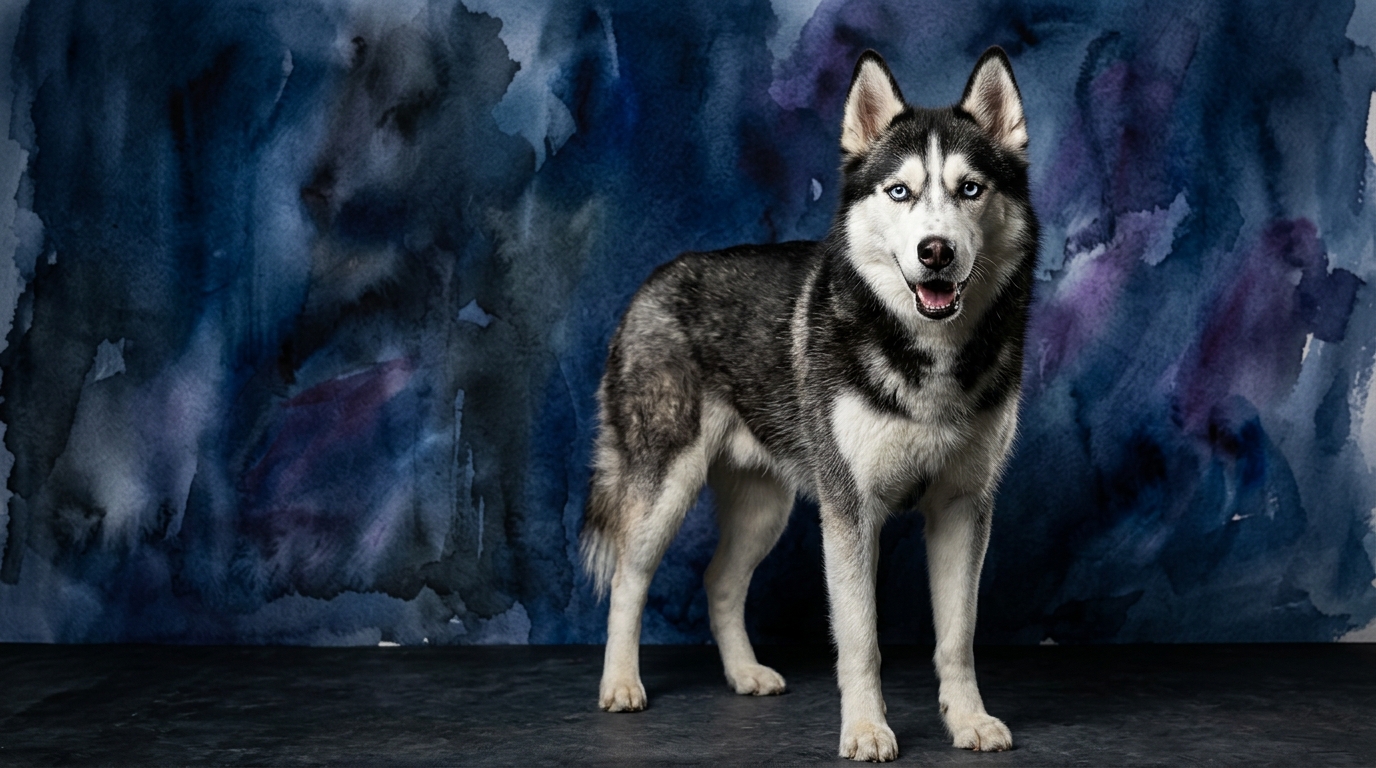
The Siberian Husky, originally bred for endurance sled pulling in harsh Arctic conditions, presents a cognitive profile geared towards independence and robust physical activity. Their Problem Solving is rated 4/5, reflecting their resourcefulness in navigating complex environments. Training Speed scores 2/5, indicating a strong-willed nature that prioritizes independent thought over immediate compliance. Social Intelligence is 3/5, suggesting a capacity for interaction but often with an aloof quality. Their Instinctive Drive is a commanding 5/5, manifesting as powerful wanderlust and a strong prey drive. Memory stands at 4/5, crucial for remembering routes and tasks over long distances.
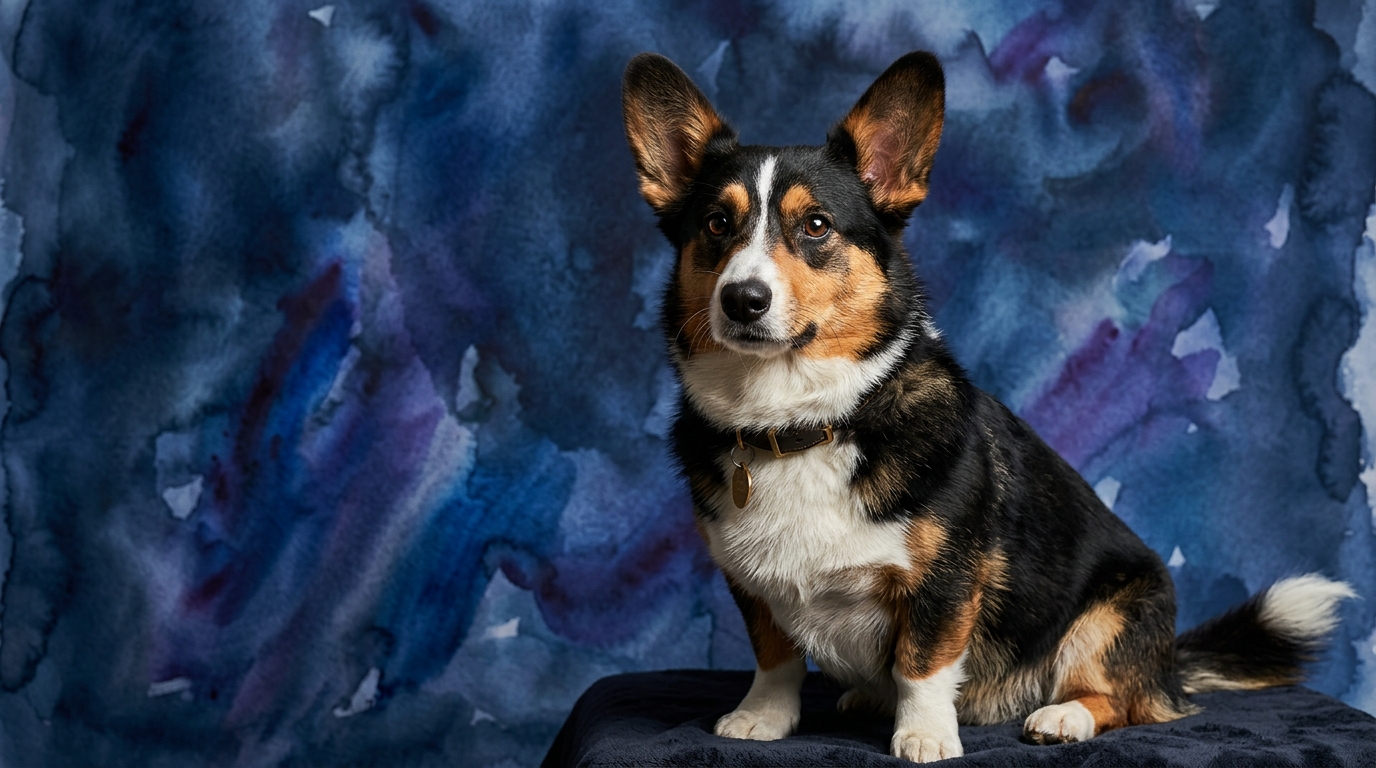
In contrast, the Cardigan Welsh Corgi, a compact herding dog from Wales, exhibits a profile honed for managing livestock and working closely with humans. Their Problem Solving also rates 4/5, showcasing strategic thinking applied to tasks like livestock control. Training Speed is a commendable 4/5, reflecting their eagerness to learn and respond to commands. Social Intelligence matches the Husky at 3/5, indicating an alert, communicative, but sometimes territorial nature. Their Instinctive Drive is 3/5, centered on herding behaviors and vigilance, rather than extensive wandering. Memory is strong at 4/5, vital for retaining complex learned behaviors and routines.
Where the Siberian Husky Wins Cognitively
The Siberian Husky’s cognitive strengths are deeply rooted in their history as endurance sled dogs. Their 4/5 Problem Solving rating shines in situations requiring independent decision-making and resourcefulness, particularly in outdoor, dynamic environments. This isn't about solving abstract puzzles for a reward, but rather finding ways around obstacles, locating resources, or navigating challenging terrain when a human handler isn't providing constant direction. Their incredibly high Instinctive Drive (5/5) means they possess an unparalleled motivation for running, exploring, and engaging with their environment on their own terms, making them superb companions for long-distance activities where self-sufficiency is valued.
Furthermore, their 4/5 Memory is particularly effective for spatial awareness and recalling complex paths. A Husky remembers routes, landmarks, and potential escape points with impressive clarity, a trait invaluable for navigating vast, featureless landscapes. This memory, combined with their problem-solving skills, allows them to make autonomous choices, such as finding the best footing on ice or remembering the location of a buried treat from weeks prior, often without direct human prompting, which is a hallmark of their independent working style.
Where the Cardigan Welsh Corgi Shows Cognitive Strengths
The Cardigan Welsh Corgi's cognitive advantages are evident in their role as an effective herding and companion animal. Their 4/5 Training Speed is a significant asset, allowing them to grasp new commands and routines with impressive alacrity. This quick learning ability translates into a dog that is highly responsive and adaptable to structured training, excelling in obedience, agility, and other task-oriented activities. Their Problem Solving, also 4/5, is applied strategically; they excel at understanding cause-and-effect in their immediate environment, such as how to move livestock or manipulate objects to achieve a goal within a defined space, reflecting a clever, tactical mind.
The Corgi's 4/5 Memory supports their excellent trainability, enabling them to retain a vast repertoire of commands and behaviors over time. They are adept at remembering sequences and applying learned rules consistently. While their Social Intelligence is 3/5, matching the Husky, the Corgi's application of this intelligence is often more focused on communication within their immediate family unit and managing their 'flock,' whether that be people or other pets. They are attuned to their owner's moods and expectations, making them responsive and engaged partners in daily life and structured activities.
Training Dynamics: Siberian Husky vs. Cardigan Welsh Corgi
When it comes to training, the disparity between these two breeds is notable, primarily due to their differing Training Speed scores: the Corgi at 4/5 and the Husky at 2/5. A Cardigan Welsh Corgi typically approaches training with an eagerness to please, quickly associating commands with actions and rewards. Their lower instinctive drive (3/5) compared to the Husky means they are less distracted by independent urges and more focused on their handler, making them generally more straightforward to teach basic obedience and complex tricks. They thrive on positive reinforcement and consistent guidance, often excelling in competitive obedience or rally.
The Siberian Husky, conversely, presents a more significant challenge in conventional obedience training. Their 2/5 Training Speed is a direct reflection of their profound independence and powerful 5/5 instinctive drive for exploration and running. A Husky often evaluates a command with a 'what's in it for me?' attitude, requiring highly motivating rewards and creative, engaging training methods to capture their attention. Their strong prey drive and wanderlust necessitate an extraordinary focus on recall and boundary training from a young age, as their inclination to follow a scent or explore a new area can easily override learned commands. Owners must understand that training a Husky is a journey of patience, consistency, and building a strong partnership, rather than expecting rapid compliance.
Matching Breeds to Lifestyles: Active vs. Relaxed Owners
For owners seeking an extremely active companion, the Siberian Husky is a strong contender. Their 5/5 Instinctive Drive for running and exploring means they require substantial physical exercise, often several miles a day, whether through running, hiking, or sledding. Owners must be prepared for their independent problem-solving skills to manifest as attempts to escape yards or creatively access tempting items. This breed thrives with owners who embrace an outdoorsy, high-energy lifestyle and can channel their powerful drives into appropriate activities, understanding that a bored Husky is a destructive Husky.
The Cardigan Welsh Corgi, while not a couch potato, fits well with owners seeking a more moderately active yet highly engaged companion. Their 3/5 Instinctive Drive means they require regular walks and mental stimulation through training and play, but typically do not demand the same endurance as a Husky. They thrive on being part of family activities, enjoying structured games, and participating in dog sports like agility or herding trials. Their responsiveness and desire for interaction make them excellent companions for owners who enjoy consistent engagement and a dog that is generally more manageable in terms of exercise demands than their Arctic counterpart.
Coren Ranking Insights
Dr. Stanley Coren’s ranking of dog intelligence, which primarily assesses 'working and obedience intelligence,' places the Cardigan Welsh Corgi significantly higher at #26 compared to the Siberian Husky at #45. This difference directly correlates with their respective Training Speed scores. The Corgi's higher Coren rank reflects their quicker understanding of new commands and their consistent compliance, making them more receptive to formal obedience training and easier to direct.
It's crucial to understand that a lower Coren rank for the Siberian Husky does not imply a lack of intelligence, but rather a different kind of cognitive strength. Their independence and strong instinctive drives mean they are less inclined to offer immediate, unwavering obedience in a structured setting. Huskies possess a strong problem-solving capacity (4/5) and excellent memory (4/5) that are geared towards survival and self-sufficiency in challenging environments, rather than a primary focus on human-directed tasks. Their 'intelligence' is applied differently, often in ways that are not measured by traditional obedience tests.
The Verdict
Choose a Siberian Husky if you are an experienced, highly active owner who values an independent, resourceful companion and is prepared for extensive physical engagement and creative training approaches.
Opt for a Cardigan Welsh Corgi if you seek a responsive, eager-to-train dog that excels in structured activities and can adapt to a slightly less intense but still engaged lifestyle.
🧠 Find Your Pet's IQ Score
Our Pet IQ Lab assessment covers 25+ tests across 5 cognitive dimensions — personalized to your breed.
Take the Full IQ Test →Frequently Asked Questions
Are Siberian Huskies difficult to train?
Siberian Huskies are not inherently difficult but require consistent, engaging, and positive reinforcement training due to their independent nature and strong instinctive drives. Their training speed is rated 2/5, indicating they learn at their own pace and often require compelling motivation.
Do Cardigan Welsh Corgis need a lot of exercise?
Cardigan Welsh Corgis require regular daily exercise, including walks and mental stimulation, to keep them happy and healthy. While their instinctive drive is 3/5, they are energetic and thrive on structured activities and engaging play with their families.
Which breed is better for first-time dog owners?
The Cardigan Welsh Corgi, with its 4/5 training speed and more manageable instinctive drive, is generally a more forgiving choice for first-time owners willing to commit to consistent training. Siberian Huskies, with their strong independence and high energy needs, typically suit more experienced dog owners.