A Side-by-Side Look at Canine Cognition
The Cosmic Pet Pet IQ Lab employs a multi-dimensional framework to assess canine intelligence, moving beyond basic obedience to evaluate problem-solving, training speed, social intelligence, instinctive drive, and memory. This comprehensive approach allows for a nuanced understanding of how different breeds process information and interact with their world.
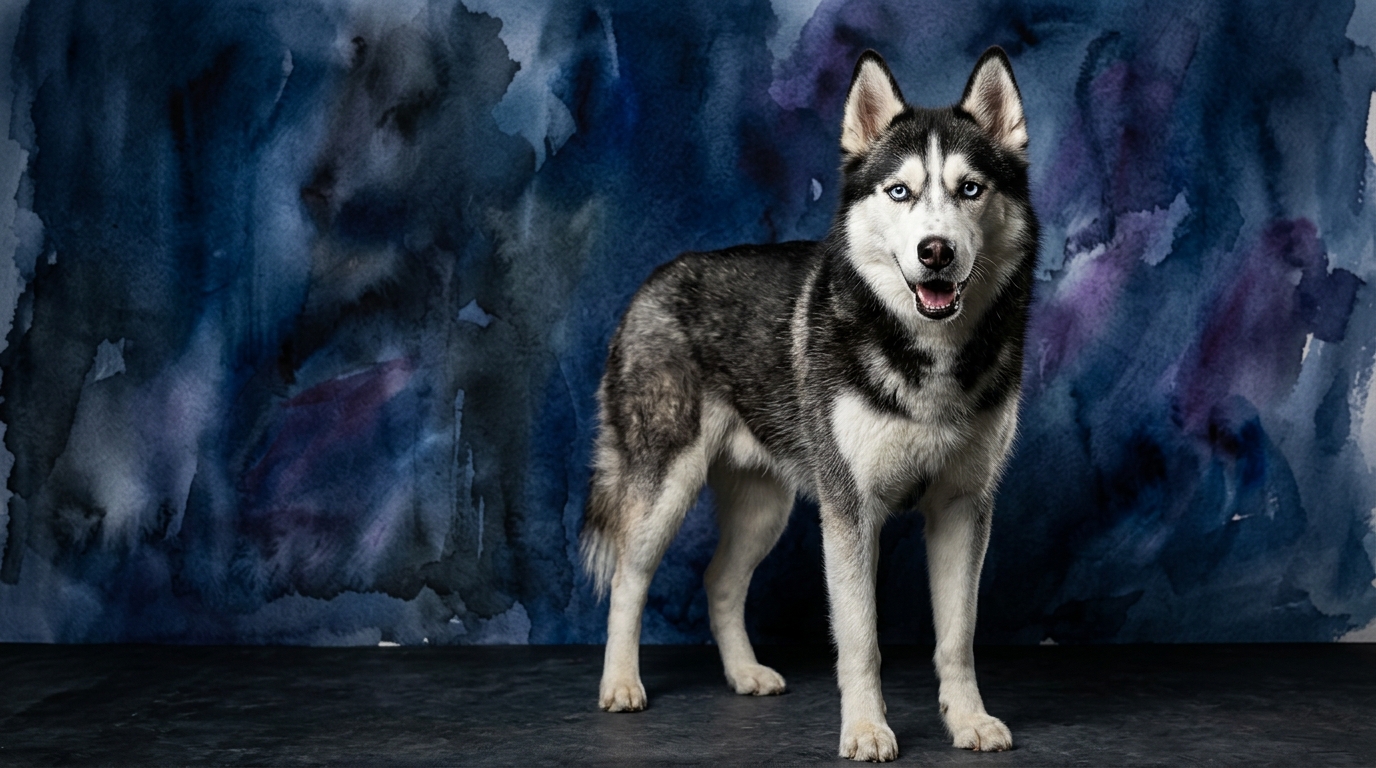
For the Siberian Husky, a breed bred for endurance and independent sled pulling, their cognitive profile reflects their working heritage. They score a robust 4/5 in Problem Solving, indicating a strong capacity to strategize and overcome obstacles, often evident in their ability to figure out escape routes or navigate complex terrains. However, their Training Speed is a moderate 2/5, reflecting a self-reliant nature that prioritizes their own agenda over immediate human directives. Social Intelligence stands at 3/5, suggesting they understand social cues but might not always prioritize human emotional states above their own independent pursuits. Their Instinctive Drive is an impressive 5/5, showcasing powerful urges for roaming, hunting, and pack dynamics. Finally, their Memory is rated 4/5, meaning they retain complex sequences and spatial information effectively.
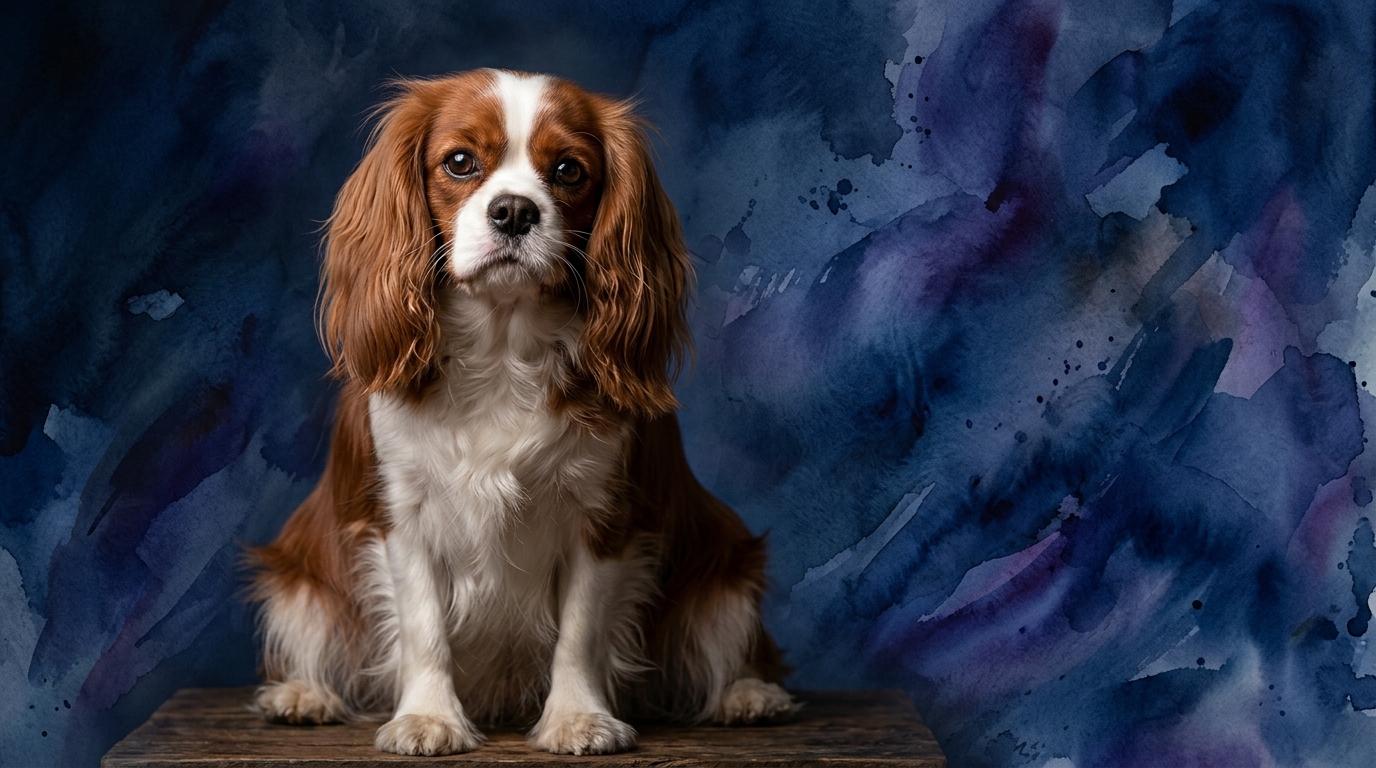
In contrast, the Cavalier King Charles Spaniel, developed primarily for companionship, presents a different cognitive blueprint. Their Problem Solving score is 3/5, indicating a moderate ability to navigate novel situations or simple puzzles, often seeking human assistance rather than independent solutions. Their Training Speed is a balanced 3/5, as they are generally eager to please and receptive to learning, especially when it involves positive reinforcement and interaction with their human. The Cavalier's Social Intelligence truly shines at 5/5, demonstrating an exceptional capacity to read and respond to human emotions, making them deeply empathetic companions. Their Instinctive Drive is a lower 3/5, with less emphasis on independent hunting or territorial behaviors compared to working breeds. Their Memory is also a 3/5, capable of recalling routines and familiar commands but perhaps less adept at complex, multi-step tasks over long periods.
Where the Siberian Husky’s Mind Shines Brightest
The Siberian Husky's cognitive strengths are deeply rooted in their ancestral role as sled dogs, demanding independence and ingenuity in harsh environments. Their superior Problem Solving (4/5) manifests in their remarkable ability to navigate complex situations, such as finding creative ways to open gates, bypass fences, or even strategize during cooperative tasks like pulling a sled. This isn't just about physical strength; it's about understanding spatial relationships and cause-and-effect to achieve a goal.
Coupled with their high Memory (4/5), Huskies can recall intricate routes, remember specific commands learned over time, and even retain information about past successes or failures in problem-solving attempts. This long-term retention allows them to build upon prior experiences, refining their methods for achieving desired outcomes. Furthermore, their extraordinary Instinctive Drive (5/5) means they are highly motivated by innate urges like exploring, chasing, and covering vast distances, which, while challenging for owners, also fuels their drive to overcome obstacles and adapt to varying environments.
The Cavalier King Charles Spaniel’s Unique Cognitive Wins
The Cavalier King Charles Spaniel excels in a different, yet equally valuable, dimension of cognition: social interaction. Their exceptional Social Intelligence (5/5) means they are masters at reading human emotions, body language, and vocal tones, allowing them to form incredibly strong bonds and respond sensitively to their owners' needs. This profound empathetic ability makes them intuitive companions, often anticipating emotional states and offering comfort without explicit prompts.
This heightened social awareness also contributes to their balanced Training Speed (3/5). While not the fastest learners of complex commands, their strong desire to please and their sensitivity to human feedback make them highly receptive to positive reinforcement. They thrive on interaction and praise, which acts as a powerful motivator, often making them more consistently compliant in social learning contexts compared to breeds with higher independence. Their cognitive focus is on connection, making them adept at understanding the social nuances of their human family.
Training Dynamics: Independence Versus Affection
When it comes to trainability, the fundamental differences in these breeds' cognitive profiles become particularly apparent. The Siberian Husky's moderate Training Speed (2/5) is largely a product of their robust Instinctive Drive (5/5) and inherent independence. Bred to make decisions autonomously on a sledding trail, a Husky may question the immediate utility of a command if it conflicts with their own strong urges to explore or chase. This doesn't imply a lack of understanding, but rather a strong will and a tendency to prioritize their internal motivations, requiring consistent, patient, and highly engaging training methods to capture their attention and cooperation.
In contrast, the Cavalier King Charles Spaniel's balanced Training Speed (3/5) is bolstered by their paramount Social Intelligence (5/5). They are eager to please their human companions and thrive on positive interaction and praise. This inherent desire for connection means they are generally more compliant and easier to motivate with rewards and affection. While they might not grasp every new trick instantly, their willingness to engage and their sensitivity to human cues make the training process a cooperative and rewarding experience for both dog and owner, requiring less force and more gentle encouragement.
Tailoring to Lifestyles: Active Explorers vs. Devoted Companions
The cognitive makeup of these two breeds naturally aligns with distinct owner lifestyles. The Siberian Husky, with their high Problem Solving, strong Instinctive Drive, and robust Memory, is ideally suited for active owners who can provide consistent mental and physical stimulation. Their need to explore, engage in challenging activities, and satisfy their innate drives means they thrive in environments where they can run, hike, or participate in dog sports like agility or canicross. Owners who appreciate a dog with a strong, independent will and can channel their problem-solving skills into constructive outlets will find a deeply rewarding partnership.
The Cavalier King Charles Spaniel, with their unparalleled Social Intelligence and balanced instinctive drives, is the quintessential companion for individuals or families seeking a devoted, empathetic presence. Their cognitive strengths lie in forming deep emotional bonds and thriving on social interaction, making them perfect for relaxed owners who enjoy cuddles, gentle walks, and a constant, loving shadow. They adapt well to various living situations, provided they receive ample human attention and are included in daily family life, benefiting greatly from owners who prioritize companionship and emotional connection over strenuous physical demands.
The Verdict
Choose a Siberian Husky if you are an active, experienced owner ready to channel a strong-willed, problem-solving companion with high energy into adventurous pursuits and consistent, engaging training.
Choose a Cavalier King Charles Spaniel if you seek an exceptionally empathetic, devoted companion who thrives on close social interaction and offers unwavering affection, suitable for a more relaxed, companionship-focused lifestyle.
🧠 Find Your Pet's IQ Score
Our Pet IQ Lab assessment covers 25+ tests across 5 cognitive dimensions — personalized to your breed.
Take the Full IQ Test →Frequently Asked Questions
Is a Siberian Husky difficult to train?
Siberian Huskies can present a training challenge due to their independent nature and high instinctive drive. They understand commands but often weigh them against their own strong motivations, requiring patient, consistent, and highly motivating techniques to encourage cooperation.
Why is social intelligence so important for a Cavalier King Charles Spaniel?
Social intelligence is paramount for Cavaliers because they were bred specifically for companionship, making their ability to read and respond to human emotions central to their purpose. This cognitive strength allows them to form deep, empathetic bonds and anticipate their owners' needs, fostering a profound connection.
Which breed is better for first-time dog owners?
Generally, the Cavalier King Charles Spaniel is often a more suitable choice for first-time dog owners due to their eager-to-please nature and high social intelligence, making them more forgiving and easier to manage in training. Siberian Huskies, with their independence and strong drives, typically require more experienced handling.