Side-by-Side Cognitive Profiles: Siberian Husky vs. Chesapeake Bay Retriever
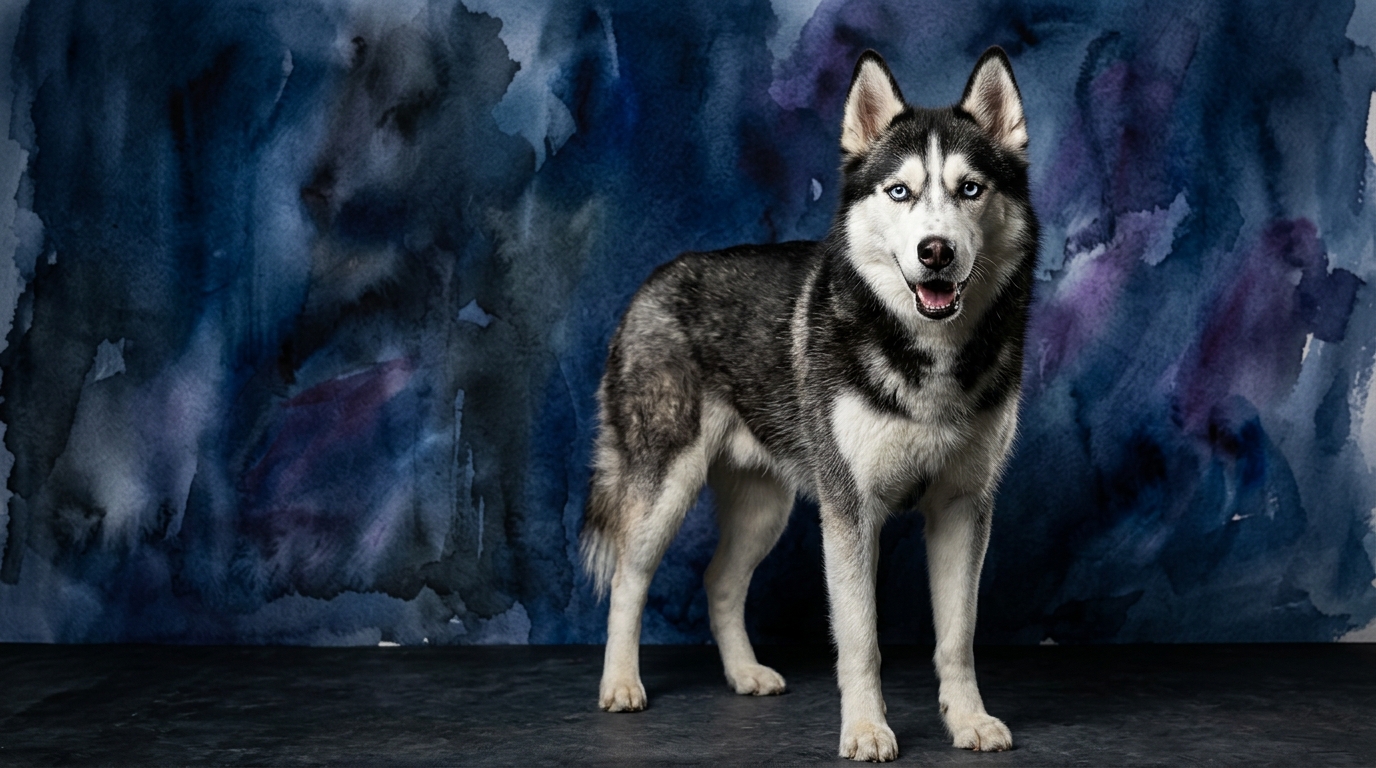
**Siberian Husky (Working Group, Coren Rank #45)**
**Problem Solving (4/5):** Huskies exhibit a resourceful, independent approach to problem-solving, often driven by self-interest and a strong desire for exploration. Their cognitive strength lies in figuring out how to achieve their own goals, whether it's navigating complex terrain or cleverly circumventing barriers to satisfy their wanderlust. This isn't always about pleasing a human, but about meeting their own intrinsic needs.
**Training Speed (2/5):** While capable of learning, Huskies are not typically quick to comply. Their strong-willed and independent nature means they often weigh commands against their own desires, leading to a slower acquisition of obedience compared to more biddable breeds. Patience and consistent, positive reinforcement are crucial to engage their minds effectively.
**Social Intelligence (3/5):** These dogs are pack animals, often forming strong bonds within their family unit, but can be reserved or indifferent towards strangers. Their social intelligence is geared towards group cohesion and communication within their established 'pack,' rather than a universal eagerness to please all humans. They understand social cues but choose whether to engage.
**Instinctive Drive (5/5):** An exceptionally high instinctive drive defines the Husky. This encompasses an intense urge to run, pull, explore, and a potent prey drive for small animals. This powerful internal motivation is a core aspect of their cognitive makeup, dictating much of their behavior and requiring significant outlets.
**Memory (4/5):** Huskies possess an excellent memory, particularly for routes, past experiences (both positive and negative), and the consequences of their actions. They remember where they’ve been, how they achieved a previous escape, or which training methods were enjoyable versus unpleasant, influencing future responses.
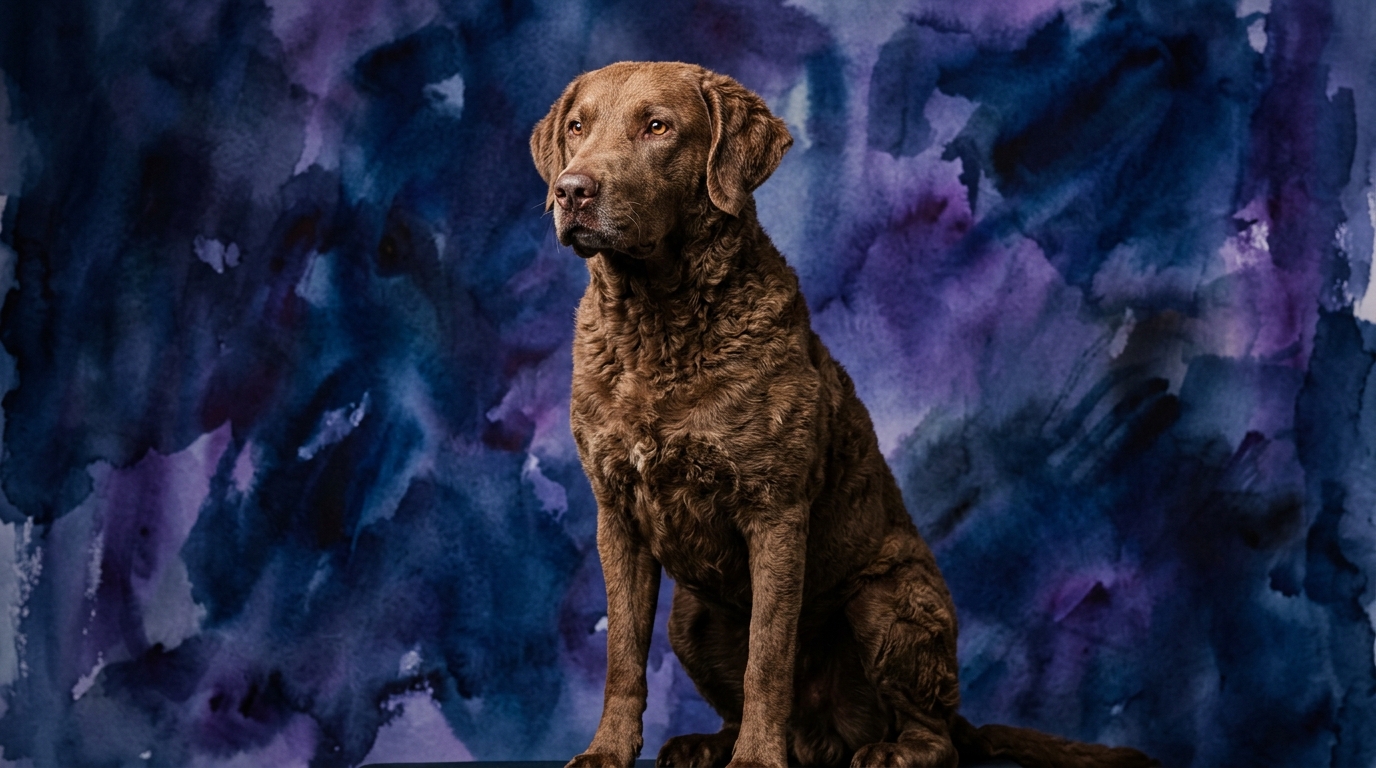
**Chesapeake Bay Retriever (Sporting Group, Coren Rank #27)**
**Problem Solving (4/5):** Chessies demonstrate strategic problem-solving skills, particularly in practical, task-oriented scenarios like complex retrieves. They can assess situations, such as navigating icy water or dense cover to locate fallen game, and adapt their approach to achieve a goal. Their cognitive efforts are often directed towards working effectively with their handler.
**Training Speed (4/5):** Chessies are generally quick learners, eager to please their handlers, and thrive on having a job to do. Their strong work ethic and desire for partnership mean they pick up commands and complex tasks with relative speed and consistency, making them highly trainable for various disciplines.
**Social Intelligence (3/5):** Devoted and protective of their families, Chessies can be more reserved and discerning with strangers than some other retriever breeds. Their social intelligence is focused on loyalty and bonding deeply with their inner circle, exhibiting a serious demeanor that belies their affectionate nature with those they trust.
**Instinctive Drive (3/5):** While possessing a strong retrieving instinct and a profound love for water, their instinctive drives are generally more channeled and handler-focused compared to the Husky's independent wanderlust. Their drive is primarily directed towards working collaboratively with their human partner in sporting activities.
**Memory (4/5):** Chessies exhibit strong memory recall for training sequences, marks in the field, and the expectations of their handler. This robust memory is critical for their success in complex retrieving tasks and allows them to build on past learning experiences efficiently.
Where the Siberian Husky’s Cognition Shines
The Siberian Husky’s cognitive prowess truly stands out in areas requiring independent thought and relentless self-motivation, particularly when their strong instinctive drives are engaged. Their unparalleled instinctive drive, rated at a perfect 5/5, fuels a deep-seated resourcefulness. This isn't about solving a puzzle for a treat, but about navigating their world to satisfy their innate urges, whether it’s finding a way to run for miles or outsmarting an enclosure. Their problem-solving (4/5) is often a testament to their self-preservation and goal-oriented independence, making them masters of escape artistry and tenacious explorers. They excel at figuring out how to meet their own needs, even if it means challenging human-imposed boundaries.
Where the Chesapeake Bay Retriever Excels Cognitively
The Chesapeake Bay Retriever’s cognitive strengths lie in their capacity for cooperative intelligence and their impressive training speed (4/5). With a Coren rank of #27, significantly higher than the Husky’s #45, Chessies demonstrate a superior aptitude for understanding and executing human commands. Their problem-solving (4/5) is often applied within the framework of a task, allowing them to strategically assess and overcome obstacles during complex retrieves, such as navigating challenging water conditions or dense cover. This breed excels at purposeful work alongside their handler, applying their memory and intelligence to achieve shared objectives efficiently and consistently.
Trainability: A Tale of Two Temperaments
When it comes to ease of training, the Chesapeake Bay Retriever generally presents a more straightforward path. Their higher training speed (4/5) and innate desire to work in partnership with their human mean they are typically more biddable and eager to comply. Chessies thrive on structure and clear guidance, quickly grasping commands and enjoying the mental stimulation of learning new tasks. Their problem-solving skills are often channeled into fulfilling their handler's directives, making them highly responsive to consistent training methods. In contrast, the Siberian Husky’s training speed (2/5) reflects their independent and often strong-willed nature. While intelligent, their primary motivation is not always to please their human. Training a Husky requires immense patience, creativity, and a deep understanding of their unique motivations. They learn quickly what benefits them, but may choose to ignore commands if a more interesting alternative, such as chasing a squirrel or exploring a scent, presents itself. Their problem-solving is often directed towards their own agenda, making consistent obedience a long-term commitment.
Matching Breeds to Lifestyles: Active vs. Relaxed Owners
For owners seeking a genuinely active and engaged lifestyle, both breeds offer companionship, but with distinct nuances. The Siberian Husky is best suited for highly active, experienced owners who embrace their dog's profound independence and robust energy levels. These dogs require extensive daily exercise, often in the form of running or pulling, and a secure environment to manage their strong wanderlust and prey drive. They thrive with owners who understand that 'relaxed' is rarely in a Husky's vocabulary when it comes to outdoor activity and who appreciate a dog that thinks for itself, sometimes to its own detriment. Conversely, the Chesapeake Bay Retriever also demands an active owner, but one who values a working partnership and shared outdoor adventures, particularly those involving water. While they need significant physical and mental stimulation, their biddable nature means their energy is more readily channeled into structured activities like retrieving, hiking, or canine sports. A Chessie can be a wonderful, calm companion indoors once their exercise needs are met, offering a slightly more 'relaxed' home presence than the perpetually curious and energetic Husky, whose independent drives are always simmering.
The Verdict
For individuals or families who admire an independent, resourceful canine partner, are prepared for extensive outdoor adventures, and can commit to a consistent, patient training approach that respects a dog's strong self-will and natural instincts, choose the Siberian Husky.
For owners seeking a dedicated, trainable companion for robust outdoor activities, especially water-based pursuits, who value a strong working partnership and a dog that thrives on shared tasks and clear guidance, choose the Chesapeake Bay Retriever.
🧠 Find Your Pet's IQ Score
Our Pet IQ Lab assessment covers 25+ tests across 5 cognitive dimensions — personalized to your breed.
Take the Full IQ Test →Frequently Asked Questions
Is a Siberian Husky difficult to train?
Huskies are not 'difficult' in the sense of lacking intelligence, but their strong independence and self-serving problem-solving mean they require highly consistent, engaging, and patient training. They often learn quickly but choose whether to comply based on their own motivations, making obedience a continuous effort.
Do Chesapeake Bay Retrievers need a lot of exercise?
Yes, Chessies are a working sporting breed with significant energy and a strong retrieving drive. They require substantial daily physical activity, including vigorous play, running, and especially swimming or retrieving tasks, to keep them mentally stimulated and physically fit.
Which breed is generally better with children?
Both breeds can be good with children with proper socialization and supervision. Huskies are often good-natured and playful, while Chessies are loyal and protective of their family. However, a Chessie's reserved nature with strangers and a Husky's high energy and independent streak mean interactions should always be supervised to ensure safety and positive experiences for all.