Side-by-Side IQ Profile: Siberian Husky vs. Chow Chow
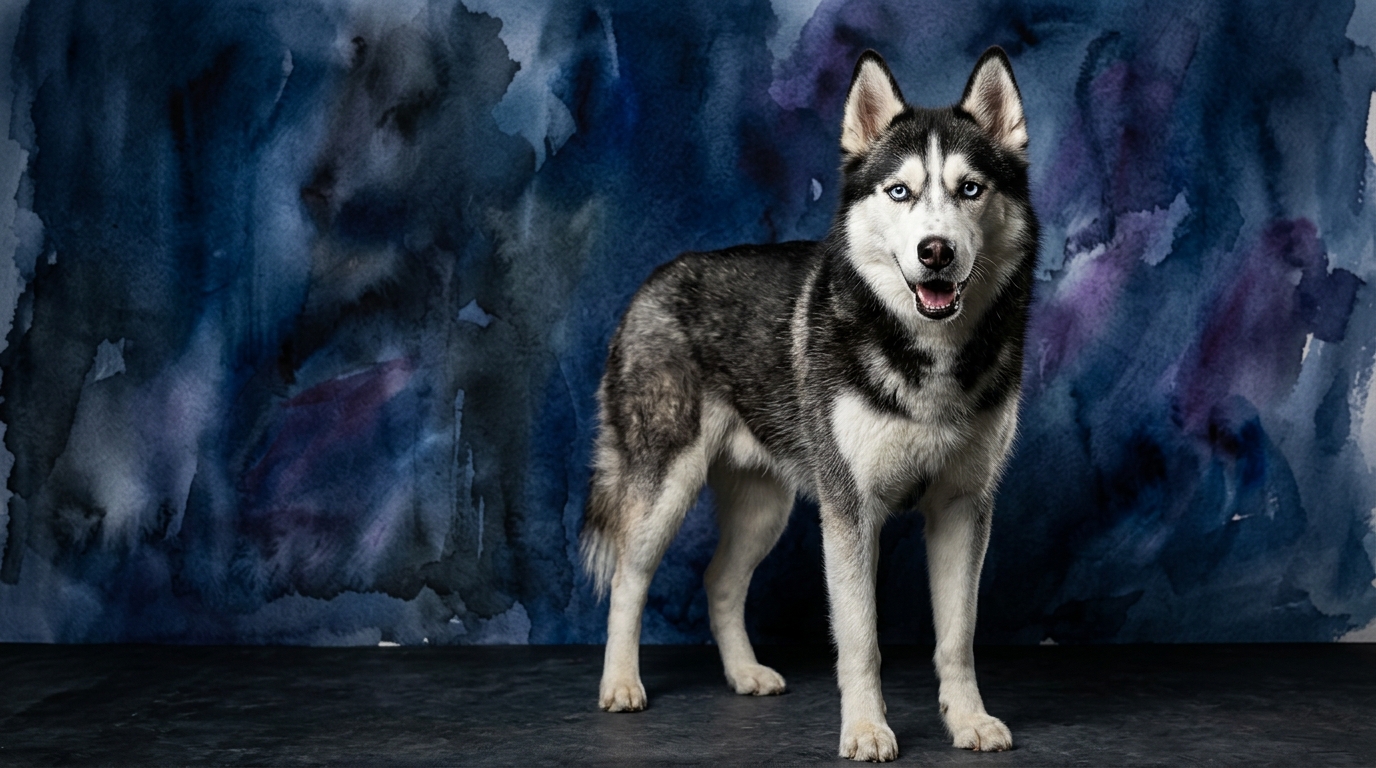
The Cosmic Pet Pet IQ Lab assesses canine intelligence across five key dimensions, providing a granular view of each breed's mental landscape. For the Siberian Husky, a breed purpose-bred for endurance and independent thinking in harsh environments, these scores paint a picture of resourceful determination. Their Problem Solving is rated 4/5, indicating a strong capacity for navigating complex situations and devising solutions, often without direct human instruction. Training Speed, however, stands at 2/5, reflecting a spirit that prioritizes self-directed action over eager compliance. Social Intelligence is 3/5, suggesting they understand pack dynamics and human cues but retain a degree of independence. Their Instinctive Drive is a formidable 5/5, a testament to their deep-seated urges for running, pulling, and exploring. Memory, at 4/5, allows them to recall complex routes and past experiences with impressive accuracy.
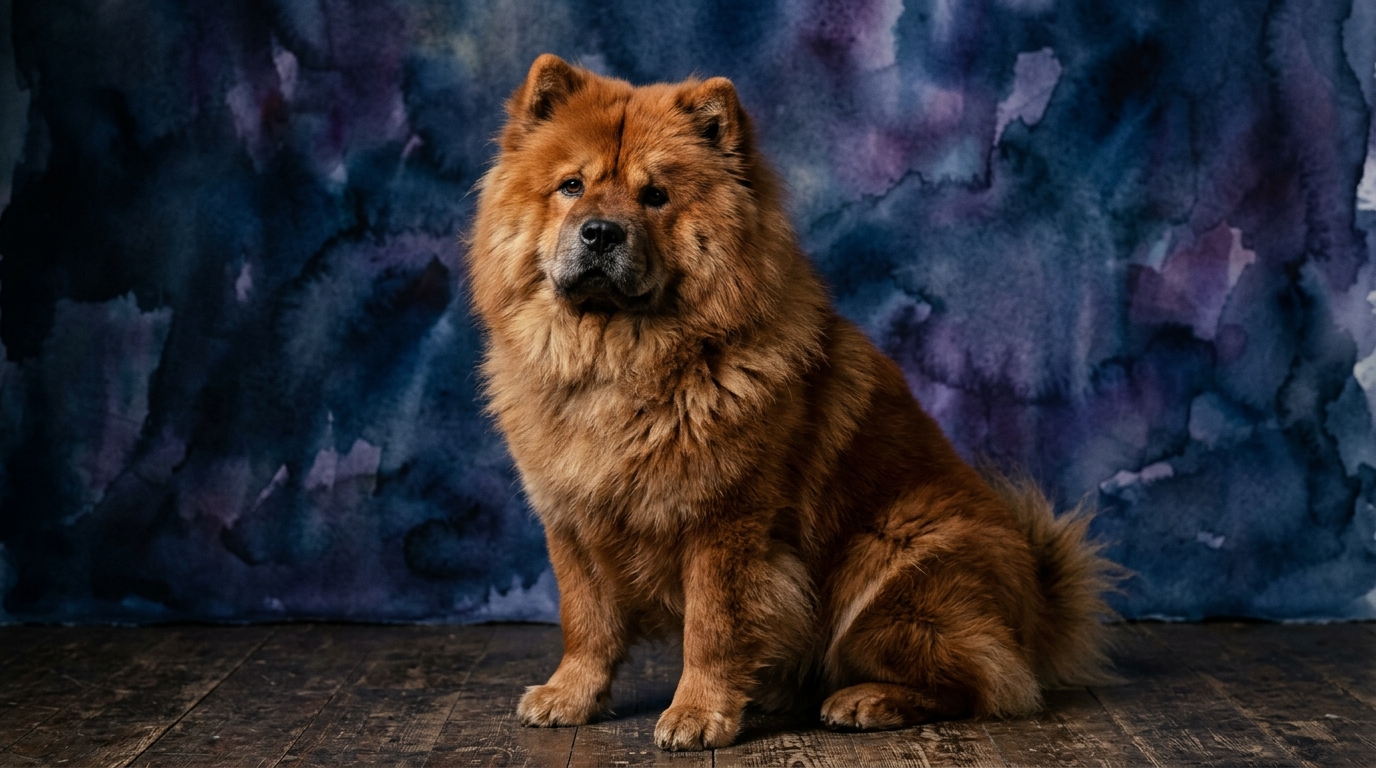
In contrast, the Chow Chow, an ancient breed often valued for its dignified companionship and guarding instincts, presents a different cognitive blueprint. Their Problem Solving ability is rated 3/5, indicating a moderate capacity to figure things out, though perhaps with less intrinsic motivation than a Husky. Training Speed is 3/5, suggesting a slightly better inclination towards learning commands than the Husky, though still requiring patience due to their independent nature. Social Intelligence also scores 3/5, meaning they can form strong bonds and understand social cues within their trusted circle, yet they are often reserved with strangers. Their Instinctive Drive is 3/5, present but not overwhelming, less about relentless pursuit and more about territorial awareness. Memory, at 3/5, is solid, allowing them to retain routines and learned behaviors effectively.
Where the Siberian Husky Wins Cognitively
The Siberian Husky's cognitive strengths shine brightest in areas demanding independence, endurance, and clever navigation. Their Problem Solving score of 4/5 means they are adept at figuring out how to open gates, escape enclosures, or find creative ways to achieve their objectives, often to their owner's surprise. This ingenuity, combined with a remarkable 4/5 Memory, allows them to learn complex sequences and remember specific locations or paths even after long periods. This makes them exceptional at tasks requiring spatial awareness and persistence.
Perhaps their most defining cognitive advantage is their Instinctive Drive, rated a perfect 5/5. This powerful inner motivation fuels their desire to run, explore, and "work" – whether that's pulling a sled or simply engaging in vigorous play. This drive isn't just physical; it's a deep cognitive engagement with their environment, constantly seeking stimulation and opportunities to exercise their natural behaviors. Owners who can harness this drive through appropriate activities will find a dog deeply satisfied by challenging mental and physical outlets.
Where the Chow Chow Wins Cognitively
While often perceived as aloof, the Chow Chow possesses specific cognitive advantages that cater to a different lifestyle. Their Training Speed, at 3/5, is notably higher than the Husky's 2/5. This indicates that while they may not be eager to please in the conventional sense, they are capable of learning and retaining commands at a reasonable pace, provided the motivation is right and the training is consistent and fair. They are not prone to the same level of distraction or self-sufficiency that can make training a Husky a prolonged endeavor.
The Chow Chow's balanced Instinctive Drive (3/5) and Problem Solving (3/5) scores, while not as high as the Husky's in certain areas, contribute to a more manageable and predictable temperament for some owners. Their cognitive profile suggests a dog less compelled to constantly seek out high-intensity mental challenges or physical exertion. This allows them to thrive in environments where independent thought is appreciated in moderation, and where a calm, self-possessed demeanor is valued over boisterous activity.
Which is Easier to Train and Why
When considering ease of training, the Chow Chow (Coren rank #76) generally presents a slightly less challenging experience than the Siberian Husky (Coren rank #45). The Chow Chow's Training Speed of 3/5, compared to the Husky's 2/5, suggests a greater willingness to absorb and execute commands. Chows are known for their independent and sometimes stubborn nature, but once they understand what is expected and respect their trainer, they can be quite compliant. Their motivation often comes from a desire for routine and a strong bond with their primary caregiver, rather than an intense need for external validation.
The Siberian Husky's lower Training Speed reflects their historical role as independent decision-makers. Sled dogs often worked far ahead of their human companions, making their own judgments about terrain and conditions. This translates into a modern Husky who might analyze a command and decide if it aligns with their current goals, rather than immediately obeying. Their high Instinctive Drive (5/5) means they are easily distracted by scents, sights, and the urge to run, making sustained focus during training sessions particularly difficult. While both breeds require patience and consistency, the Chow Chow's moderate drive and slightly higher training speed make them marginally more amenable to formal obedience training, despite their independent streak.
Which Suits Active Owners vs. Relaxed Owners
The distinct cognitive profiles of these breeds directly influence which type of owner they will thrive with. The Siberian Husky, with its 4/5 Problem Solving, 5/5 Instinctive Drive, and 4/5 Memory, is an ideal companion for active owners who relish outdoor adventures and mental stimulation. These dogs require consistent engagement through activities like hiking, running, or dog sports that tap into their innate drives and problem-solving capabilities. Owners who can provide outlets for their intelligence and energy will find a highly engaged and rewarding partner.
Conversely, the Chow Chow, characterized by its 3/5 scores across Problem Solving, Social Intelligence, Instinctive Drive, and Memory, is better suited for more relaxed owners who appreciate a dignified and less demanding presence. While they still benefit from regular walks and mental enrichment, their cognitive makeup doesn't compel them to constantly seek high-octane activities. Their moderate drives mean they are content with a steady routine and a calm home environment, making them excellent companions for those who prefer a less overtly energetic canine partner.
The Verdict
Choose the Siberian Husky if you are an active, experienced owner ready to channel significant problem-solving skills and high instinctive drives into adventurous, engaging activities.
Choose the Chow Chow if you appreciate a self-possessed companion with moderate training speed and drives, suited to a calmer home life with consistent, patient guidance.
🧠 Find Your Pet's IQ Score
Our Pet IQ Lab assessment covers 25+ tests across 5 cognitive dimensions — personalized to your breed.
Take the Full IQ Test →Frequently Asked Questions
Are Siberian Huskies easily bored?
Yes, Siberian Huskies, with their 4/5 Problem Solving and 5/5 Instinctive Drive, require significant mental and physical engagement. Without sufficient stimulation, they can become bored and resort to creative, often destructive, ways to entertain themselves, like escaping or chewing.
Do Chow Chows enjoy learning new tricks?
Chow Chows have a Training Speed of 3/5, indicating they are capable of learning. While they may not demonstrate the same eager-to-please attitude as some breeds, they can enjoy learning new tricks through positive reinforcement and patient, consistent training that respects their independent nature.
Which breed is more independent?
Both breeds possess an independent streak, but the Siberian Husky's 2/5 Training Speed and 4/5 Problem Solving, born from their working history, often manifest as more self-directed behavior. The Chow Chow's independence is often expressed as a dignified reserve and selective affection, rather than a constant drive to explore or escape.