Side-by-Side Pet IQ Lab Profile
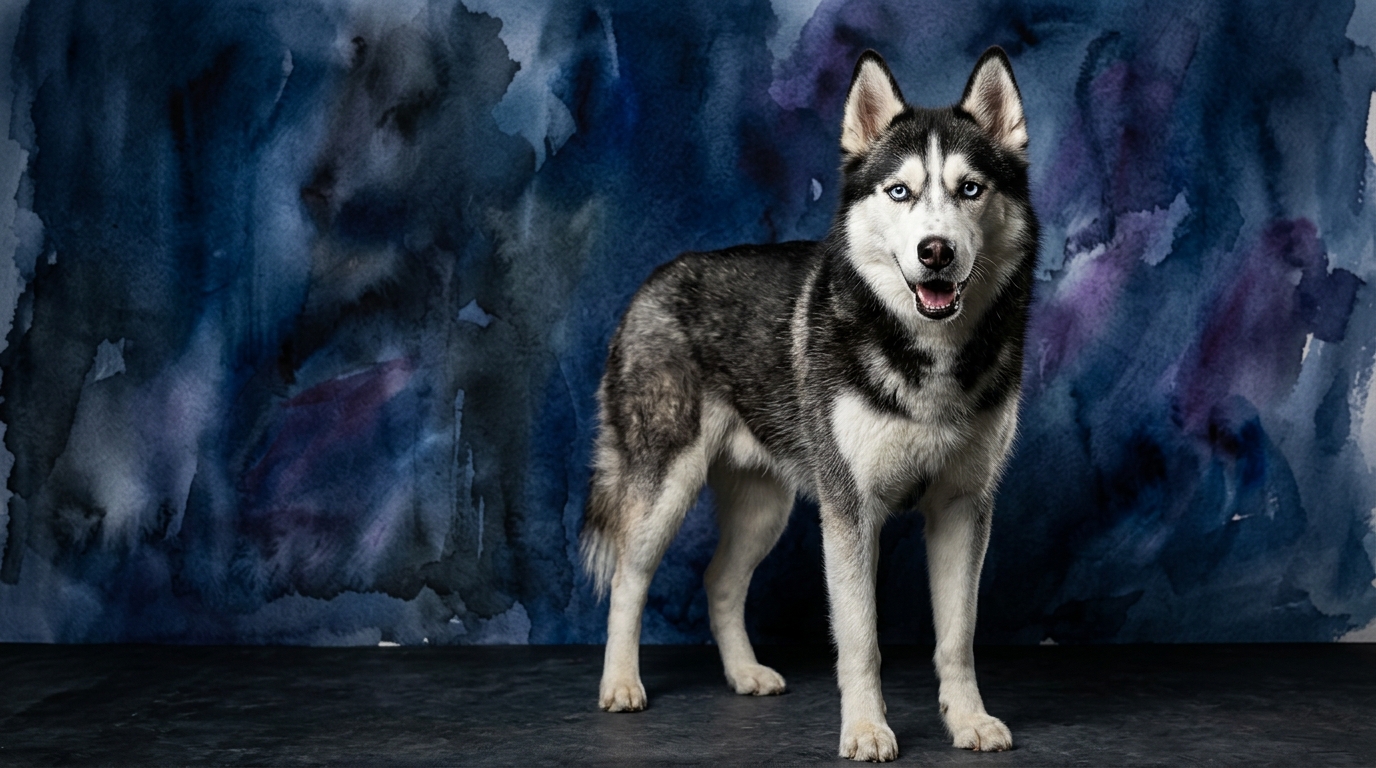
The Siberian Husky, a Working group dog with a Coren rank of #45, exhibits a unique blend of cognitive abilities. Their Problem Solving is rated 4/5, indicating a remarkable capacity for independent thought and devising ingenious solutions to obstacles, whether navigating complex terrain or outsmarting a fence. Training Speed scores 2/5, meaning while they grasp concepts, their strong independent streak often requires significant motivation and consistency for compliance. Social Intelligence is 3/5; they are generally amiable but can be somewhat aloof, engaging with humans and other dogs on their own terms. Their Instinctive Drive is an exceptional 5/5, reflecting their heritage as endurance sled dogs with a powerful need for running, exploring, and purposeful work. Finally, their Memory is 4/5, aiding in recalling routines, routes, and past successful strategies.
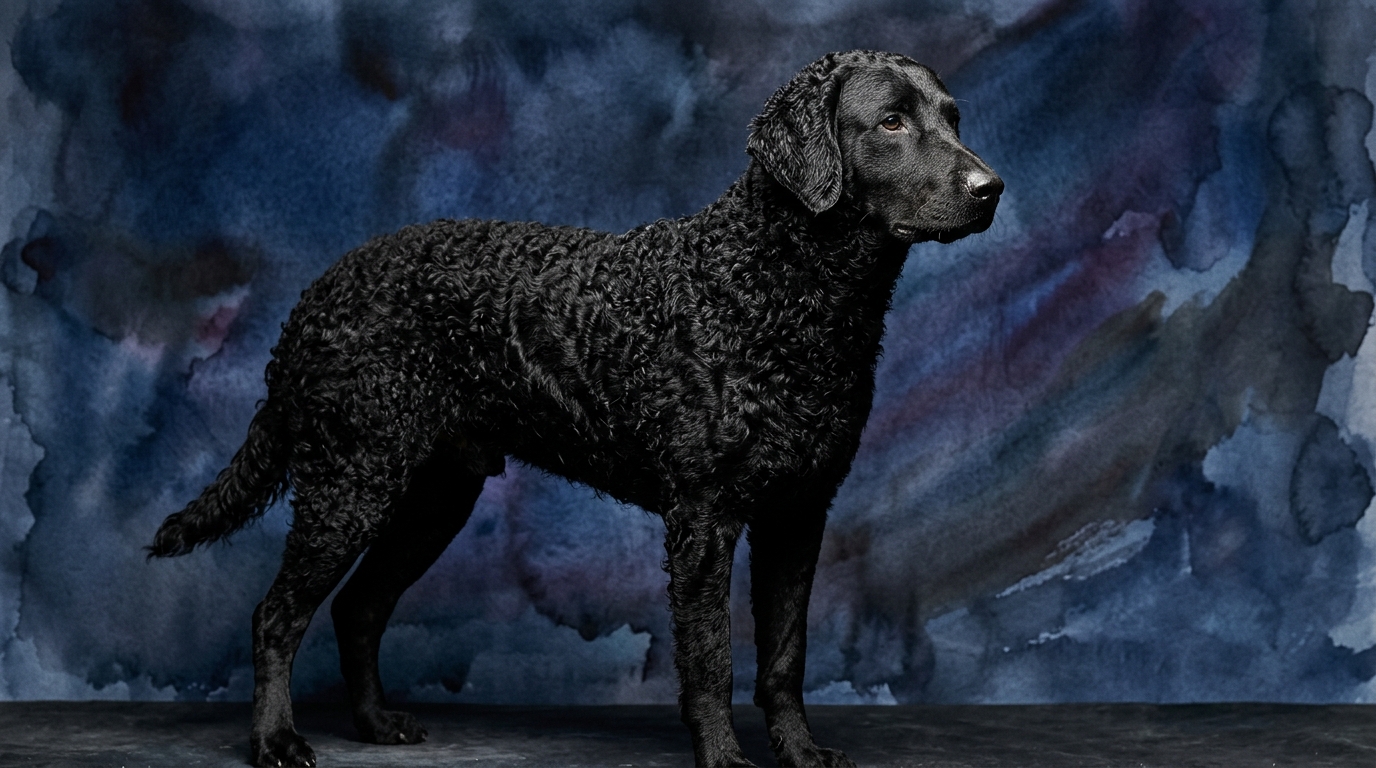
In contrast, the Curly-Coated Retriever, a Sporting group dog with a Coren rank of #41, presents a more cooperative cognitive profile. Their Problem Solving is 3/5, demonstrating competence in figuring out tasks, particularly those related to retrieving or navigating familiar environments, often directed towards handler-set goals. Training Speed is 3/5, showing a good aptitude for learning new commands and routines, often eager to please and responsive to positive reinforcement. Social Intelligence is 3/5; they are typically loyal and affectionate with their families, tending to be more reserved initially with strangers. Their Instinctive Drive is 3/5, primarily revolving around retrieving and working alongside human companions, a strong but generally more focused drive than the Husky's. Their Memory is 4/5, providing reliable recall for learned commands, past experiences, and locations of retrieved items, supporting their role as working retrievers.
Where the Siberian Husky Wins Cognitively
The Siberian Husky truly shines in autonomous problem-solving and an unparalleled instinctive drive. Their 4/5 score in Problem Solving reflects a breed that thinks for itself, often in ways that surprise their owners. This isn't about rote learning, but about creative solutions to environmental challenges, like systematically testing fence weaknesses or devising strategies to access forbidden treats. This independent cognitive function, coupled with their 5/5 Instinctive Drive for purposeful movement and exploration, means they possess a deep, internal motivation to engage with the world on their own terms. Their memory (4/5) serves this independence well, allowing them to recall successful past strategies and complex routes, making them formidable navigators and escape artists. This combination of self-directed intellect and relentless drive makes them exceptional at tasks requiring endurance, self-reliance, and independent decision-making in vast environments.
Where the Curly-Coated Retriever Wins Cognitively
The Curly-Coated Retriever's cognitive strengths lie in a balanced, cooperative intelligence, particularly their balanced Training Speed (3/5) and focused Instinctive Drive (3/5). While perhaps not as independently cunning as the Husky, their intellectual agility is geared towards partnership. Their problem-solving (3/5) is effective when directed towards specific tasks, especially those involving retrieving or scent work, where they apply their wits to achieve a shared goal with their handler. This cooperative inclination, combined with their strong memory (4/5), makes them adept at learning complex sequences and remembering specific item locations. Unlike the Husky's broad, independent drive, the Curly's instinctive drive is more channeled towards specific working roles, allowing for a more predictable and often more manageable application of their mental energy in a domestic or sporting context. They excel where a thoughtful, engaged partnership is key.
Which is Easier to Train and Why
When evaluating ease of training, the Curly-Coated Retriever generally presents a more straightforward path than the Siberian Husky. The Pet IQ Lab data highlights this: the Curly boasts a Training Speed of 3/5 compared to the Husky's 2/5. This difference is rooted in fundamental behavioral predispositions. Curly-Coats, as sporting retrievers, are bred to work in close cooperation with humans, possessing an inherent desire to please and a focus on their handler's cues. Their relatively lower Instinctive Drive (3/5) compared to the Husky's (5/5) means their natural urges are often more manageable and readily integrated into structured training. In contrast, the Siberian Husky’s powerful Instinctive Drive for independent exploration and their higher Problem Solving score means they frequently question the 'why' behind a command and may prioritize their own agenda over compliance. Their independent nature often translates into selective hearing, requiring immense patience, consistent motivation, and highly engaging, reward-based methods to keep them invested. While both breeds are capable of learning, the Curly's biddability and focus make the training process significantly less challenging for most owners.
Which Suits Active Owners vs. Relaxed Owners
The choice between these breeds hinges significantly on an owner's lifestyle. The Siberian Husky is unequivocally suited for highly active owners who can provide consistent, rigorous physical and mental engagement. Their 5/5 Instinctive Drive demands extensive daily exercise, often requiring multiple hours of running, hiking, or sledding to satisfy their innate need for purposeful movement. Furthermore, their 4/5 Problem Solving and 4/5 Memory mean they require mental challenges to prevent boredom, which can manifest as destructive behaviors or escape attempts. A relaxed owner would quickly find themselves overwhelmed by a Husky's boundless energy and independent intellect. The Curly-Coated Retriever, while still an active sporting breed, offers more versatility. Their 3/5 Instinctive Drive and 3/5 Training Speed suggest they thrive with regular exercise and mental stimulation, but typically don't require the extreme endurance outlets of a Husky. They enjoy activities like retrieving, swimming, and canine sports, but can also settle down with their family after a good walk, making them a better fit for owners who appreciate activity but also value quieter moments and a more predictable routine.
The Verdict
Opt for a Siberian Husky if you are an experienced, highly active owner who thrives on adventure, embraces independent thinking, and can consistently provide extensive physical outlets and creative mental challenges for a dog with a powerful, self-directed drive.
Select a Curly-Coated Retriever if you seek a loyal, cooperative companion for an active lifestyle, appreciate a dog that learns readily, and desire a balanced partner for various canine activities, valuing biddability and a strong bond.
🧠 Find Your Pet's IQ Score
Our Pet IQ Lab assessment covers 25+ tests across 5 cognitive dimensions — personalized to your breed.
Take the Full IQ Test →Frequently Asked Questions
Are Siberian Huskies difficult to train?
Siberian Huskies can be challenging to train due to their strong independent streak and high instinctive drive, often choosing to follow their own agenda rather than immediate commands. They require consistent, patient, and highly engaging training methods to maintain their focus and cooperation.
What kind of mental stimulation do Curly-Coated Retrievers need?
Curly-Coated Retrievers benefit from mental stimulation that taps into their retrieving instincts, such as puzzle toys, scent work, obedience training, and canine sports like agility or dock diving. These activities keep their minds engaged and prevent boredom.
Which breed is better for a first-time dog owner?
For a first-time dog owner, the Curly-Coated Retriever would generally be a more manageable choice due to their more cooperative nature and higher training speed. Siberian Huskies, with their intense energy and independent temperament, typically require more experience to manage effectively.