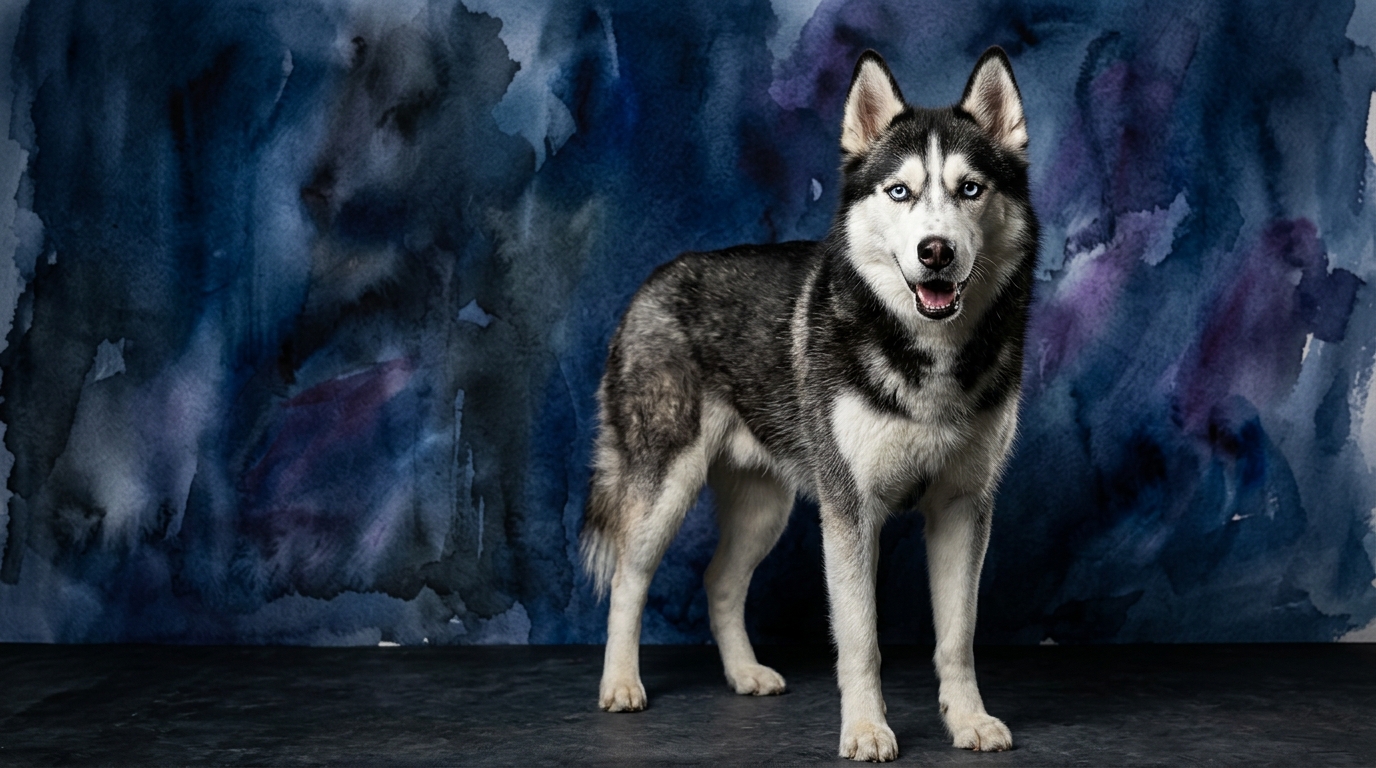
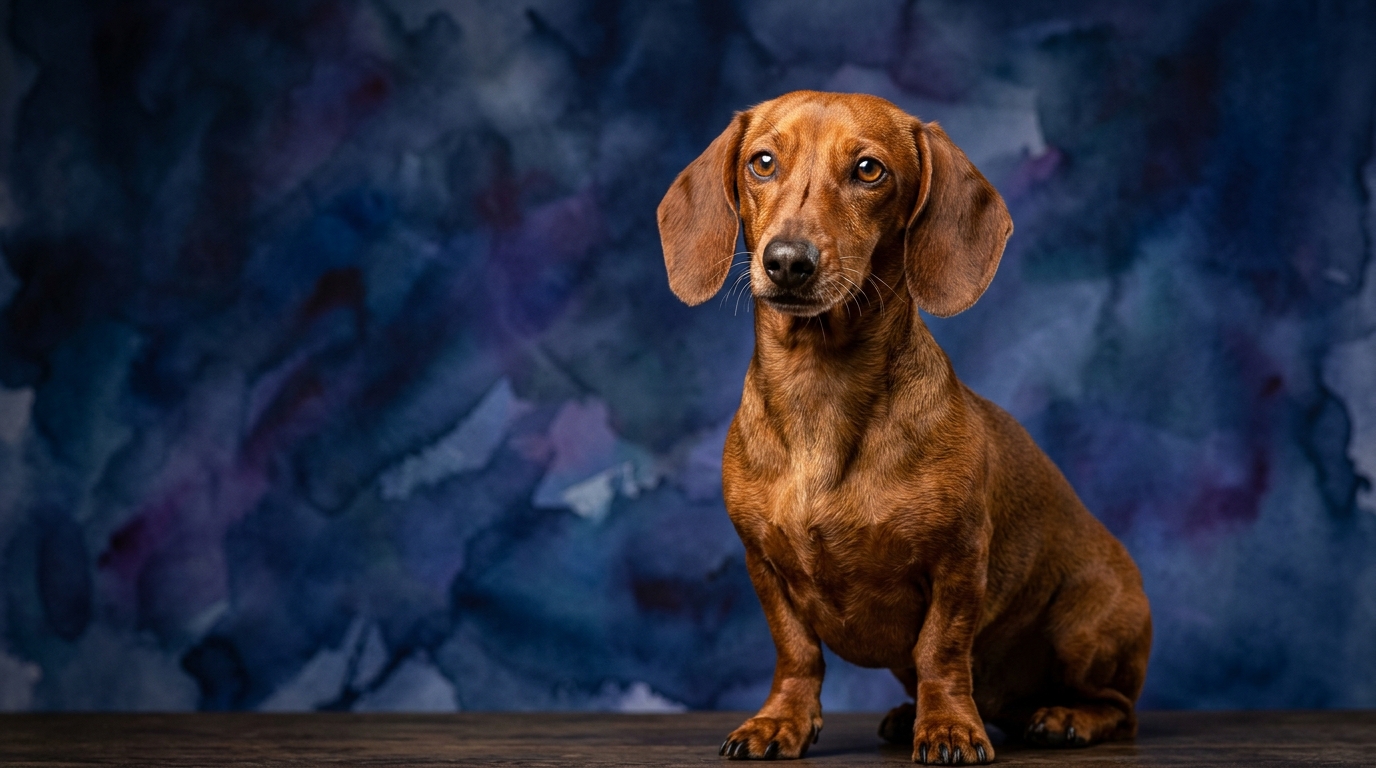
Side-by-Side IQ Profile: Husky vs. Dachshund
The Cosmic Pet Pet IQ Lab employs a five-dimensional framework to assess canine intelligence, offering a detailed look beyond simple obedience. For both the Siberian Husky and the Dachshund, we observe fascinating scores that illuminate their unique mental landscapes.
Both breeds achieve a robust 4/5 in **Problem Solving**, indicating a strong capacity for independent thought and figuring out solutions. For the Husky, this often manifests in strategizing escape routes from enclosures or navigating complex terrain with efficiency. The Dachshund's problem-solving frequently translates into creative methods for accessing forbidden areas, such as a counter full of treats, or outmaneuvering obstacles to pursue a captivating scent.
In **Training Speed**, both breeds register a 2/5, suggesting neither is a naturally compliant student. This score isn't a reflection of their ability to understand, but rather their inherent independence. Huskies can quickly become bored with repetitive tasks, preferring to make their own decisions, while Dachshunds are often driven by their profound sense of smell, frequently prioritizing an intriguing scent trail over human instruction.
Their **Social Intelligence** is rated at 3/5 for both. Huskies are generally amiable with people and other dogs, but their pack mentality is more geared towards cooperation in a working context than intense emotional attachment to a single individual. Dachshunds can be immensely affectionate and devoted to their immediate families but may display reservation towards strangers, often forming strong, selective bonds.
A perfect 5/5 in **Instinctive Drive** highlights a profound, ingrained purpose in both breeds. The Husky's drive is an insatiable need for endurance, pulling, and covering vast distances, deeply rooted in its sled dog heritage. The Dachshund's drive is a powerful hunting instinct, an unwavering focus on scent work, and a relentless determination to pursue quarry into tight spaces, directly reflecting its badger hunting origins.
Finally, in **Memory**, the Siberian Husky scores a 4/5, demonstrating a solid ability to recall complex routes and commands, crucial for a working team. The Dachshund, with a 3/5 in Memory, is certainly capable of learning, but their recall might be slightly less pronounced for abstract commands, often more focused on immediate sensory input like a scent, though they vividly remember where treats are hidden.
Where the Siberian Husky Excels Cognitively
The Siberian Husky's 5/5 Instinctive Drive is a profound cognitive asset, manifesting as an unparalleled endurance and an innate understanding of teamwork in a pulling context. This drive isn't just physical; it's a mental engine that allows them to sustain focus and effort over long periods. Their 4/5 Problem Solving skills are often directed towards navigating challenging environments, figuring out how to bypass obstacles on a trail, or even creatively escaping enclosures if under-stimulated, showcasing their strategic thinking.
This problem-solving prowess is coupled with a 4/5 Memory, allowing them to recall intricate routes, remember past training cues, and learn effectively from experiences. This strong memory is vital for a breed historically tasked with long-distance journeys and complex team dynamics, enabling them to apply learned solutions to new situations. Their cognitive strengths lie in sustained mental application over physical tasks and sophisticated spatial awareness.
Where the Dachshund Wins Cognitively
The Dachshund's 5/5 Instinctive Drive is a formidable mental engine, fueling their relentless pursuit of scent and their fearless determination in hunting. This deep-seated drive means their minds are constantly engaged in processing olfactory information, leading to an incredibly focused and persistent thought process. Their 4/5 Problem Solving capability is often applied to intricate tasks related to their prey drive, such as figuring out how to dig under a fence or maneuver around furniture to reach a perceived 'quarry.' This problem-solving is highly targeted and tenacious.
While their memory is 3/5, their social intelligence at 3/5 allows them to form strong bonds and understand household dynamics, often using their charming personalities to their advantage to get what they want. Their cognitive prowess is rooted in independent, goal-oriented persistence, especially when their powerful nose leads the way, demonstrating a remarkable ability to overcome obstacles for a desired outcome.
Trainability: Husky vs. Dachshund
Both the Siberian Husky and the Dachshund score a 2/5 in Training Speed, indicating that neither is an effortlessly compliant student. For the Husky, this stems from their independent nature and a strong intrinsic motivation that often outweighs a desire to please. They were bred to make decisions on a sledding trail, not blindly follow commands, leading to a 'what's in it for me?' attitude and a tendency to become bored with repetitive drills. Owners often describe them as 'selective listeners' or 'escape artists' who use their 4/5 Problem Solving to circumvent rules or find more engaging activities.
The Dachshund's training challenge, similarly rated 2/5, is largely due to their deep-seated hunting instincts and stubborn streak. Once a Dachshund catches a scent, their 5/5 Instinctive Drive takes over, making them incredibly difficult to recall or redirect. Their 4/5 Problem Solving often means they can outwit owners in pursuit of their goals, whether it's burrowing into blankets or finding crumbs. Effective training for both breeds requires immense patience, creativity, high-value rewards, and a deep understanding of their breed-specific motivations, rather than expecting eager, immediate obedience.
Matching Breeds to Lifestyles: Active vs. Relaxed Owners
For **active owners**, the Siberian Husky is a natural fit. Their 5/5 Instinctive Drive demands consistent, vigorous exercise, ideally involving opportunities to run, pull, or engage in dog sports like canicross. Their 4/5 Problem Solving and 4/5 Memory mean they thrive on mental challenges too, such as advanced obedience, agility, or puzzle toys that tap into their strategic thinking. A truly relaxed owner will quickly find a Husky channeling its immense energy and cognitive capacity into destructive behaviors or escape attempts, as their minds require constant engagement.
The **Dachshund**, while not requiring the same sheer volume of physical exertion as a Husky, is often mistakenly categorized as purely for relaxed owners. Their 5/5 Instinctive Drive for scent work means they need daily mental engagement, such as sniff walks, scent games, or even earthdog trials, where they can utilize their innate hunting abilities. Their 4/5 Problem Solving can manifest in clever mischief if they are bored or under-stimulated. While they enjoy cozying up, a truly 'relaxed' owner who neglects their mental stimulation will find a Dachshund can become vocal, destructive, or prone to digging. They suit owners who appreciate focused, shorter bursts of activity and consistent mental enrichment over sustained high-impact exercise.
The Verdict
Opt for a Siberian Husky if you are an active individual or family prepared to dedicate substantial daily time to vigorous exercise, mental stimulation, and consistent training for a dog that thrives on independence and collaboration in demanding tasks.
Select a Dachshund if you appreciate a tenacious, independent companion with a strong personality, are willing to engage their powerful scent drive, and can provide consistent, patient training tailored to their determined nature.
🧠 Find Your Pet's IQ Score
Our Pet IQ Lab assessment covers 25+ tests across 5 cognitive dimensions — personalized to your breed.
Take the Full IQ Test →Frequently Asked Questions
Are Siberian Huskies easy to train for beginners?
Siberian Huskies, with a Training Speed of 2/5, present a challenge for beginners due to their independent nature and tendency to prioritize their own agenda over commands. They require consistent, patient training with positive reinforcement and varied activities to keep their problem-solving minds engaged.
Do Dachshunds require a lot of mental stimulation?
Absolutely. Despite their smaller size, Dachshunds possess a 5/5 Instinctive Drive and 4/5 Problem Solving, meaning they need significant mental stimulation, particularly through scent-related activities. Without it, they can become bored, vocal, and channel their intelligence into mischievous or destructive behaviors.
How do their social intelligence scores compare to their trainability?
Both breeds share a 3/5 Social Intelligence and 2/5 Training Speed. While they are moderately social, their independent streaks often override their desire to please in training scenarios, requiring owners to understand their intrinsic motivations rather than relying solely on social bonding for obedience.