Side-by-Side Cognitive Profile: Siberian Husky vs. Dandie Dinmont Terrier
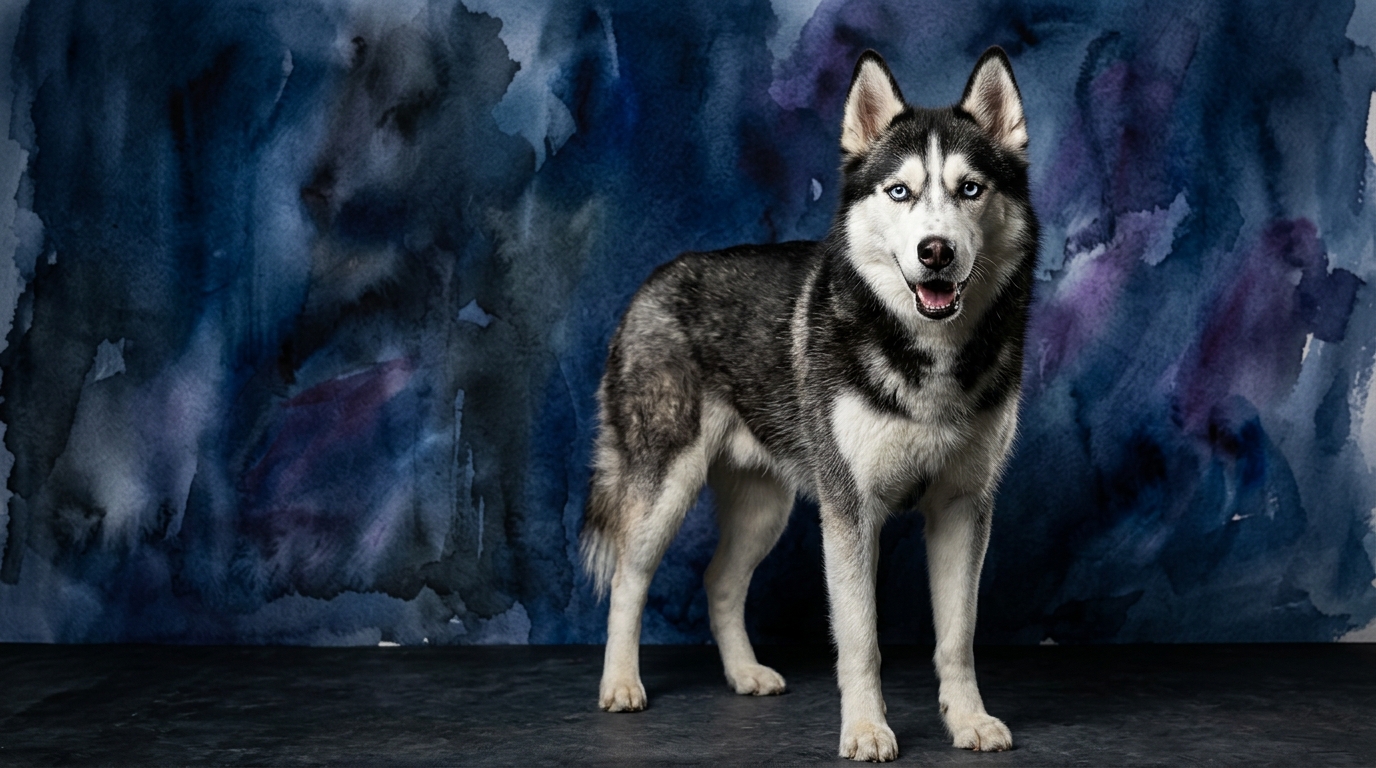
The Cosmic Pet Pet IQ Lab employs a five-dimensional framework to assess canine cognition, offering a granular view beyond general perceptions. For the Siberian Husky, a Working Group dog ranked #45 by Coren, its profile reflects a breed shaped by demanding tasks and harsh environments. Its Problem Solving is rated 4/5, indicating a strong capacity for independent thought and finding solutions, often related to navigation or self-preservation. Training Speed is 2/5, suggesting a measured response to conventional methods due to their independent nature. Social Intelligence stands at 3/5, showing an understanding of pack dynamics but often with an aloof demeanor. Instinctive Drive is a powerful 5/5, reflecting their profound urge to run, pull, and explore. Finally, Memory is 4/5, highlighting their robust recall for routes and past experiences.
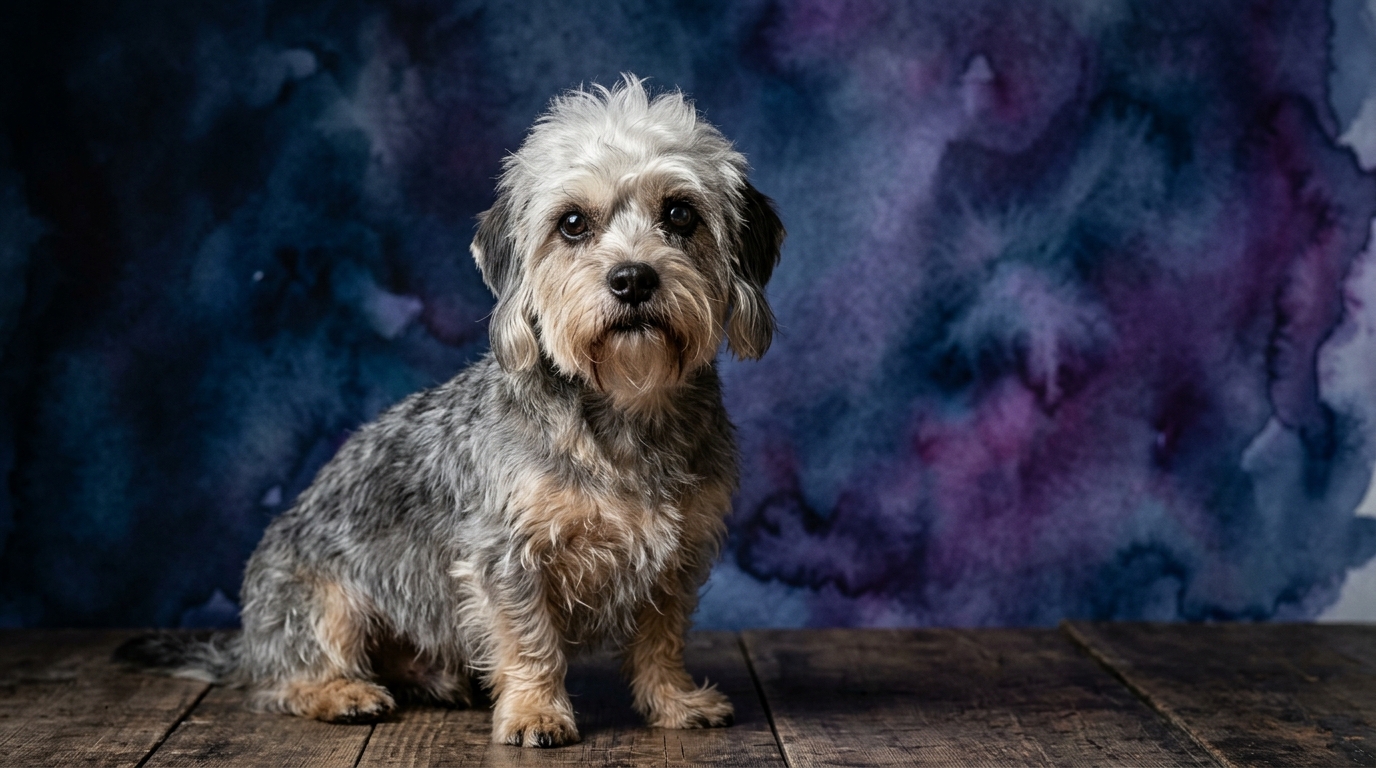
In contrast, the Dandie Dinmont Terrier, a member of the Terrier Group and not Coren-ranked, presents a different cognitive blueprint. Its Problem Solving is 3/5, demonstrating practical skills focused on immediate, tangible goals. Training Speed is 3/5, indicating a moderate willingness to learn and respond to positive reinforcement. Social Intelligence matches the Husky at 3/5, signifying their capacity for understanding social cues and forming bonds. Instinctive Drive is also 3/5, manifesting as a manageable interest in digging and chasing small animals. Memory for the Dandie Dinmont Terrier is 3/5, showing a competent retention of routines and learned behaviors.
Where the Siberian Husky Shines Cognitively
The Siberian Husky shines in raw problem-solving capabilities, particularly for navigating complex environments or achieving self-directed goals. Their ancestral role demanded independent decision-making for survival, leading to a breed adept at strategizing escapes or finding creative ways to reach desired objects. This reflects an innate ability to assess and devise a plan, often without human guidance.
Their instinctive drive is unparalleled, equipping them with an exceptional capacity for sustained physical effort and exploration. This cognitive engine fuels their curiosity and determination to investigate new scents, traverse long distances, and engage with their environment. While challenging for owners, this intense drive highlights their deep-seated cognitive programming for purpose-driven activity. Huskies also demonstrate a robust memory, especially for spatial information and past events. They recall intricate routes, precise locations of hidden items, or retain complex event sequences. This memory contributes to their navigational prowess and adaptability, even if they sometimes apply it to outmaneuvering human companions.
Where the Dandie Dinmont Terrier Holds a Cognitive Edge
The Dandie Dinmont Terrier's cognitive edge lies in its more balanced training speed and adaptable engagement. While their problem-solving isn't as grand-scale, their capacity to learn new commands at a moderate pace (3/5) without the Husky's strong independent streak makes them more amenable to structured lessons. They often show a genuine eagerness to please their primary caregivers, translating into more efficient learning in a typical family setting.
Their instinctive drive, rated at a manageable 3/5, is a distinct advantage domestically. Unlike the overwhelming urge to run and pull in Huskies, the Dandie's drive for digging or chasing small critters is more contained. This means their cognitive focus is less frequently diverted by overwhelming primal instincts, allowing for consistent engagement in training and daily interactions without a constant battle against a powerful underlying drive. Though rated similarly in social intelligence and memory, the Dandie often applies these attributes with a charming, less aloof disposition. Their practical problem-solving (3/5) is keenly focused on immediate, tangible rewards and navigating their home's social landscape, making them adept at understanding household routines and subtle family cues, often without the independent “what's in it for me?” attitude a Husky might exhibit.
Trainability: Which Breed is More Amenable to Learning?
For owners seeking a companion readily amenable to obedience, the Dandie Dinmont Terrier generally offers an easier training experience. Their moderate training speed (3/5) means they are receptive to learning and positive reinforcement, often picking up new commands consistently. Their instinctive drive (3/5), while present for digging or pursuit, is typically less intense and more easily redirected than a Husky's. This allows for a more focused, less distraction-prone training environment, making them straightforward for mastering basic obedience and house manners.
The Siberian Husky, conversely, is a more challenging prospect for traditional training due to their low training speed (2/5) and exceptionally high instinctive drive (5/5). While capable of learning, their independent nature means they often decide if and when to comply. Their strong drive to run, pull, and explore means they are easily distracted and prioritize their own agenda. Training a Husky requires immense patience, creativity, and a deep understanding of their motivations, often leveraging their problem-solving skills to engage them rather than expecting rote obedience. They are adept at finding loopholes, demanding an owner who can consistently outsmart their cleverness.
Suitability for Active vs. Relaxed Lifestyles
The Siberian Husky is unequivocally suited for highly active owners who embrace an outdoor lifestyle and can provide extensive physical and mental stimulation. Their immense instinctive drive and need for vigorous exercise mean they thrive with owners enjoying running, hiking, biking, or sledding. They require daily, prolonged outlets for their energy and cognitive engagement that challenges their problem-solving, making them ideal for adventurers. A relaxed owner would quickly be overwhelmed by an under-stimulated Husky's destructive tendencies and attempts to self-entertain.
The Dandie Dinmont Terrier, while not a couch potato, fits better with moderately active or relaxed owners who still enjoy daily engagement. They appreciate regular walks, secure yard playtime, and interactive indoor games stimulating their practical problem-solving. Their moderate instinctive drive means they are content with focused bursts of activity rather than continuous, high-intensity demands. They are equally happy to curl up with family after needs are met, suiting owners seeking a charming companion without extreme athleticism.
The Verdict
Opt for a Siberian Husky if you are an experienced, highly active individual or family prepared for a significant commitment to training, exercise, and mental stimulation, and you appreciate a clever, independent companion who thrives on adventure.
Select a Dandie Dinmont Terrier if you seek a charming, affectionate companion with a moderate activity level, who is generally more amenable to training and thrives in a loving home environment without requiring extreme outdoor pursuits.
🧠 Find Your Pet's IQ Score
Our Pet IQ Lab assessment covers 25+ tests across 5 cognitive dimensions — personalized to your breed.
Take the Full IQ Test →Frequently Asked Questions
Are Siberian Huskies suitable for first-time dog owners?
Generally, Siberian Huskies are not recommended for first-time dog owners due to their strong independent nature, measured training speed, and exceptionally high exercise requirements. They demand consistent, experienced handling and extensive mental stimulation to prevent behavioral challenges.
How does the Dandie Dinmont Terrier's 'instinctive drive' manifest compared to the Husky's?
The Dandie Dinmont Terrier's moderate instinctive drive typically manifests as an interest in digging, exploring scents, and occasionally chasing small critters, a remnant of their vermin-hunting past. In contrast, the Siberian Husky's powerful drive is primarily focused on sustained running, pulling, and vast exploration, rooted in their sled-dog heritage.
Which breed is better for apartment living?
The Dandie Dinmont Terrier is generally better suited for apartment living, provided they receive regular walks and mental enrichment, due to their moderate exercise needs and smaller size. Siberian Huskies, with their high energy, strong vocalizations, and need for vast outdoor space, are typically not ideal for apartment environments unless owners can commit to extensive daily outdoor activity.