Side-by-Side IQ Profile: Unpacking Canine Cognition
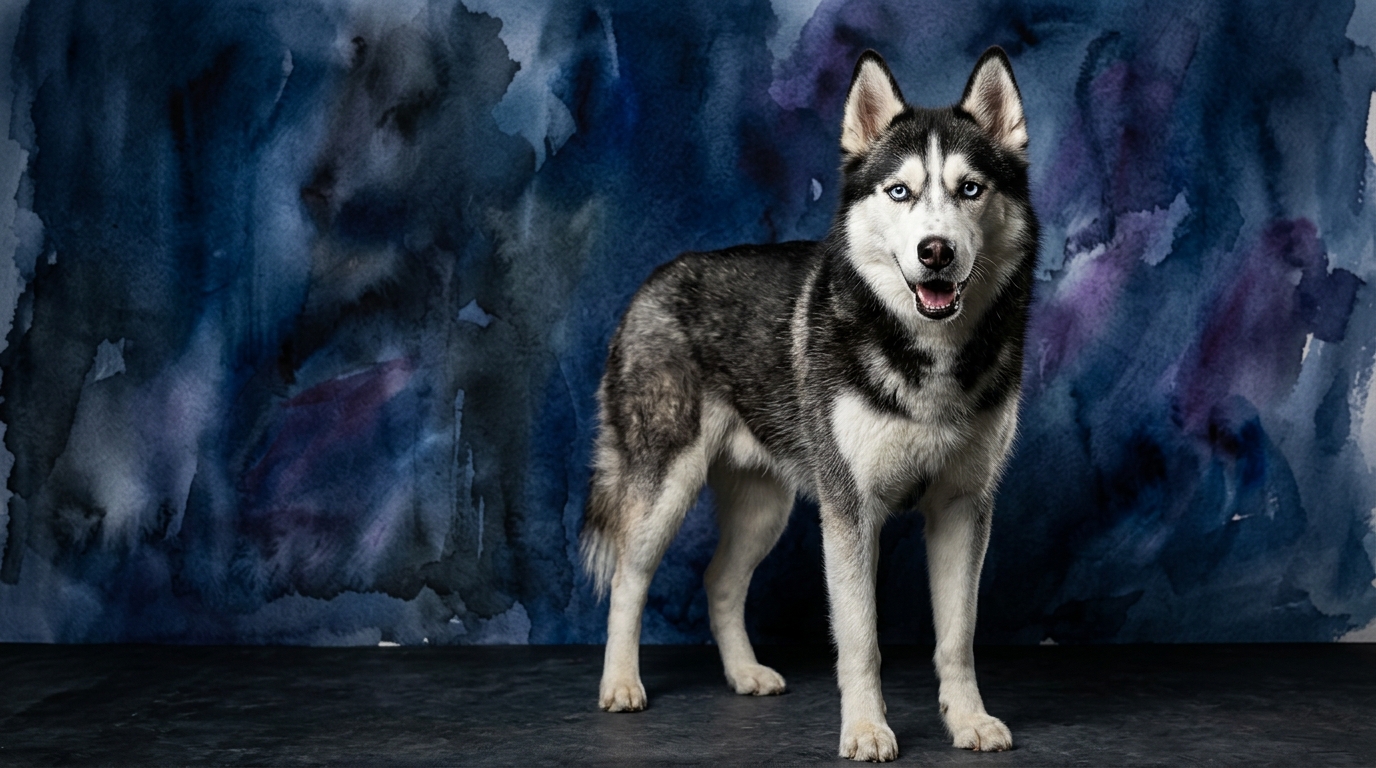
The Siberian Husky, a breed purpose-bred for endurance and pulling sleds, exhibits a unique cognitive profile. Their problem-solving capacity ranks at 4/5, reflecting an independent spirit adept at figuring out complex environmental challenges and escape routes. Training speed is rated 2/5, indicating a quick grasp of concepts but a selective willingness to comply, often requiring significant motivation and variety. Social intelligence stands at 3/5, as they thrive within a pack structure but can be reserved with strangers. An exceptional instinctive drive scores 5/5, encompassing their powerful urge to run, pull, and explore, alongside a pronounced prey drive. Their memory is strong at 4/5, enabling them to recall complex routes and routines.
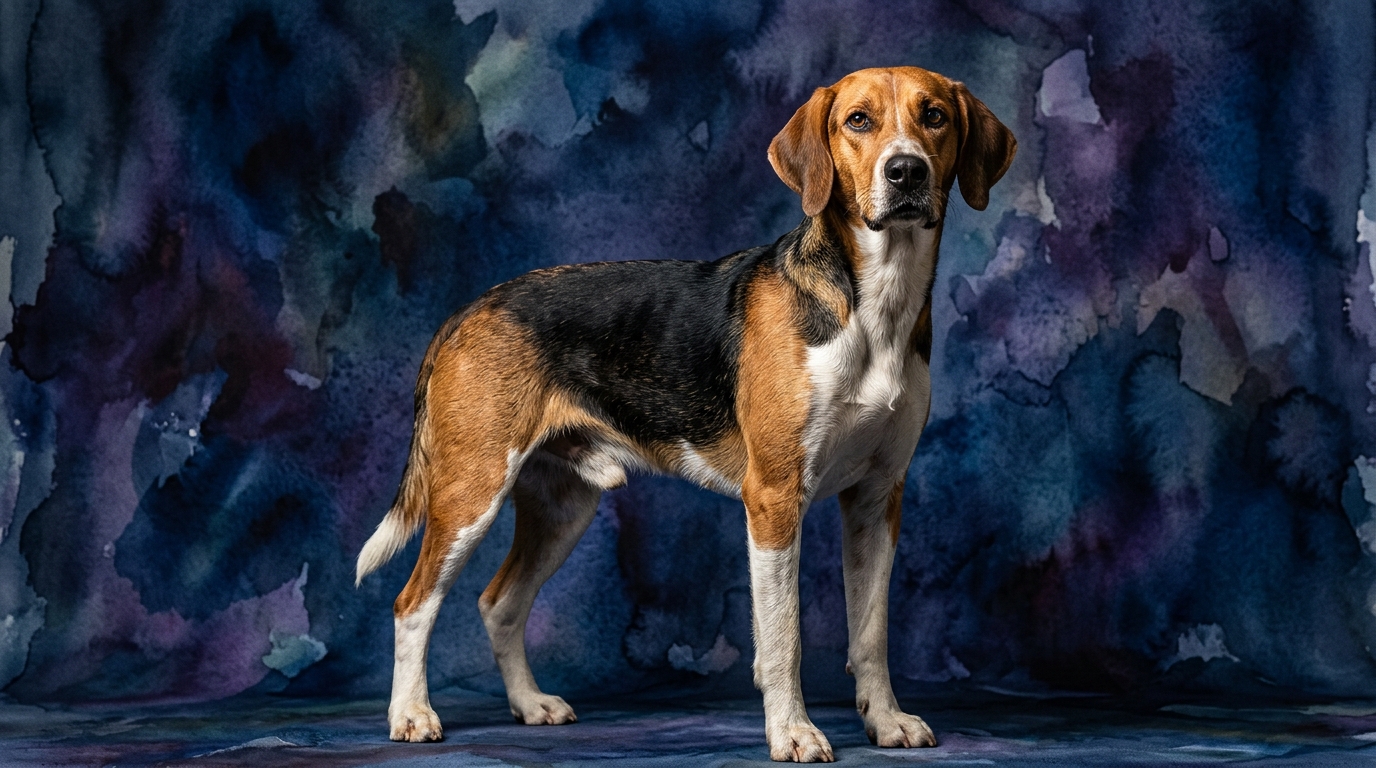
In contrast, the English Foxhound, developed for sustained scent-hunting in packs, presents a different cognitive blueprint. Their problem-solving ability is 3/5, typically focused on following scent trails rather than devising independent solutions to novel obstacles. Training speed registers at 3/5; they are generally biddable but can be easily distracted by their primary sensory input. Social intelligence mirrors the Husky at 3/5, reflecting their strong pack orientation and ability to cooperate within a group, though they might be less effusive with unfamiliar humans. Instinctive drive is 3/5, primarily centered on their profound scenting and chasing behaviors, which guides much of their cognitive function. Memory is also 3/5, primarily geared towards recalling scent patterns and established hunting routines.
Where the Siberian Husky Excels Cognitively
The Siberian Husky's cognitive prowess shines brightest in areas demanding independent thought and sustained physical application. Their problem-solving score of 4/5 is a testament to their capacity for self-directed learning and adaptive behavior. This isn't merely about learning commands; it's about actively strategizing, such as discovering how to open latches, scale fences, or navigate complex terrains to reach a desired outcome. This intrinsic drive to overcome physical and mental barriers stems from their historical role where autonomous decision-making was crucial for survival and successful expedition.
Furthermore, their instinctive drive, rated at a remarkable 5/5, translates into a specialized cognitive endurance. This isn't just physical stamina; it's the mental fortitude to maintain focus and effort over vast distances and prolonged periods, whether pulling a sled or covering ground. This deep-seated instinct, coupled with their strong memory for routes (4/5), showcases a highly specialized intelligence adapted for navigating and operating effectively in challenging, expansive environments, often requiring minimal human direction once a task is understood.
Where the English Foxhound Demonstrates Unique Cognitive Strengths
While the English Foxhound's scores might appear lower in some general cognitive dimensions, their specialized strengths are profound and distinct. Their instinctive drive, rated 3/5, is a testament to an extraordinarily refined olfactory intelligence. This isn't just about smelling; it's about processing, differentiating, and tenaciously following intricate scent trails, requiring immense cognitive focus and discrimination. This sustained engagement with a complex sensory input, often over varied and challenging landscapes, represents a highly developed form of problem-solving specific to their breed's purpose, where the 'problem' is an elusive scent.
Their social intelligence, also 3/5, is geared towards effective pack dynamics rather than individual human interaction in the way a companion breed might exhibit. Foxhounds demonstrate a nuanced understanding of hierarchical structures and cooperative hunting strategies within a group. This capacity for synchronized effort, anticipating pack movements and communicating through scent and vocalizations, highlights a sophisticated form of group cognition essential for their traditional role. Their moderate training speed (3/5) also reflects a willingness to follow established routines and leadership, crucial for maintaining pack cohesion during extended hunts.
Training Dynamics: Husky's Independence vs. Foxhound's Focus
Training a Siberian Husky often presents a fascinating challenge due to their unique cognitive makeup. Their training speed of 2/5 doesn't imply a lack of learning ability, but rather a strong inclination towards independence and self-direction. Huskies grasp new concepts quickly (their problem-solving is 4/5), but their compliance is often contingent on their perceived value of the task or the appeal of alternative activities. Owners frequently encounter 'selective hearing,' where a Husky chooses to ignore commands if something more stimulating, like a squirrel or an open gate, presents itself. Successful training demands creativity, short sessions, high-value rewards, and an unwavering consistency to overcome their inherent willfulness.
The English Foxhound, with a training speed of 3/5, generally exhibits more biddability compared to the Husky, often showing a greater desire to please their handler. However, their profound instinctive drive for scent (3/5) introduces its own set of training considerations. While they learn commands reliably in a controlled environment, an enticing scent can quickly override learned behaviors, making off-leash reliability a significant hurdle. Their cognitive focus becomes singularly directed towards the olfactory stimulus, requiring owners to implement rigorous recall training in distracting environments and often necessitating secure physical containment to prevent wandering.
Lifestyle Match: Active Adventurers vs. Dedicated Companions
For the Siberian Husky, matching their cognitive and physical needs to an owner's lifestyle is paramount. Their high instinctive drive (5/5) for endurance, coupled with their problem-solving acumen (4/5), means they require substantial and consistent mental and physical stimulation daily. Owners must be prepared for long runs, hikes, or engaging in dog sports like agility or canicross. A Husky left without adequate outlets will often channel their considerable mental energy into destructive behaviors or escape attempts, showcasing their intelligence in ways that challenge an unprepared owner. They thrive with active, experienced individuals who appreciate an independent canine partner.
The English Foxhound, while not demanding the same raw endurance as a Husky, still requires a lifestyle that accommodates their specialized drives. Their potent scent drive necessitates a securely fenced yard and owners committed to providing regular, structured exercise that engages their nose, such as extensive walks or scent work games. They are generally dedicated and affectionate companions within the family unit, thriving on companionship, whether human or canine, and do not fare well with prolonged isolation. They suit owners who can provide consistent routines, moderate activity, and appreciate a dog whose world is largely defined by scent.
The Verdict
Choose a Siberian Husky if you're an experienced, highly active owner seeking a truly independent and physically robust partner for endurance sports and creative problem-solving challenges.
Opt for an English Foxhound if you appreciate a dedicated, pack-oriented companion with a profound scenting ability, and you can provide structured exercise and consistent training to channel their instincts.
🧠 Find Your Pet's IQ Score
Our Pet IQ Lab assessment covers 25+ tests across 5 cognitive dimensions — personalized to your breed.
Take the Full IQ Test →Frequently Asked Questions
Are Siberian Huskies difficult to train?
Siberian Huskies are quick learners but possess a strong independent streak, often choosing whether to comply based on their own motivation. Their training requires immense patience, consistency, and creative methods to keep them engaged, as they can become bored with repetition.
Do English Foxhounds make good family pets?
English Foxhounds can be devoted family pets, especially when raised with children and other animals from a young age. They thrive on companionship and structured activity, but their strong scent drive means they require a secure environment and consistent training to prevent them from wandering.
Which breed requires more exercise?
The Siberian Husky generally requires more intense and sustained exercise due to their high instinctive drive for endurance and pulling. While English Foxhounds also need significant daily activity to satisfy their scenting instincts, their energy output is typically channeled differently, often through long walks or scent work rather than high-speed endurance.