Side-by-Side Cognitive Profile
The Cosmic Pet Pet IQ Lab employs a multi-dimensional approach to assess canine cognition, moving beyond simplistic 'smart' labels to reveal a nuanced understanding of how breeds think and interact with their world. For the Siberian Husky and German Pinscher, these dimensions paint a vivid picture of their inherent capabilities.
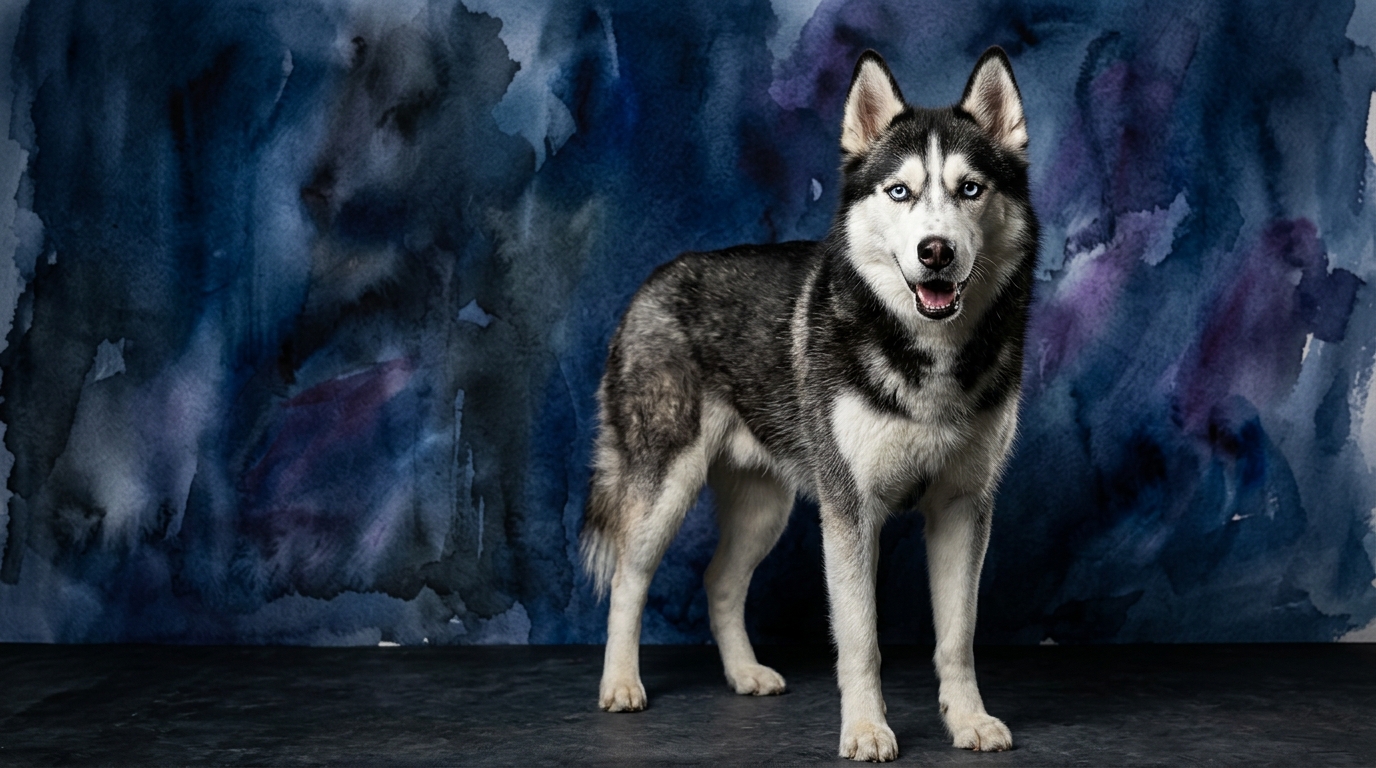
The Siberian Husky, Coren-ranked #45, exhibits a robust cognitive profile tailored for endurance and independent action. Their Problem Solving score of 4/5 reflects a resourceful mind, adept at navigating complex environments and figuring out solutions, often on their own terms. Training Speed, however, registers at 2/5, indicating a breed that requires significant patience and motivation to learn new commands consistently. Social Intelligence stands at 3/5, suggesting they can read cues but often prioritize their own agenda over human direction. A powerful Instinctive Drive of 5/5 highlights their deep-seated urge to run, explore, and pull, a direct inheritance from their sled dog lineage. Finally, their Memory at 4/5 denotes an excellent ability to recall routes, experiences, and past interactions.
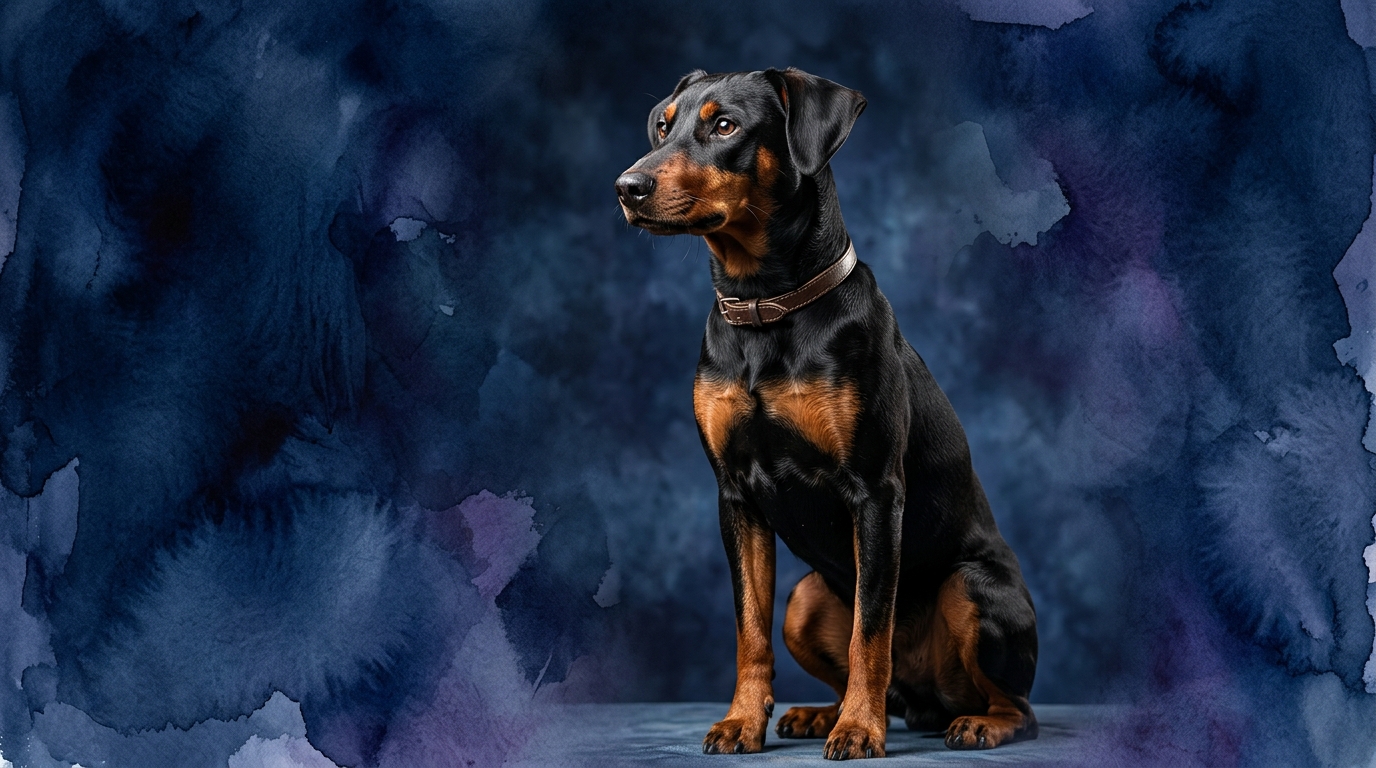
The German Pinscher, while not Coren-ranked, presents a balanced yet distinct set of cognitive traits. Their Problem Solving is rated 3/5, signifying a capable mind that can tackle challenges but might rely more on human guidance than a Husky. Training Speed is 3/5, indicating a moderate pace of learning, responsive to consistent instruction. Social Intelligence also scores 3/5, reflecting an alert awareness of their surroundings and an ability to form strong bonds, though they can be reserved with strangers. Instinctive Drive is 3/5, demonstrating a moderate prey drive and protective instincts, less overwhelming than a Husky's wanderlust. Their Memory is 3/5, meaning they retain information and routines adequately, forming a solid foundation for daily life.
Where the Siberian Husky Wins Cognitively
The Siberian Husky truly shines in areas demanding independent thought and an unrelenting drive. Their 4/5 Problem Solving score means they are adept at finding creative ways to achieve their goals, whether it’s figuring out how to open a gate or navigating a complex trail. This cognitive strength, while sometimes challenging for owners, indicates a remarkable capacity for self-reliance and strategic thinking, often leading them to outsmart conventional containment methods. This isn't about obedience, but about innate ingenuity.
A defining Husky advantage is their extraordinary Instinctive Drive, scoring a perfect 5/5. This isn't merely a physical attribute; it's a profound cognitive blueprint for endurance, navigation, and survival. Their minds are wired for sustained effort and purposeful movement, making them exceptional at tasks requiring stamina and a deep connection to their environment. This drive translates into an inherent motivation for exploration and a powerful focus when engaged in activities that tap into their sledding heritage. Their 4/5 Memory further enhances this, allowing them to recall vast territories and intricate paths, a critical skill for their original purpose.
Where the German Pinscher Wins Cognitively
The German Pinscher's cognitive strengths lie in their balanced approach and responsiveness, particularly in a home environment. While their Problem Solving at 3/5 is slightly lower than the Husky's, it’s often paired with a greater willingness to engage with their human companions to find solutions, rather than always acting independently. This makes them more collaborative learners, often seeking direction and approval.
A key cognitive edge for the German Pinscher is their Training Speed, rated 3/5, which surpasses the Husky's 2/5. This indicates a greater aptitude for absorbing and retaining commands, often requiring fewer repetitions to solidify new behaviors. Their moderate Instinctive Drive (3/5) means their natural urges, while present, are less likely to override learned behaviors or human instruction compared to the Husky’s intense drive. This cognitive balance allows them to be more focused on their handler during training, making them a more predictable and often quicker study in structured settings. Their solid 3/5 Memory supports this, ensuring they reliably retain the lessons learned.
Which Is Easier to Train and Why
When it comes to ease of training, the German Pinscher generally presents a more straightforward path for the average owner. Their 3/5 Training Speed indicates a moderate responsiveness to cues and a quicker grasp of new commands compared to the Siberian Husky's 2/5. The Pinscher’s cognitive makeup allows them to be more handler-focused; they are often eager to engage and respond to positive reinforcement, seeing training as a rewarding interaction. Their Instinctive Drive, while present, is less overwhelming, meaning their attention is less likely to be hijacked by an irresistible urge to chase or explore during a training session.
The Siberian Husky, conversely, offers a more significant training challenge. Their lower Training Speed (2/5) is compounded by their powerful 5/5 Instinctive Drive and 4/5 Problem Solving. Huskies are independent thinkers; they process commands, but their strong will and inherent desire to follow their instincts (like running or investigating a scent) often take precedence. They might understand what you want but choose not to comply if it conflicts with their own agenda. Training a Husky requires immense patience, creativity, and a deep understanding of their unique motivations, turning every session into a negotiation rather than a simple instruction. Their independence means they are less inclined to perform simply to please their human, demanding a more strategic, engaging, and often game-based approach to education.
Which Suits Active Owners vs. Relaxed Owners
Neither the Siberian Husky nor the German Pinscher is suited for genuinely 'relaxed' owners in the traditional sense, as both are working breeds requiring consistent mental and physical engagement. However, their specific cognitive and physical demands differentiate them for varying levels of 'active' lifestyles. The Siberian Husky is unequivocally for the highly active, adventure-seeking owner. Their 5/5 Instinctive Drive for running, combined with their 4/5 Problem Solving, means they require extensive daily exercise that challenges both body and mind. Owners must be prepared for long runs, hikes, or sledding/canicross activities, coupled with puzzle toys and training that taps into their independent nature. A bored Husky will creatively problem-solve ways to entertain themselves, often leading to destructive behaviors or escape attempts.
The German Pinscher, while also an active breed, suits an owner who is consistently active but perhaps not seeking the extreme demands of a sled dog. Their 3/5 Instinctive Drive translates to a need for daily walks, playtime, and mental stimulation, but typically less sustained, high-intensity output than a Husky. Their moderate Problem Solving and Training Speed mean they thrive on structured activities, agility, or obedience training that engages their mind without requiring constant, independent strategizing. Owners who enjoy regular, varied activities and can provide consistent interaction will find the Pinscher a rewarding companion, without the Husky's relentless need for monumental physical outlets and independent adventures.
Understanding the intricate cognitive differences between the Siberian Husky and the German Pinscher is crucial for prospective owners seeking a compatible companion. These aren't just physical distinctions, but deeply rooted variations in how they perceive, learn, and interact with the world.
The Verdict
Choose the Siberian Husky if you are an experienced, highly active individual or family prepared for an independent, resourceful canine partner with an insatiable drive for adventure and a mind that constantly seeks challenges. You must be ready to engage with their unique cognitive independence and provide extensive physical and mental stimulation.
Opt for the German Pinscher if you seek a loyal, alert, and responsive companion who enjoys consistent activity, thrives on structured training, and forms a strong bond with their human. They are best suited for owners who appreciate a dog with moderate yet manageable drives and a collaborative approach to learning.
🧠 Find Your Pet's IQ Score
Our Pet IQ Lab assessment covers 25+ tests across 5 cognitive dimensions — personalized to your breed.
Take the Full IQ Test →Frequently Asked Questions
Are Siberian Huskies difficult to live with due to their intelligence?
Siberian Huskies are not 'difficult' in a malicious sense, but their high Problem Solving (4/5) and powerful Instinctive Drive (5/5) mean they are independent thinkers with strong urges. This often translates to escape artistry, a high prey drive, and a tendency to be vocal, requiring diligent management and an understanding of their unique cognitive makeup.
What kind of owner is best suited for a German Pinscher's cognitive traits?
An owner who is consistent, firm yet fair, and enjoys engaging their dog in structured activities will best suit a German Pinscher. Their 3/5 Training Speed means they respond well to clear guidance, and their Social Intelligence (3/5) allows for a strong, attentive bond with their primary caregiver, thriving on interaction and purpose.
Do German Pinschers have a strong prey drive, and how does it compare to a Husky's?
Yes, German Pinschers possess a moderate Instinctive Drive of 3/5, which includes a prey drive stemming from their ratting origins. This is less overwhelming than the Siberian Husky's 5/5 drive, but still requires management around smaller animals. While a Pinscher might chase a squirrel, a Husky's drive is often to run vast distances in pursuit.