Side-by-Side IQ Profile
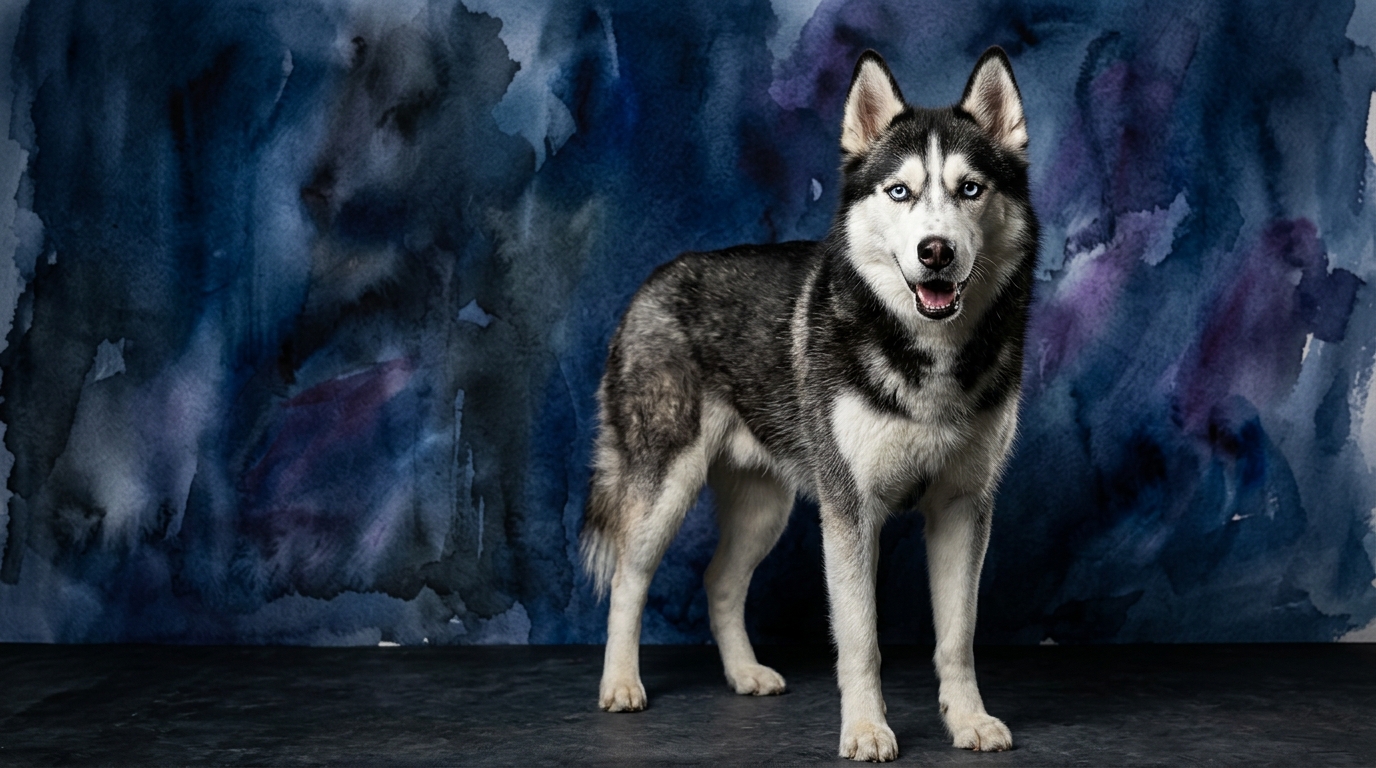
Siberian Husky (Working Group, Coren Rank #45): This breed’s cognitive profile reflects its heritage as an endurance sled dog. Its Problem Solving score of 4/5 indicates a resourceful mind, adept at navigating complex terrains and finding solutions independently, especially when faced with environmental challenges or perceived barriers. However, its Training Speed of 2/5 reveals a strong independent streak; Huskies learn, but often on their own terms, requiring significant patience and motivational strategies from their handlers. Social Intelligence at 3/5 suggests they are aware of their pack dynamics and human interactions but can be somewhat aloof or focused on their own objectives rather than constant human appeasement. Their Instinctive Drive, rated 5/5, is exceptionally robust, fueling their wanderlust, strong prey drive, and an innate desire to pull. Finally, a Memory score of 4/5 allows them to recall routes, learned patterns, and past experiences with impressive accuracy, contributing to their navigational prowess.
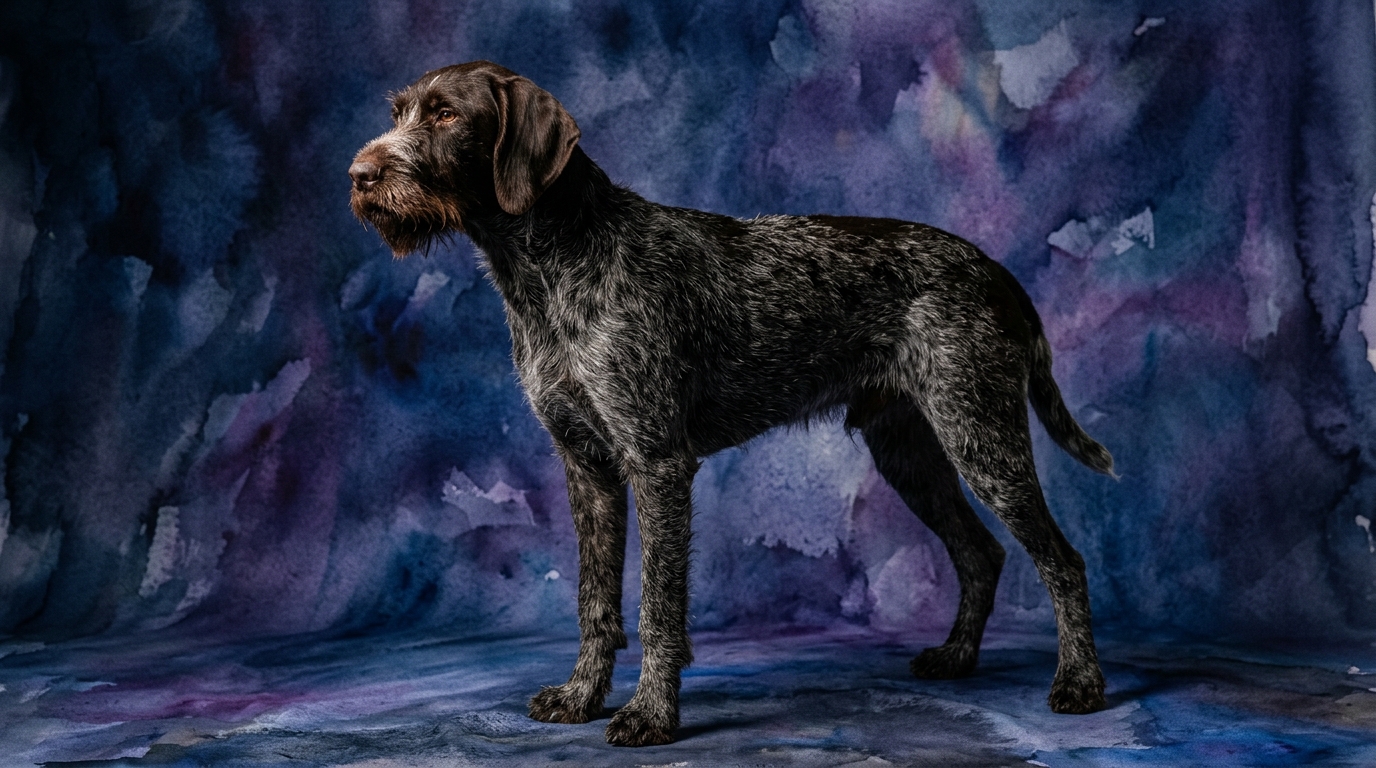
German Wirehaired Pointer (Sporting Group, Coren Rank #28): The GWP's profile underscores its role as a versatile hunting companion, showcasing a more cooperative and task-oriented intelligence. Its Problem Solving at 4/5 demonstrates an astute ability to adapt to varying hunting conditions and strategize within a given task, often in collaboration with its handler. Crucially, its Training Speed of 4/5 signifies a highly receptive and eager learner; GWP absorb commands rapidly and are motivated to perform for their human partners. Social Intelligence, at 3/5, indicates they are attuned to their handler's cues and emotional state, essential for effective fieldwork, though their focus remains primarily on the task at hand. Their Instinctive Drive, rated 3/5, is primarily focused on hunting, pointing, and retrieving, providing a strong work ethic that is generally more channeled and manageable than the Husky's expansive drives. A Memory score of 4/5 ensures they retain complex commands, field experiences, and learned behaviors, making them reliable partners in the field.
Where Siberian Husky Wins Cognitively
The Siberian Husky truly excels in areas demanding independent thought, resilience, and an unwavering sense of purpose, often without direct human instruction. Their 4/5 Problem Solving isn't about solving puzzles for treats, but about navigating complex, often harsh environments, finding ways around obstacles, or figuring out how to achieve their own goals, such as escaping a yard or finding a scent. This self-sufficiency, coupled with their 5/5 Instinctive Drive, means they possess an unparalleled internal compass and endurance. They remember routes and patterns (Memory 4/5) with exceptional clarity, a vital trait for a sled dog covering vast distances. This cognitive strength allows them to make independent decisions that contribute to survival or task completion, even when human input is absent or impossible. Their cognitive triumphs are often seen in their ability to maintain focus on a long-term physical objective, such as pulling a sled for hours, relying on their deep-seated drives and memory of the path ahead.
Where German Wirehaired Pointer Wins Cognitively
The German Wirehaired Pointer's cognitive strengths lie in its cooperative intelligence and rapid assimilation of complex tasks. Its 4/5 Training Speed is a clear indicator of its eagerness and capacity to quickly grasp and execute commands, making it a highly responsive partner in the field. This isn't just about simple obedience; it extends to understanding nuanced hand signals, scent discrimination, and intricate retrieve patterns. Their 4/5 Problem Solving manifests as adaptive thinking within a structured environment, allowing them to adjust hunting strategies based on terrain or bird behavior, always working in concert with their handler. The GWP's cognitive profile emphasizes a keen ability to observe, learn from experience, and apply that learning to achieve shared objectives. Their memory (4/5) is particularly strong for retaining specific commands and field experiences, making them consistent and reliable performers. The GWP's brilliance shines in its ability to seamlessly integrate human direction with its innate hunting instincts, demonstrating a profound understanding of teamwork.
Which Is Easier to Train and Why
When it comes to ease of training, the German Wirehaired Pointer holds a significant advantage, largely due to its 4/5 Training Speed and its inherent desire to work cooperatively. GWP are generally eager to please their handlers and possess a strong focus on tasks, making them highly receptive to instruction. They quickly connect actions with consequences and are motivated by positive reinforcement, leading to rapid acquisition of commands and behaviors. Their cooperative nature means they look to their human for direction and guidance, making them more pliable and consistent in obedience.
The Siberian Husky, with a Training Speed of 2/5, presents a much greater challenge. Huskies are intelligent but possess a profound independent streak and a "what's in it for me?" attitude. They learn quickly but may choose whether or not to obey based on their own assessment of the situation or their current motivation. Their powerful 5/5 Instinctive Drive for exploration and chasing often overrides learned commands, especially in stimulating environments. Training a Husky requires immense patience, creativity, and unwavering consistency, often employing positive reinforcement that aligns with their internal motivations rather than relying solely on a desire to please. Their independent problem-solving can manifest as finding ways to circumvent rules or boundaries, requiring a handler who understands their unique blend of intelligence and self-will.
Which Suits Active Owners vs. Relaxed Owners
Neither the Siberian Husky nor the German Wirehaired Pointer is suitable for truly relaxed owners, as both breeds demand significant engagement and activity. However, the type of activity and owner temperament they suit differs considerably.
The Siberian Husky thrives with active owners who appreciate their independence and can provide extensive outlets for their formidable energy and instinctive drives. These owners must embrace long daily runs, hikes, or sledding, understanding that a bored Husky is a destructive or escape-prone Husky. They require a secure yard and a commitment to consistent, engaging mental stimulation that respects their independent problem-solving nature. Owners who enjoy exploring, endurance activities, and can handle a dog with a mind of its own will find a rewarding companion in the Husky, provided they are prepared for the training challenges and management of their strong wanderlust.
The German Wirehaired Pointer is also for active owners, but those who prefer structured activities and a more cooperative partner. GWP excel in dog sports like agility, obedience, and especially field trials, where their training speed and task-oriented intelligence shine. They need daily vigorous exercise, but their focus is often on working with their owner towards a goal. Owners who enjoy training, participating in dog sports, hunting, or long, purposeful walks and runs will find the GWP an enthusiastic and dedicated companion. While energetic, their drive is more channeled and less prone to independent escapades than the Husky, making them potentially more manageable for active owners seeking a highly trainable and responsive partner.
The Verdict
To choose a Siberian Husky means embracing a profoundly independent, resourceful, and enduring companion whose intelligence shines in self-sufficiency and navigational prowess, demanding an owner dedicated to managing strong drives and providing vast outlets for their energy.
If you seek a highly cooperative, task-oriented partner eager to learn and excel in structured activities, the German Wirehaired Pointer will be a more suitable choice, thriving with an owner committed to consistent training and purposeful engagement.
🧠 Find Your Pet's IQ Score
Our Pet IQ Lab assessment covers 25+ tests across 5 cognitive dimensions — personalized to your breed.
Take the Full IQ Test →Frequently Asked Questions
Do Siberian Huskies and German Wirehaired Pointers need a lot of exercise?
Yes, both breeds require significant daily exercise due to their working and sporting backgrounds. Huskies need outlets for endurance and independent exploration, while GWP thrive on vigorous, structured activities that engage their cooperative intelligence.
Which breed is better for a first-time dog owner?
Generally, the German Wirehaired Pointer might be a more manageable choice for a first-time owner willing to commit to training, due to its higher training speed and cooperative nature. Siberian Huskies, with their strong independence and challenging training profile, are often better suited for experienced owners.
Are Siberian Huskies and German Wirehaired Pointers good with families?
Both breeds can be good family dogs with proper socialization and training. Huskies are generally friendly but may be too boisterous for very young children, while GWP are loyal and protective but need their energy channeled to prevent accidental rough play.