Side-by-Side Cognitive Profile
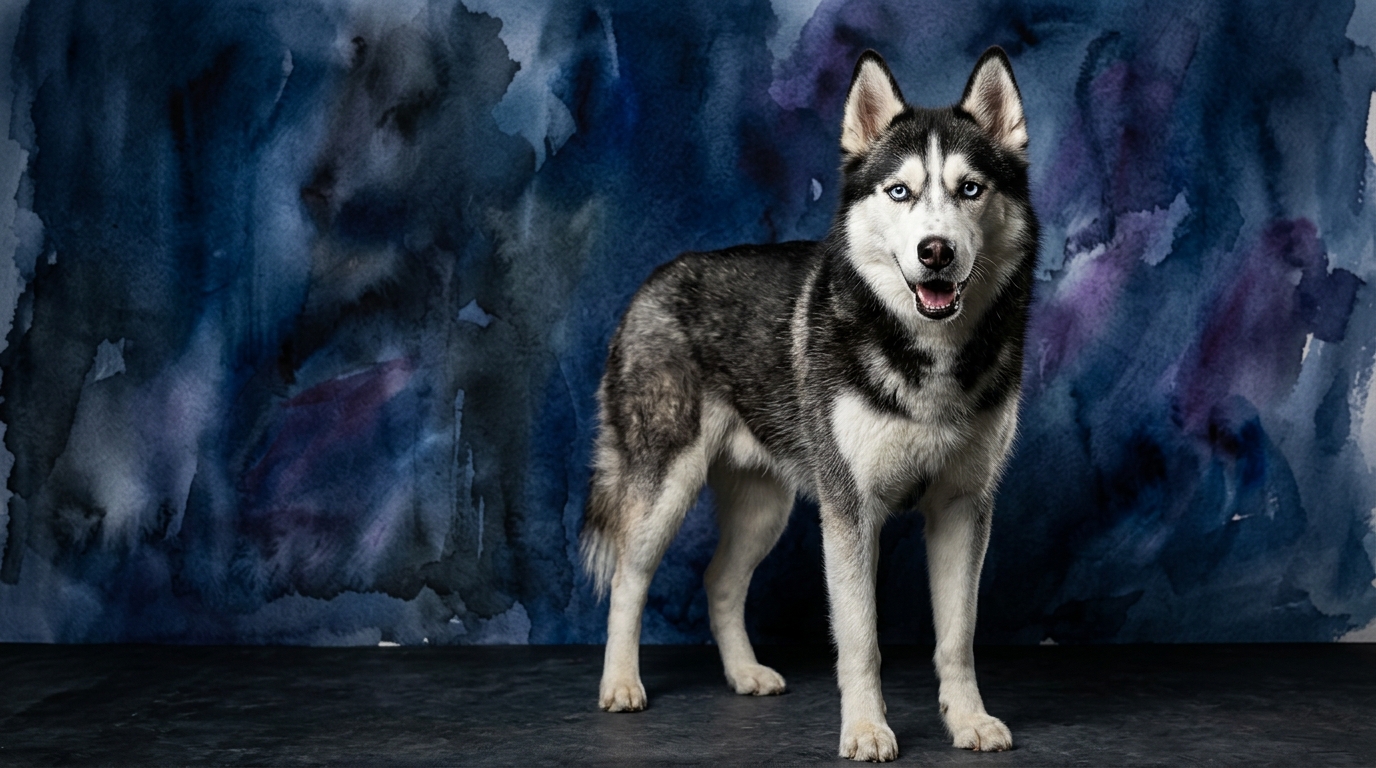
**Siberian Husky (Coren Rank #45):** Their Problem Solving (4/5) capacity is geared towards independent thought, often manifested in ingenious escape artistry or finding optimal paths in varied terrain, reflecting a self-directed approach. Training Speed (2/5) is notably slower; their strong independence means they comprehend but often choose not to comply swiftly, demanding patient, varied methods. Social Intelligence (3/5) involves strong pack bonds, both human and canine, with an awareness of group dynamics, though often with a self-preservation element. Their Instinctive Drive (5/5) is paramount, fueling an intense urge to run, pull, and explore vast distances. Memory (4/5) is solid, especially for routes, locations, and experiences, aiding their navigation and long-term retention of environmental cues.
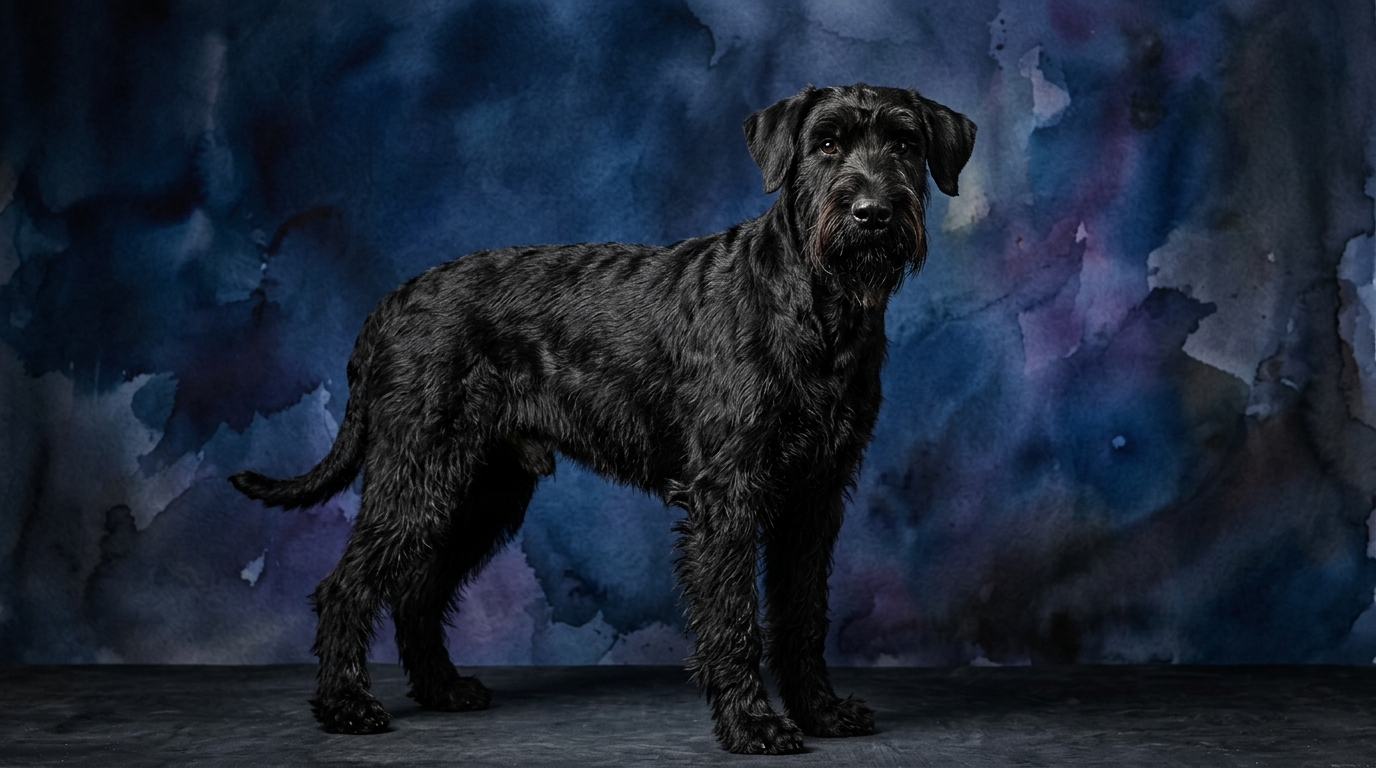
**Giant Schnauzer (Coren Rank #28):** Problem Solving (4/5) for Giant Schnauzers is typically task-oriented, excelling at figuring out how to achieve handler-given goals within structured frameworks, a testament to their versatile working heritage. Their Training Speed (4/5) is impressive, marked by quick comprehension and consistent execution of commands, driven by an eagerness to please and strong focus on their handler. Social Intelligence (3/5) manifests as deep loyalty and protection towards their family, understanding household dynamics and emotional states, though they are reserved with strangers. Instinctive Drive (3/5) is strong but centered on guarding, herding, and purposeful work, rather than nomadic exploration. Memory (4/5) is excellent, enabling retention of complex commands and routines over extended periods, crucial for advanced obedience and protection work.
Where the Siberian Husky Wins Cognitively
The Siberian Husky's most distinct cognitive advantage lies in its unparalleled Instinctive Drive (5/5). This isn't just physical energy; it's a mental blueprint for enduring vast distances and making autonomous decisions in challenging environments. A Husky's mind constantly assesses environmental cues, calculates efficient paths, and maintains focus during prolonged exertion, often without direct human instruction. Their Problem Solving (4/5) capacity frequently manifests in innovative ways to overcome obstacles or find novel solutions, such as escaping enclosures, driven by this profound internal motivation for freedom and exploration.
This potent instinctive drive, combined with a robust Memory (4/5) for routes and spatial relationships, allows Huskies to excel in roles demanding self-reliance. While a Giant Schnauzer's memory is equally strong, the Husky applies it distinctly, recalling intricate trail patterns and environmental landmarks vital for independent long-distance travel. Their cognitive strengths are precisely geared towards survival and efficiency in often solitary, challenging landscapes, making them adept at navigating complex scenarios where human guidance may be intermittent.
Where the Giant Schnauzer Wins Cognitively
The Giant Schnauzer's cognitive profile excels in areas demanding focused cooperation and swift information assimilation, evident in its superior Training Speed (4/5) compared to the Husky's 2/5. This breed possesses a strong inclination to engage with and please its handler, leading to rapid understanding and execution of commands. Their Problem Solving (4/5) is often directed towards achieving specific, handler-given tasks, whether mastering a new obedience routine or managing livestock, showcasing a structured, goal-oriented intellectual approach.
Their higher Coren rank of #28 (vs. Husky's #45) further underscores a greater readiness for complex, handler-directed work. This advantage isn't solely about speed; it's rooted in a cognitive framework that prioritizes biddability and the absorption of structured learning. While their Instinctive Drive (3/5) is less about expansive roaming, it is intensely focused on purposeful work and guardianship. This drive fuels sustained attention during training and consistent application of learned skills in real-world scenarios, making them highly effective in roles demanding precision and reliability.
Which is Easier to Train and Why
For most conventional obedience and skill-based tasks, the Giant Schnauzer is considerably easier to train than the Siberian Husky. This difference is starkly evident in their Training Speed scores: the Giant Schnauzer boasts a 4/5 for rapid, eager acquisition of new commands, while the Siberian Husky scores a 2/5, reflecting a more independent and selective learning style. The Giant Schnauzer's innate desire to work closely with its handler and its strong focus facilitate quicker comprehension and more reliable command execution. They thrive on structured training, viewing it as a cooperative, mentally stimulating endeavor.
Conversely, the Siberian Husky's training challenges stem from its profound independence and powerful Instinctive Drive (5/5). While they grasp commands (Problem Solving 4/5), their willingness to perform them consistently often takes a backseat to internal motivations like running or exploring. Their ancestors were bred to make autonomous decisions on a sled, sometimes overriding human input, a trait that persists. Training a Husky demands exceptional patience, creativity, and understanding of their unique motivations, often feeling more like negotiation than direct instruction, making the process longer and less predictable.
Suitability for Active vs. Relaxed Owners
Both the Siberian Husky and Giant Schnauzer are active working breeds, rendering them generally unsuitable for genuinely "relaxed" or sedentary owners. However, their activity needs present different cognitive and physical demands. The Siberian Husky, with its Instinctive Drive (5/5) and sled dog heritage, requires owners prepared for sustained, vigorous physical exertion like running, hiking, or pulling. Their independent Problem Solving (4/5) and Memory (4/5) for routes thrive on exploration and covering significant ground, making them an ideal match for adventurous owners who enjoy consistent, high-energy outdoor pursuits and can provide mental engagement through independent discovery and extensive exercise.
The Giant Schnauzer, while equally active, suits owners who prefer structured, purposeful engagement and integrated mental challenges. Their strong Training Speed (4/5) and Problem Solving (4/5) capabilities mean they excel in activities like advanced obedience, agility, protection sports, or complex trick training, satisfying their need for mental stimulation and physical exertion. They thrive on having a "job" and working cooperatively with their owner. This makes them a better fit for active owners who enjoy consistent training sessions, competitive dog sports, or engaging in tasks requiring their dog's active participation and keen focus, rather than simply independent, wide-ranging roaming.
The Verdict
Choose the Siberian Husky if you are an experienced, patient owner who values an independent, resilient companion for long-distance outdoor adventures and can provide ample opportunities for their powerful instinctive drives to be fulfilled.
Opt for the Giant Schnauzer if you desire a highly biddable, focused working partner for structured training, dog sports, and protective companionship, and are prepared to engage their keen intellect with consistent, purposeful activities.
🧠 Find Your Pet's IQ Score
Our Pet IQ Lab assessment covers 25+ tests across 5 cognitive dimensions — personalized to your breed.
Take the Full IQ Test →Frequently Asked Questions
Do Siberian Huskies or Giant Schnauzers learn complex commands faster?
The Giant Schnauzer typically learns complex commands faster due to its Training Speed score of 4/5 and a strong desire to work cooperatively with its handler. Huskies, with a 2/5 training speed, require more repetition and motivation.
Which breed is more likely to escape or wander due to its cognitive profile?
The Siberian Husky is significantly more prone to escaping or wandering due to its exceptional Instinctive Drive (5/5) and independent problem-solving skills. Their minds are wired for exploration and covering vast distances, often seeking ways to overcome barriers.
How does their social intelligence differ with new people?
Both breeds score 3/5 in Social Intelligence, but manifest it differently; Huskies are generally more openly friendly and curious with new people, while Giant Schnauzers tend to be reserved and watchful, forming strong bonds within their family but being more discerning with strangers.