The Cosmic Pet Pet IQ Lab: Siberian Husky vs. Greyhound Cognitive Profiles
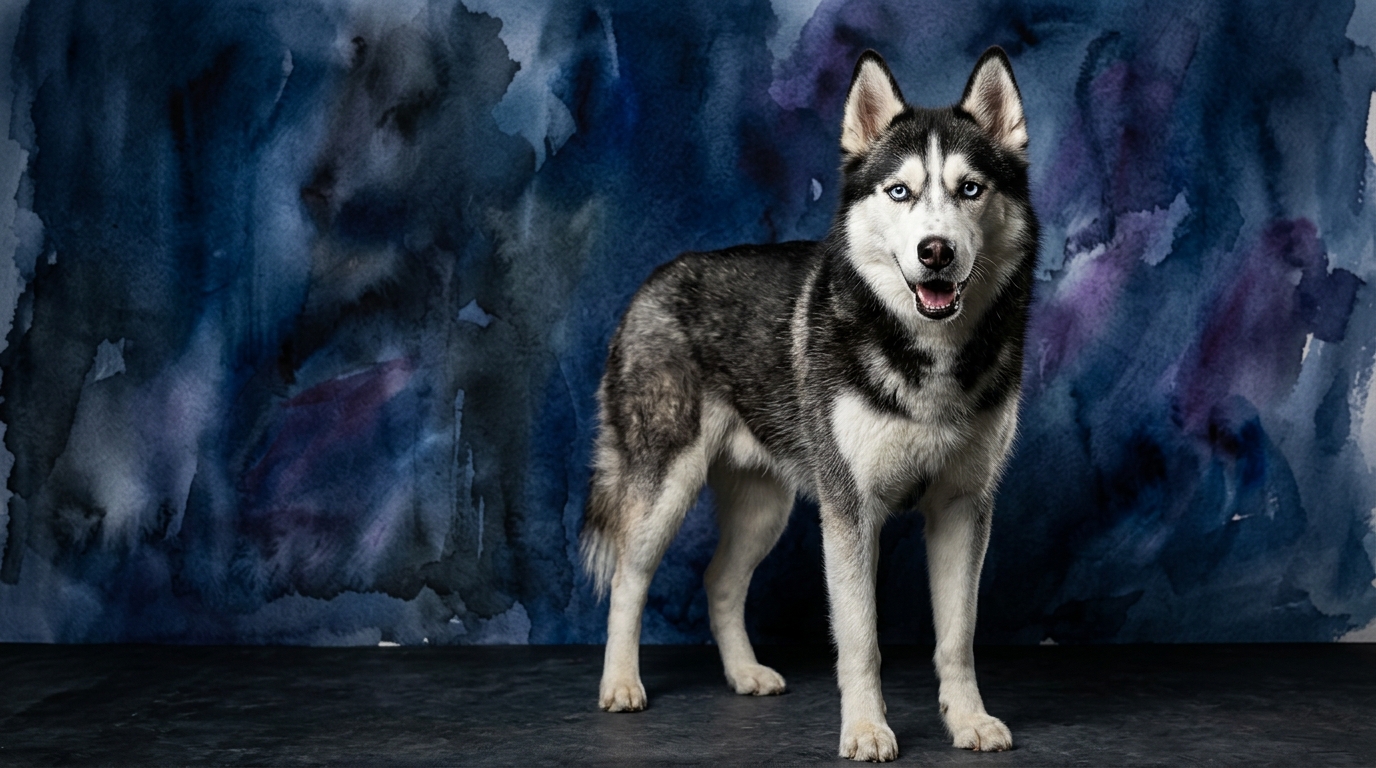
The Cosmic Pet Pet IQ Lab employs a multi-dimensional approach to assess canine cognition, moving beyond single-score rankings to reveal a more nuanced understanding of a breed's mental makeup. For the Siberian Husky, a Working group dog with a Coren rank of #45, its profile showcases a robust Problem Solving ability at 4/5, indicating a capacity for complex thought and independent decision-making. Its Training Speed, however, is a moderate 2/5, suggesting a need for patience and engaging methods. Social Intelligence stands at 3/5, reflecting its pack-oriented nature, while an Instinctive Drive of 5/5 highlights its deep-seated urges for pulling, roaming, and prey pursuit. Finally, its Memory is strong at 4/5, crucial for navigating vast territories and remembering complex commands.
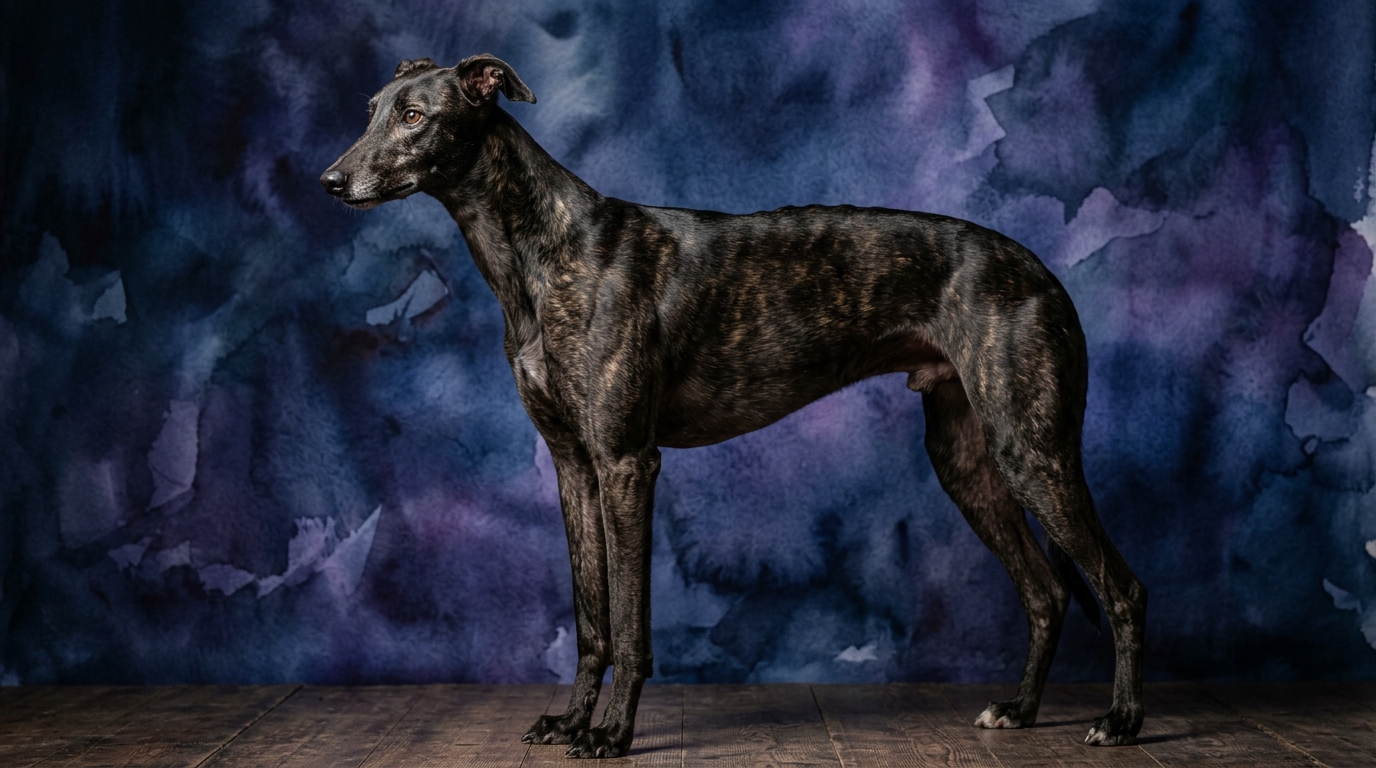
In contrast, the Greyhound, a Hound group dog ranked #46 by Coren, presents a slightly different cognitive blueprint. Its Problem Solving ability is rated 3/5, indicating a more direct approach to challenges rather than intricate solutions. Like the Husky, its Training Speed is 2/5, emphasizing that neither breed is a push-button trainee. Social Intelligence matches the Husky at 3/5, showing a general amiability but often with a reserved demeanor. The Greyhound also shares a perfect 5/5 for Instinctive Drive, but here, it’s primarily channeled into an overwhelming urge to chase and sprint. Its Memory score is 3/5, sufficient for routines and basic commands but perhaps less for complex, multi-stage tasks.
Where the Siberian Husky's Mind Shines
The Siberian Husky’s primary cognitive advantage lies in its exceptional Problem Solving capacity, rated 4/5. This isn't merely about understanding simple commands; it's about evaluating situations, devising strategies, and often, outsmarting its human companions. Their historical role as sled dogs required them to make independent decisions on the trail, navigating challenging terrain and adverse weather without constant human direction. This bred a mental agility that allows them to figure out how to open latches, scale fences, or strategize to acquire a desired object, often with remarkable ingenuity.
Complementing their problem-solving prowess is their robust Memory, scoring 4/5. A Husky can recall complex routes, remember multiple command sequences, and learn from past experiences with impressive retention. This strong memory isn't just for tricks; it's a critical component of their survival and working heritage, enabling them to retain knowledge about their environment, pack dynamics, and the consequences of their actions. This combination of high problem-solving and strong memory makes them formidable thinkers, often perceived as 'clever' or 'cunning' by their owners.
Where the Greyhound's Cognition Excels
While the Greyhound's Problem Solving score (3/5) is lower than the Husky's, its cognitive strengths are perfectly aligned with its evolutionary purpose: speed and pursuit. The Greyhound's Instinctive Drive, a perfect 5/5, is a testament to a mind singularly focused and efficient in its primary task. This drive isn't just physical; it's a cognitive state of intense concentration, rapid target acquisition, and immediate, precise execution. When a Greyhound spots something to chase, its brain processes that stimulus with incredible speed and directs an unparalleled physical response.
The Greyhound's cognitive efficiency is further demonstrated in its directness. Unlike the Husky's tendency to explore multiple solutions, the Greyhound's mind is wired for the most direct path to its goal, especially when that goal involves motion. This translates into a focused, less complicated approach to their environment. Their memory (3/5) is sufficient for learning routines and recognizing familiar faces, but their mental energy is less invested in complex, multi-stage retention and more on the immediate, sensory-driven information critical for their hunting lineage.
Training: A Test of Patience for Both
Neither the Siberian Husky nor the Greyhound earns high marks for Training Speed, both scoring 2/5, indicating that neither breed is inherently 'easy' to train. The challenges, however, stem from different cognitive roots. Siberian Huskies are often described as independent and even stubborn. Their high Problem Solving ability can sometimes be directed towards finding ways to avoid commands or test boundaries, rather than simply complying. Their strong Instinctive Drive (5/5) for roaming and pulling means that consistent, engaging, and positive reinforcement is essential to channel their energies productively and prevent them from using their intelligence to 'escape' training.
Greyhounds, while perhaps not as 'cunning' in their resistance as Huskies, present their own training hurdles. Their independent nature, combined with a sensitive disposition, means harsh training methods are ineffective and detrimental. Their overwhelming Instinctive Drive (5/5) for chasing is the paramount challenge, making recall in an unsecured area notoriously difficult. A Greyhound's focus can be entirely consumed by a moving target, overriding any learned commands. Effective training for both breeds requires understanding these inherent cognitive biases: for the Husky, it's about making training more engaging than their independent thought; for the Greyhound, it's about managing their powerful prey drive and building trust through gentle methods.
Lifestyle Match: Active vs. Relaxed Owners
When considering an active lifestyle, both breeds demand significant physical outlets, but their exercise needs differ in quality. The Siberian Husky is the quintessential companion for the continuously active owner. Their Working group heritage and 5/5 Instinctive Drive for sustained effort mean they thrive on long runs, hikes, and even sledding or cani-cross. Their high Problem Solving and Memory scores also mean they require substantial mental stimulation through varied environments, puzzle toys, and consistent training challenges. An owner who can provide daily, vigorous, and varied exercise, along with mental engagement, will find a Husky to be a fulfilling partner.
The Greyhound, while also possessing a 5/5 Instinctive Drive, expresses this drive in bursts. They are built for explosive sprints, requiring access to a securely fenced area where they can run at full speed for short periods. After these exhilarating sprints, Greyhounds are famously content to lounge, often earning them the nickname '45-mph couch potatoes.' While they need daily exercise, the *type* of activity is different from a Husky's sustained endurance. Therefore, a Greyhound can suit an owner who enjoys dedicated, intense bursts of play followed by long periods of relaxed companionship, making them surprisingly adaptable to more 'relaxed' indoor lifestyles, provided their sprint needs are met and their strong prey drive is managed.
The Verdict
Choose a Siberian Husky if you are an experienced owner who thrives on intellectual challenges, enjoys rigorous, sustained outdoor adventures, and is prepared for a cunning, independent companion that requires secure containment and consistent mental engagement.
Opt for a Greyhound if you appreciate a calm, gentle indoor companion that requires dedicated access to safe, enclosed spaces for explosive sprints, understand and manage a powerful prey drive, and prefer a sensitive dog that responds best to calm, positive reinforcement.
🧠 Find Your Pet's IQ Score
Our Pet IQ Lab assessment covers 25+ tests across 5 cognitive dimensions — personalized to your breed.
Take the Full IQ Test →Frequently Asked Questions
Are Greyhounds hard to train?
Greyhounds can be challenging due to their independent nature and strong prey drive. They are sensitive and respond best to positive reinforcement, requiring patience and consistency, especially with recall where their chase instinct can override commands.
Do Siberian Huskies need a lot of mental stimulation?
Absolutely. Huskies are highly adept at problem-solving and can become destructive if their keen minds aren't engaged. They benefit immensely from puzzle toys, advanced training challenges, and varied environments that stimulate their innate curiosity and intelligence.
Which breed is better with other pets?
Both breeds possess strong prey drives, so careful introductions and supervision are crucial, especially with smaller animals. Huskies often integrate well into multi-dog households due to their pack mentality, while Greyhounds can coexist peacefully but may require more management around very small, fast-moving pets.