Side-by-Side IQ Profile: Siberian Husky vs. Harrier
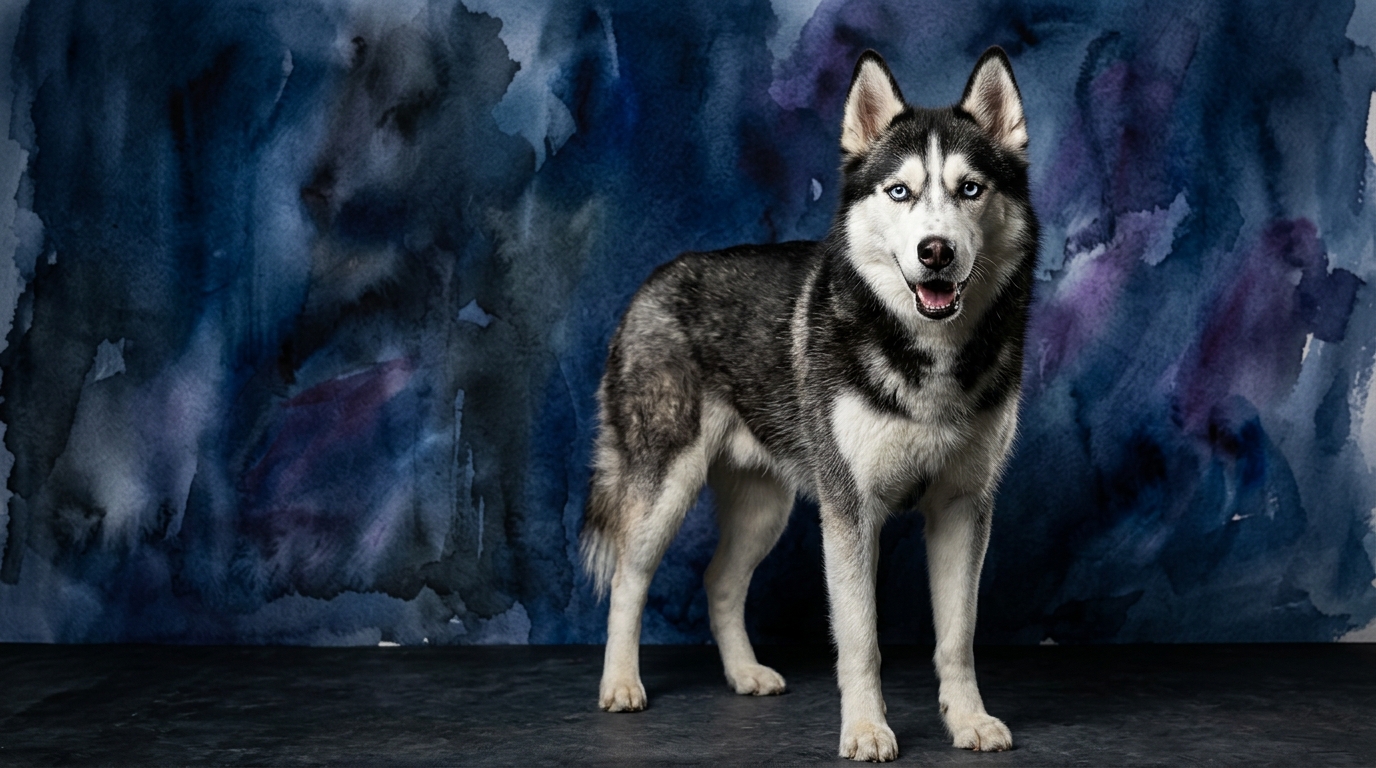
The Cosmic Pet Pet IQ Lab employs a five-dimensional framework to assess canine intelligence, offering a granular view beyond generic labels. For the Siberian Husky, a breed often celebrated for its working lineage, we see a distinct cognitive blueprint. Their Problem Solving is rated at 4/5, indicating a strong capacity to strategize and navigate complex situations independently. Training Speed, however, registers at 2/5, suggesting a more self-directed learning approach rather than eager obedience. Social Intelligence stands at 3/5, reflecting their ability to understand and interact within social structures, albeit often with an independent streak. A robust Instinctive Drive of 5/5 highlights their profound genetic programming for activities like pulling and endurance, while Memory, at 4/5, points to an excellent recall of routines, commands, and spatial awareness.
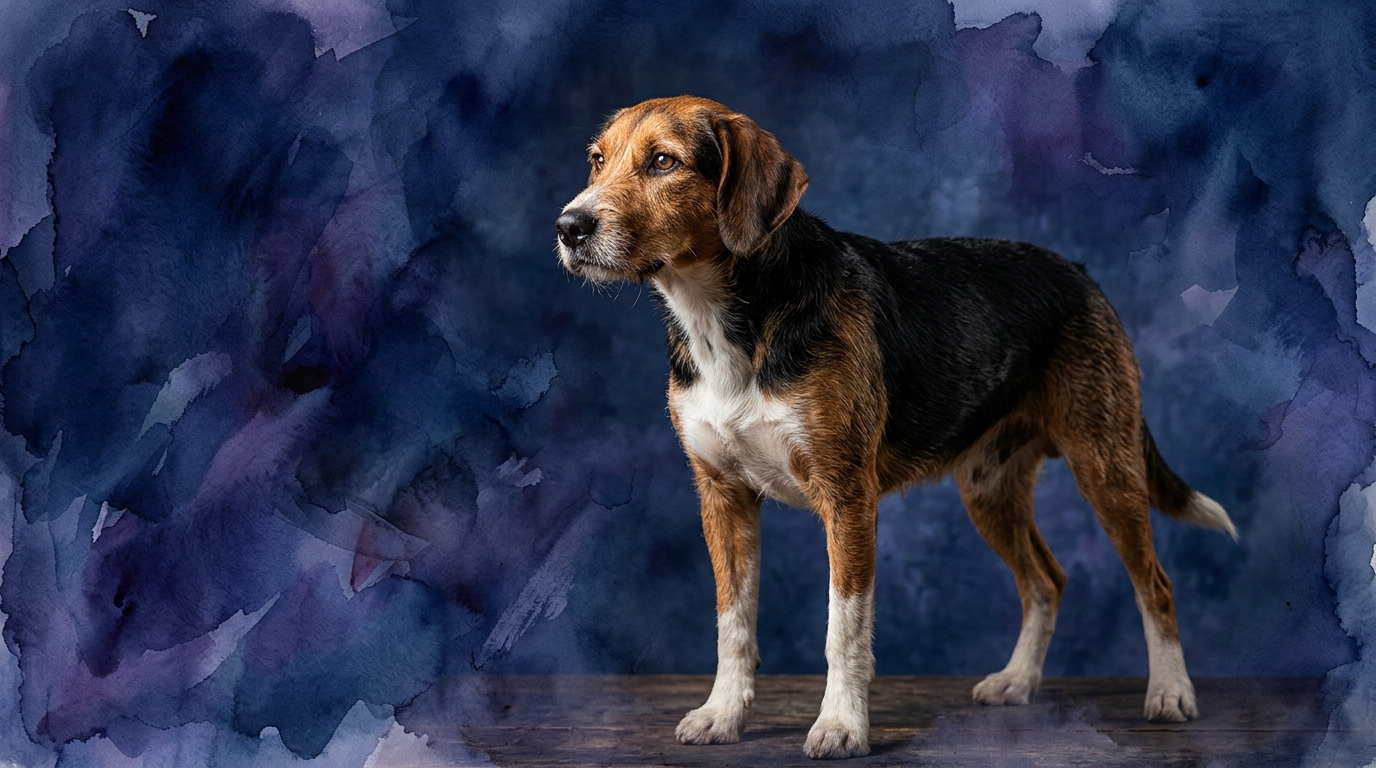
The Harrier, a lesser-known but equally captivating hound, presents a different cognitive landscape. Their Problem Solving score is 3/5, indicating competence in navigating challenges, though perhaps with less independent innovation than the Husky. Training Speed is 3/5, suggesting a moderate willingness to learn and respond to instruction, often amenable to consistent positive reinforcement. Social Intelligence matches the Husky at 3/5, reflecting a solid understanding of pack dynamics and human interaction, characteristic of a cooperative hunting breed. Instinctive Drive is 3/5, a balanced score that denotes a significant drive for scent work and pursuit, yet not as overwhelming as the Husky's relentless energy. Finally, Memory for the Harrier is 3/5, indicating a reliable capacity to remember tasks and associations, though perhaps not with the Husky's exceptional detail.
Where the Siberian Husky Wins Cognitively
The Siberian Husky undeniably excels in areas demanding independent thought and inherent drive. Their Problem Solving score of 4/5 means they are adept at figuring things out on their own, whether it's opening a gate, finding a way around an obstacle, or devising strategies to reach a desired object. This isn't about following instructions; it's about active mental engagement with their environment to achieve a goal. This cognitive strength, combined with their 5/5 Instinctive Drive, makes them exceptional at tasks requiring sustained effort and purpose, such as pulling sleds or navigating vast terrains, where their ancestral programming for endurance and self-sufficiency comes to the fore.
Furthermore, the Husky's Memory, rated at 4/5, provides them with a detailed recollection of their surroundings, routines, and past experiences. This can manifest as remembering complex routes on a walk, the precise location of hidden toys, or the sequence of events leading to a reward. This superior memory supports their problem-solving abilities, allowing them to draw upon past successes and failures to inform future actions, making them highly adaptable in certain contexts, even if those contexts are self-directed rather than handler-directed.
Where the Harrier Wins Cognitively
While the Harrier's cognitive profile might appear more moderate compared to the Husky's peaks, it offers distinct advantages, particularly in its balanced approach to learning and interaction. The Harrier's Training Speed of 3/5, compared to the Husky's 2/5, signifies a greater willingness and aptitude for formal instruction. This slight edge means Harriers are generally more receptive to commands and more eager to form cooperative working relationships with their handlers, making the initial stages of obedience training potentially smoother and less challenging for the average owner.
Their balanced Instinctive Drive (3/5) also contributes to a more manageable cognitive experience for owners. While they possess a strong drive for scent and pursuit, it is typically less overwhelming than the Husky's boundless energy and independent will. This balance means Harriers are often more content with structured activities and can integrate into family life with a more predictable temperament, making their cognitive strengths lie in their cooperative nature and capacity for sustained, directed work within a team, characteristic of their hound heritage.
Which is Easier to Train and Why?
When considering ease of training, the Harrier holds a distinct advantage over the Siberian Husky. The Harrier's Training Speed of 3/5 indicates a moderate willingness to learn and respond to commands, often driven by their desire to work cooperatively within a 'pack' structure. Their hound nature means they can be distracted by scents, but with consistent positive reinforcement and clear communication, they are generally receptive to instruction and aim to please their handler. This makes them more amenable to traditional obedience training methods and more likely to perform learned behaviors reliably.
The Siberian Husky, with a Training Speed of 2/5, presents a greater challenge. Their strong independent problem-solving skills and high instinctive drive mean they are often more interested in pursuing their own objectives than in strictly adhering to human commands. They are not necessarily incapable of learning, but they are notorious for evaluating whether a command aligns with their current desires, often choosing to ignore it if it doesn't. Training a Husky requires immense patience, creativity, and a deep understanding of their unique motivations, often relying on making training feel like a game or a self-directed challenge rather than rote obedience.
Which Suits Active Owners vs. Relaxed Owners?
The Siberian Husky is unequivocally suited for highly active owners who thrive on challenges and appreciate an independent spirit. Their 5/5 Instinctive Drive necessitates significant physical exertion, whether it's daily long runs, sledding, skijoring, or extensive hiking. Without sufficient outlets for their energy and problem-solving minds, they can become destructive or vocal. Owners must be prepared for a companion that requires consistent mental stimulation to channel their considerable cognitive strengths and prevent boredom-induced behaviors. A relaxed owner would quickly find themselves overwhelmed by a Husky's demands.
The Harrier, while also requiring an active lifestyle, offers a more balanced fit for owners seeking an energetic companion without the Husky's extreme independence. Their 3/5 Instinctive Drive means they need regular exercise, such as long walks, jogs, or engaging in scent work, but their needs are generally more manageable than a Husky's. Harriers enjoy being part of family activities and are often content with a good run followed by a relaxed evening indoors. They suit active owners who enjoy outdoor pursuits and want a cooperative partner, but perhaps not the intense, often self-directed mental and physical demands of a Siberian Husky.
The Verdict
Choose the Siberian Husky if you are an experienced, highly active owner who values an independent, problem-solving companion and can meet their extensive physical and mental demands with creative training.
Choose the Harrier if you are an active owner seeking a cooperative, biddable companion for outdoor adventures, appreciative of a balanced drive and moderate trainability.
🧠 Find Your Pet's IQ Score
Our Pet IQ Lab assessment covers 25+ tests across 5 cognitive dimensions — personalized to your breed.
Take the Full IQ Test →Frequently Asked Questions
Are Siberian Huskies difficult to live with?
Siberian Huskies can be challenging due to their high energy, independent nature, and strong prey drive. They require consistent exercise, mental stimulation, and secure containment to prevent escape attempts, which stems from their significant problem-solving skills and instinctive drive.
Do Harriers make good family pets?
Harriers generally make good family pets for active households, as they are social, good with children, and enjoy being part of family activities. Their balanced temperament and moderate social intelligence make them adaptable, though their need for exercise and tendency to follow scents must be managed.
Which breed sheds more, the Siberian Husky or the Harrier?
The Siberian Husky typically sheds significantly more than the Harrier, especially during their twice-yearly 'blow' of their thick double coat. Harriers have a shorter, denser coat that sheds moderately year-round, but it does not compare to the volume of hair produced by a Husky.