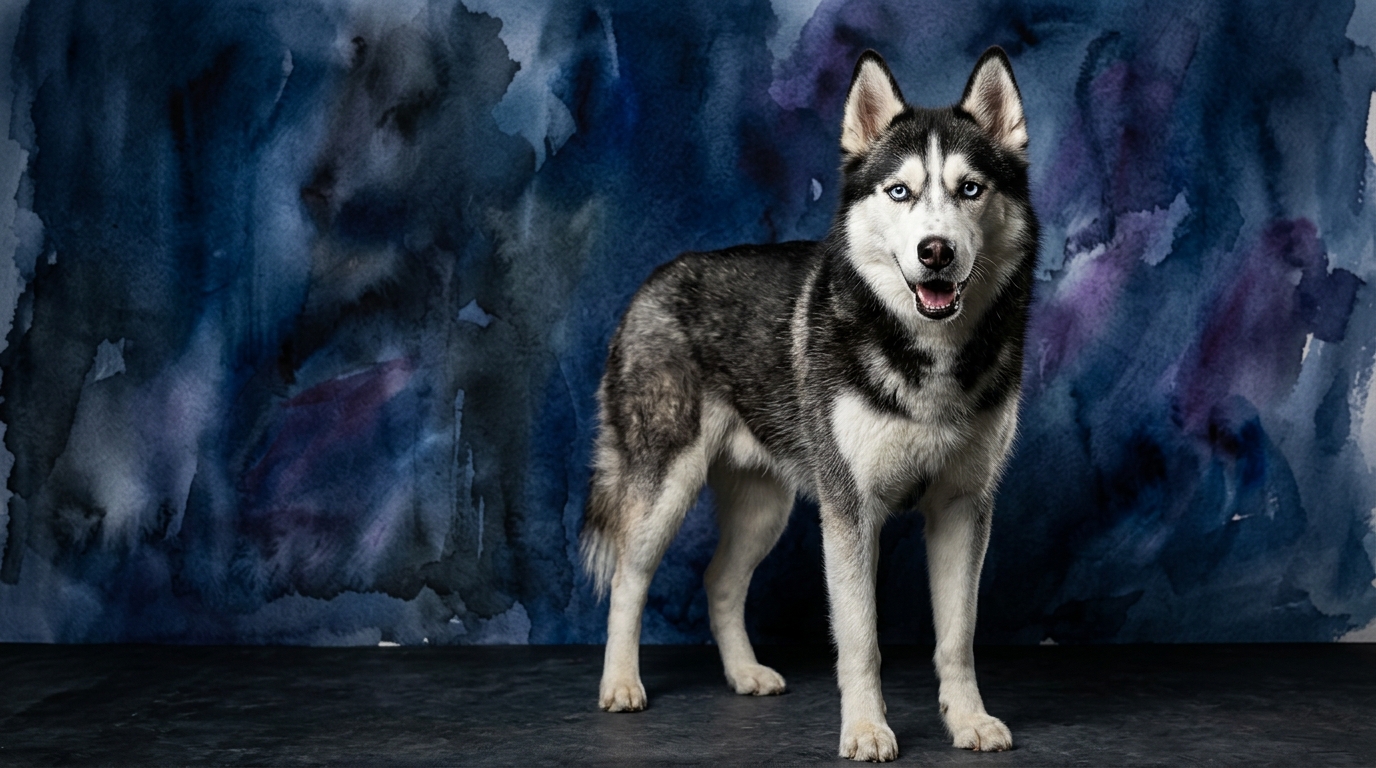
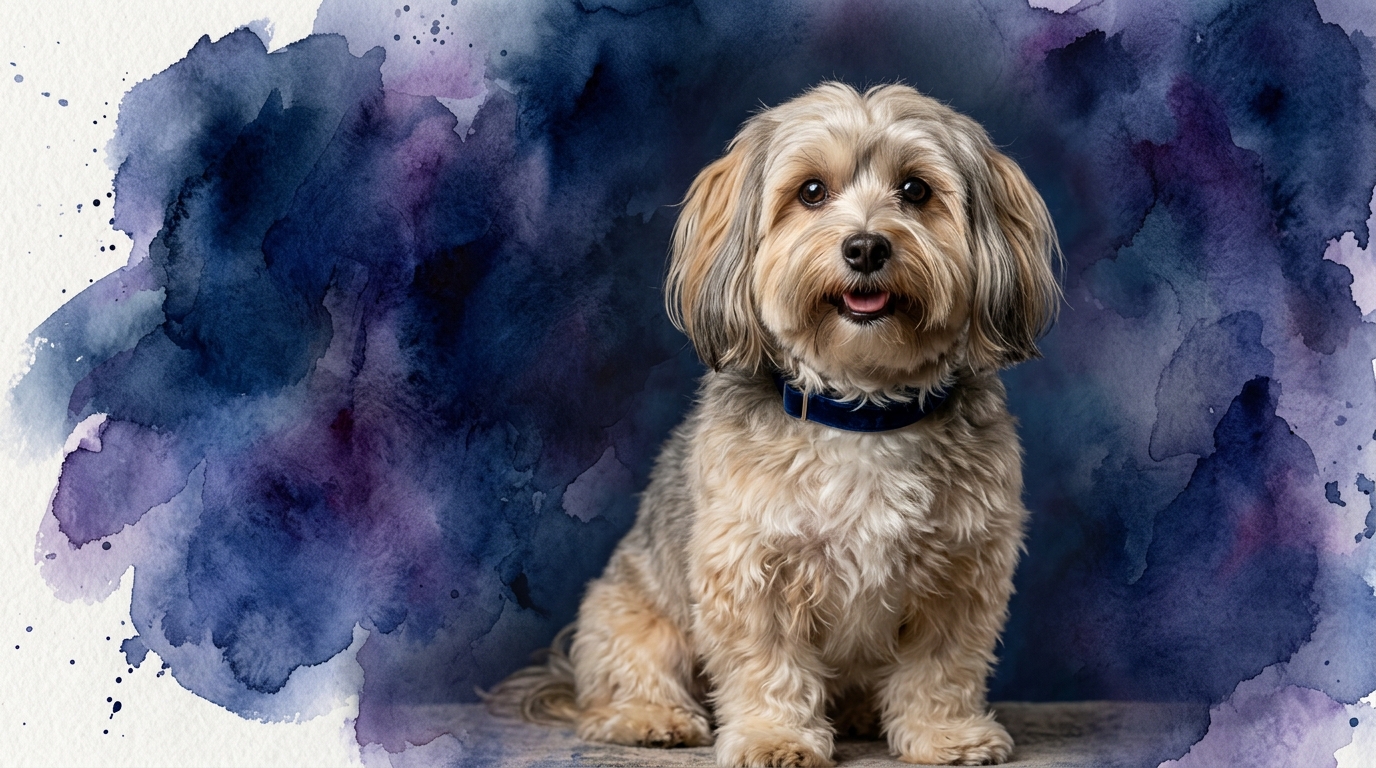
Side-by-Side Cognitive Profile: Siberian Husky vs. Havanese
The Cosmic Pet Pet IQ Lab provides a structured way to assess different facets of canine cognition. For the Siberian Husky, a Working group dog, its Coren rank is #45, indicating a respectable position among breeds in terms of working and obedience intelligence. Its profile includes Problem Solving 4/5, Training Speed 2/5, Social Intelligence 3/5, Instinctive Drive 5/5, and Memory 4/5. These scores paint a picture of a capable, independent thinker with strong natural impulses.
In contrast, the Havanese, a Toy group dog, does not have a Coren rank, reflecting its primary role as a companion rather than a working or obedience specialist. Its cognitive profile shows Problem Solving 3/5, Training Speed 3/5, Social Intelligence 5/5, Instinctive Drive 2/5, and Memory 3/5. This suggests a dog with a different set of strengths, particularly excelling in interpersonal dynamics and adaptability within a family setting.
Breaking down the Siberian Husky's scores: its 4/5 in Problem Solving highlights a strong capacity for independent thought and figuring out how to achieve goals, often including creative ways to overcome obstacles. A 2/5 in Training Speed indicates that while capable of learning, they often require more compelling motivation and patience, as their independent nature can make rote obedience less appealing. Their 3/5 Social Intelligence means they understand human cues moderately well, forming strong bonds but perhaps not with the nuanced sensitivity of other breeds. The 5/5 for Instinctive Drive reflects their powerful, innate urge to run, pull, and explore, a direct link to their sled dog heritage. Finally, a 4/5 in Memory suggests a good ability to retain information about their environment, routines, and past experiences.
For the Havanese, a 3/5 in Problem Solving indicates a moderate ability to navigate challenges, often leaning on their human companions for guidance or solving problems related to social interaction. Their 3/5 Training Speed means they are moderately receptive to learning, often motivated by positive reinforcement and the desire to engage with their family. The standout 5/5 in Social Intelligence signifies an exceptional capacity to read and respond to human emotions and social cues, making them highly empathetic and adaptable companions. A 2/5 in Instinctive Drive suggests their primary motivations are not rooted in strong working or predatory urges but rather in social connection. A 3/5 in Memory indicates a reliable ability to recall commands, routines, and social interactions within their daily life.
Where the Siberian Husky Excels Cognitively
The Siberian Husky undeniably excels in areas demanding independence and robust physical and mental resilience. Their 4/5 Problem Solving score means they are adept at navigating complex environments and figuring out solutions to challenges on their own terms. This might manifest as opening gates, finding ways around barriers, or devising strategies to acquire a desired toy. This cognitive strength is a direct inheritance from their role as self-sufficient sled dogs, where decision-making without constant human direction was crucial for survival.
Furthermore, their 5/5 Instinctive Drive is a profound cognitive asset when channeled appropriately. This intense internal motivation to run, explore, and engage in purposeful activity means they possess an inherent engine for sustained effort. While sometimes perceived as stubbornness in training, this drive, when directed towards activities like pulling, agility, or extensive hiking, allows them to perform with unwavering focus and endurance, making them exceptional partners for active pursuits that tap into their natural inclinations.
Their 4/5 Memory supports these strengths, enabling them to retain complex routes, learn from environmental feedback, and remember the outcomes of their problem-solving attempts. This strong recall allows them to master intricate sequences for tasks or remember which routes are most efficient for exploring, contributing to their overall cognitive effectiveness in independent, task-oriented scenarios.
Where the Havanese Shines Cognitively
The Havanese truly shines in the realm of social cognition and adaptability within a domestic setting. Their exceptional 5/5 Social Intelligence is their most prominent cognitive strength, allowing them to form deep, nuanced connections with their human companions. This means they are highly attuned to subtle shifts in tone, body language, and emotional states, often preemptively adjusting their behavior to maintain harmony and provide comfort. This profound empathy makes them intuitive and responsive family members, capable of understanding and reflecting their owners' moods.
Their moderate 3/5 Problem Solving, while not as independently driven as a Husky's, is often applied to social contexts, such as figuring out how to gain attention or elicit a desired response from their human. They might strategically bring a toy or offer a gentle nudge, demonstrating a social problem-solving ability focused on interaction rather than environmental manipulation. This makes them highly effective at communicating their needs and desires within a family unit.
The Havanese's 3/5 Training Speed, while not lightning-fast, is often supported by their high social intelligence. Their desire to engage and please their family can make them eager participants in training sessions, especially when positive reinforcement and social interaction are central. They respond well to consistent, gentle guidance, thriving in environments where learning is a shared, positive experience, reinforcing their role as cherished companions.
Which Breed is Easier to Train and Why?
When comparing training ease, the Havanese (Training Speed 3/5) generally presents a more straightforward experience for the average owner than the Siberian Husky (Training Speed 2/5). The Havanese's moderate training speed is bolstered by its exceptional social intelligence and desire for connection. They are often motivated by praise and the opportunity to interact positively with their family, making them more receptive to learning commands and routines when training is engaging and consistent.
In contrast, the Siberian Husky's lower training speed is a direct reflection of its independent problem-solving ability and high instinctive drive. Huskies are not inherently driven to please humans through rote obedience; they are more likely to question the purpose of a command or assess its value to themselves. This means training often requires more creativity, patience, and a deep understanding of their motivations. While they can learn complex tasks, their compliance is often conditional, making them a greater challenge for first-time dog owners or those seeking a highly obedient companion without significant commitment to specialized training methods.
Real behavioral differences highlight this: a Havanese might quickly learn to sit for a treat, eager for the social exchange, whereas a Husky might perform the same command but only if they perceive a worthwhile reward or if it aligns with their current interest, potentially ignoring it if a more compelling distraction arises. The Havanese's inclination to work alongside its human, contrasted with the Husky's tendency to work for its own objectives, defines their respective training trajectories.
Suitability for Active vs. Relaxed Owners
The cognitive profiles of these two breeds clearly delineate their suitability for different owner lifestyles. The Siberian Husky, with its 5/5 Instinctive Drive and 4/5 Problem Solving, is an ideal match for highly active owners who can provide consistent, engaging outlets for its physical and mental energy. Owners who thrive on outdoor adventures, such as long-distance running, hiking, or even dog sledding, will find a Husky to be an unparalleled companion. Their cognitive need for challenge and purpose means they require owners who are prepared to harness their drives and independence, rather than suppress them.
Conversely, the Havanese, with its 5/5 Social Intelligence and 2/5 Instinctive Drive, is perfectly suited for more relaxed owners seeking a devoted, interactive companion. Their cognitive strengths lie in forming deep social bonds and adapting to a family's rhythm, rather than requiring intense physical exertion. While they enjoy walks and play, their primary need is for companionship and mental engagement through social interaction, puzzle toys, and positive reinforcement training. They thrive in environments where they are central to family life and receive consistent affection and attention, making them excellent choices for those who prefer cozy evenings to rugged expeditions.
The Verdict: When to Choose Each Breed
Choosing between a Siberian Husky and a Havanese hinges fundamentally on an owner's lifestyle, expectations, and willingness to engage with distinct canine cognitive landscapes. Both breeds offer unique rewards, but their mental makeups demand different approaches to care and companionship.
For the owner who is an avid outdoors enthusiast, enjoys a cognitive challenge in training, and appreciates a dog with strong independent thought and an unmatched drive for activity, the Siberian Husky is an excellent choice. This breed thrives with consistent mental and physical stimulation that respects its working heritage and innate problem-solving abilities, making it a partner for adventure.
For the owner seeking a devoted, empathetic companion who excels in social interaction and adapts seamlessly to family life, the Havanese is the superior option. This breed flourishes with ample companionship, gentle training that leverages its desire for connection, and a household that values its exceptional social intelligence and affectionate nature.
The Verdict
Choose a Siberian Husky if you are an active individual or family seeking a mentally stimulating challenge, prepared to channel a powerful instinctive drive into adventures and independent problem-solving tasks.
Opt for a Havanese if you desire a highly social, empathetic companion who thrives on close interaction and adapts readily to a relaxed family lifestyle, excelling in understanding human cues.
🧠 Find Your Pet's IQ Score
Our Pet IQ Lab assessment covers 25+ tests across 5 cognitive dimensions — personalized to your breed.
Take the Full IQ Test →Frequently Asked Questions
Is a Siberian Husky difficult to train?
Siberian Huskies have a Training Speed of 2/5 due to their independent nature and strong instinctive drives. They are not inherently eager to please through rote obedience, often requiring creative, patient, and highly motivating training methods from an owner who understands their cognitive independence.
How does Havanese social intelligence benefit owners?
A Havanese's 5/5 Social Intelligence means they are exceptionally attuned to human emotions and social cues, making them highly empathetic and responsive companions. This allows them to adapt their behavior to family dynamics, provide comfort, and foster harmonious, intuitive relationships with their owners.
Which breed requires more mental stimulation?
Both breeds benefit from mental stimulation, but the Siberian Husky (Problem Solving 4/5, Instinctive Drive 5/5) generally requires more varied and challenging cognitive engagement that taps into their independent thought and working heritage. The Havanese (Social Intelligence 5/5) thrives on social interaction and puzzle-solving within a companion context.