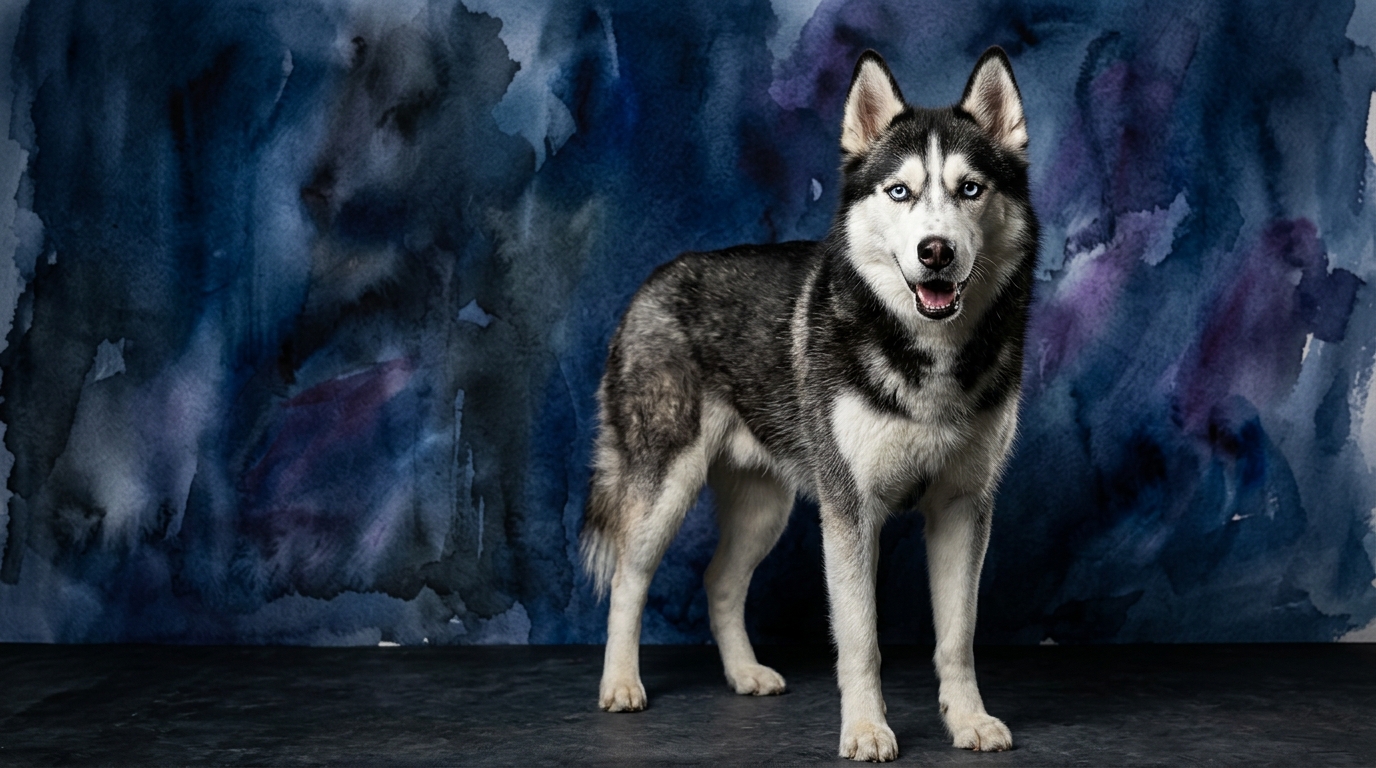
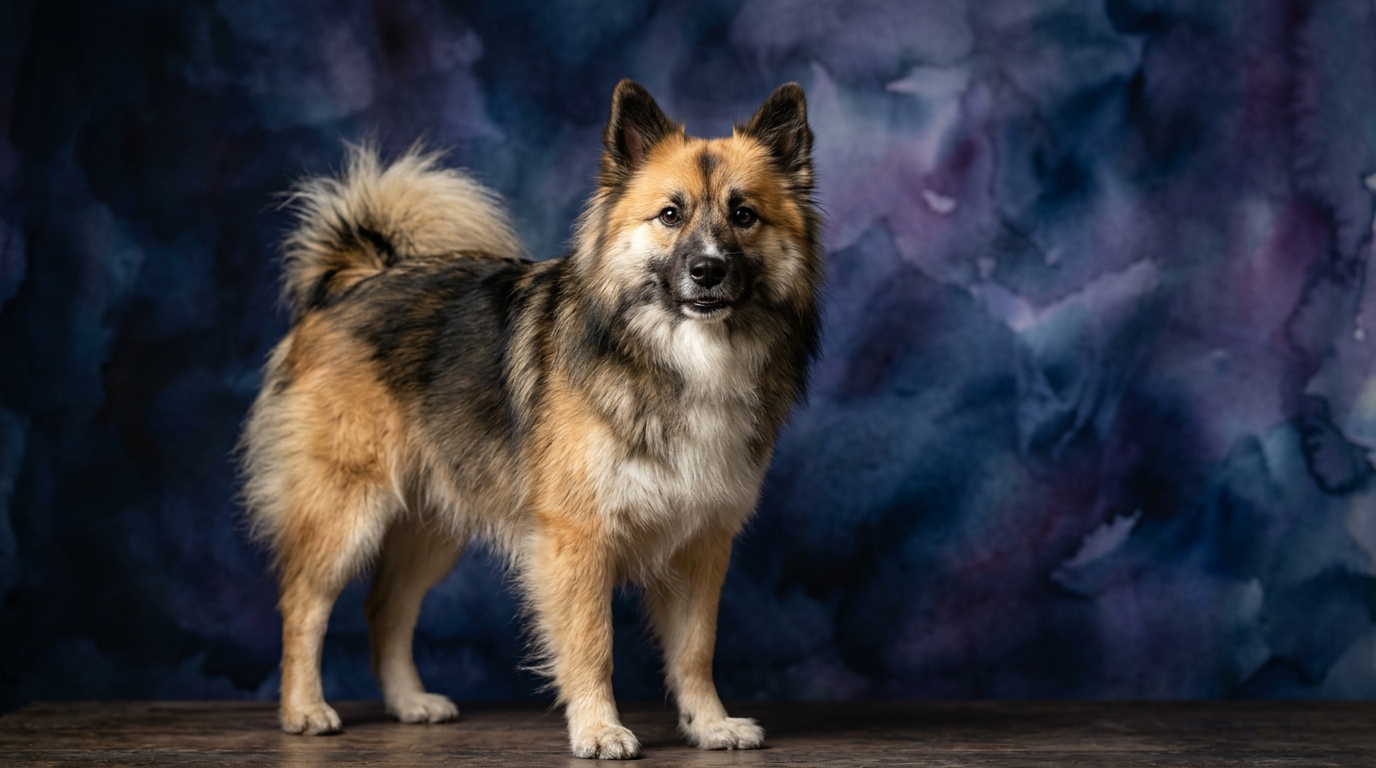
Side-by-Side Cognitive Profiles
The Cosmic Pet Pet IQ Lab employs a multi-dimensional approach to assess canine cognition, moving beyond simple obedience scores to reveal a breed's true mental aptitude. For the Siberian Husky, a breed rooted in endurance and independent work, we observe a Problem Solving score of 4/5, indicative of their resourcefulness in navigating complex environments and achieving self-directed goals. Their Training Speed is 2/5, reflecting an independent streak that prioritizes their own agenda over immediate compliance. Social Intelligence stands at 3/5, showing competence in pack dynamics but often a degree of aloofness with strangers. An exceptional Instinctive Drive of 5/5 highlights their profound need for physical exertion and purposeful work, while their Memory, rated 4/5, underpins their ability to recall routes and complex experiences.
In contrast, the Icelandic Sheepdog, a traditional herding and farm dog, presents a different cognitive blueprint. Their Problem Solving score is 3/5, demonstrating practical intelligence in managing livestock and adapting to farm life, though perhaps less focused on breaking physical barriers. Training Speed is a solid 3/5, suggesting a more biddable nature and willingness to engage with human instruction. Social Intelligence also scores 3/5, manifesting as a strong bond with family and an alert, communicative demeanor. Their Instinctive Drive is 3/5, indicating a moderate need for activity and mental engagement, often expressed through herding games and vocal alerts. Memory for the Icelandic Sheepdog is 3/5, allowing them to learn routines and recognize familiar faces and places effectively.
Where the Siberian Husky's Mind Shines
The Siberian Husky truly excels in areas demanding self-sufficiency and robust recall, reflecting their heritage as long-distance sled dogs. Their Problem Solving score of 4/5 often translates into remarkable ingenuity, particularly when it comes to navigating their environment. Owners frequently report Huskies figuring out latches, gates, and even complex escape routes, showcasing a persistent, goal-oriented cognitive approach to overcoming obstacles. This isn't just mischief; it's a deep-seated drive to achieve what they perceive as their objective.
Furthermore, the Husky's Instinctive Drive, rated a perfect 5/5, is a profound cognitive strength. This isn't merely about physical stamina; it represents an innate mental programming for sustained effort and purpose. Their minds are wired for endurance, for pulling, and for covering vast distances, making them uniquely suited for activities like mushing, skijoring, or long-distance trail running. This powerful drive requires consistent mental and physical outlets to prevent boredom-induced behaviors. Coupled with a Memory score of 4/5, Huskies can recall specific routes, past interactions, and complex sequences of events, which was critical for their historical role in leading teams across featureless expanses.
Cognitive Strengths of the Icelandic Sheepdog
While the Icelandic Sheepdog may not boast the same raw problem-solving prowess for physical escapes as the Husky, their cognitive strengths lie in their nuanced social engagement and responsiveness. With a Training Speed of 3/5 compared to the Husky's 2/5, the Icelandic Sheepdog generally demonstrates a greater eagerness to please and a quicker aptitude for learning new commands. Their herding background has fostered a willingness to work collaboratively with humans, making them more amenable to structured training sessions and less prone to the independent decision-making that characterizes the Husky.
Their Social Intelligence, also rated 3/5, manifests differently; the Icelandic Sheepdog is typically more attuned to their human family's emotions and desires, often seeking out companionship and interaction. This makes them highly responsive to social cues, fostering a strong bond that can enhance their trainability and willingness to cooperate. Their cognitive focus is on awareness, communication (often vocal), and the well-being of their 'flock' – whether that's sheep or their human family.
Which Breed is Easier to Train and Why?
When it comes to ease of training, the Icelandic Sheepdog generally holds an advantage over the Siberian Husky. The Icelandic Sheepdog's Training Speed of 3/5 is a direct reflection of their biddable nature and desire to work alongside their handler. They respond well to positive reinforcement, thriving on praise and reward-based methods. Their herding instincts, while requiring management, also mean they are predisposed to paying attention to a handler's directions and cues, making them generally more focused during training sessions.
The Siberian Husky, with a Training Speed of 2/5, presents a more significant challenge. Their independence and strong will mean they often weigh the value of a command against their own inclinations. Repetitive drills can quickly lead to boredom, and their strong Instinctive Drive for exploration and self-directed activity can easily override a desire to comply. Training a Husky requires immense patience, creativity, and a deep understanding of what truly motivates them, often involving high-value rewards and making training feel like a game or an adventure rather than a chore. Their cognitive strength in problem-solving often means they'll try to outsmart the trainer if not engaged.
Matching Canine Minds to Lifestyles: Active vs. Engaged Owners
The choice between a Siberian Husky and an Icelandic Sheepdog hinges significantly on an owner's lifestyle and their capacity to meet specific cognitive and physical needs. For active owners, particularly those who embrace outdoor adventures and structured physical challenges, the Siberian Husky is an ideal companion. Their Instinctive Drive of 5/5 demands extensive, consistent exercise that taps into their endurance and desire to 'work.' Owners who enjoy running, hiking, biking, or dog sports like canicross or mushing will find a willing and capable partner in a Husky, whose mind is geared towards these demanding tasks. A Husky's cognitive need for purpose and activity means they thrive with owners who can provide consistent, high-energy outlets, lest their problem-solving skills be turned towards less desirable pursuits like escaping or redecorating the house.
The Icelandic Sheepdog, while certainly not a couch potato, better suits what we might term 'engaged' owners. With an Instinctive Drive of 3/5, they require daily walks, playtime, and consistent mental stimulation through training and interactive games. They are better suited for owners who enjoy moderate, consistent activity and prioritize close companionship and communication. These dogs thrive on being part of family life, participating in activities, and engaging in puzzles or scent work that challenge their minds without requiring the sheer physical output of a Husky. They need owners who can commit to regular mental and physical engagement, appreciating their alert and communicative nature, rather than an owner seeking a truly 'relaxed' canine.
The Verdict
Choose the Siberian Husky if you are an experienced, highly active owner who thrives on adventure and can provide consistent, rigorous physical and mental challenges for an independent, resourceful companion.
Opt for the Icelandic Sheepdog if you seek a biddable, communicative companion for moderate activity levels and enjoy consistent engagement, training, and a strong family bond.
🧠 Find Your Pet's IQ Score
Our Pet IQ Lab assessment covers 25+ tests across 5 cognitive dimensions — personalized to your breed.
Take the Full IQ Test →Frequently Asked Questions
Are Siberian Huskies difficult to live with due to their independence?
Siberian Huskies are not inherently difficult, but their independence and strong drives require a dedicated owner. Their problem-solving skills and high energy mean they need consistent mental and physical outlets to prevent boredom and destructive behaviors.
Do Icelandic Sheepdogs bark a lot?
Icelandic Sheepdogs are known for being vocal, often using barking to alert their owners to new sights or sounds, a trait stemming from their herding and guardian roles. While it's part of their nature, consistent training can help manage excessive barking.
Which breed is better for first-time dog owners?
Due to their higher training speed and more biddable nature, the Icelandic Sheepdog is generally a more forgiving and manageable choice for first-time dog owners. Siberian Huskies typically require more experience due to their strong will and intense needs.