Side-by-Side Cognitive Profiles
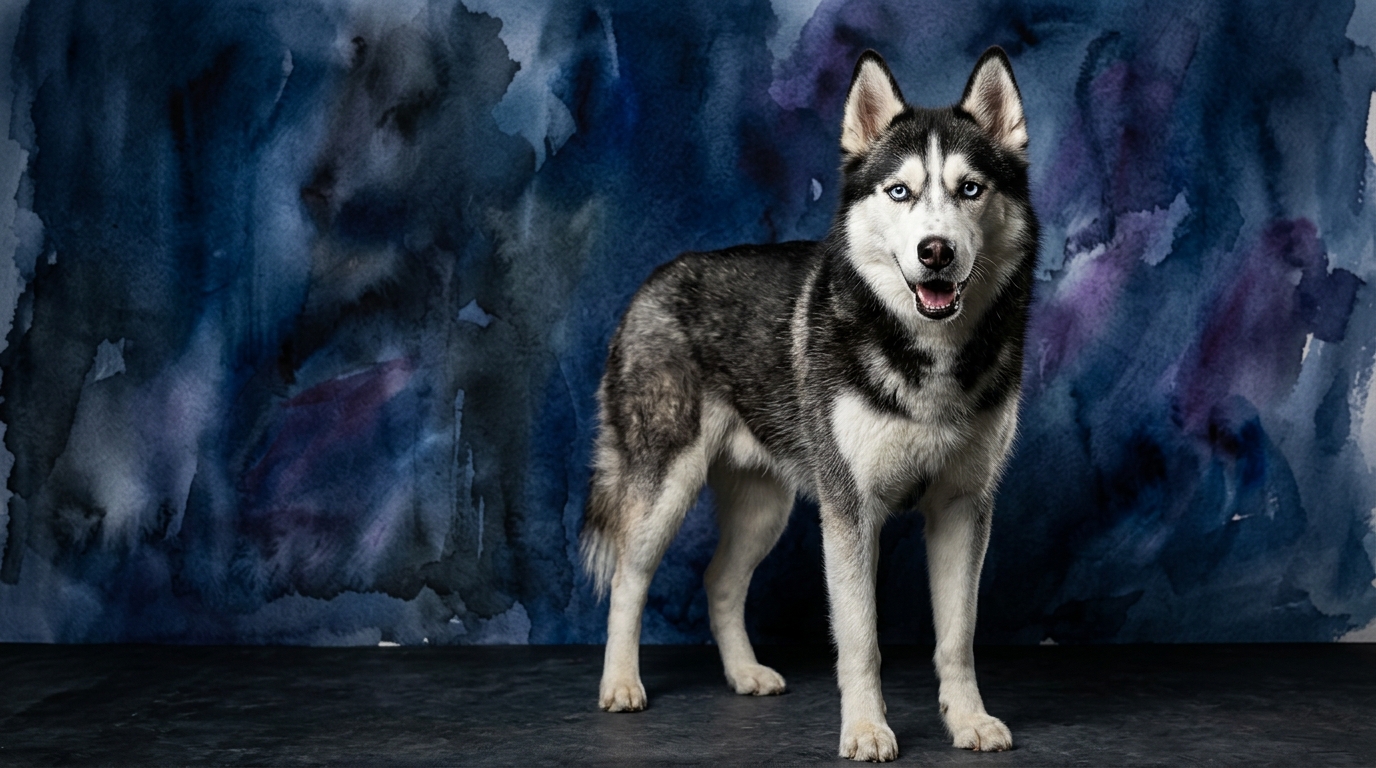
At The Cosmic Pet Pet IQ Lab, we delve into five key dimensions of canine cognition to paint a clearer picture of each breed's mental landscape. For the Siberian Husky, a Working group dog with a Coren rank of #45, these dimensions reveal a resourceful and driven mind. Their Problem Solving is rated at 4/5, indicating a strong capacity to independently figure out complex situations and navigate challenges. However, their Training Speed stands at 2/5, suggesting a slower acquisition of human-directed commands, often due to their independent nature. Social Intelligence is a moderate 3/5, meaning they understand social cues but may prioritize their own agenda. Instinctive Drive is exceptionally high at 5/5, reflecting their powerful urges for pulling, exploring, and self-directed activity. Finally, Memory is a solid 4/5, allowing them to retain experiences and spatial information effectively.
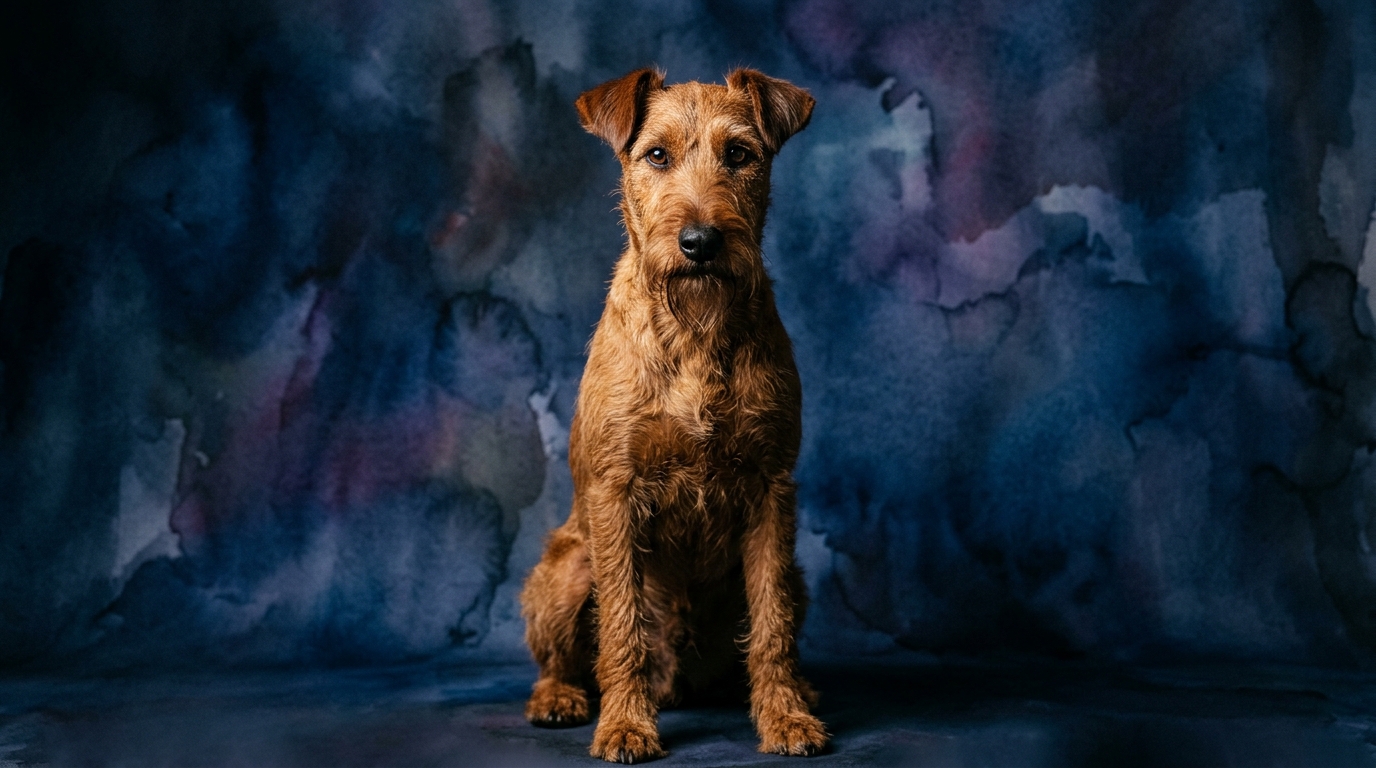
The Irish Terrier, a member of the Terrier group and not Coren-ranked, presents a balanced yet spirited cognitive profile. Their Problem Solving is rated 3/5, indicating a moderate ability to tackle new challenges, often with persistence. Training Speed is 3/5, suggesting they are receptive to learning new commands with consistent engagement. Their Social Intelligence matches the Husky at 3/5, showing a fair understanding of their human family's cues. Instinctive Drive is a moderate 3/5, reflecting typical terrier traits like digging and chasing, but without the overwhelming intensity seen in some working breeds. Memory is also 3/5, meaning they recall past events and learned behaviors reasonably well, though perhaps not with the same detail as a Husky.
Where the Siberian Husky Excels Cognitively
The Siberian Husky's cognitive strengths lie in its remarkable independence and capacity for autonomous action. Their Problem Solving score of 4/5 is a standout, enabling them to navigate complex environments, figure out latches, or devise ingenious ways to reach desired outcomes, often without direct human instruction. This translates into a dog that is highly resourceful, capable of making decisions in novel situations. Coupled with a Memory score of 4/5, Huskies can recall intricate routes and past strategies, reinforcing their ability to learn from experience and adapt to their surroundings effectively. Their unparalleled Instinctive Drive of 5/5, while challenging in a domestic setting, is a testament to their deep-seated motivation for sustained physical exertion and exploration, making them naturally suited for tasks requiring endurance and self-direction.
Where the Irish Terrier Shines Cognitively
The Irish Terrier's cognitive advantages often manifest in their more balanced approach to interaction and learning. Their Training Speed of 3/5, while not exceptionally high, is a notch above the Husky's 2/5, indicating a slightly greater willingness and aptitude for acquiring new commands and routines. This suggests they can be more responsive to formal training sessions and take cues from their handlers with a bit more alacrity. Furthermore, their moderate Instinctive Drive of 3/5, compared to the Husky's extreme 5/5, can be a cognitive benefit in a home environment. It means their natural urges for digging or chasing are present but generally less all-consuming, allowing for easier integration into varied lifestyles without the constant management of overwhelming primal needs. Their tenacity, a hallmark terrier trait, often translates into a persistent problem-solving approach, even if their raw score is slightly lower.
Training Dynamics: Siberian Husky vs. Irish Terrier
When it comes to ease of training, the Irish Terrier generally offers a more straightforward experience than the Siberian Husky. The Husky's Training Speed of 2/5 is largely influenced by their profound independence and powerful Instinctive Drive (5/5). They are not unintelligent; rather, they often perceive commands as suggestions that may or may not align with their own motivations. Their high problem-solving abilities (4/5) mean they can quickly learn how to achieve their own goals, which might not always be what their human wants. Training a Husky requires immense patience, consistency, and making lessons feel like engaging puzzles or games to capture their interest and override their natural inclination to be self-directed. They understand what you want, but their decision to comply is often self-determined.
In contrast, the Irish Terrier's Training Speed of 3/5, combined with a moderate Instinctive Drive (3/5), indicates a dog that is generally more eager to engage with its human companions in a structured learning environment. While they possess a spirited terrier tenacity that can sometimes be mistaken for stubbornness, they respond well to positive reinforcement and clear, consistent boundaries. Their problem-solving (3/5) is often directed by their desire to interact and please, making them more receptive to human guidance. The Irish Terrier's cognitive makeup allows them to learn new commands more readily and consistently, provided the training is stimulating and fair, making them a more adaptable student for many owners.
Lifestyle Match: Active vs. Relaxed Owners
The choice between a Siberian Husky and an Irish Terrier largely hinges on an owner's lifestyle and capacity for activity. Siberian Huskies are unequivocally suited for exceptionally active owners. Their extreme Instinctive Drive (5/5) for sustained physical activity means they require significant daily exercise, often in the form of long runs, hikes, or sledding. A Husky's high problem-solving ability (4/5), when combined with under-stimulation, frequently manifests as destructive behavior, escape artistry, or relentless vocalization as they seek to entertain themselves. A relaxed or sedentary owner will quickly find themselves overwhelmed by the demands of a bored and unfulfilled Husky, potentially leading to behavioral challenges. These dogs thrive with individuals or families who are committed to integrating substantial physical output into their daily lives.
The Irish Terrier, while also an active and spirited breed, suits owners who are active but perhaps not to the same extreme as those ideal for a Husky. Their moderate Instinctive Drive (3/5) means they need regular exercise, mental stimulation, and engagement to prevent boredom and undesirable behaviors like excessive digging. They enjoy vigorous play, daily walks, and opportunities to explore, but typically do not require the same mileage or endurance-based activities as a Husky. An Irish Terrier is a fantastic companion for owners who enjoy consistent daily activity and interaction, appreciate a tenacious and involved family member, and can provide structured outlets for their energy, making them a versatile choice for many active households.
The Verdict
Opt for a Siberian Husky if you are an exceptionally active individual or family, prepared to meet an immense daily exercise requirement, and appreciate a highly independent, resourceful companion who excels at problem-solving and possesses a formidable memory.
Select an Irish Terrier if you seek a spirited, tenacious companion who is generally more amenable to formal training sessions and whose moderate instinctive drives make them a versatile, active family member without the extreme endurance needs of a Husky.
🧠 Find Your Pet's IQ Score
Our Pet IQ Lab assessment covers 25+ tests across 5 cognitive dimensions — personalized to your breed.
Take the Full IQ Test →Frequently Asked Questions
Are Siberian Huskies difficult to train because of their independence?
Siberian Huskies possess a strong independent streak and formidable problem-solving skills, which can make traditional obedience training challenging. While they are capable of learning, their lower training speed and high instinctive drive mean owners must be consistent, creative, and patient, often making training feel like a partnership rather than strict command-following.
Do Irish Terriers need a lot of mental stimulation?
Absolutely. While their instinctive drive is moderate compared to a Husky, Irish Terriers are intelligent and tenacious, thriving on mental engagement. Puzzle toys, training games, and consistent interaction are vital to keep their minds occupied and prevent boredom-induced behaviors like excessive digging or chewing.
Can a Siberian Husky and an Irish Terrier live together harmoniously?
Yes, with proper introductions and management, they can. Both breeds have moderate social intelligence, but their play styles and energy levels differ. The Husky's high prey drive and the Terrier's tenacity mean supervision is crucial, especially during initial interactions, but a balanced household is achievable.