Side-by-Side Cognitive Profiles
The Cosmic Pet Pet IQ Lab assesses canine intelligence across five key dimensions, providing a nuanced understanding beyond simple obedience. For the Siberian Husky and Lakeland Terrier, these profiles illuminate their breed-specific aptitudes and challenges.
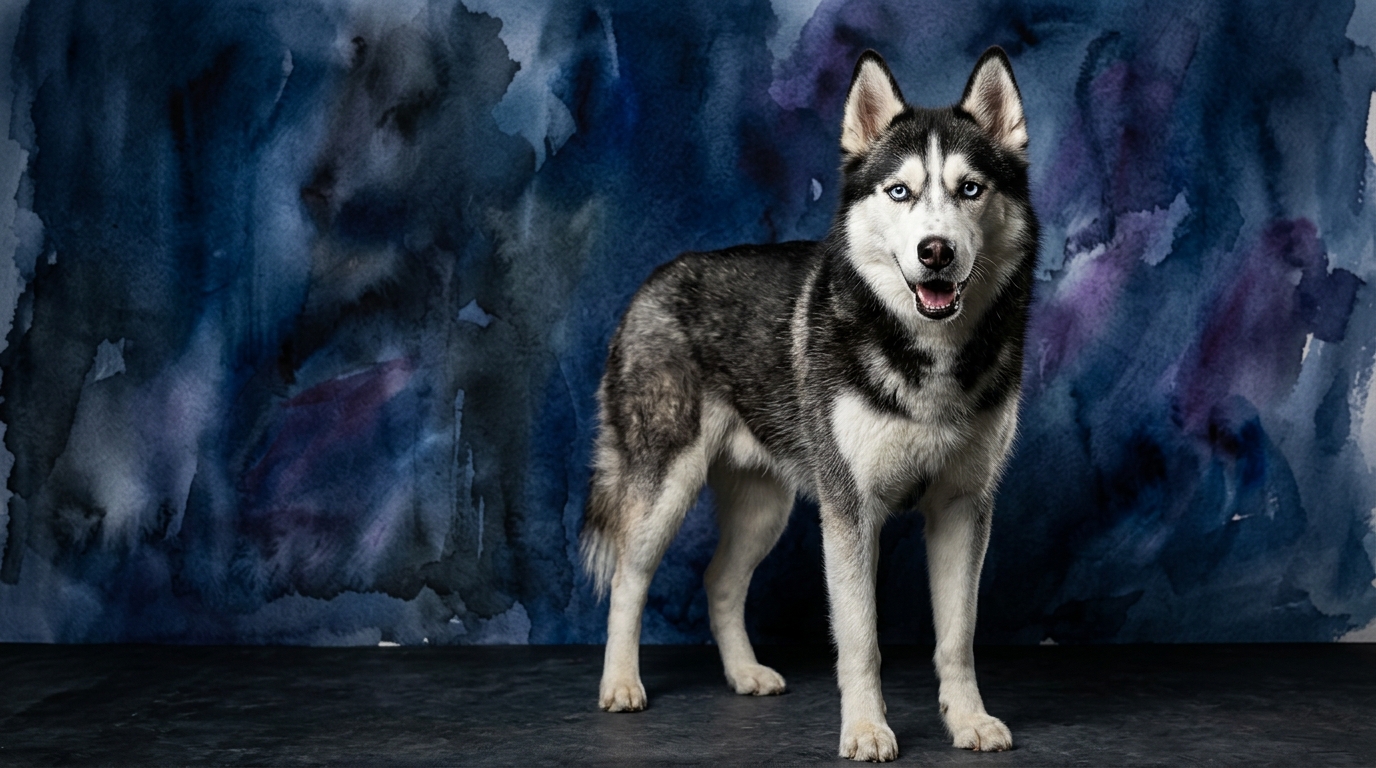
**Siberian Husky (Working Group, Coren Rank #45):** This breed’s cognitive makeup reflects its heritage as an endurance sled dog, emphasizing independence and environmental mastery. Their **Problem Solving** is rated 4/5, indicating a strong capacity for independent thought and finding creative, often self-serving, solutions to challenges like opening gates or navigating complex environments. This isn't about pleasing a human, but achieving their own goals. **Training Speed** is 2/5; while capable of learning, their independent nature and high drive mean they aren't quick to comply or eager to repeat commands, requiring patience and understanding their motivations. Their **Social Intelligence** is 3/5; generally affable and good-natured with both humans and other dogs, their social interactions are often driven by their own interests rather than a deep desire for human connection or obedience. They read social cues adequately but prioritize their instincts. An exceptionally high **Instinctive Drive** of 5/5 manifests as a powerful urge to run, explore, and hunt, a cornerstone of their being that influences all their cognitive processes. Finally, their **Memory** at 4/5 is robust, particularly for routes, locations, and past experiences, which aids their navigational prowess and ability to recall previously successful strategies for obtaining resources or escaping confinement.
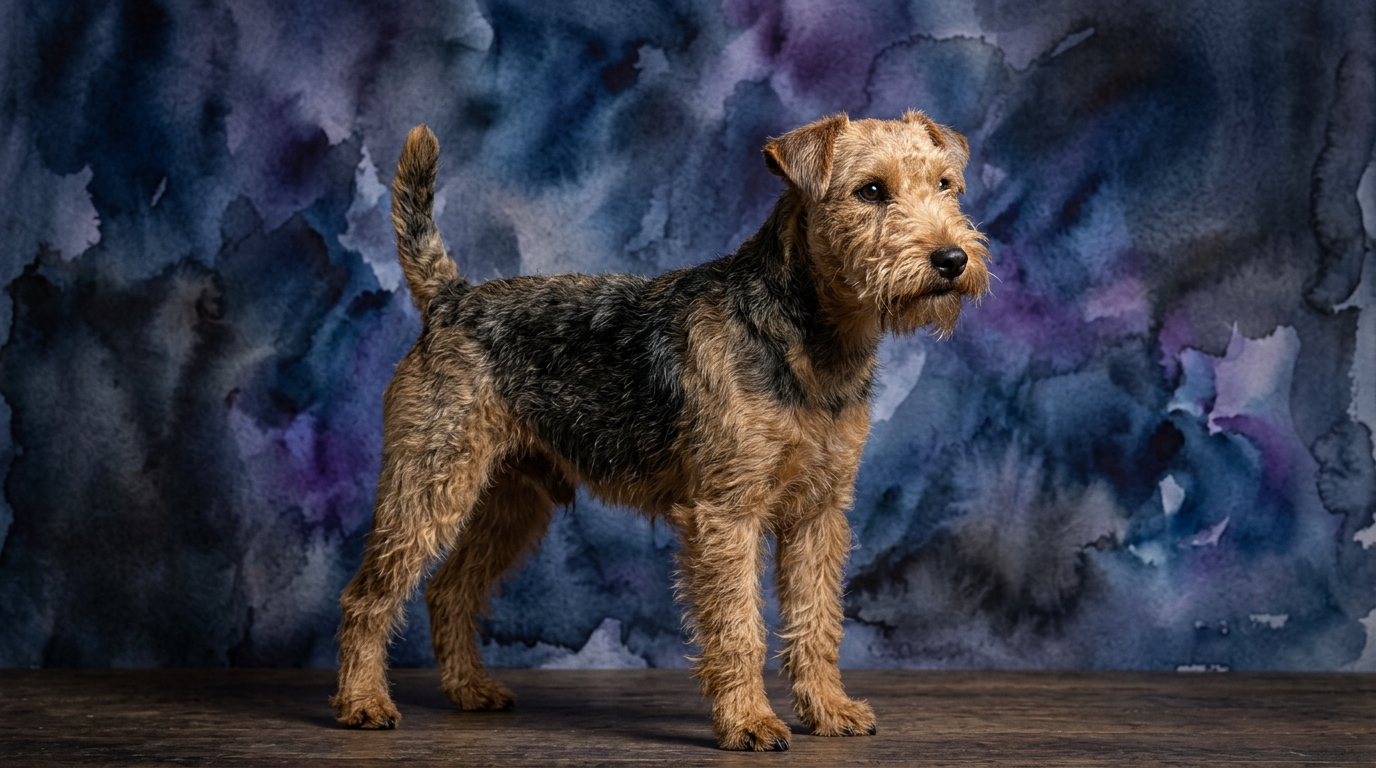
**Lakeland Terrier (Terrier Group, Not Coren-Ranked):** The Lakeland Terrier’s cognitive profile reflects its role as a nimble, determined hunter of small game in challenging terrain. Their **Problem Solving** is 3/5, displaying a practical, persistent approach, often involving physical manipulation to achieve goals like digging out prey or getting to a desired object; they are less about grand strategy and more about tenacious application. **Training Speed** is 3/5; they learn at a moderate pace, capable of absorbing commands and routines, though their terrier stubbornness can sometimes impede rapid progress, requiring clear motivation and consistency. Their **Social Intelligence** is 3/5, indicating a balanced social understanding, capable of forming strong bonds with their families and navigating interactions with other dogs; they can be assertive but are generally attuned to their immediate social environment. While they possess a strong prey drive typical of terriers, their **Instinctive Drive** at 3/5 is more focused and less wide-ranging than a Husky's, manifesting as a keen interest in small animals and a willingness to dig, but generally more manageable in everyday life. Their **Memory** is 3/5, a solid capacity for commands, routines, and the layout of their territory, remembering past interactions and learned behaviors, contributing to their adaptability within a structured home environment.
Where the Siberian Husky Wins Cognitively
The Siberian Husky's cognitive strengths shine particularly in areas demanding independent action and environmental mastery. Their Problem Solving score of 4/5, combined with an unparalleled Instinctive Drive of 5/5, allows them to excel in navigating complex terrains, remembering vast routes, and finding novel ways to overcome physical barriers. This isn't about following instructions, but about intrinsic motivation to achieve a goal, whether it's finding a way out of a yard or remembering the fastest path through a forest. Their Memory at 4/5 further reinforces this, enabling them to recall successful strategies and intricate spatial information with remarkable accuracy, making them adept at tasks requiring self-reliance and environmental awareness rather than strict human direction.
Where the Lakeland Terrier Wins Cognitively
While the Lakeland Terrier might not boast the sheer navigational memory of a Husky, their cognitive profile presents distinct advantages, particularly in areas of focus and practical application. Their Training Speed of 3/5 surpasses the Husky's 2/5, indicating a comparatively quicker grasp of structured commands and a greater inclination towards cooperative learning sessions. This isn't to say they are always eager to please, but their capacity to absorb and retain instructions is more direct. Furthermore, their Instinctive Drive at 3/5, while still present, is less overwhelming than the Husky's, allowing for a more focused application of their Problem Solving (3/5) skills towards specific tasks like scent tracking or intricate toy puzzles without being constantly sidetracked by an overwhelming urge to range.
Training Dynamics: Which Breed is Easier?
When considering ease of training, the Lakeland Terrier generally presents a more straightforward path. Their Training Speed (3/5) suggests they are more receptive to learning commands and associating actions with rewards in a structured environment. While they possess the typical terrier determination, their Instinctive Drive (3/5) is more contained, meaning they are less likely to be completely consumed by the urge to run or hunt during a training session. The Siberian Husky, conversely, with its Training Speed of 2/5 and a formidable Instinctive Drive of 5/5, offers a significant challenge. Their independent problem-solving nature means they often perceive commands as suggestions, and their high drive makes sustained focus difficult unless the training taps into their innate desire for movement or exploration. Training a Husky often requires creative approaches to harness their natural instincts rather than suppress them, demanding exceptional patience and consistency to achieve reliable obedience.
Matching Breeds to Owner Lifestyles
The choice between these two breeds significantly hinges on an owner's lifestyle. The Siberian Husky, with its boundless Instinctive Drive (5/5) and need for extensive physical and mental stimulation, is undeniably suited for highly active owners. These are individuals who enjoy long runs, hiking, sledding, or other demanding activities that allow the Husky to express its natural athleticism and utilize its navigational Memory and independent Problem Solving. A relaxed or sedentary owner would likely find a Husky's energy levels and propensity for independent action overwhelming, potentially leading to destructive behaviors born of boredom. The Lakeland Terrier, while still an active breed, possesses a more moderate Instinctive Drive (3/5) and a Problem Solving approach that can be satisfied with regular walks, interactive play, and mentally stimulating games. They can adapt more readily to a moderately active household, enjoying both vigorous outdoor excursions and quieter indoor time with their family, making them a better fit for owners who appreciate activity but do not require an extreme exercise partner.
The Verdict
Choose a Siberian Husky if you are an experienced, highly active owner who embraces a dog's independent spirit, enjoys engaging in demanding outdoor activities, and can provide consistent, engaging training that respects their powerful instincts for exploration and movement.
Opt for a Lakeland Terrier if you seek a spirited, tenacious companion with a moderate activity level, appreciate a dog that can engage in focused problem-solving, and are prepared for a consistent, positive training approach to manage their terrier drive.
🧠 Find Your Pet's IQ Score
Our Pet IQ Lab assessment covers 25+ tests across 5 cognitive dimensions — personalized to your breed.
Take the Full IQ Test →Frequently Asked Questions
Is a Siberian Husky difficult to train?
Yes, Siberian Huskies are often considered challenging to train due to their low training speed score (2/5) and very high instinctive drive (5/5). They are independent thinkers who prioritize their own motivations, requiring consistent, patient, and creative training methods to achieve reliable compliance.
Are Lakeland Terriers good family dogs?
Lakeland Terriers can be excellent family dogs, exhibiting a balanced social intelligence (3/5) and forming strong bonds. They require proper socialization from a young age and consistent training to manage their terrier tenacity, ensuring they integrate well with children and other pets.
Which breed is better for apartment living?
Neither breed is ideally suited for tiny apartment living without significant owner commitment, but the Lakeland Terrier (3/5 instinctive drive) is generally more adaptable than the Siberian Husky (5/5 instinctive drive). A Lakeland can thrive with sufficient daily exercise and mental engagement, whereas a Husky's immense energy and desire to range make apartment life particularly challenging.