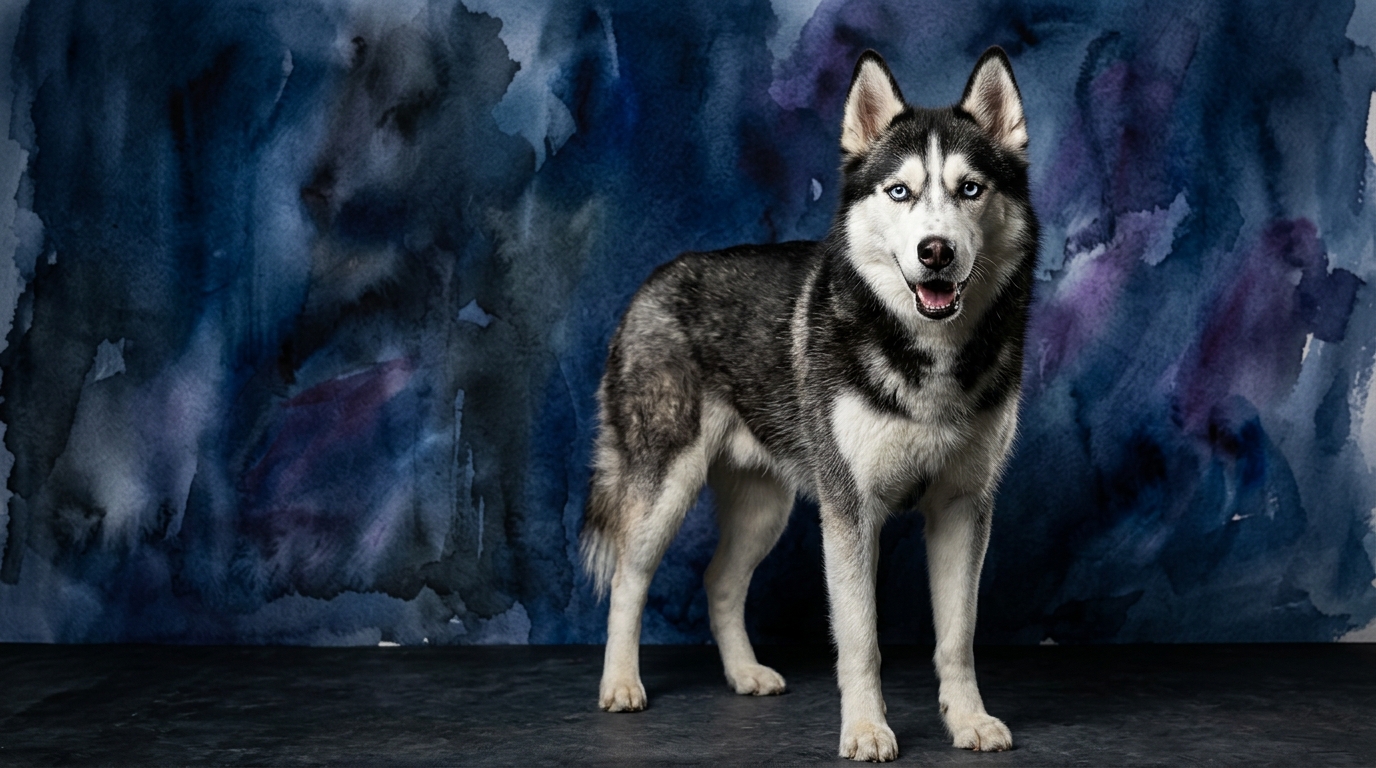
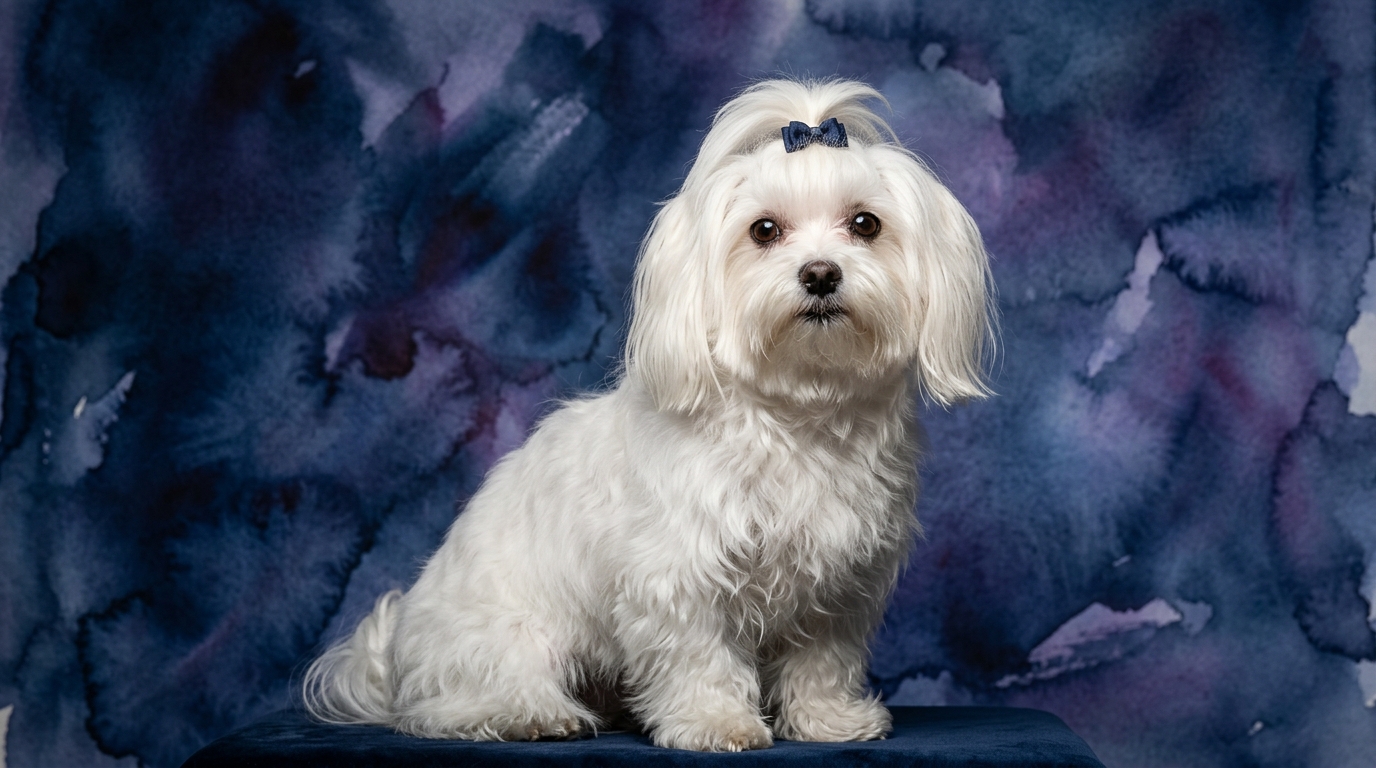
Side-by-Side Cognitive Profiles: Siberian Husky vs. Maltese
The Siberian Husky, ranking #45 on the Coren intelligence scale, presents a cognitive profile sculpted by its history as an endurance sled dog. Their problem-solving capacity, rated at 4/5, reflects an innate ability to independently navigate complex terrains and overcome obstacles, a necessity for survival and task completion in harsh environments. This breed’s training speed, at 2/5, indicates a more deliberate approach to learning new commands, often demanding patient and innovative methods from their human counterparts. Their social intelligence, a moderate 3/5, suggests they engage adequately with human cues but may prioritize their strong pack instincts or independent thought. A standout characteristic is their instinctive drive, a robust 5/5, which powers their urge to run, explore, and pull, deeply embedded in their genetic makeup. Finally, their memory, scored 4/5, enables them to recall intricate routes and past experiences, vital for their historical working roles.
In contrast, the Maltese, positioned at #59 on the Coren scale, showcases a cognitive design optimized for close human companionship. Their problem-solving ability, rated 3/5, is competent but typically more reliant on learned associations within a domestic setting rather than independent strategizing. The Maltese exhibits an average training speed of 3/5, indicating a responsive nature to positive reinforcement and a moderate pace for acquiring new skills. Where they truly excel is in social intelligence, scoring an impressive 5/5. This metric highlights their exceptional aptitude for interpreting subtle human emotions and cues, fostering profound, empathetic bonds. Their instinctive drive, a low 2/5, means they possess minimal urges for hunting or pulling, instead channeling their energy into social connection. Their memory, a solid 3/5, supports their ability to retain routines and basic commands within their familiar environment.
Where the Siberian Husky’s Cognition Shines
The Siberian Husky's cognitive strengths are deeply rooted in their heritage of demanding physical and mental labor. Their superior problem-solving score of 4/5, compared to the Maltese's 3/5, isn't about solving abstract puzzles but about practical, real-world navigation and adaptation. Imagine a Husky finding a way around a fallen tree on a snowy trail or figuring out how to open a gate to explore; this reflects their independent strategic thinking born from necessity. This cognitive resilience allows them to assess situations and devise solutions without constant human direction. Complementing this is their powerful instinctive drive, rated 5/5. This isn't merely a physical urge; it's a cognitive engine that fuels their endurance, their persistent pursuit of a goal, and their focus on tasks like pulling or tracking. This intrinsic motivation, while challenging for owners to manage, is a remarkable cognitive asset for their intended purpose, enabling them to push through adverse conditions. Furthermore, their memory score of 4/5 means they retain complex spatial information and learned sequences, crucial for navigating vast, featureless landscapes or remembering intricate commands over time.
Where the Maltese’s Cognition Excels
The Maltese truly distinguishes itself through its unparalleled social intelligence, earning a perfect 5/5. This isn't just about being affectionate; it's a sophisticated cognitive ability to deeply understand and respond to human emotional states and subtle social cues. A Maltese can often sense a shift in an owner's mood, offering comfort or adapting their playfulness accordingly, making them exceptional emotional support companions. This profound empathy and ability to 'read' their humans allows for a level of interpersonal connection that is central to their breed identity. While their problem-solving and instinctive drives are moderate, their social acumen means they excel in environments where human interaction is paramount. Their slightly higher training speed of 3/5, compared to the Husky's 2/5, also gives them a relative edge in basic obedience and trick training. They are often more eager to please and more attuned to their trainer's desires, making the learning process a collaborative and rewarding experience focused on reinforcing their bond.
Training Dynamics: A Tale of Two Temperaments
When it comes to trainability, the differences between these two breeds are stark and directly tied to their cognitive profiles. The Maltese, with its higher social intelligence (5/5) and moderate training speed (3/5), generally presents an easier training experience for typical obedience. They are inherently motivated by human approval and connection, striving to understand and comply with commands to maintain social harmony. Their lower instinctive drive (2/5) means fewer internal distractions or urges to override learned behaviors, allowing them to focus more readily on the task at hand. Positive reinforcement, coupled with their desire to please, makes them quick studies in basic commands and house-training. Conversely, the Siberian Husky’s training speed of 2/5 and formidable instinctive drive of 5/5 often translate into a more challenging training journey. Their independent problem-solving (4/5) can sometimes manifest as figuring out how to circumvent rules or achieve their own objectives, such as escaping a yard. Their strong drive to run and explore means they are frequently more interested in their environment than in human directives. Training a Husky demands immense patience, unwavering consistency, and highly engaging, reward-based methods that tap into their natural drives, such as using scent work or agility to channel their energy, rather than solely relying on verbal commands or social appeasement.
Lifestyle Suitability: Active Pursuits vs. Calm Companionship
The distinct cognitive and drive profiles of these breeds dictate their ideal living environments and owner lifestyles. The Siberian Husky, with its powerful instinctive drive (5/5) and strong problem-solving capabilities (4/5), is unequivocally suited for active owners. These dogs require substantial daily physical exertion – think long runs, hiking, or structured dog sports – to channel their innate energy and prevent boredom-induced destructive behaviors. Their cognitive need for challenge also means they thrive with owners who provide mental stimulation through training, puzzle toys, or exploring new environments. An owner who cannot commit to hours of activity will find a Husky restless and potentially challenging to manage. In stark contrast, the Maltese, characterized by its low instinctive drive (2/5) and exceptional social intelligence (5/5), is the quintessential companion for relaxed owners. They are content with indoor play, short leisurely walks, and extensive periods of cuddles and human interaction. Their primary need is emotional connection and presence, making them ideal for apartment living or individuals who prioritize a devoted, affectionate lapdog over an adventure partner. They flourish in calm, stable home environments where their social needs are met through consistent companionship.
The Verdict
Choose the Siberian Husky if you seek an independent, problem-solving companion who thrives on extensive physical activity and mental challenges, and you are prepared for consistent, engaging training tailored to their strong instinctive drives.
Opt for the Maltese if your lifestyle is more relaxed, prioritizing a highly socially intelligent companion who excels at emotional connection, requires moderate exercise, and responds readily to affectionate, consistent training.
🧠 Find Your Pet's IQ Score
Our Pet IQ Lab assessment covers 25+ tests across 5 cognitive dimensions — personalized to your breed.
Take the Full IQ Test →Frequently Asked Questions
Are Siberian Huskies stubborn?
Their lower training speed and very high instinctive drive can make them appear stubborn; they often prioritize their own urges, like running or exploring, over human commands, requiring patient, consistent, and reward-based training.
Do Malteses require a lot of mental stimulation?
While their physical needs are moderate, Malteses thrive on social interaction and gentle mental engagement through companionship, trick training, or puzzle toys that reinforce their bond with their owners, rather than complex independent problem-solving.
Which breed is better for first-time dog owners?
Generally, the Maltese's higher social intelligence and lower instinctive drive make them a more forgiving and adaptable choice for first-time owners seeking a devoted companion, whereas the Husky's independence and high energy require experienced handling.