Side-by-Side IQ Profile: Siberian Husky vs. Pekingese
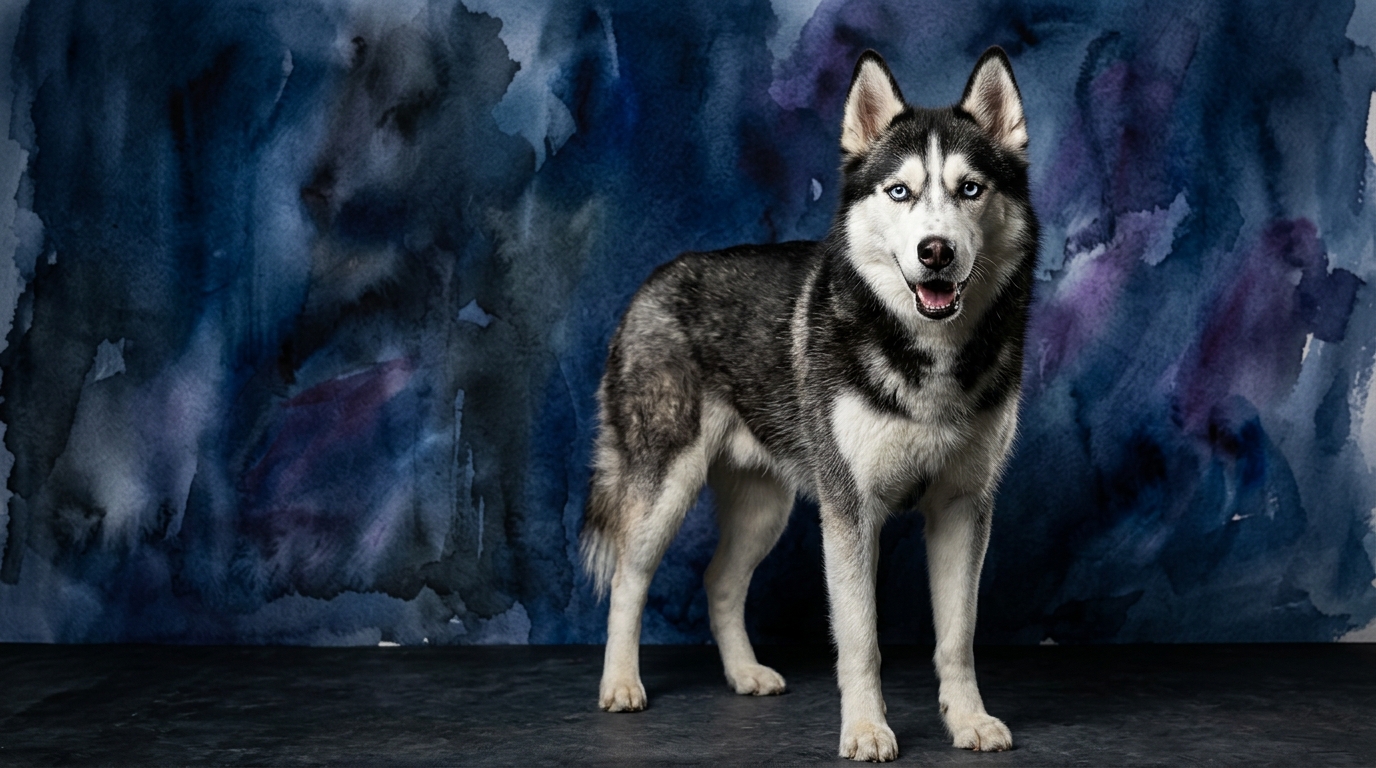
**Siberian Husky (Coren Rank #45):** This working breed's cognitive profile reflects its heritage of endurance and self-sufficiency, tailored for demanding environmental roles.
**Problem Solving (4/5):** Huskies display a significant capacity for independent thought and creative solutions, particularly when faced with environmental challenges. They are adept at strategizing, such as figuring out how to open latches, climb fences, or navigate complex terrain to achieve a desired outcome like reaching a specific destination or joining another dog. This isn't just brute force; it's often a calculated sequence of actions.
**Training Speed (2/5):** While certainly capable of learning, the Siberian Husky's strong will and independent nature mean they often require more repetition and highly motivating rewards compared to breeds eager to please. Their compliance is frequently contingent on their own assessment of the task's value, making conventional obedience training a slower, more patience-demanding endeavor.
**Social Intelligence (3/5):** Huskies form strong bonds with their human families and generally interact well with other dogs, reflecting their pack origins. However, their social interactions often carry a degree of self-interest; they are less likely to blindly follow human directives if it conflicts with their own perceived needs or desires within the social hierarchy.
**Instinctive Drive (5/5):** This is a defining characteristic. Their ancestral role as sled dogs has ingrained a powerful urge to run, explore, and engage in natural behaviors like digging or chasing. This intense drive means they are highly motivated by opportunities to fulfill these inherent urges, often making them less swayed by human incentives that don't align with these deep-seated instincts.
**Memory (4/5):** Huskies possess robust spatial and procedural memory. They can remember intricate routes, recall learned behaviors (both desired and undesired), and retain knowledge of resource locations or past successes and failures, which significantly contributes to their navigational prowess and problem-solving abilities.
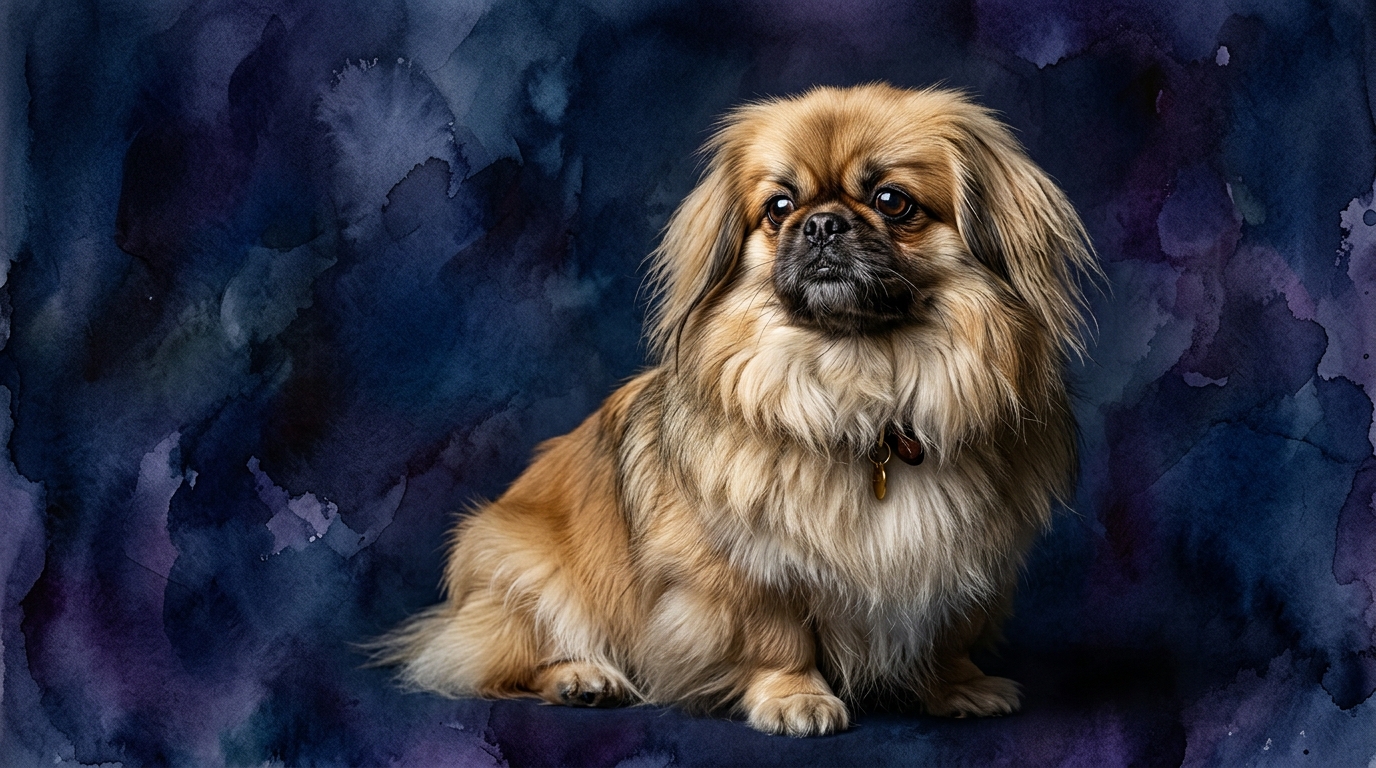
**Pekingese (Coren Rank #77):** This ancient toy breed's intelligence is perfectly tailored for its role as a revered companion, focusing on domestic acumen and social finesse.
**Problem Solving (3/5):** Pekingese demonstrate a moderate ability to solve problems, often employing their cognitive skills to enhance their comfort, secure attention, or manipulate situations within their home environment. They can quickly learn routines, identify the most yielding family member for treats, or figure out how to access their favorite sunbeam spot. Their problem-solving is typically geared towards achieving personal satisfaction and domestic harmony.
**Training Speed (3/5):** Compared to the Husky, the Pekingese generally exhibits a more cooperative, albeit sometimes opinionated, approach to learning. They are capable of picking up basic commands and house rules at a reasonable pace, especially when training is consistent, positive, and makes sense within their established comfort zone. Their motivation often comes from a desire for positive interaction and maintaining their cherished status.
**Social Intelligence (3/5):** Pekingese possess a moderate social intelligence, allowing them to form deeply devoted, almost regal, bonds with their chosen humans. They are adept at reading emotional cues, understanding household dynamics, and adapting their behavior to fit the family's rhythm, though they can be reserved or even discerning with strangers.
**Instinctive Drive (3/5):** Their instinctive drives are moderate; while they retain some typical canine behaviors like barking at perceived threats or occasional digging, these urges are generally less intense and less likely to override their focus on companionship. Their primary motivation often revolves around securing comfort, affection, and a stable, predictable domestic life.
**Memory (3/5):** Pekingese have a moderate memory, capable of remembering daily routines, the specific locations of favorite toys or resting spots, and the individuals important to them. They can learn and retain a reasonable repertoire of commands and social expectations that are relevant to their daily lives and interactions.
Where the Siberian Husky Wins Cognitively
The Siberian Husky’s cognitive strengths distinctly shine in areas demanding extensive independent decision-making and mastery over complex, often outdoor, environments. Their Problem Solving score of 4/5, combined with an unparalleled Instinctive Drive of 5/5, equips them to excel at tasks requiring strategic thinking and self-reliance rather than constant human direction. For instance, a Husky might meticulously plan a multi-step escape from a yard by testing fences, digging under gates, or even learning to open latches, demonstrating a practical intelligence geared towards achieving self-determined goals. This isn't just instinct; it's often a calculated sequence of actions. Their Memory score of 4/5 further supports this, allowing them to recall complex routes during long excursions, remember past successes in outsmarting obstacles, or retain intricate commands related to directional changes in sledding. This cognitive profile makes them exceptional at navigating unfamiliar terrains, excelling in activities like canicross or skijoring where they must interpret subtle environmental cues and make on-the-fly decisions, often anticipating or even leading their human companion.
Where the Pekingese Wins Cognitively
While the Pekingese may not exhibit the large-scale problem-solving or endurance of a working breed, their cognitive strengths are finely tuned for their specific role as discerning companions within a domestic setting. Their Training Speed of 3/5, equaling their Social Intelligence at 3/5, indicates a practical aptitude for learning within a familiar and comfortable context. They often demonstrate a subtle, yet effective, intelligence in understanding and influencing their home environment and their human companions to secure comfort, attention, or preferred outcomes. For example, a Pekingese might quickly learn which family member is most susceptible to their charms for an extra treat, or how to strategically position themselves on a specific lap for maximum affection. Their moderate Instinctive Drive (3/5) is a cognitive advantage in a domestic setting; it means they are generally less distracted by external stimuli like prey scent or the urge to roam, allowing them to focus their cognitive efforts more readily on social interactions, household routines, and the nuanced dynamics of family life. This refined intelligence for domestic living makes them adept at discerning social cues and securing their place as cherished, albeit occasionally opinionated, members of the family.
Which is Easier to Train and Why
When assessing ease of training, the Pekingese, with a Training Speed of 3/5, generally presents a less challenging experience than the Siberian Husky, which scores 2/5. This difference stems largely from their inherent motivations and historical roles. Huskies were bred to work independently, making decisions on the trail without constant human oversight. This manifests as a strong will and an inclination to prioritize their own instincts—like the powerful urge to run or explore—over human commands. Training a Husky often involves significant creativity and persistence to convince them that compliance is more rewarding than their independent pursuits, especially given their high Instinctive Drive (5/5). In contrast, the Pekingese, while capable of a stubborn streak, tends to be more motivated by companionship and comfort. Their moderate Instinctive Drive (3/5) means they are less prone to being 'deaf' to commands due to overwhelming urges. They respond well to positive reinforcement and consistent methods, learning basic commands and house rules more readily, as their primary goal is often to remain comfortably ensconced within their human's good graces, rather than to embark on an epic journey.
Which Suits Active Owners vs. Relaxed Owners
The choice between a Siberian Husky and a Pekingese largely hinges on an owner's lifestyle and their capacity to meet a breed's specific cognitive and physical needs. The Siberian Husky, with its profound Instinctive Drive (5/5) and strong Problem Solving (4/5), is unequivocally suited for active owners. These individuals thrive when given opportunities to engage their minds and bodies in challenging activities, such as long-distance running, hiking, mushing, or advanced obedience and agility training. They require owners who understand their need for physical exertion and mental stimulation to prevent boredom and destructive behaviors. Conversely, the Pekingese, with its moderate Instinctive Drive (3/5) and focus on companionship, is an ideal match for relaxed owners. These dogs are content with shorter walks, indoor play, and significant cuddle time. Their cognitive needs are met through consistent routines, social interaction within the home, and gentle mental puzzles that don't demand extensive physical output. They are perfect for those seeking a devoted, relatively low-maintenance companion who enjoys a serene domestic existence.
The Verdict
Choose a Siberian Husky if you are an active, experienced owner ready to channel their powerful instinctive drives and independent problem-solving skills into engaging physical and mental challenges.
Opt for a Pekingese if you seek a devoted companion for a relaxed household, valuing their ability to integrate seamlessly into a domestic routine and provide affectionate, discerning company.
🧠 Find Your Pet's IQ Score
Our Pet IQ Lab assessment covers 25+ tests across 5 cognitive dimensions — personalized to your breed.
Take the Full IQ Test →Frequently Asked Questions
Are Siberian Huskies truly difficult to train?
Siberian Huskies are not inherently unintelligent, but their strong independent nature and high instinctive drives can make traditional obedience training challenging. They learn quickly but may choose not to comply if a command doesn't align with their own motivations, requiring patient, consistent, and reward-based methods.
Do Pekingese dogs require much mental stimulation?
Pekingese dogs benefit from mental stimulation, though not to the same degree as high-drive working breeds. Daily interactions, learning new tricks, puzzle toys, and consistent routines provide sufficient cognitive engagement for this companion breed, preventing boredom without requiring intense activities.
Which breed is better for apartment living?
The Pekingese is generally better suited for apartment living due to their smaller size, lower exercise requirements, and moderate instinctive drives. A Siberian Husky's strong need to run, explore, and problem-solve often makes apartment living challenging unless their owners are exceptionally dedicated to providing extensive daily outdoor activity and mental engagement.